I’m about to set out on what could be my greatest adventure yet: My first transatlantic crossing. A group of young climate advocates are trying to get from Europe to the United Nations Climate Change Conference (COP30) in Brazil sans airplane, and they’re in need of a crew. It’s less about saving the carbon associated with a flight—after all, the plane is going whether these six people are on it or not—and more about starting a conversation and having the immersive experience of being at sea, beholden to the rhythm of nature and the planet that they’re trying to protect. The finite resources onboard are a microcosm of the finite resources of the Earth.
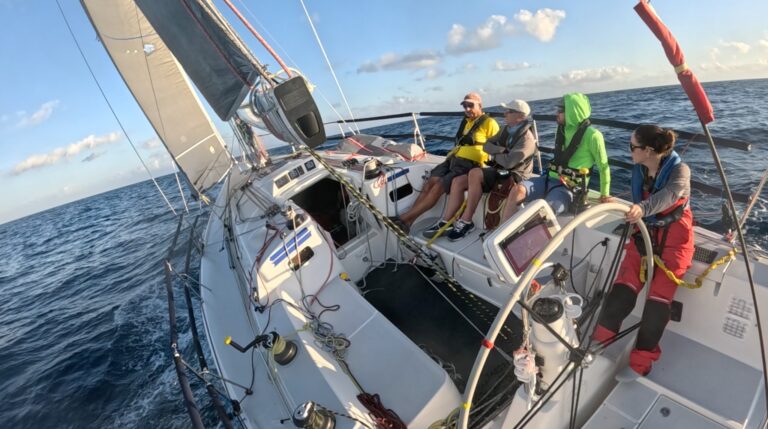
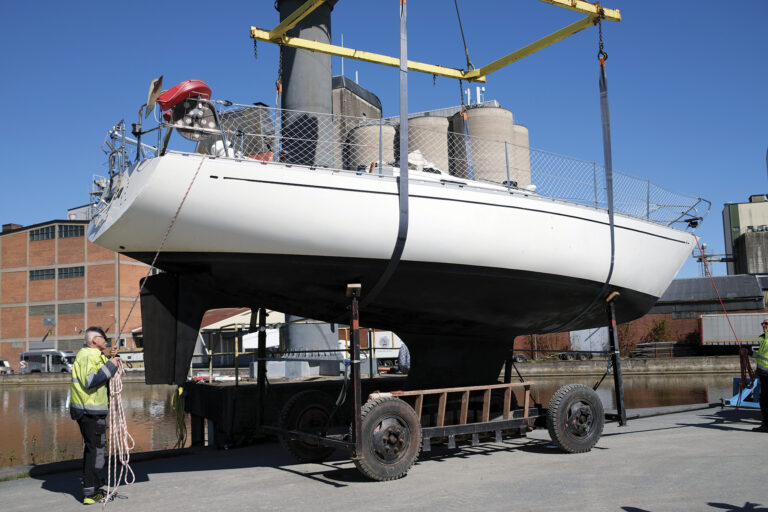
In total, it’ll be 10 of us doing the crossing on L’Esprit d’equipe, the custom aluminum 60-footer that won the 1985 Whitbread Round the World Race. (More to come on this in a future issue.)
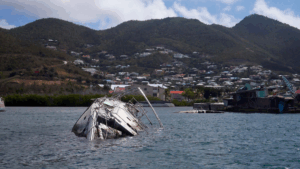
As you may have read in the story of my Annapolis-Newport Race last month, getting back offshore after the shipwreck has been a difficult and complicated journey, but it’s also been one full of joy and appreciation, both for the special parts of sailing that’d I’d started to take for granted and for the people who’ve been by my side as I find my way back. There have been highs and lows to be sure, and ahead of this crossing, I’ve been thinking a lot about all of those moments and how they fit together.
The transatlantic, which will take us from the Canaries to Belem, Brazil, will be bracketed by two major sailing milestones for me. Sometime on day one, I will hit my 5,000th offshore mile. For centuries, this milestone has been celebrated with a swallow tattoo, which supposedly symbolizes homecoming, loyalty, and safe travels. I haven’t decided whether I want the tattoo yet, but looking back over 5,000 miles, it certainly feels like a journey worth commemorating.
On the other side of the ocean, right before we arrive, I will be crossing the equator for the first time. For over a decade, I’ve seen other offshore sailors have their heads shaved or hair dyed while being playfully hazed to appease Neptune in line crossing ceremonies. Even professional teams drop what they’re doing to celebrate this rite of passage for the first timers. It’s a tradition that dates back beyond even the swallow tattoos and recalls the days of the ancient Greeks who would sacrifice hair and ask for safe passage from the Gods. And despite knowing that I will probably be wearing a hat for a few months when I get home, I’m excited to join the club.
It’s a funny thing that both of these benchmarks in a sailor’s career come with an aesthetic alteration. It’s a physical reminder that these miles change us. They shape us and teach us who we are when we have to cope or struggle. (It’s certainly an acquired taste, but over the years, the bitter yearning for home has become cherished parts of my long voyages.)
There isn’t a single boat that I’ve sailed—from that first humble thistle to the maxi trimaran Spindrift—that I didn’t take something away from. You always come back to the dock a little different than you left it, even if that change is something as simple as a lift in your mood or a “well, I won’t try that again…” Whether you’re sailing 5 or 5,000 miles, those accumulated experiences become something bigger than the beer can races or weekends on the bay. They become a part of you.
Maybe I’m feeling sentimental on the brink of another big adventure, but I think being challenged is an essential part of life, and we have to embrace it if we want to live richly. When we become too comfortable in our expertise, we risk losing the curiosity and wonder that comes with learning something new.
So, here’s to the challenges ahead. May they become meaningful threads in the fabric of our lives, even if we can’t see the whole design yet.
Lydia can be reached by email at lydia.mullan@firecrown.com or lydiaatsea on Instagram