I gave it a good try, but my search was a bust. Nothing. Nada. Nope. For three sweaty days I’d scoured the anchorages and marinas of Phuket, Thailand, but could not find a boat that needed crew for the Indian Ocean passage to Sri Lanka. I began thinking of alternate travel plans. Then, at a beachside pub, I met a cheerful Aussie who’d rowed in from the anchorage.
“We’re sailing for Sri Lanka in two days, mate,” he said brightly.
“Do you need crew?” I asked, sitting suddenly upright.
“Matter of fact, we do!” And two days later we set sail before the northeast Monsoon bound for Sri Lanka on a steel ketch named Lazybones. Sometimes luck just sits down beside you.
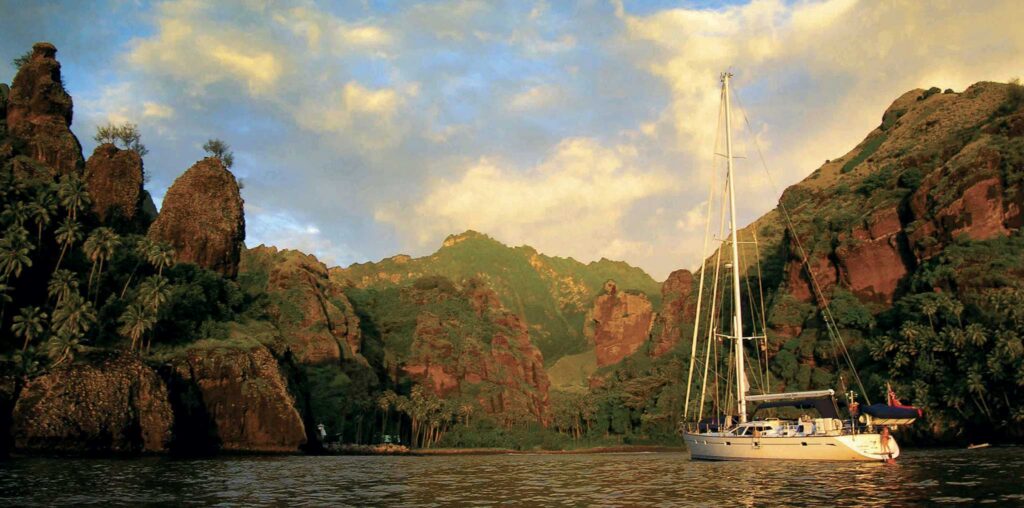
I owned keelboats for decades, and nothing beat calling my own shots as captain. But for thirty-five years I’ve also crewed on boats all over the world. I’ve watched the palms of South Pacific atolls rise over the horizon, snorkeled the reefs of Belize after a seven day sail from Florida, and smoked hookahs in Port Sudan with a Saudi ship captain on a stop up the Red Sea.
Some might call this roving lifestyle “boat bumming” or “ocean hitchhiking,” but with a smile I prefer to call it by another name, “sailing OPBs”—or other people’s boats. The opportunities to sail OPBs are as wide as the ocean’s horizon, and over the years I’ve found a number of ways to crew on them.
My first offshore crewing “gig” on an OPB was in 1990 after I answered an ad in SAIL from a Whitby 42 owner looking for transatlantic crew. Magazine ads have since moved to online crewing services such as Crewbay, (more about Crewbay later) but the concept still remains. The owner lived nearby, and we met in person before I flew to Bermuda to join the boat.
My passage aboard was only to the Azores, which brings me to another method of finding boats: networking or word of mouth. Once in Horta I scanned the marina bulletin board for boats needing crew. I found a French ketch that needed crew to Toulon, via Morocco. I introduced myself to the skipper and pointed to my resume: The boat I’d just arrived on. Done deal and we sailed for Africa two days later.
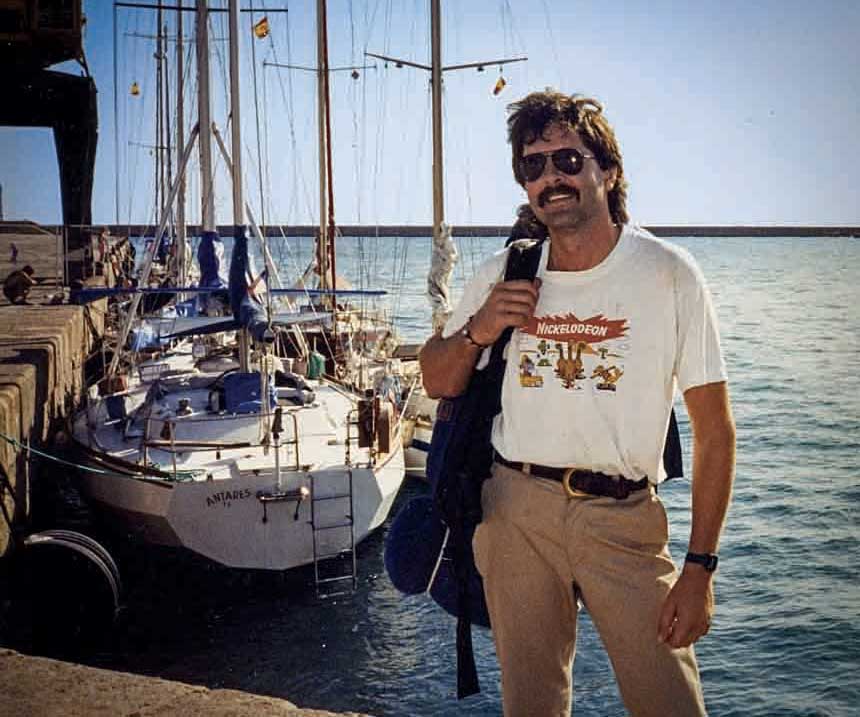
This was in the early days of satnav and the skipper had little trust in modern electronics, so we made the nine day passage to Tangier using only a sextant. He soon had me taking noon sights and working out our position with the sight reduction tables—navigation skills that few today have experienced (especially without a GPS backup).
Networking got me into the rarefied world of Oyster Yachts. Oysters are widely considered the pinnacle of cruising yacht excellence, and a friend knew an Oyster 55 owner who was looking for crew from Ecuador to Tahiti. Once aboard in Salinas, Ecuador, I met the Kiwi captain and his Spanish girlfriend, the first mate.
When the Kiwi skipper’s job ended on the 55, he introduced me to the Canadian owners of his next boat, an Oyster 62. I sailed with them in the Atlantic Rally for Cruisers from the Canaries to St. Lucia, and later we made the 3000-mile trade wind run to French Polynesia from the Galapagos, my second time on this route.
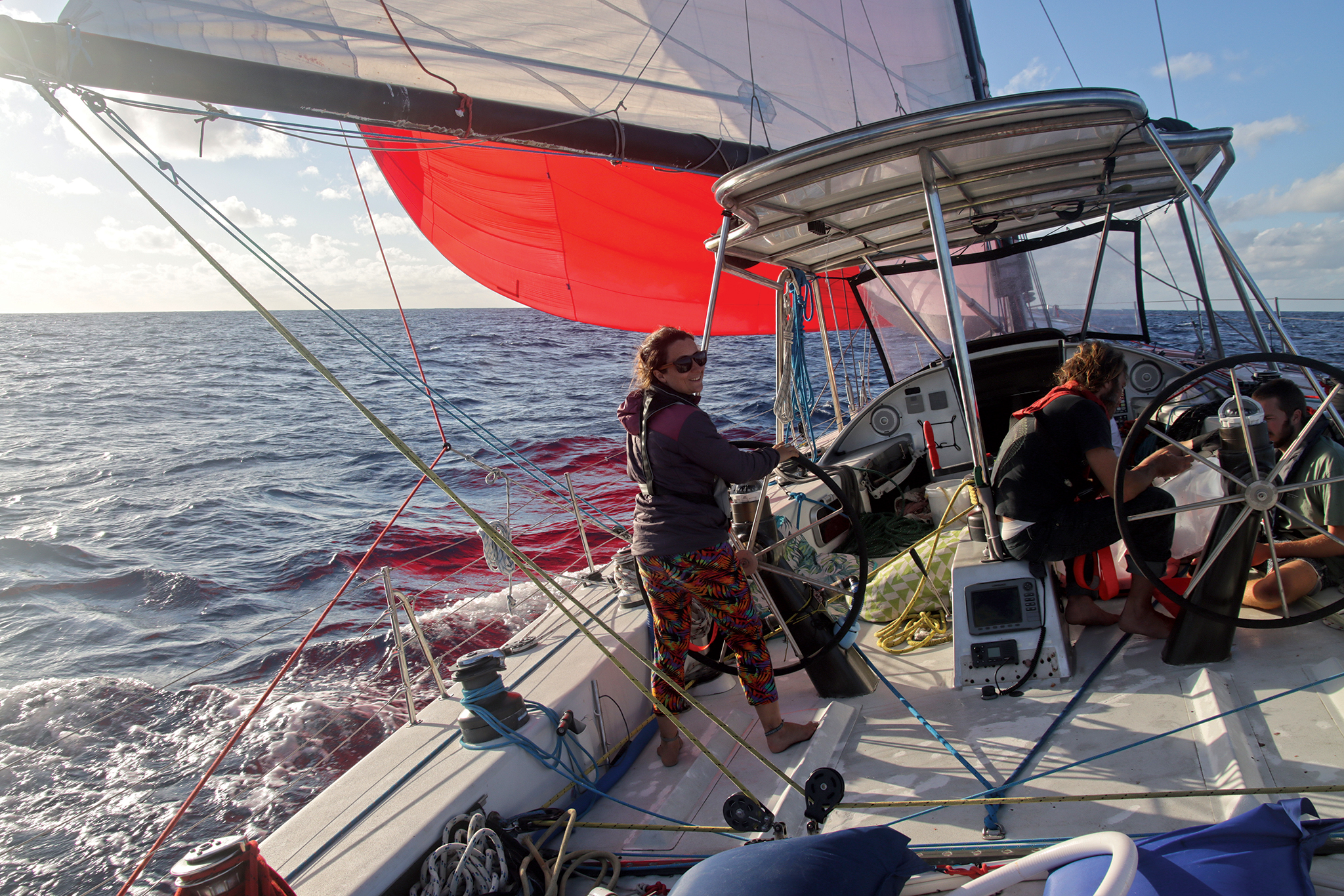
This passage was offshore sailing at its best. For over two weeks we ran before long Pacific rollers. Under puffy trade wind clouds, the thundering bow wave threw off a boiling wake, and often we logged 200 miles in a day
Simply walking the docks and asking for a ride is another way to sail OPBs. I flew to Bermuda after the Marion-Bermuda race looking for a boat returning to the United States. A well used 65-foot ocean racer was short on return crew.
The owners were sailing newbies, and once underway the furling gear broke at the masthead. (Guess who went 70 feet aloft to fix it?) After two days of heavy weather the boat felt sluggish. I lifted the floor boards and froze, mouth agape—the electric bilge pumps had failed and the engine was awash in oily water.
“Holy—” I yelled. “We’re sinking!”
We hand pumped every two hours for the next three days, and I was never happier to reach land with my feet still dry.
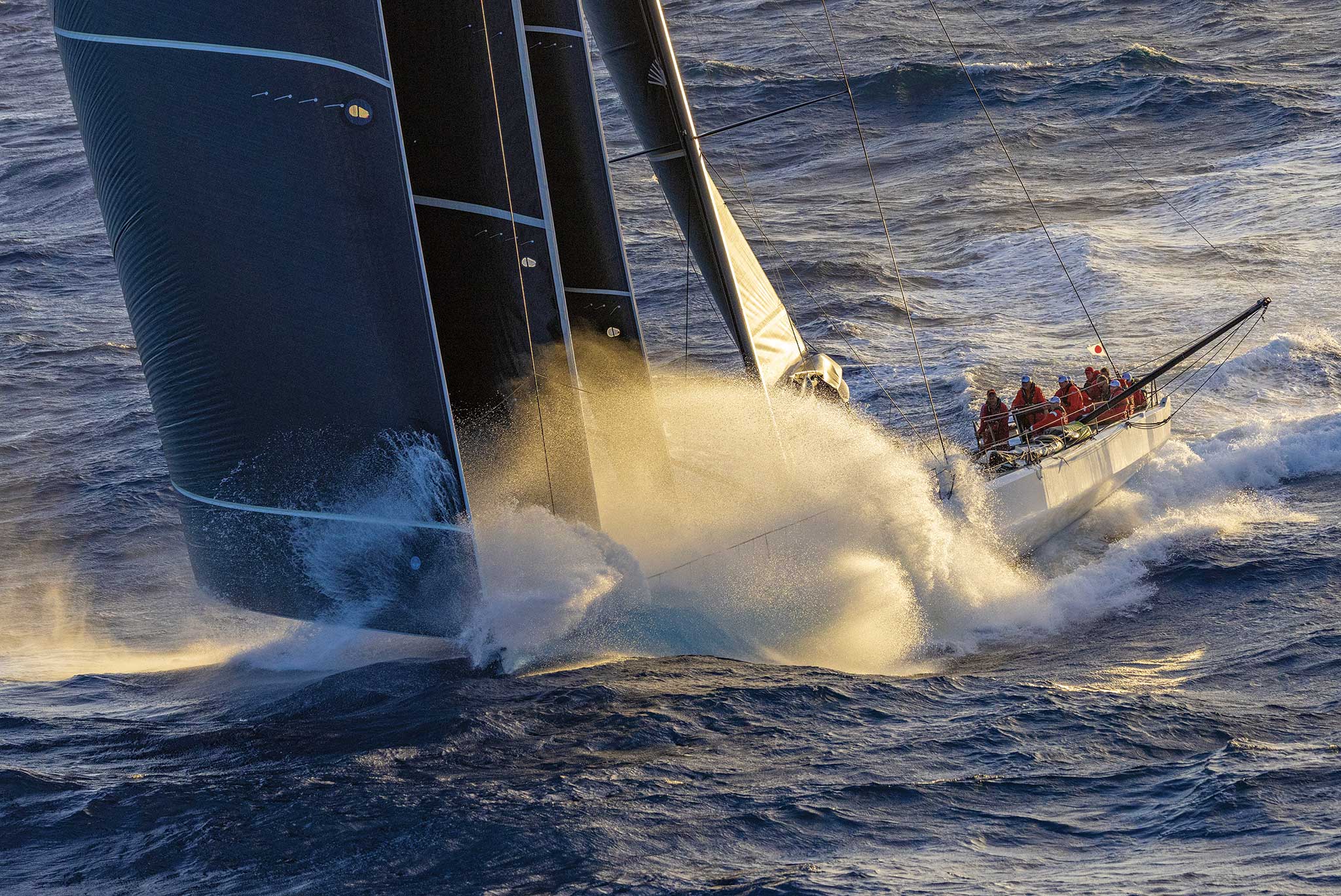
Racing is another great way to get time on OPBs. Racing clubs around the country are filled with boats whose owners need crew. I raced for a number of years at Bayview Yacht Club in Detroit on an Olson 40. Bayview sponsors the famous Port Huron to Mackinac Island race on Lake Huron.
I’m a cruising sailor at heart, but racing was a great way to sail with rock star crews who have forgotten more about performance sailing than I’ll ever know. I did a few Mackinac races, but then settled back to my low-stress cruising lifestyle.
Chartering, too, is an excellent way to sail on different boats. It helps to have documented log books or ASA sail training certificates to prove experience. I lacked these logs, so when friends asked me to skipper their 48-foot charter in Greece, the company required us to first sail with observers aboard.
So two stone faced Greeks parked themselves like statues at the stern, muscled arms crossed over barrel chests. I had recently broken my foot and clomped (self-consciously) about the deck in a walking cast. We motored out of the marina, raised sail, then capably docked Mediterranean style.
“Okay, take the boat,” the Greek statues said with a nod and walked away.
An invitation from my sister to sail in Phuket, Thailand, got me on another OPB. This was a crewed charter where professionals took care of everything. The boat was ferro cement, and the owner was an American ex pat. His wife, who was Thai, did the cooking (superb!) and their teenage son was crew.
We helped sail and crew as we liked, learned Thai cooking, and had a blast swimming with sharks, exploring the grottos, caves and quiet anchorage of a tropical paradise.
Often it’s possible to find sailors who need an extra hand and will trade work for a ride. Recently I’ve helped a friend with her Catalina 30 on Lake St. Clair, near Detroit. I assist with spring outfitting and ongoing maintenance. My reward is beautiful summer sailing in Michigan
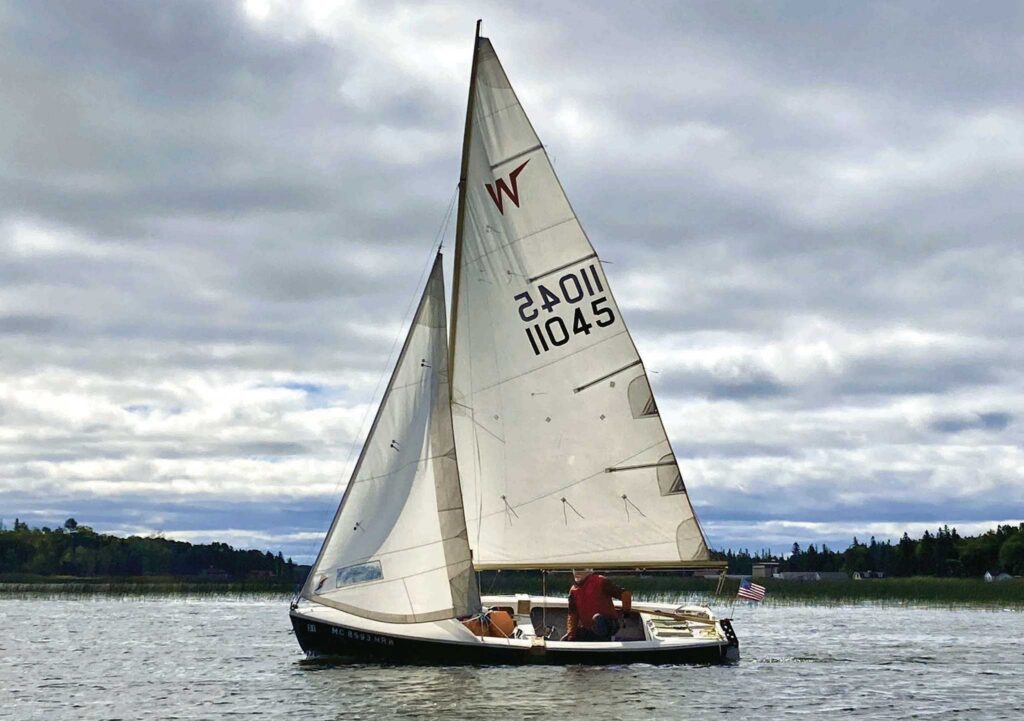
I owned a Westsail 32 for nearly three decades, sailed her solo from Lake Superior to Bermuda, but finally let someone else take the dream. As an owner, I always felt obliged to sail my own boat during our Michigan summers. Now, without it, I have the freedom to sail OPBs without feeling guilty that I’m not using my own boat.
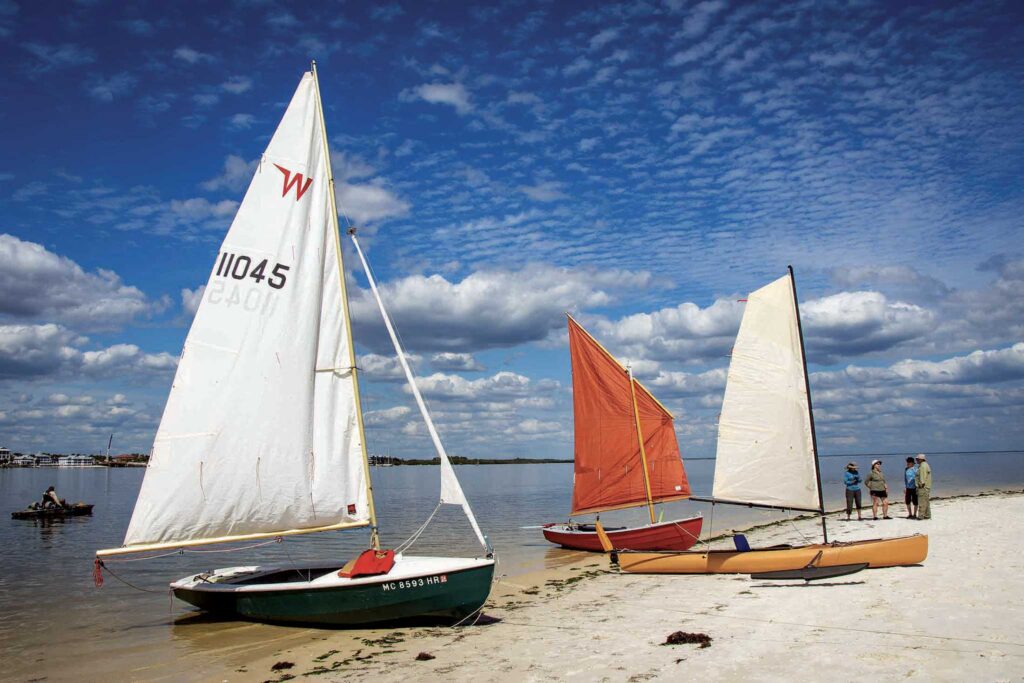
I joined the Michigan Sailing Club near Ann Arbor, Michigan, and returned to my small boat roots. Here were dozens of little OPBs, and I had to relearn how to sail boats that capsize, something I hadn’t thought about for fifty years as a keelboat sailor.
Members introduced me to trailer sailing, and I’ve since towed the club’s sixteen foot Wayfarer twice to Florida, to the Chesapeake, and all five Great Lakes. One bitter morning I left Michigan on icy roads towing the Wayfarer. Two days later, like a butterfly spreading its wings, I sailed under sunny skies in Florida. Pure magic.
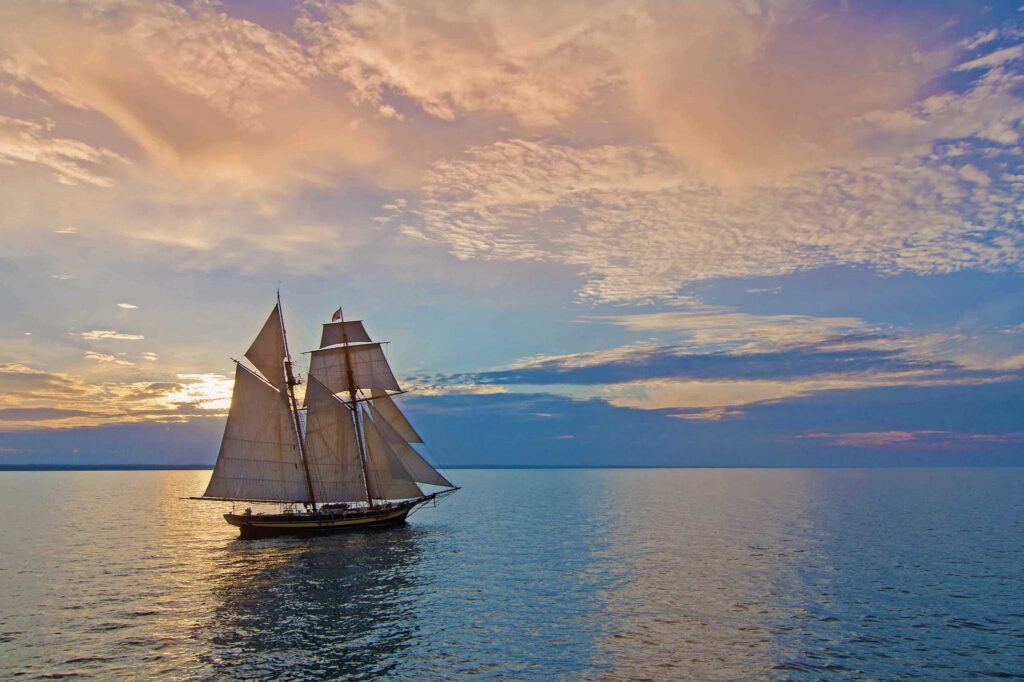
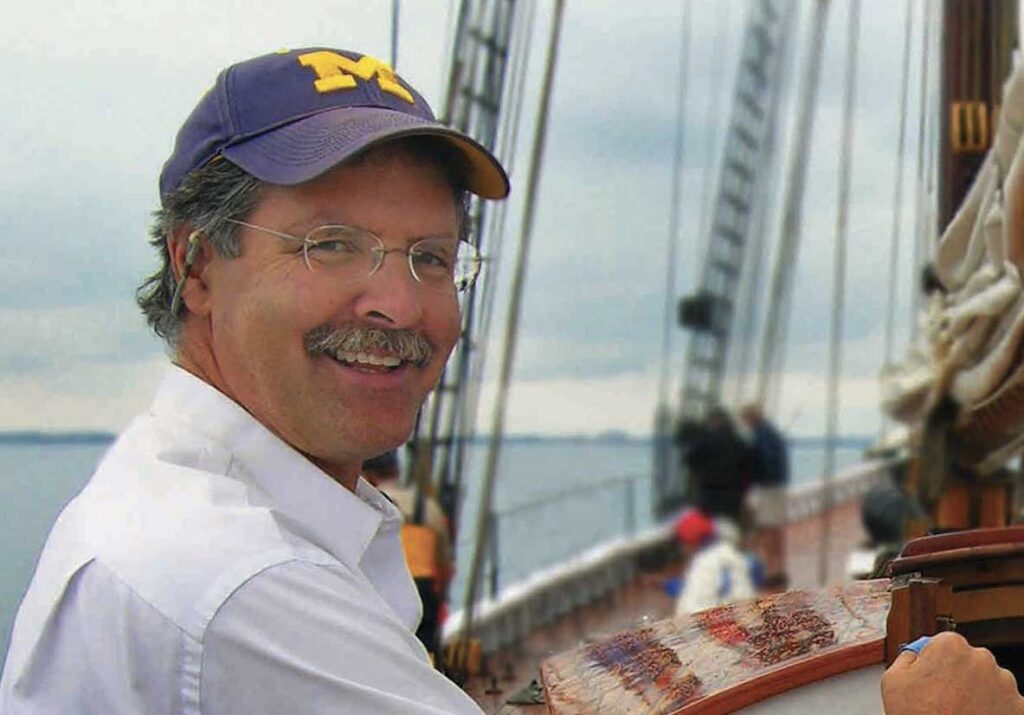
Sailing as guest crew aboard the 157-foot topsail schooner Pride of Baltimore II was another unique OPB experience. Pride II hails from Baltimore and offers passages for paying guest crew. I sailed aboard her from Florida to Baltimore (SAIL Jan/Feb 2024) and last year from Erie, Pennsylvania, out the St. Lawrence to Nova Scotia.
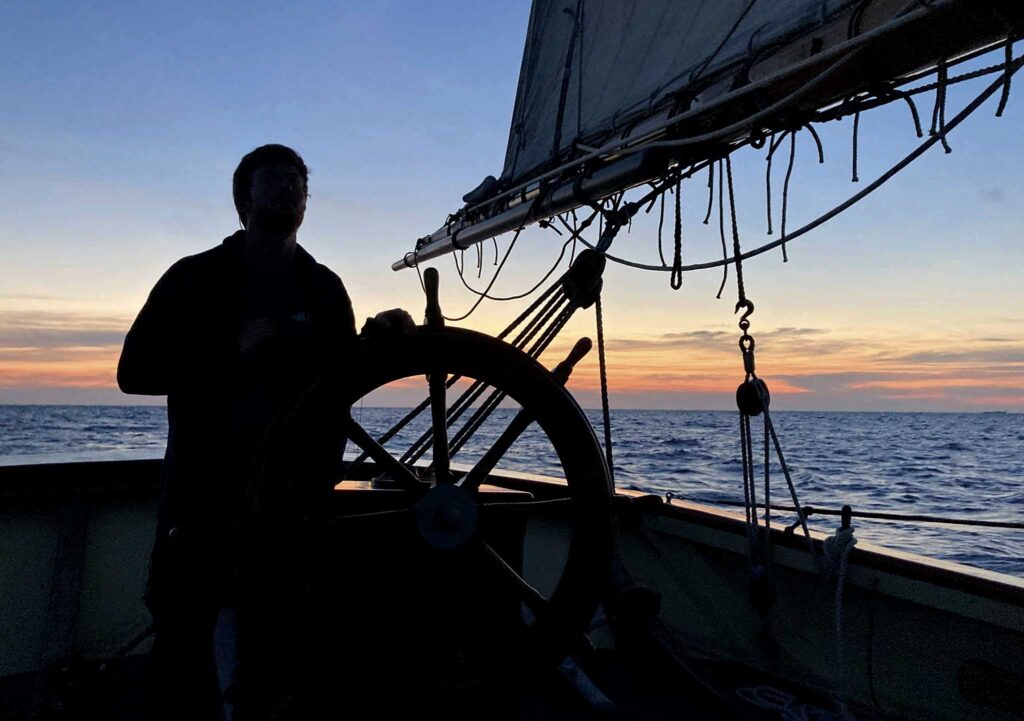
Sailing Pride II is “hands on” and guests are encouraged to help as much as possible. My Scottish ancestors were ship owners and captains, and I’ve dreamed of sailing tall ships since I was a kid. Steering Pride II through Gulf Stream seas, her masts sweeping the starry sky, and easing out on a swaying yardarm to help furl the foretop are sailing memories I’ll always treasure.
A final option for finding OPBs is to join a crewing service such as Crewbay. Crewbay connects crew looking for boats with boats looking for crew—much like a dating site. Fill out a profile, upload a few photos, and put yourself out there! The pro level charges a fee, but I use the free option and have now sailed twice on Crewbay boats.
Crewing a boat with complete strangers demands caution (for both parties), and rule number one is it’s never too late to bail. If things don’t feel right, better to walk away than risk harm. I do WhatsApp video interviews with the owners before signing on, so we can both get a feel for compatibility.
My first Crewbay voyage was two years ago on a Seawind 41 catamaran sailing 700 miles from Miami to Belize. A retired couple needed help moving the boat south, and for a week we fought the strong currents flowing around Cuba and up the Yucatan Channel.
I recently made another Crewbay connection, and in January helped sail an Admiral 38-foot catamaran from Chaguaramas, Trinidad, 500 miles north to the US Virgin Islands. The voyage began just miles from piracy-plagued Venezuela, and I was relieved to see its hazy mountains drop below the horizon as we fled north for Grenada. On my 3am watch the Southern Cross hung low in the sky, and bioluminescence trails glowed like pale blue comets from our twin hulls.
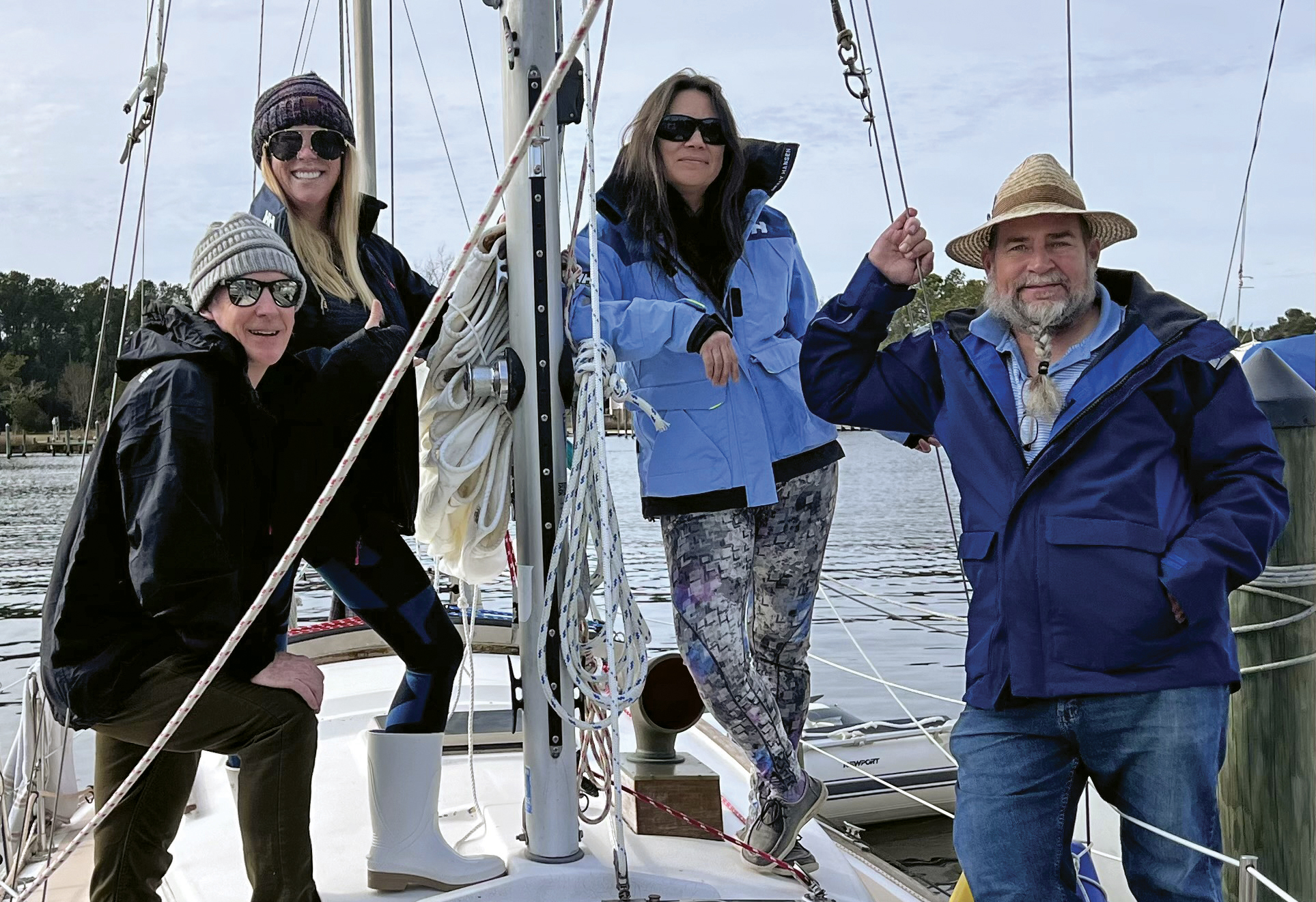
The catamaran was built in South Africa, and the French owner (a retired eye surgeon) had registered it in the Italian city-state of San Marino. My crew mate was a young Chinese/American architect who had grown up in Beijing. You don’t find a combination like that without sailing OPBs!
Sailing OPBs on the world’s oceans is not without some risk. I’ve sailed through four piracy and war zones, including a civil war in Sri Lanka, a military coup in Fiji, the dangers of the Red Sea near Yemen, and most recently, drone strikes and piracy off Venezuela. It all sounds scary, but in reality most sailing yachts are left alone and the chances of finding trouble on a big ocean are slim.
A bounty of opportunities await those with a taste for adventure and the willingness to step a little off the beaten path. Our sailing lives won’t last forever—don’t let the chance to explore new horizons slip away. OPBs open us to a world of different crews and different views. The time to go is now!
Here is some distilled wisdom from my years sailing OPBs:
— Don’t be picky (but be prepared to walk away if things don’t seem right). I’ve crewed on day sailors, offshore cruisers, high-tech racers and wooden tall ships. Some were in Bristol condition, others needed a little TLC.
— Understand that expenses will vary. On some boats I was paid and on some all expenses were covered. But on a few I shared the cost, and on one I paid as “guest crew.”
— Pitch in happily with chores from daily cleaning to sail handling and standing night watches. All skippers appreciate crew who take a turn in the galley. Always pick up after yourself and do the dishes!
— Keep a log of your adventures. This provides documentation for your next captain.
This article was originally published in the May 2026 issue.