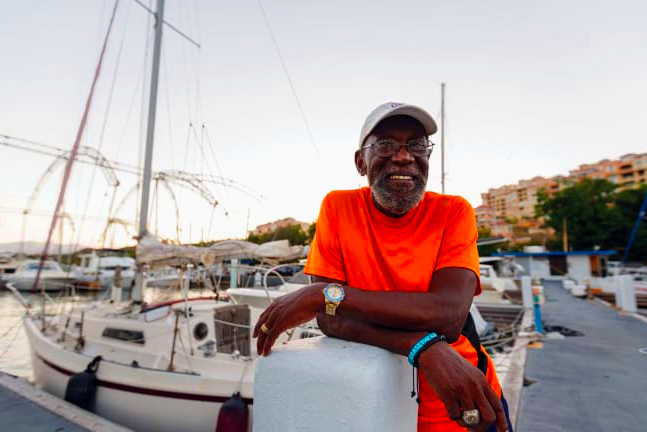
Where you’ve seen his work: Onboard photography and video during four editions of The Ocean Race
Ross grew up in New Jersey and says he didn’t have the luxury of spending as much time in and around the water as most people who end up on his career path probably did. Summer sailing while visiting family was his outlet. “Most of my friends knew nothing about sailing, just because of where we were from, but I was inherently obsessed with it.”
Ross sailed at Hobart and William Smith College, but a hockey injury benched him during his senior sailing season. While recovering, he rode along in the coach’s boat and took photos.
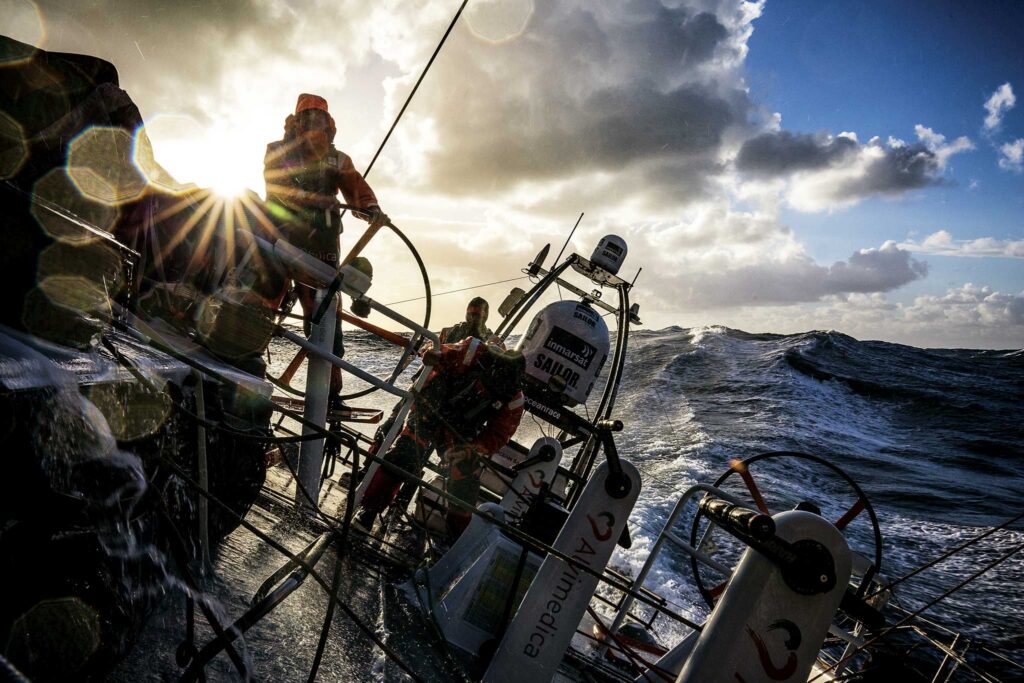
Ross says being a sailing photographer came first from his love of the sport. “I was really more focused on sailing as a participant, but hand in hand with that was trying to share what I was seeing on the water. So it wasn’t necessarily exclusive to being a photographer. It was always very much tied to sharing the sport from my own vantage point.”
After graduation, he joined a few sailing programs including the American TP52 Rush and shot the America’s Cup Challenger Series in Valencia. “I met so many people, and those foundations were the pillars of a career. Everyone that I met there in some way or another helped me over the next decade. I was lucky to have people like Onne and another instrumental role model, Thierry Martinez. They were so quick to emphasize taking care of the industry and business practices and working together, almost like a union to ensure integrity. I was lucky to have people help guide me in those days, to show me that this has the opportunity to become a long-term career, and it’s not a hobby.”
Throughout his career, he says he’s felt sailing was misunderstood in some ways, and sharing his perspective was a way to rewrite the narrative. “I loved showing people that sailing was a sport with an extreme nature to it, and that it wasn’t just a privileged hobby. I love seeing the athleticism and the engineering and the design and the rapid acceleration of the sport. So when the Volvo came out with the media crew member role, I knew it was something that I wanted to pursue.”
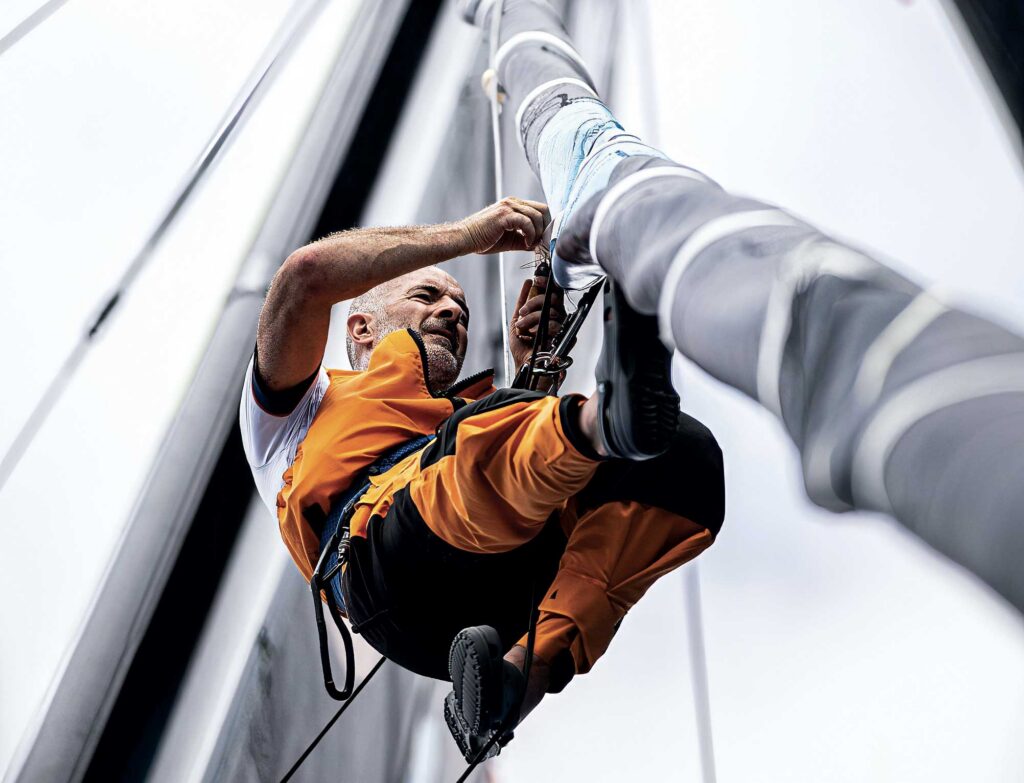
At the time, though, he didn’t have the offshore or video experience, so the focus turned to preparing to be a good candidate the next time the opportunity came around.
“Luckily, I was the same age as Charlie [Enright] and Mark [Towill], and they had just come off the back of their Morning Light campaign. And it was a perfect marriage in a lot of ways because I needed a platform to go offshore and build out my portfolio and learn, and they needed pictures and to embrace this very new concept of telling a story while sailing.”
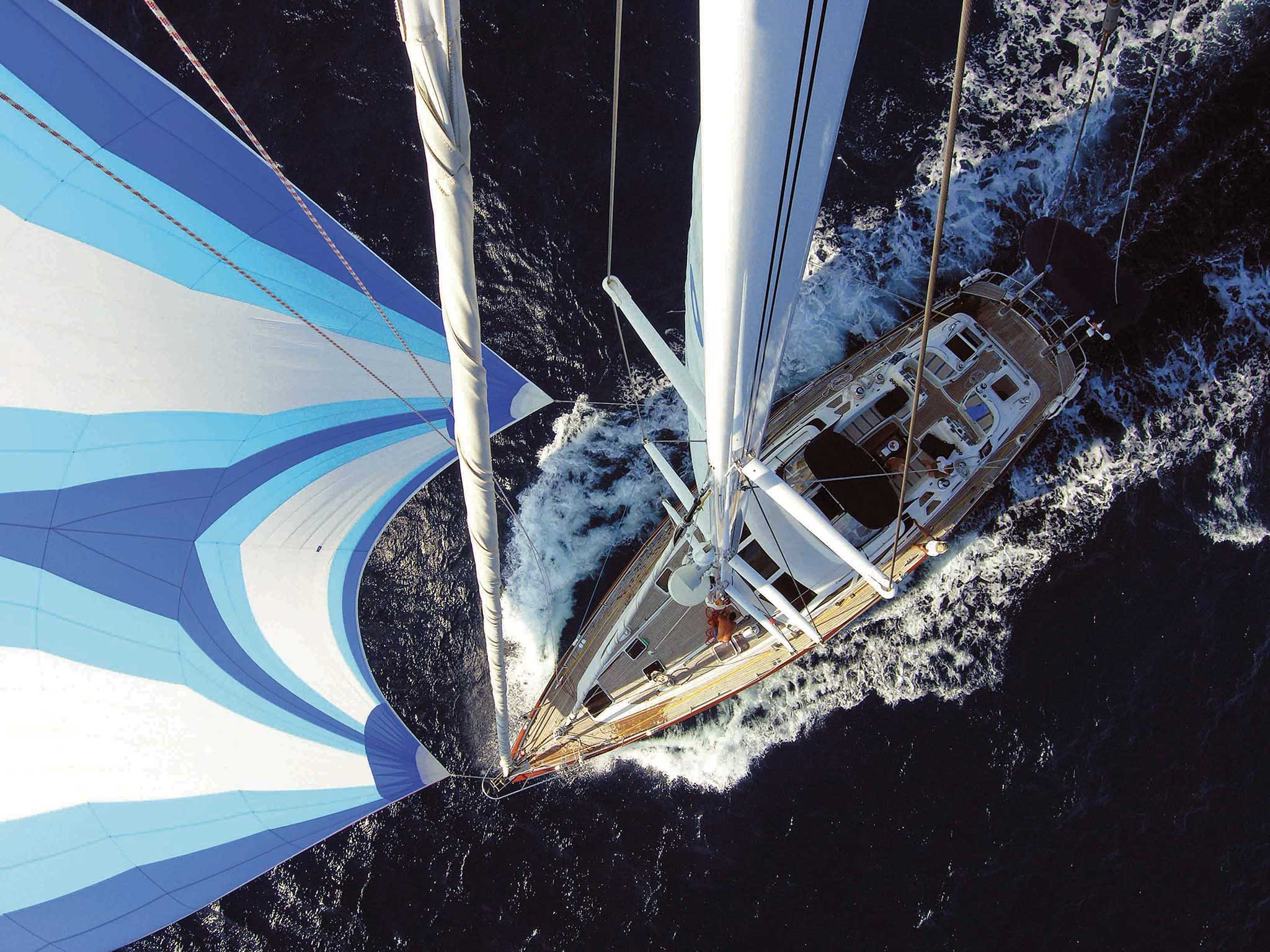
These were formative years for the stylistic and visual language of Ross’ photography. He recalls imagining an aerial shot while preparing for the 2011 Transatlantic race with Enright and Towill. It was before drones were being used for sailing photography, so he had to get creative. “I had this idea of getting this bird’s eye perspective that now we could achieve effortlessly with a drone. Before we left Newport, I went to a local kite store and I got a kite and reel, and I built this little GoPro mount so that you could hang the GoPro off the kite, and then you would essentially let it out off the back of the boat. And spoiler alert, it didn’t go very well.”
Still, the vision for achieving that vantage point remained. “Especially offshore, when the scale is such a part of the narrative, to be able to take a picture and showcase the enormity of the ocean and the vastness of that space, you just never have that opportunity from onboard. And so drones have become such an epic tool in being able to build the narrative.”
As technology has evolved, Ross has been through several generations of cutting-edge drones, which have become even more critical to telling the story of The Ocean Race since its pivot from the VO65 to the IMOCA class. With the sailors spending the vast majority of their time in the same four walls of the enclosed cockpit, the race has gotten less visually interesting and more reliant on drone footage to showcase the speed and extremity of the conditions.
“And they’ve also become immensely valuable to engineers and designers trying to understand what’s happening while sailing and look at boats from a totally different perspective. It’s nice to feel like what you’re doing has an actual benefit on the performance side, as well as the storytelling and brand narrative perspective.”
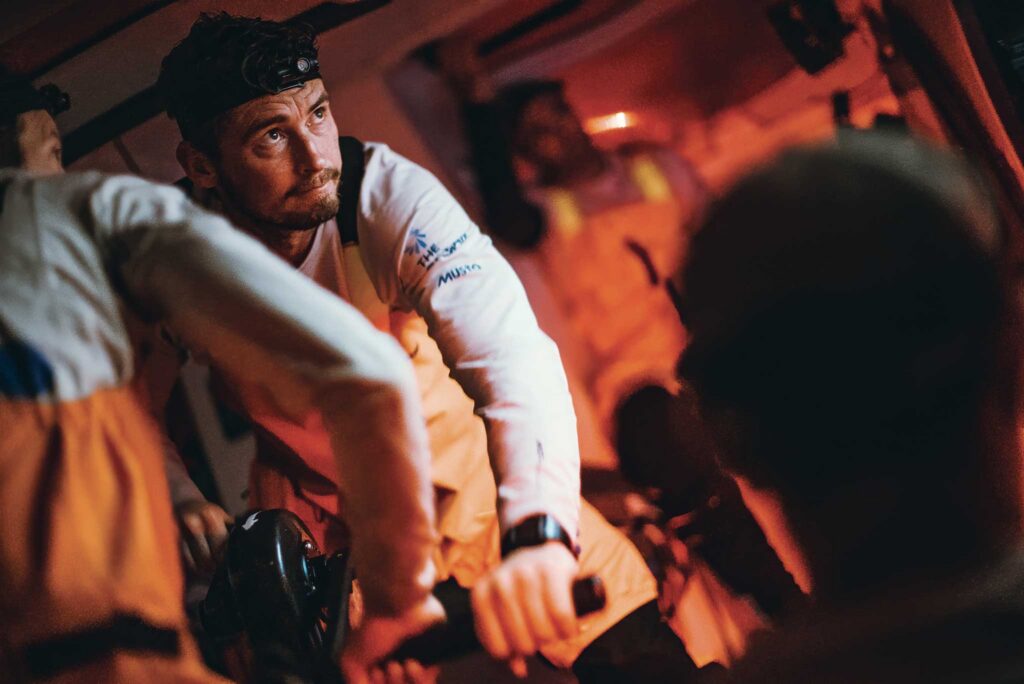
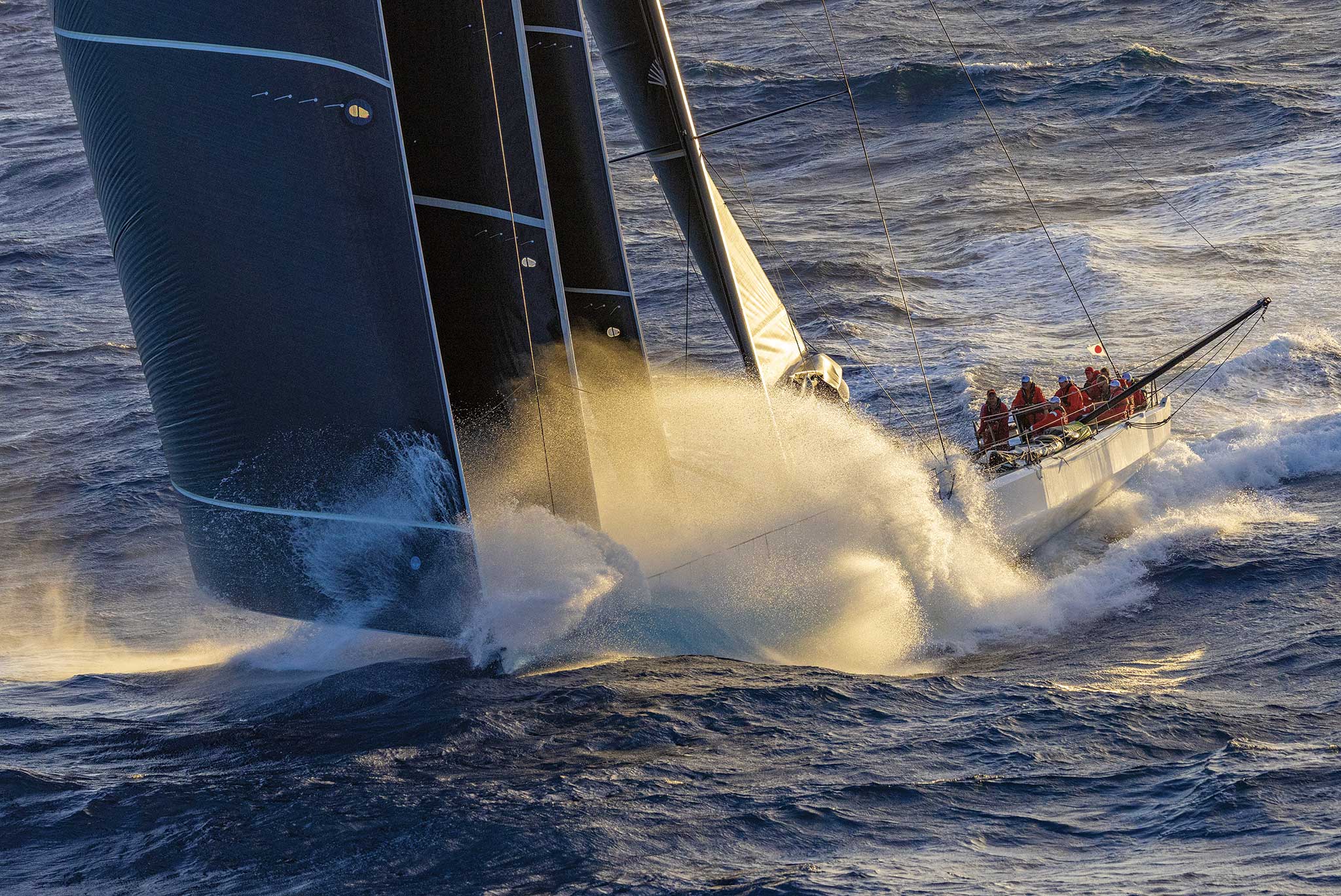
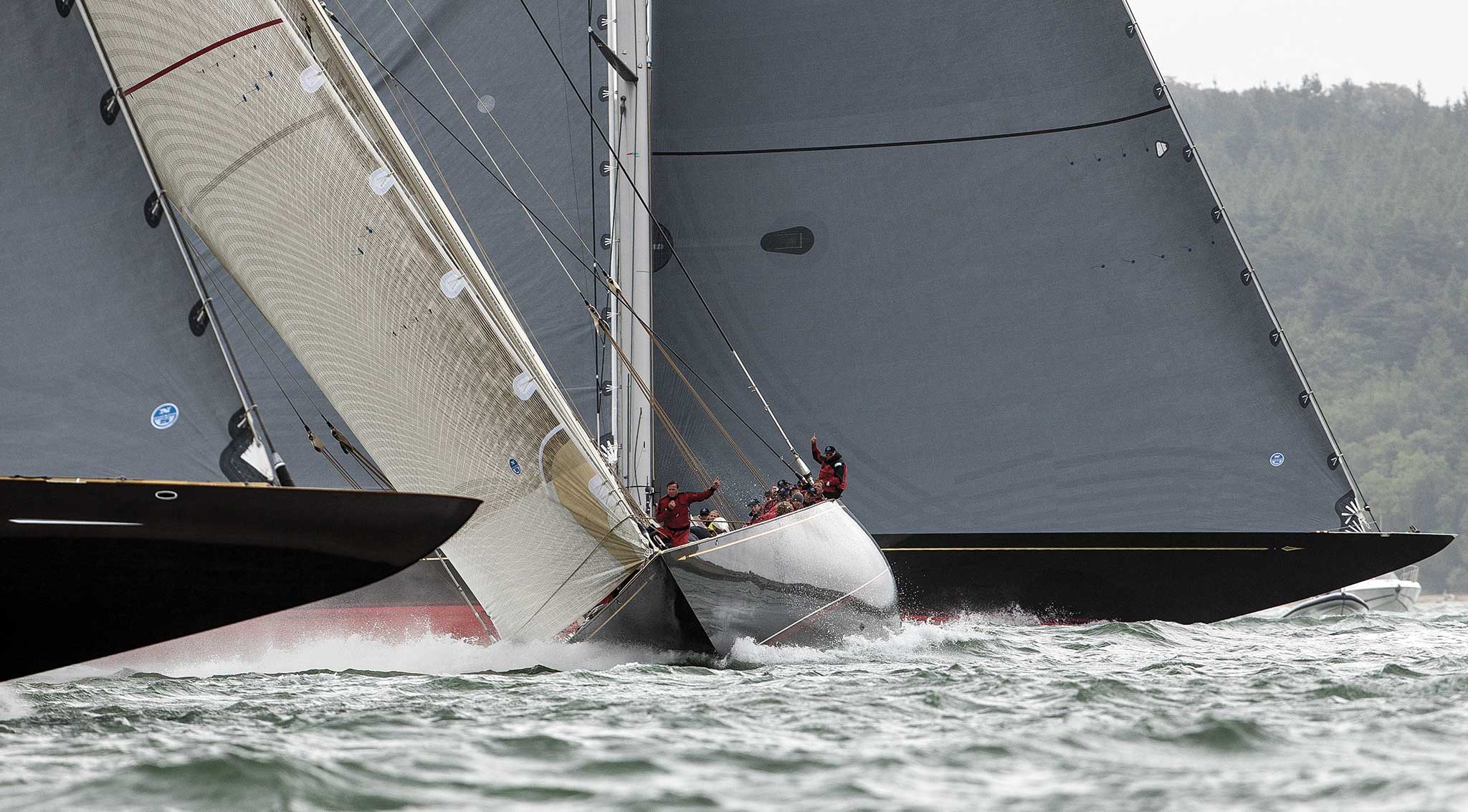
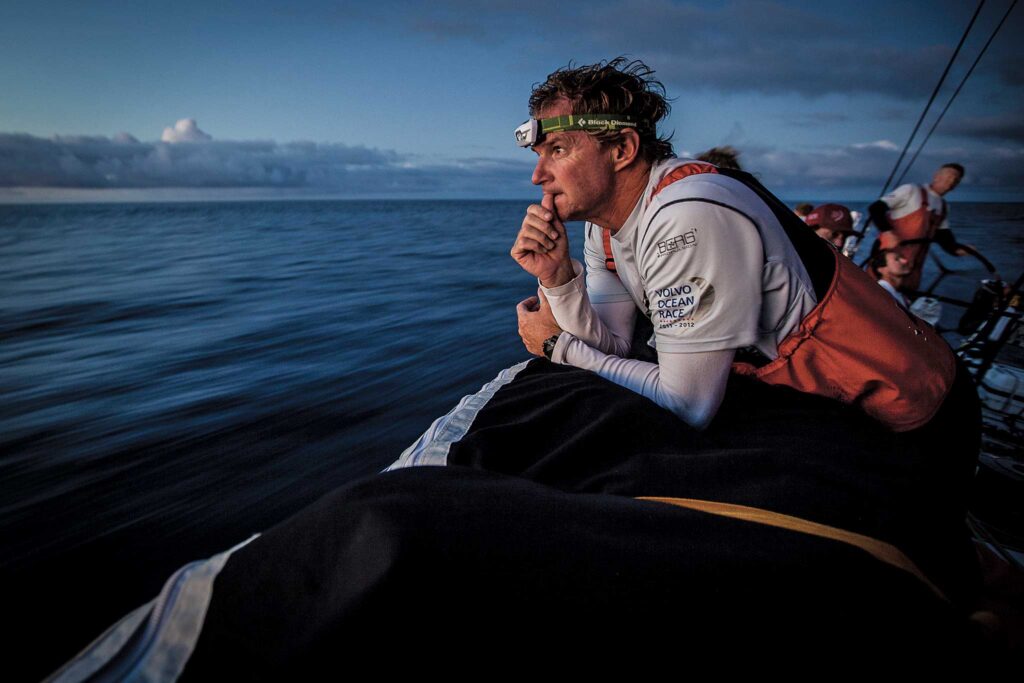
To date, Ross has been an onboard reporter for four editions of The Volvo Ocean Race/The Ocean Race as part of Puma, Alvimedica, and 11th Hour Racing Team, plus as one of the rotating OBRs who worked for the race in 2018/2019. In almost 20 years of shooting on the water, he says his favorite photos are always the ones of intimate moments with his teammates or that showcase the power of the ocean.
“It’s not just a windward mark or leeward mark, it’s what happens in between. I spent most of my time during the formative era of my photography trying to dissect a race course, then with the advent of the onboard content, it was really about emotion, energy, and the beauty of the world that we get to live in. Looking back, those are so much more powerful than anything I did to start.”
Choosing Your Subject
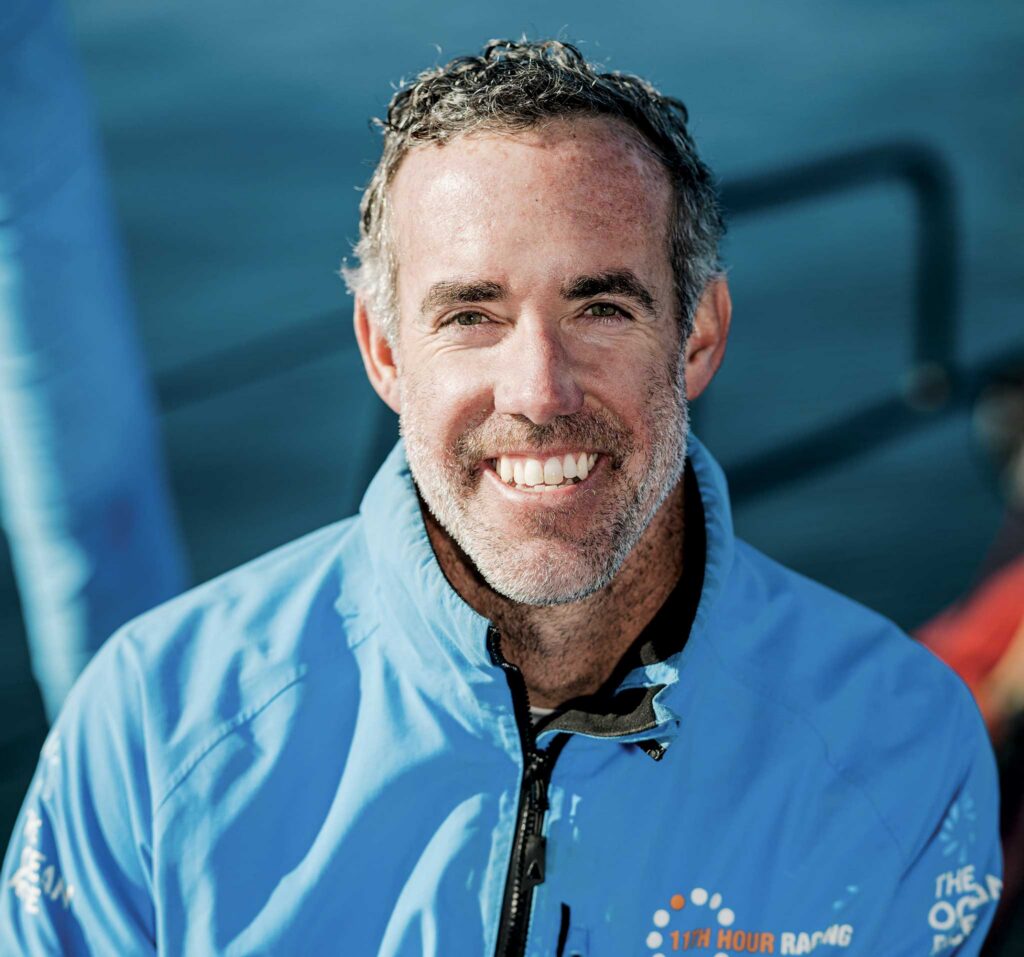
Advice from Amory Ross
Ross says that a great photo tells a whole story in a single frame—but you shouldn’t assume that you need a fancy camera to make that happen.
“Sure, there’s the luxury of having nice equipment and the manual control of a real camera is great, but to me the story is far more nuanced than [the tech]. It’s the people, it’s the moment. And you don’t need anything more than a phone camera to capture that. The best camera is the one that you have with you at the time.”
The first step, he says, is to ask yourself some questions. “What’s the feeling that you’re trying to convey? What’s the emotion that you want to impress upon someone? And how would you do that with a single frame?”
Clarity on the story you’re telling then guides the composition of the photo. “You have to be very conscious of what you put in between the edges of that frame. Do you want to focus on someone’s eyes? Or is it the vast horizon? Do you want people to feel intimate? Or do you want to tell the story of a whole scene and all the different components that are in it?” If you have a good idea of what you’re trying to capture, you’ll know the answer.
“Nowadays, we live in a world of Reels and Tiktoks, but in a lot of ways video is the easy way out. I love the power of a single frame.”
This article was originally published in the May 2026 issue.