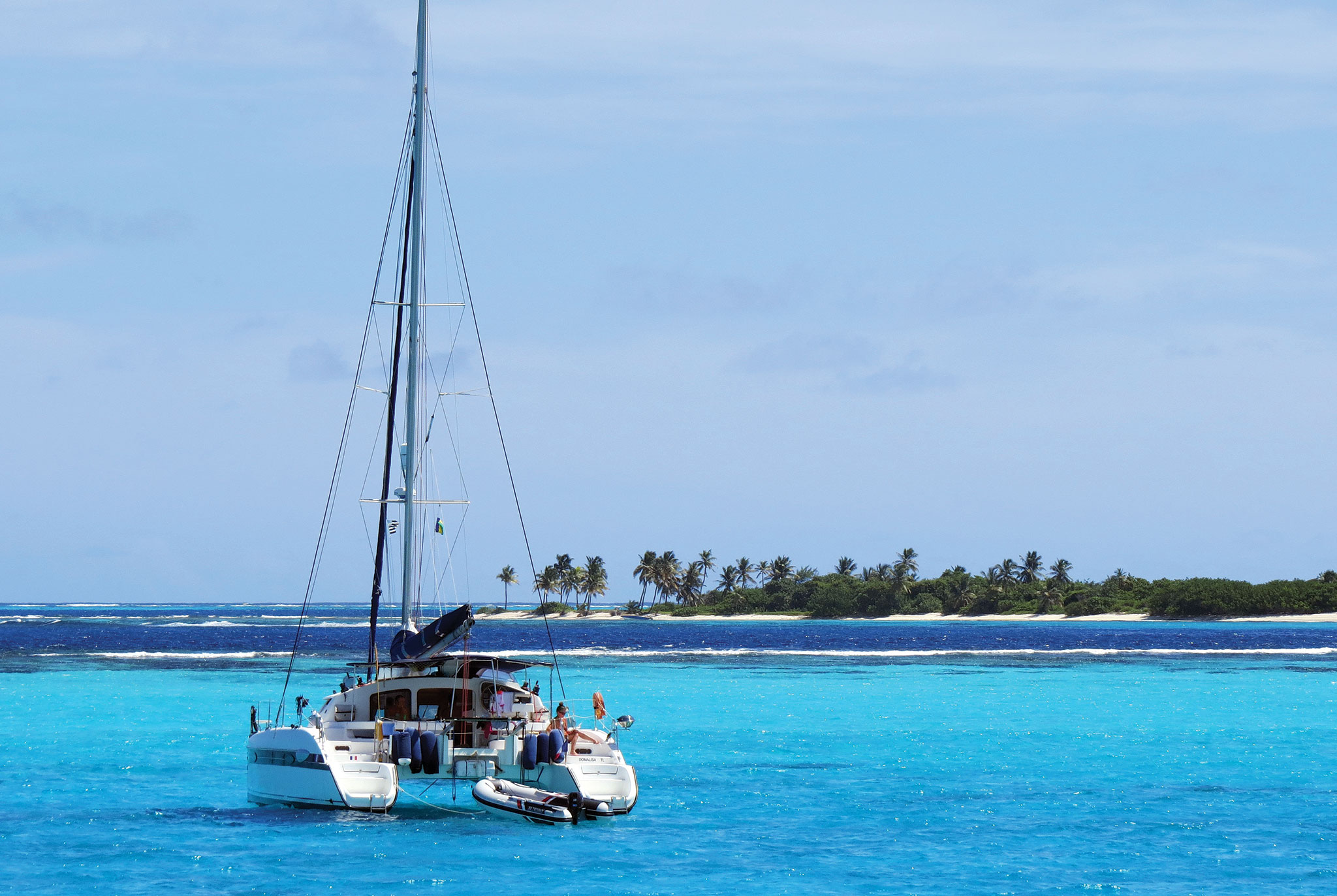
There’s no vacation like a boat vacation, so if you want to explore new cruising grounds, consider chartering. I try to sneak in a bareboat charter two or three times each year, and I wish it were more. I run into first-timers often and hear their woes in detail, so here are a few of their lessons learned.
1. Put In the Necessary Planning
Running by the seat of your pants won’t serve you well when it comes to chartering. You may not be planning a lunar landing, but basic preparation is non-negotiable. First, consider who you want to spend time with, because family ties and friendships fray quickly in close quarters. Second, be realistic about your lead times. Last-minute charters can be great, but for best boat availability, plan three to four months out, more if it’s over the holidays. Finally, overcommunicate with your crew during the planning process because unmanaged expectations lead to unmet needs.
2. Time Under Sail Isn’t Guaranteed
I’m always asked where to charter for the best sailing and invariably my answer is “at a sailing school.” Wind isn’t guaranteed on vacation, and charter happens on a schedule, so pick a place you want to explore whether the castles of Croatia or the beaches of the Tobago Cays. Sail when you can and motor when you must because this is a vacation, not a regatta.

3. Coordinate the Choice of Destination with Your Skills and Your Crew Needs
The destination can make all the difference. Will it be good for kids or your seasick spouse? Will there be enough to do off the boat? For example, the British Virgin Islands are good for new sailors due to shorter distances between islands and more amenities and distractions ashore, while the Grenadines and Croatia can test your skills and make a trip more exciting. August is a tough time to charter anywhere due to hurricane season in the Caribbean and all of Europe being on vacation in the Med. Shoulder seasons bring better values and lower crowds just about everywhere.
4. Choose a Charter Company Carefully
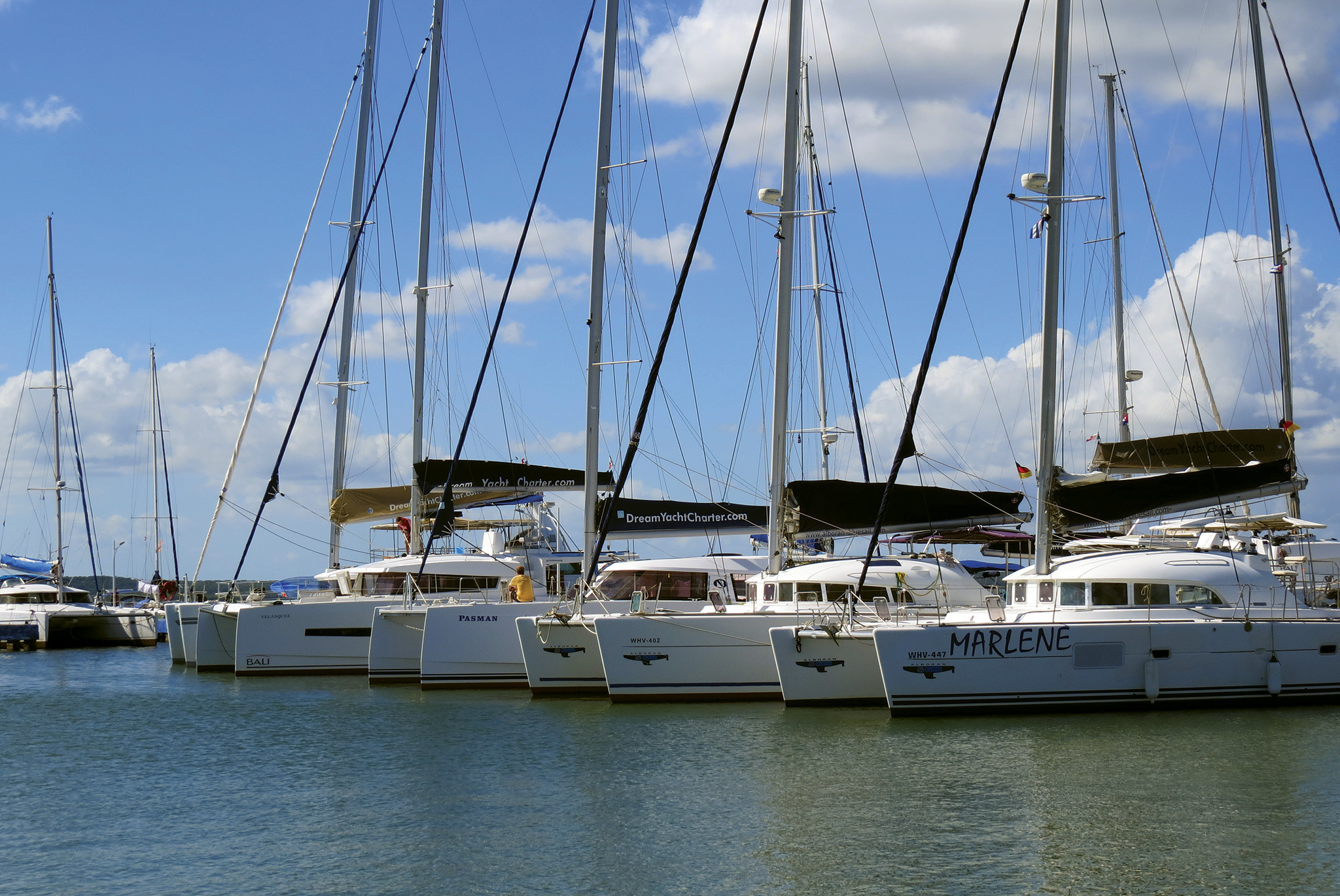
The major charter companies like Moorings, Horizon, Sunsail, Dream Yacht Worldwide, and Navigare Yachting are reputable and easy to work with. Well-established regional companies can be delightful and personal too. For best results do your homework when choosing a partner because going with the wrong bargain outfit will be regretted.
5. Choose the Boat Carefully
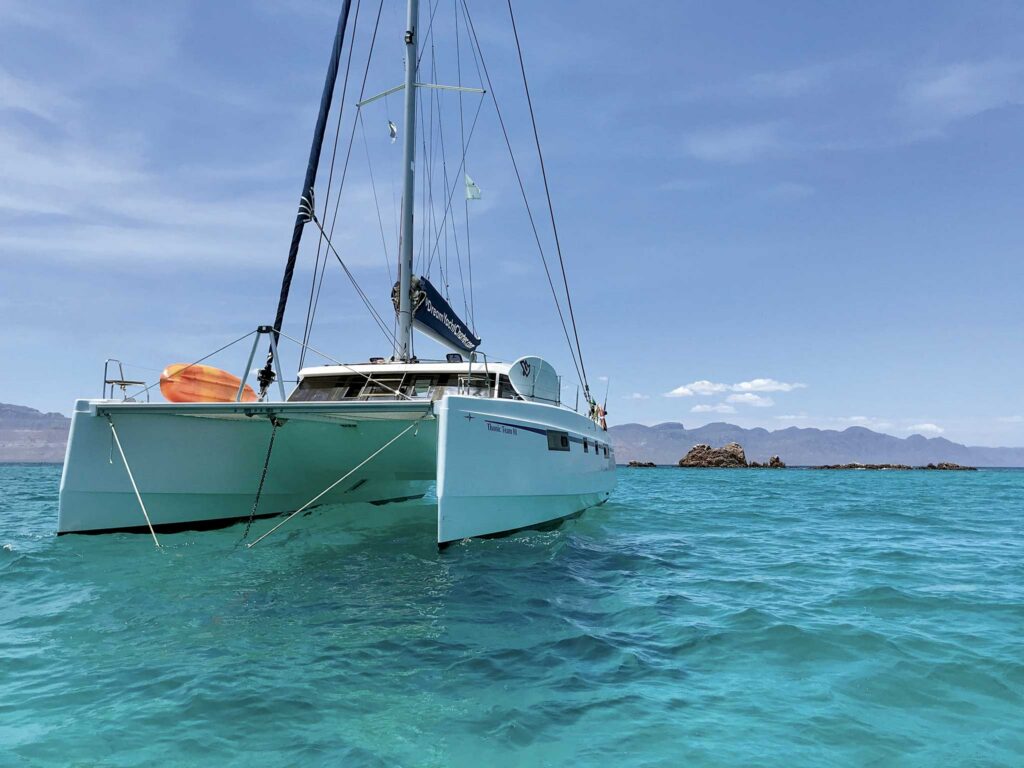
Cheaping out on the boat has ruined many a vacation. Pick your boat carefully. Bigger isn’t better; newer is better. There’s not much more fun to be had on a 48-foot cat than a 42-footer, and charter boats work hard so they’re long in the tooth in just a few seasons. Choose the newest and best-equipped boat you can find, preferably one with a watermaker and a generator because people denied showers or musical ambience get cranky. Catamarans induce less seasickness than monohulls and provide more room and privacy as well as a flatter platform for kids and unsteady older folks.
6. Make Peace with Paperwork
Most companies require a sailing resume (some provide an online form to complete) and a crew list with the names, ages, and passport information of all guests. There are also contracts, insurance waivers, and arrival information details to be submitted. For most European countries you’ll need an ICC or IPC certification for a bareboat (uncrewed) charter. Ask the charter company about the destination requirements so you have enough time to acquire them if necessary. If you don’t take these seriously, you may be assigned a captain when you arrive at your own expense whether you want one or not.
7. Don’t Jam-Pack Your Itinerary
Stuffing a two-week vacation into seven days leads to unhappiness. Humans happen, so the itinerary invariably slows down. Anchorages get crowded and mooring fields get full, the weather turns and shuts you out of a harbor, or some equipment fails so agendas, while useful, aren’t the be-all-end-all. Flexibility and extra time built in lets you pivot and manage stress. Rushing from one snorkel spot to the next bar is the best way to ruin a good time, so pick a destination a day at a maximum, and if possible run a reverse or staggered itinerary from the rest of the fleet so you’re not a part of the charter convoy descending on the same poor locals all at once. For best results, pace yourself.
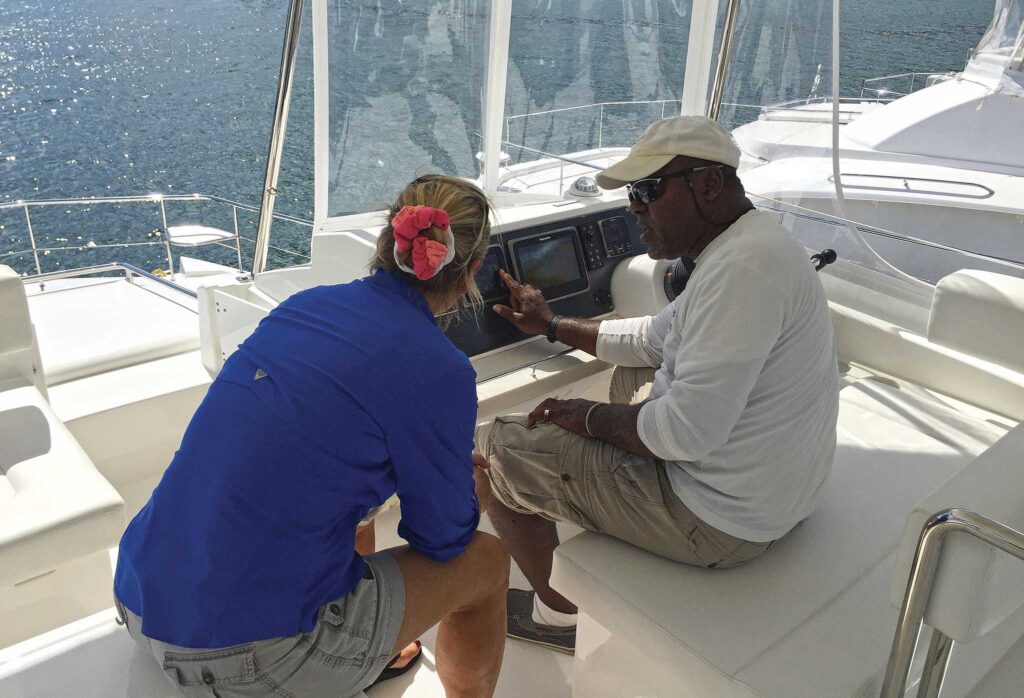
8. Don’t Skip the Briefings
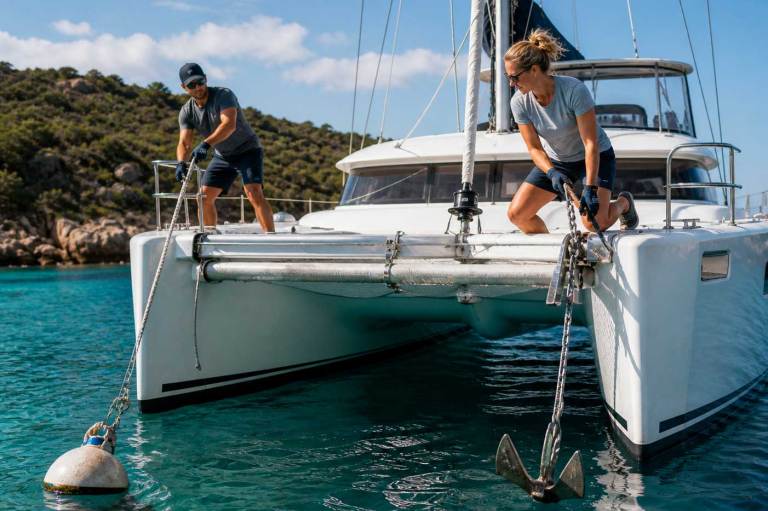
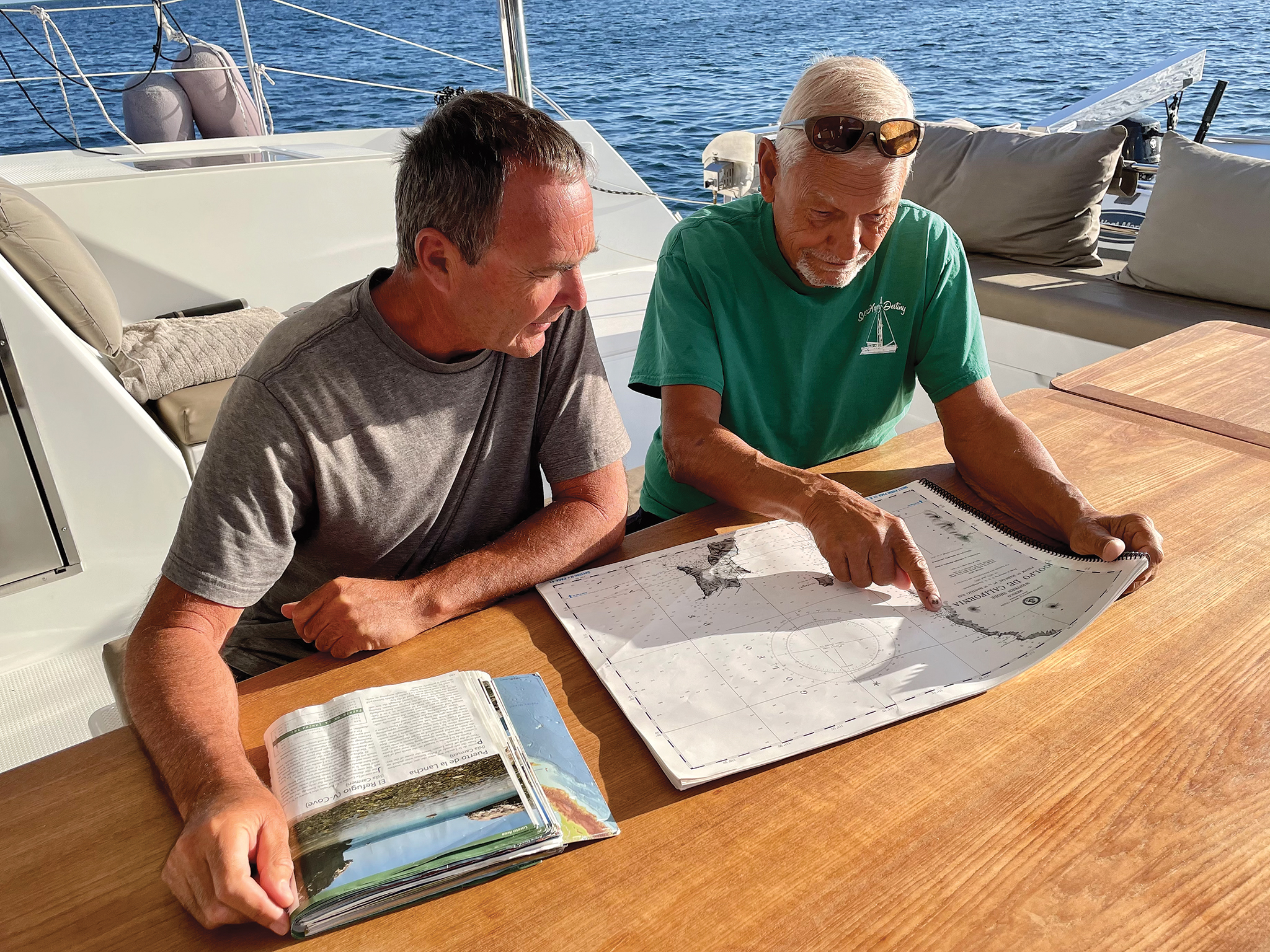
Most charter companies require the captain to watch videos with chart and technical instructions prior to arrival, but these are just an introduction and skipping the on-site briefings is foolhardy. There’s no substitute for local knowledge about shoals, local nav aids and markers, weather, or how to pick up a new kind of mooring. No question is too stupid, so take advantage of the base personnel and their expertise during a chart briefing and ask for insider tips on the best anchorages and good restaurants. They like to share their knowledge. Bring your second-in-command to the tech checkout because there’s a lot to remember and four ears are better than two. Record the briefings by audio or video to refer to later because looking for the tank manifolds when you’re already out of fresh water will cause chaos. No two boats are alike, so ask about the systems on your specific boat including starting the generator, monitoring the batteries, running the watermaker, hoisting the dinghy, and so forth.
9. The First Day is a Test of Patience
The first day is long and doesn’t feel like vacation at all. Persevere and know it will be better soon. Expect to spend at least two hours on the briefings and a lot more time getting the boat and crew organized before untying the dock lines. A 10-hour first day isn’t unusual, and if you start out hung over from the night before, it’ll be extra painful. Check in with the base early and ask where to stow your luggage so it’s safe and out of the sun or rain. Keep your crew busy and away from base personnel who are already stretched thin. Nothing moves faster with nagging. Once allowed aboard, assign tasks while you go to the briefings. Put your crew to work loading luggage and stowing provisions. Ask them to organize the fridge so food can come out quickly without a lot of energy loss. They should unpack and settle their cabins before it’s time to head out. Have a plan for the first night, even if just staying at the dock in the base marina.
10. The Devil’s in the Details
Silly details most people forget can turn into stumbling blocks on the trip. Check the chartplotter before departure to make sure it’s in feet and English. Lift the propane bottle to see how much gas you have. Lay eyes on PFDs, fire extinguishers, the dinghy pump, the boat key, and a bucket. Bring bits of small line with you from home. There’s never enough on a charter boat to tie on a flag or secure the dinghy from flopping around on the davits in a seaway. Don’t over-provision. Food shopping by committee guarantees too much money spent and a boat full of meals you won’t consume. And finally, assume nothing; not your crew’s swimming ability, not the functioning of the outboard, and not your friends’ coordination and balance when getting into and out of a dinghy.
Toast the Sunset
Charter companies suffered during the pandemic but demand is back, so it’s time for your exotic and watery vacation escape. Whether it’s swaying palm trees and tropical beaches or regal castles and ancient history you’re after, a bareboat charter vacation can take you there.
This article was originally published in the April 2026 issue.