The off-season is upon much of the American sailing world, so it’s time to talk about foulies. They don’t last forever and, like everything else on the boat, need to be inspected, maintained, and changed out when they get chafed through, lost overboard, or otherwise aren’t up to the task anymore.
First and foremost, when looking at foul weather gear, you’ll find a host of different rating systems and terminology to describe the performance of the gear. Most big brands have their own trademarked proprietary materials these days, which can make comparison difficult. Let’s start with three terms to understand.

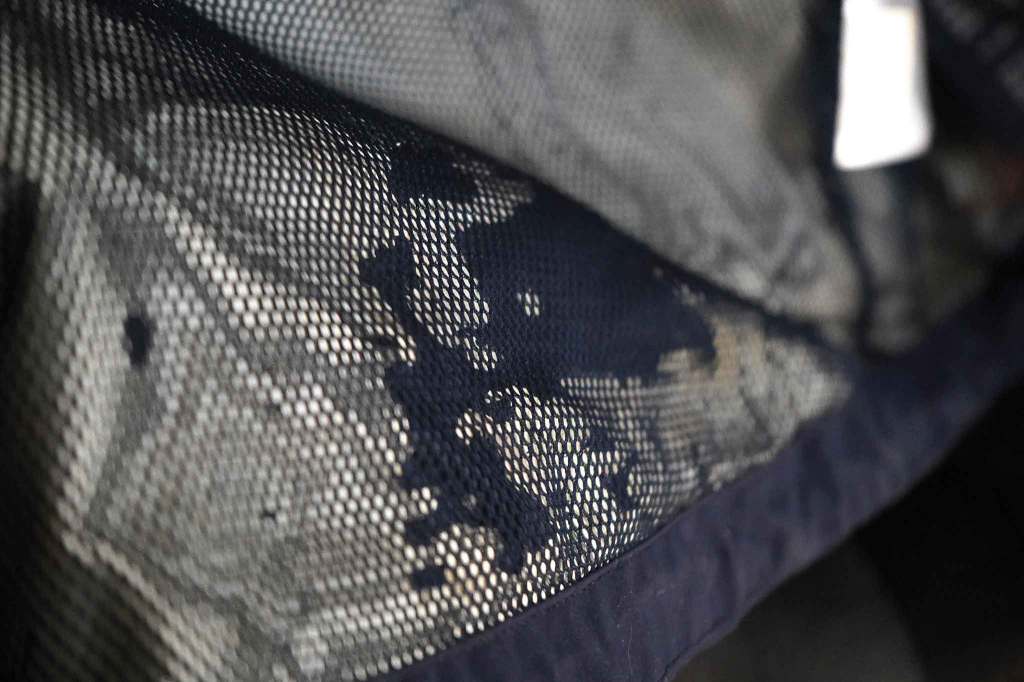
Two Layer Construction: This means that the jacket has the outer fabric attached to a microporous membrane, with a mesh inner layer to protect the fragile membrane from friction. The pores in the membrane are so small that water droplets cannot pass through them, but water vapor can, making them breathable but still waterproof. Typically, a two-layer construction is used for day sailing and coastal gear, but some offshore gear like Helly Hansen’s Skagen line also use a two-layer construction. To tell if a jacket has a two layer construction, look for that mesh inner layer.
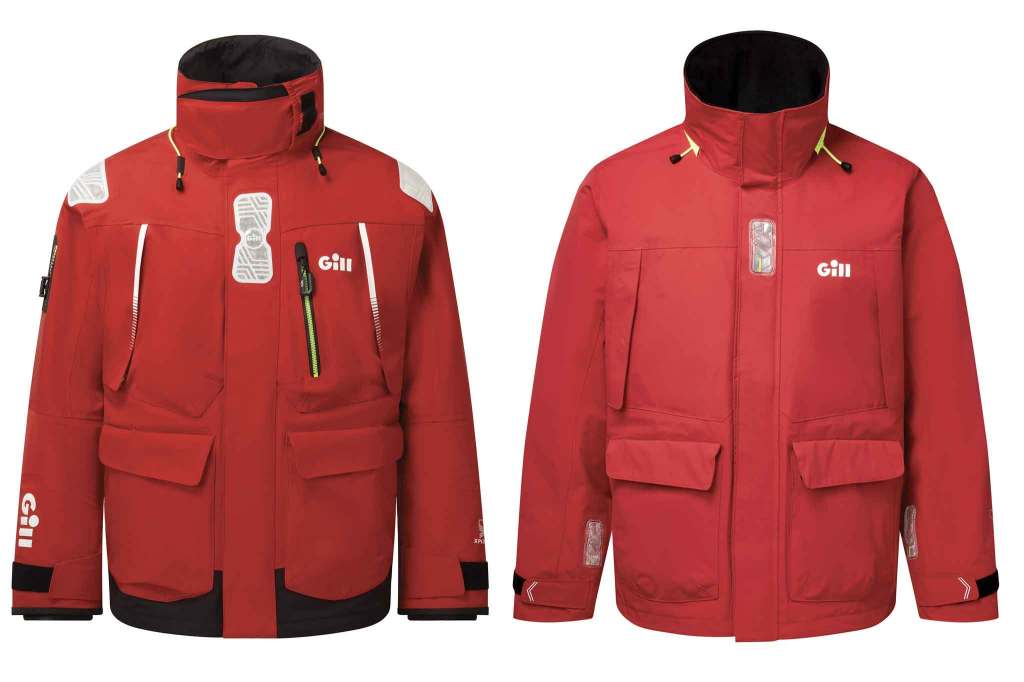
Three Layer Construction: This one can be a bit deceptive because—unlike the two-layer construction with the obvious outer fabric and mesh lining—all the layers of a three layer construction are glued together, and it feels like just one. Three layer construction starts with an outer layer and the microporous membrane like the two layer, but it also has a solid fabric layer on the inside called a scrim, which protects the membrane better than a mesh layer. Three layers tend to be more expensive and more durable than two layer constructions and are found in most offshore gear. Gill’s Xplore+ (used in the OS1 gear) is a three layer construction while their Xplore (used on the OS2 and OS3) is a two layer.
Four Layer Construction: Four layer construction is comparatively new to the scene. This introduces a hydrophilic layer to the usual three layers. Instead of having pores, the hydrophilic coating itself chemically facilitates the transfer of water molecules from warm moist areas to cooler, drier areas. Because this layer doesn’t rely on pores, there is less surface area susceptible to degradation by salt, grit, and other containments. This is expected to extend the lifespan of the gear and maintain a high standard of waterproofing for longer. Of course, with this comes a substantial increase in the price. North Sail’s Offshore collection and Henri Llyod’s Ocean Pro are examples of four layer construction fabrics.
Gear is categorized by purpose, with labels like Offshore, Coastal, Inshore, and Every day. Remember that more expensive and better protection doesn’t necessarily mean more suitable for you. Shop for your needs.
Maintenance
If you don’t want to replace your gear every season, proper maintenance is key. Rinse your kit with fresh water after every sail (I know someone who hops on the dock after a long race and heads straight to the marina shower, foulies still on, but a hose will do just fine).
You can machine wash your outerwear, but use a gentle setting and a mild, non-bio powder detergent. Never use fabric softeners on any foul weather gear. After your rinse or wash, make sure your gear is fully dry before repacking it or else mold, not salt, will be your problem.
Foul weather gear is coated with DWR (Durable Water Repellent). This is what makes water bead up on new gear, but as the coating gets worn, water is allowed to seep into the fabric. Your gear should still remain waterproof thanks to the microporous membrane, but it will feel heavy and clammy. Test your gear by dripping water on it and seeing how it reacts. If it seeps in, it’s time to revive the DWR.
Start by washing your gear in the washing machine, then put it in the dryer according to the care instructions. (If your garment has latex in it, this method isn’t an option.) The DWR reacts to heat, which can reinvigorate its effect on the garment’s fibers. Spray some water on it again after drying to check the results. If the heat hasn’t fixed the DWR, you may need to re-treat it. Granger’s Performance Repel and Nikwax are popular PFAS-free options.
If you get grease stains on your outerwear, try packing them with corn starch and brushing it off. Then use a powder detergent and hot water to treat the remaining marks. For mildew, try using lemon juice and letting it dry in the sun before washing.
Tears and abrasions pretty much mean the end of the line, but in a pinch sail repair tape might keep your gear on life support until the end of the season, and it’s a good opportunity to practice patching. Make sure the area is completely clean and dry before adhering. If the tear is in a high flex area, you will want to replace the patch when the edges start peeling up. It might be tempting to stitch rips, but the holes made by the needle will keep the repair from being waterproof.
Even if you’re maintaining your gear to a T, it won’t last forever. Check the seams and linings on your kit. If the white membrane on a two-layer material is visibly degrading, it’s no longer waterproof and needs to be replaced. These membranes break down over time, so even if you’re not wearing the gear often and you take care of it, it can still reach the end of its lifespan sooner than you expect. Any kit over five years old should be inspected closely.
Also check your boots, and the soles in particular. The rubber will oxidize and harden with time, and they will become very slippery. This process will be sped up if they have been left in the sun. You may be able to lightly score the bottoms (without puncturing them) to get a little extra life out of them in a pinch, but you’ll need new ones.

The Shopping List:
If you’re planning to do the same kind of sailing next year that you did last year, you already know what you need and can skip the rest of this article (or forward it on to any new teammates who could use some guidance). If you’re setting off on a new adventure, here’s what to expect.
Offshore Kit
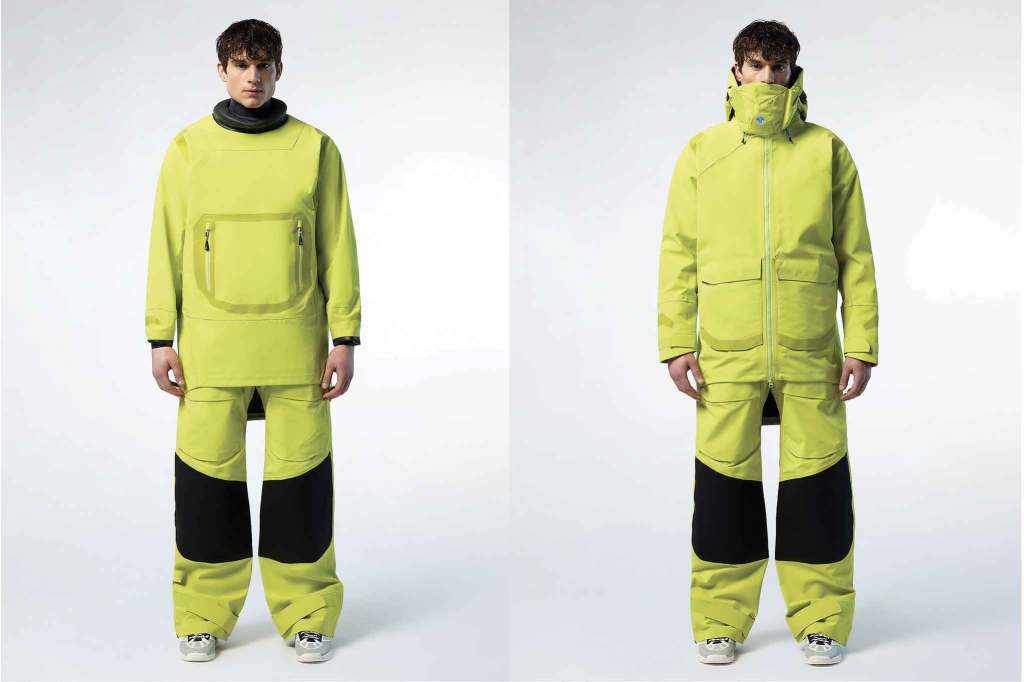
Offshore jackets will tend to be large but not necessarily bulky, usually unlined except in the collar. Because of this, be sure you get a big enough jacket to account for the maximum base layer volume you’d want to wear under it. This might mean going up a size. They will have a high collar to protect your face from spray, usually all the way up to the eyes. High vis patches and a bright yellow spray hood are pretty much universal. Oftentimes these jackets will come in at least one ostentatious color option. It may be a bit of an eyesore, but in the event that you go overboard and need to be spotted from a distance, you’d much rather be wearing orange than black. Remember that foul weather gear is, first and foremost, safety gear. It’s up to you to make your own risk assessments, just bear in mind that the color choice could be more than a fashion statement, especially for higher MOB risk crewmembers, like children or those with balance challenges.
If you’re on the bow or expect to be sailing a very wet boat, you may also want to have a smock. They are generally less comfortable than a normal jacket, but the gaskets around the neck and cuffs will keep you drier.

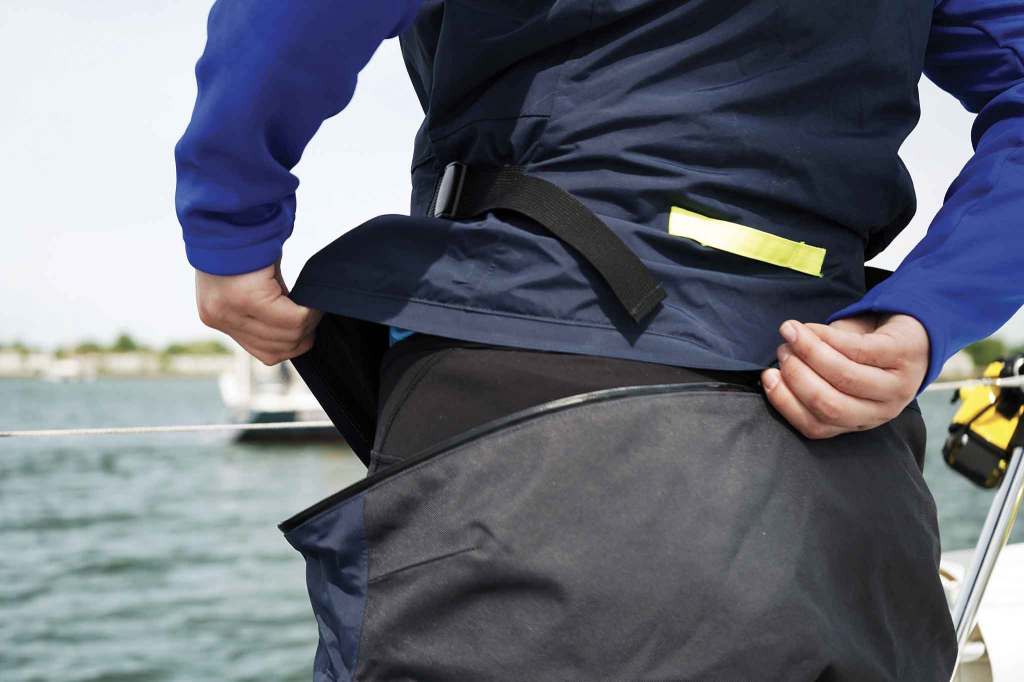
You have a few options when it comes to pants: bibs, salopettes, and trousers. Trousers are just like regular pants but waterproof and offer the least weather protection. Bibs and salopettes are both good options if you expect to be getting doused, as they keep water out all the way up to chest level. The trade off is that they take up more space when packing and can make bathroom breaks more challenging. Women’s bibs often will have a drop seat or zipper across the lower back to help with this. Though the drop seat is very popular, more zippers do introduce more potential failure points, and they can start to leak as the gear ages. Know your habits. If you typically stand your whole watch without needing a break to hit the head, the drop seat may be a moot point.
For shoes, you’ll want either boots, a pair of sailing sneakers or both. If you’re expecting rough passages, colder climes, or to be sailing a very wet boat, tall boots are a good option. Otherwise ankle boots are generally sufficient.
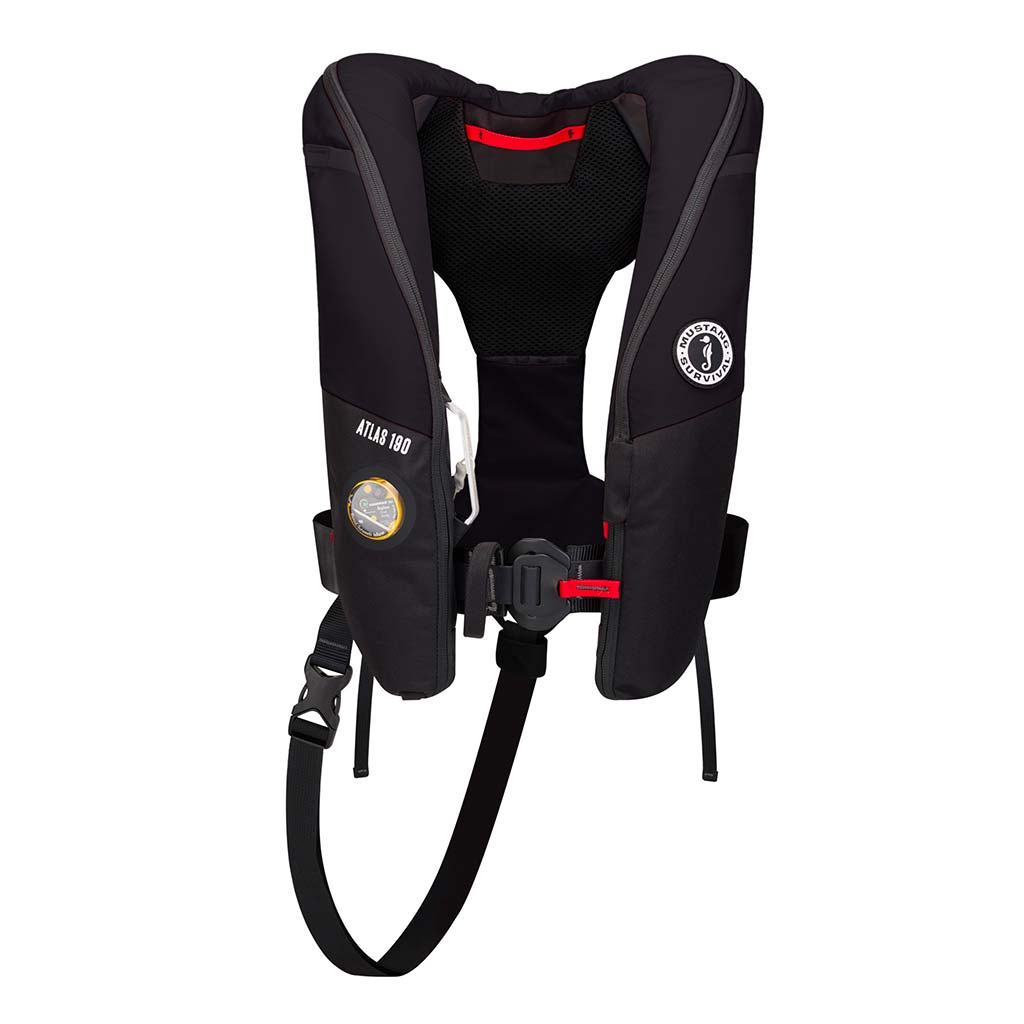
Offshore life jackets could be their own article, so all I’ll say is get one rated for the kind of sailing you’re dong plus all the necessary accessories (MOB alarm, tether, crotch straps if not included, et cetera). Most offshore races and sailing programs have their own requirements or gear recommendations. Visit sailmagazine.com for Contributing Editor Christopher Birch’s full break down of the accessories (What’s in Your Life Vest, June/July 2023).
You’re also going to want a headlamp, rigging knife, and sailing gloves. If I’m going to be sailing overnight, I also bring thicker gloves or mittens for driving and watch standing on cold nights. Also bring a warm hat for overnight and a baseball cap for daytime. I also like to have designated sleep socks. Get ones that are too fat to fit in your boots so you’ll never be tempted to take them outside and get them wet. You’ll be glad for something warm and dry when you’re coming off watch. If you’re headed somewhere squally, a pair of ski goggles can be nice for driving in the rain, as they won’t fog up like regular swimming goggles.
If this sounds like a lot, that’s because it is. Oftentimes newbie racers can borrow what they don’t have for their first offshore season. Ask your prospective crewmates about what they actually use for the specific passages you’re doing, and make sure you actually like being offshore before you shell out thousands of dollars.
Inshore/Keelboat Kit
The list gets a lot shorter if you’re only going to be out during daylight hours and you can pack each morning for the day’s weather.
Even if you’re not headed out for days at a time, you’re still going to want layers. Opt for durable clothing in sweat-wicking fabrics (avoid cotton as it doesn’t dry quickly and is cold when wet). It’s also a good idea to have a sailing jacket and maybe even a pair of bibs if you’re sailing in the shoulder seasons or in bad weather.
You’ll also want a USCG approved life jacket. An inflatable rated for coastal use is the standard on bigger boats and will be cheaper than an offshore inflatable. They’ve become surprisingly low profile in recent years. A Type III life jacket is also an acceptable option, though they’re bulkier. As the saying goes, the right life jacket is the one you’ll actually wear. Ask your crewmates what they use and confirm that the boat doesn’t provide them before buying.
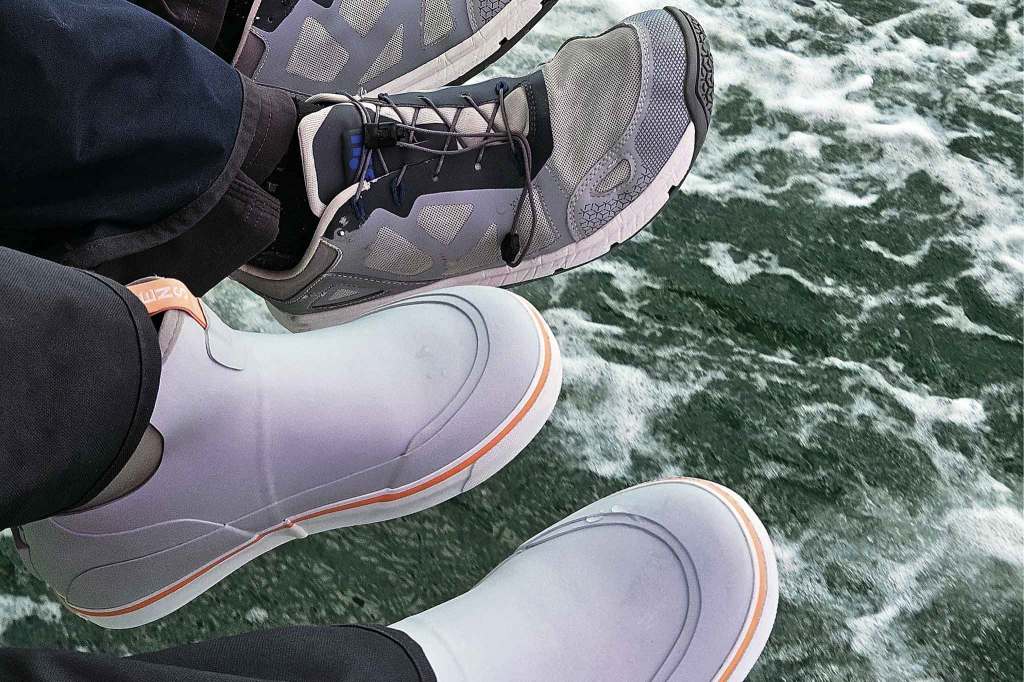
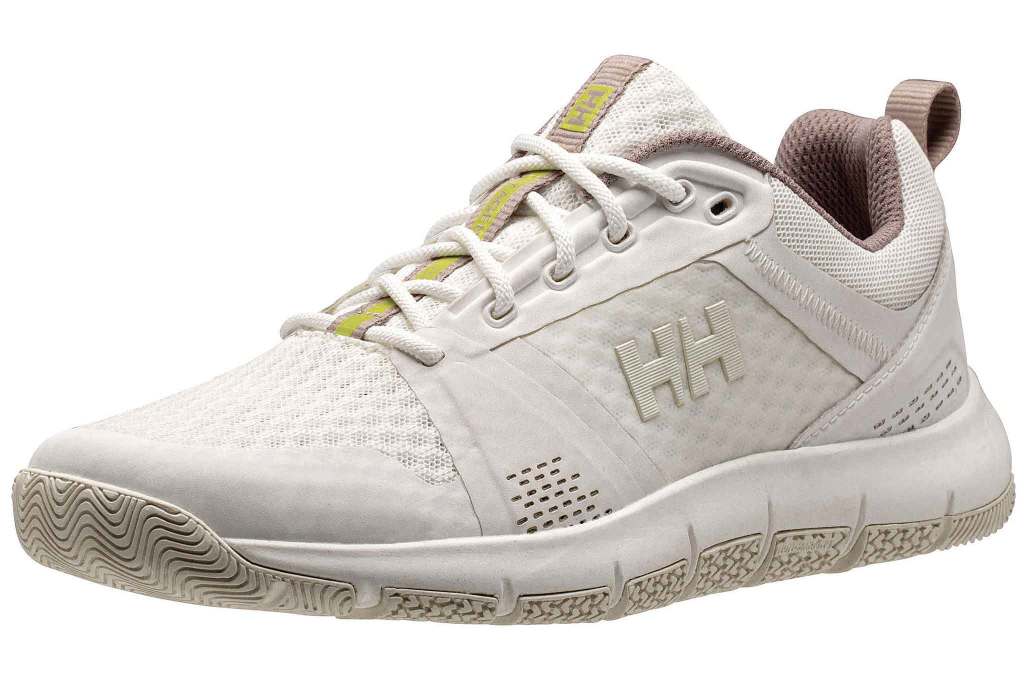
There are myriad options for sailing shoes that will be suitable, but ankle boots or sailing sneakers would be my recommendation. The former offers warm and dry feet with the slight trade offs somewhat reduced dexterity and breathability. (Grundens and Xtratuf both make popular versions.) The latter risks wet feet, but incorporated mesh ensures quick drying as long as you have the right socks, and they’re very comfortable (I’ve worn and liked Helly Hansen’s F-1s). Anecdotally, I’ve worn through pairs of either in a few seasons, but my boots have tended to outlast my sneakers. Avoid regular padded sneakers as they will not dry well and will smell. Lace up flat canvas sneakers may also work, but you’ll need to make sure they have non-marking soles.
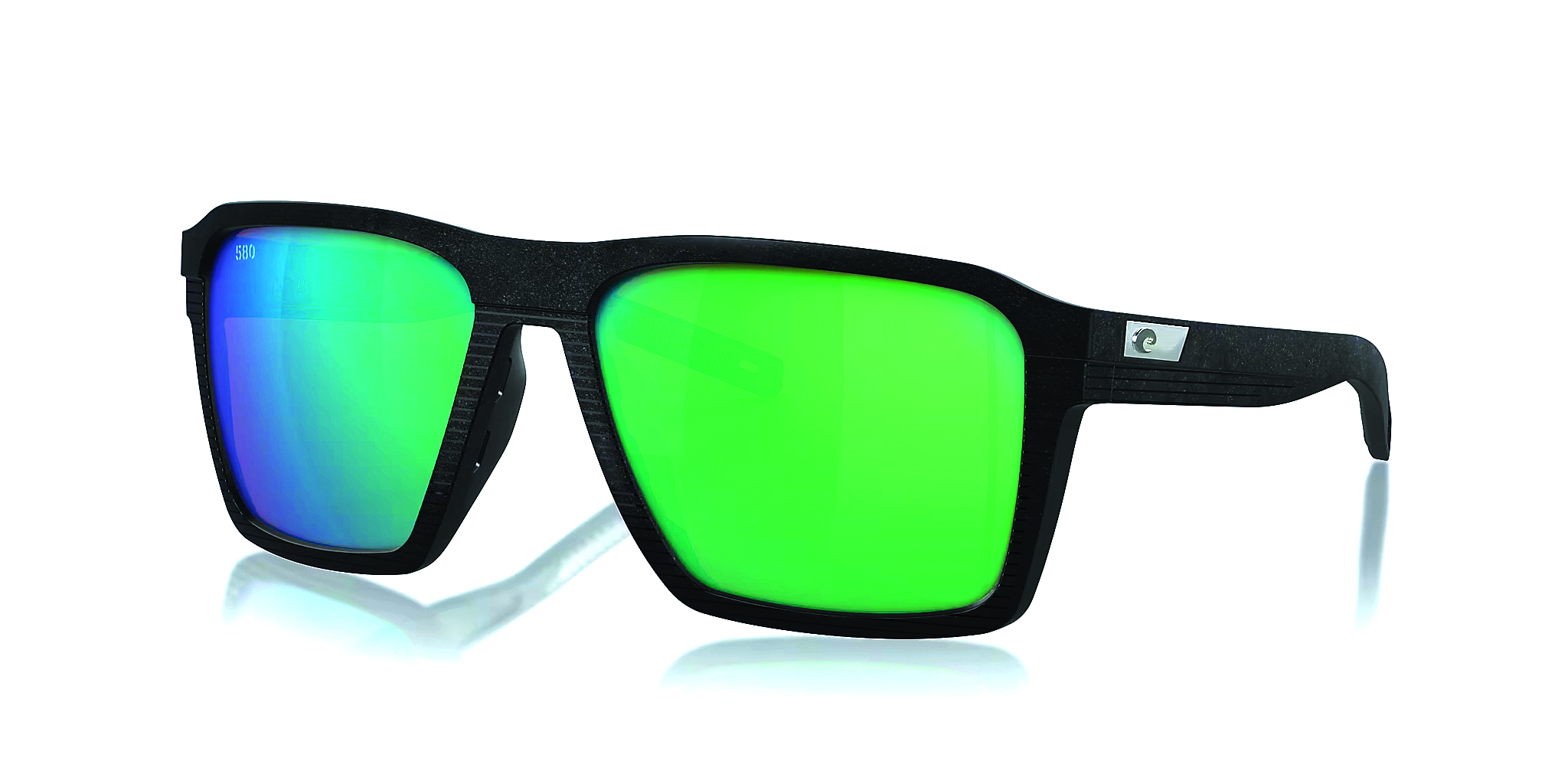
You’ll also want the usual array of sun safety gear (hat, sunglasses, sunblock, a buff if you prefer) and accessories (rigging knife, sailing gloves).
Youth and Dinghy Sailing Kit
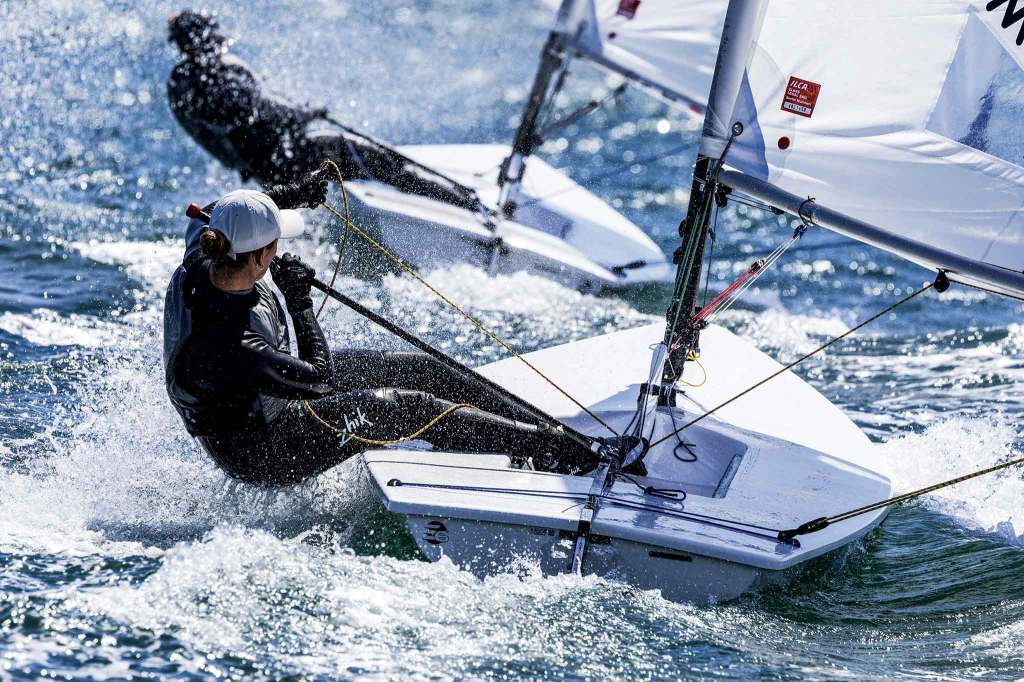
If your kid is about to join the wonderful world of sailing, their youth program probably has a gear list, but the fundamentals will be a life jacket, closed-toed shoes, and sun protection. For life jackets, choose a Type III inherently buoyant, USCG approved option. Inflatables are not suitable for young sailors who are likely to be swimming—either accidentally or on purpose—several times per season. Some programs do not allow Crocs and the like, while others do. Water shoes are a fairly safe bet as are any sailing sneaker, but ask if you’re unsure. Youth sailors who’ve graduated to a ILCA, C420, or similar will also want to add sailing gloves to the list.
Adults sailing dinghies will want a similar selection of gear, with the addition of a smock, wet suit or even drysuit if your season extends into colder months. Frostbiters will need to add boots, base layers, and a hat to the list. Neoprene socks are popular. Latex or nitrile gloves under a more substantial pair of gloves are a common option for keeping hands dry. Ask your fleetmates for their opinions. A Rhodes 19 and an ILCA are two totally different frostbiting experiences.
And no matter what you’re sailing, remember that it’s always a little colder out there than you’re expecting from the dock.
TLDR: Offshore Kit List
- Offshore jacket
- Offshore pants
- Sailing boots
- Offshore life jacket
- Tether
- PLB
- Headlamp
- Rigging knife
- Waterproof gloves or mittens
- Hats (warmth/sun protection)
- Sunglasses with strap
- Sunblock
- Base layers
TLDR: Keelboat Kit List
- Coastal jacket, spray pants optional
- Grippy shoes
- Sailing gloves
- Clothes you can move and sweat in
- USCG approved life jacket
- Hat for sun protection
- Sunglasses with strap
- Sunblock
TLDR: Youth and Dinghy Sailing Kit List
- USCG approved Type III life jacket
- Closed-toed shoes
- Sailing gloves (optional)
- Hat for sun protection
- Sunglasses with strap
- Sunblock
This article was originally published in the November 2026 issue.