In GORI Senior Vice President Lars Østergaard’s words…
The fact that GORI has only had a few additions to the product lineup in 50 years belies how much change the sailing world has undergone in that time. Can you talk a little bit about innovation over the years?
In 1975, a 30-foot boat was a big boat. Today the average is more 40 to 45 feet. Bigger boats require bigger engines, and bigger engines require bigger propellers. There is a limit to how big a two blade can be, limited to space, so to have enough blade area to put the horsepower to the water, three blade folding propellers were introduced, and later four blades.
When the first folding propeller was introduced—I believe it was the American made Martec—the main focus at that time was low drag, not so much efficiency under power, this became more relevant later. And as it became a priority through the 70s and 80s, many new ideas and products came along, among others the first folding propeller with geared synchronized blades, Menkematic, which shortly after became GORI Propeller.
Today, there are several brands of folding propellers on the global market, but GORI Propeller was the pioneer, and we still consider ourselves as being number one, both in regard to quality and performance, with worldwide sales, service, and support.
Have you seen the sailor’s ethos evolve over the years?
It has definitely changed, not just for GORI. I sold boats in the 80s, and then a 30-foot boat would have a 13hp engine, because it was only used to get in and out of the harbor. On a 30-foot boat today, you have either 25 or 30hp engine because people don’t want to go upwind or they look at their watch and they have an appointment at 4:00, and it’s sails down, engine on, in.
When we started out, people came to their boats and said, “well, I’m not interested in racing, I can get along with my fixed propeller.” People thought that with a folding propeller, you could not maneuver because it has poor reverse efficiency. That’s correct, but it’s also not correct. The only thing keeping the blades open in reverse is centrifugal force. That means you need a lot of rpm. If you want to go in reverse, you can go slowly with a fixed propeller, but with a folding, you need to start out with full rpm to get out to diameter, then you can slow down. But a fixed propeller is like dragging a bucket behind the boat, you see it affect the knotmeter right away. It’s no comparison when you test the speed.
Today’s cruising sailors, instead of buying new boats, are updating existing boats. And everybody knows when you’ve been out sailing and you see someone going past, you start trimming. We see more and more interest in folding because people want to have performance. In the past it was just racing sailors, fast sailors, who wanted folding props, but now you see it in cruising too. A manufacturer like Halberg Rassy making bluewater boats, all of them have GORI propellers. So the mindset has definitely changed.
What do you foresee for the sport’s next 50 years?
In the early 70s, many small yards started to build sailboats with a new material called “fiberglass.” Before that, it was all wood. With the new era, design and performance also became more relevant. A lot has happened since then, and the development seems to continue. Who had foreseen a foiling monohull, like the last generation of the Americas Cup boats? Look at wing sails compared to regular sails. Look at foiling boats compared to non-foiling. Nobody can predict what’s next. I guess only the sky sets the limit.
1975
GILL
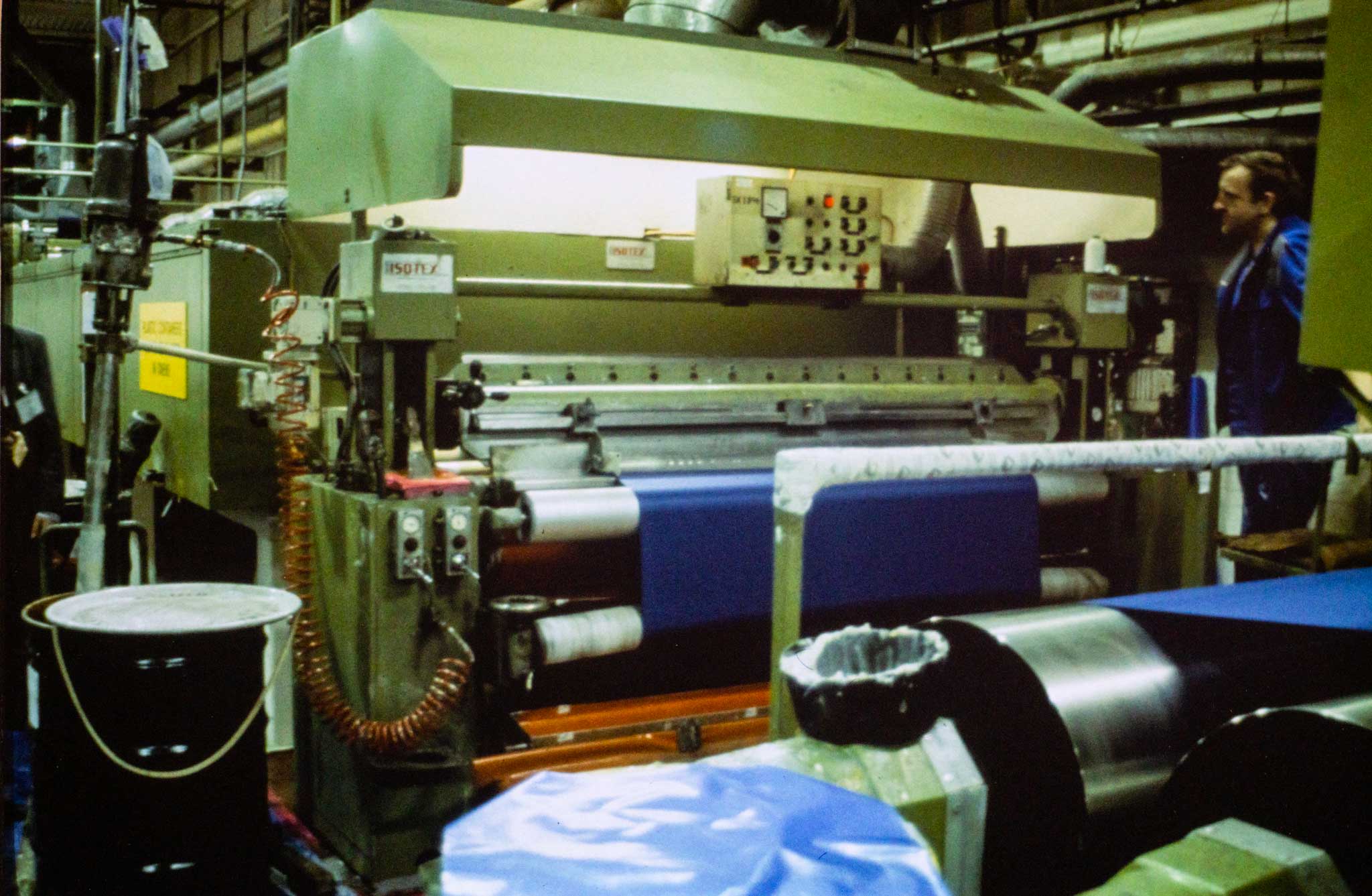
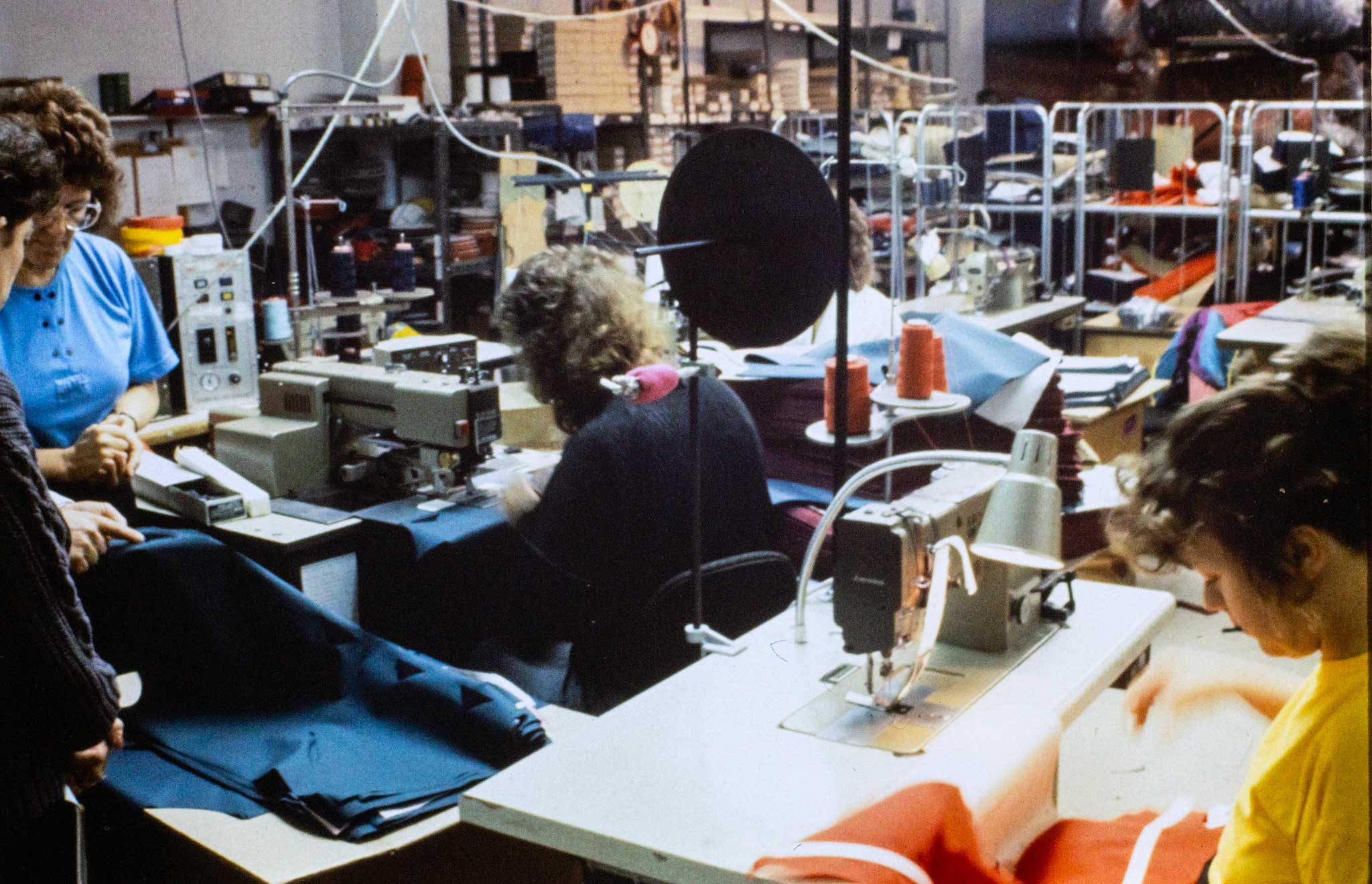
1975: Nick Gill launches the company from a spare corner in his father’s lace factory. As a dinghy sailor, he found the options for technical clothing lacking and decided to try his hand at making something better.

1975
GORI
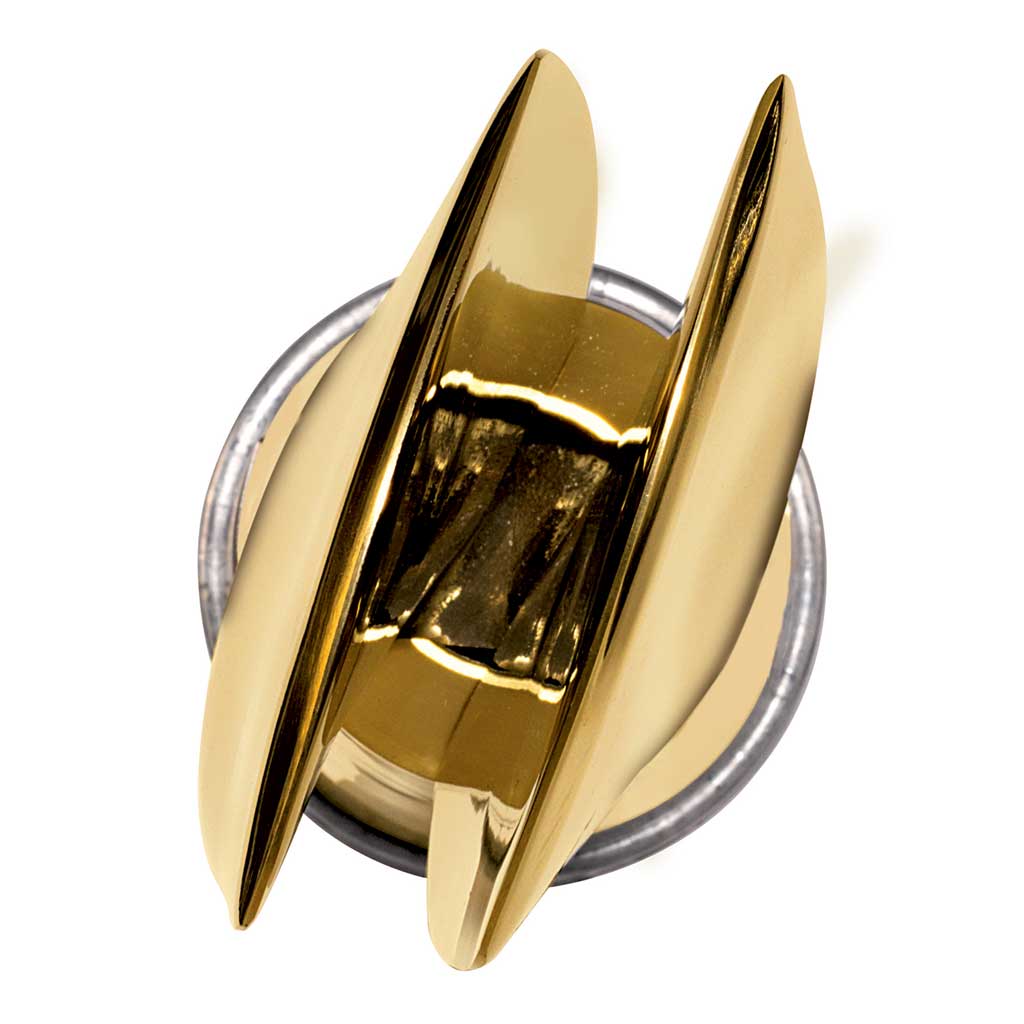
1975: Nils Oluf Ehrenskjold, the founder of GORI brings together Menkematic props (the first folding propeller with geared synchronized blades) and David Lewis, a well known TV and Radio designer, to launch the GORI 2 Blade Folding Prop. In 1976 the prop received the industrial design award ID Prisen. The same model is still available and competitively efficient today.
1980
GILL
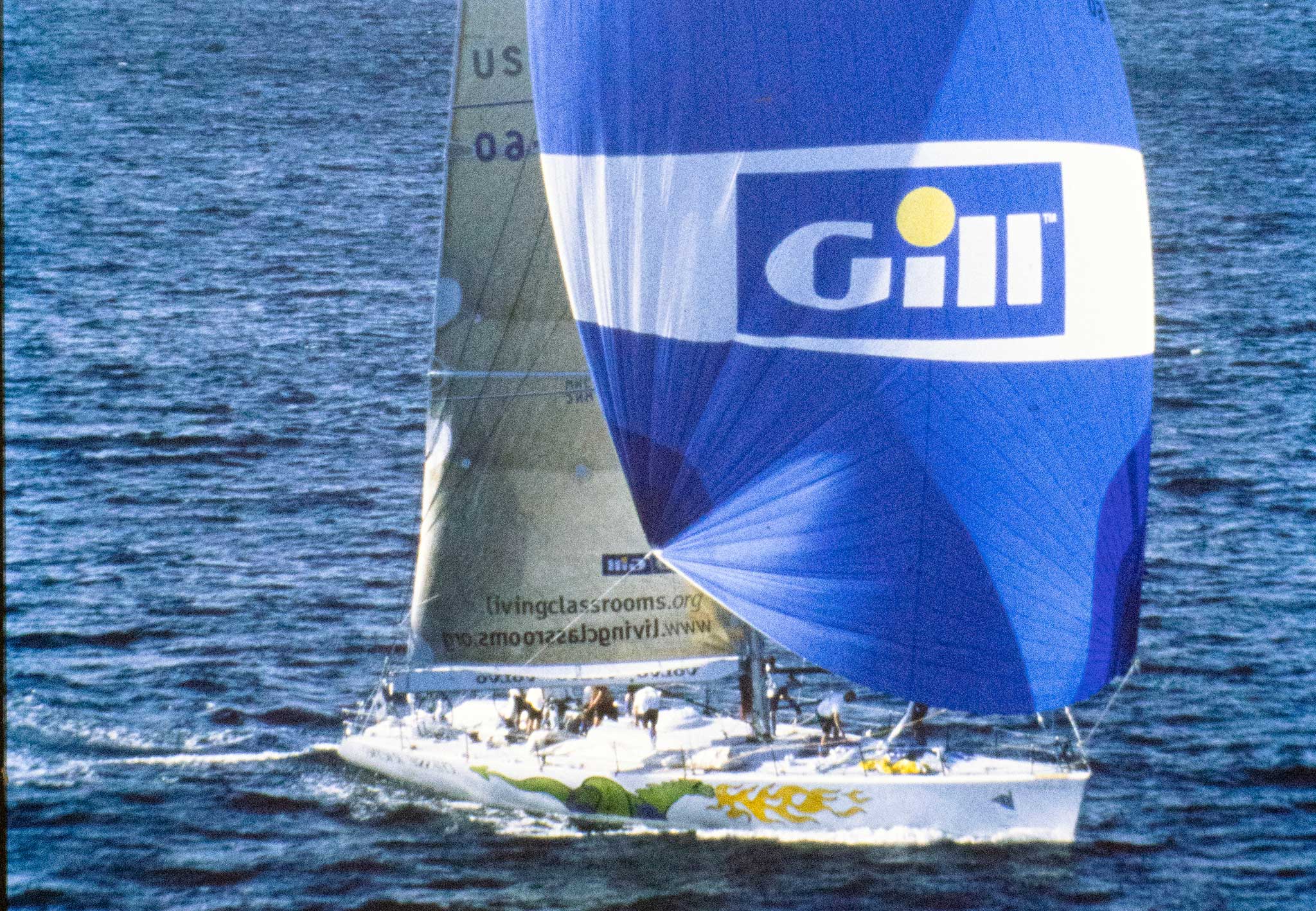
1980: Quickly gaining traction, Gill designs the kit for Lionheart, Britain’s return to the America’s Cup after a 15-year hiatus.
1988
GORI
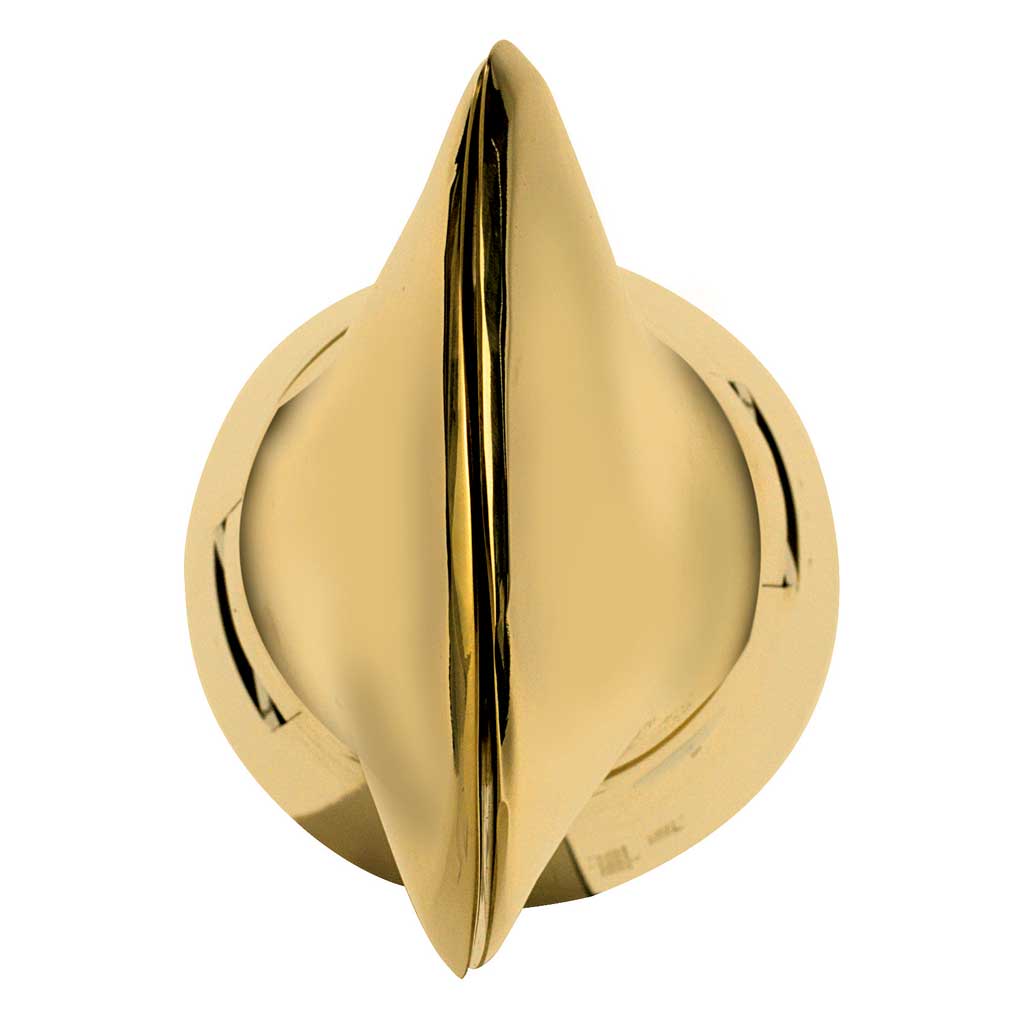
1988: Saildrive manufacturer Sillette Sonic aproached Gori about designing a prop with the least drag possible for the offshore racing market. The 2 blade GORI Racing Propeller is born. It has since become the propeller of choice in high performance fleets like IMOCA 60s, VO 65s, and Ultims as well as several one-design fleets.
1989
GILL
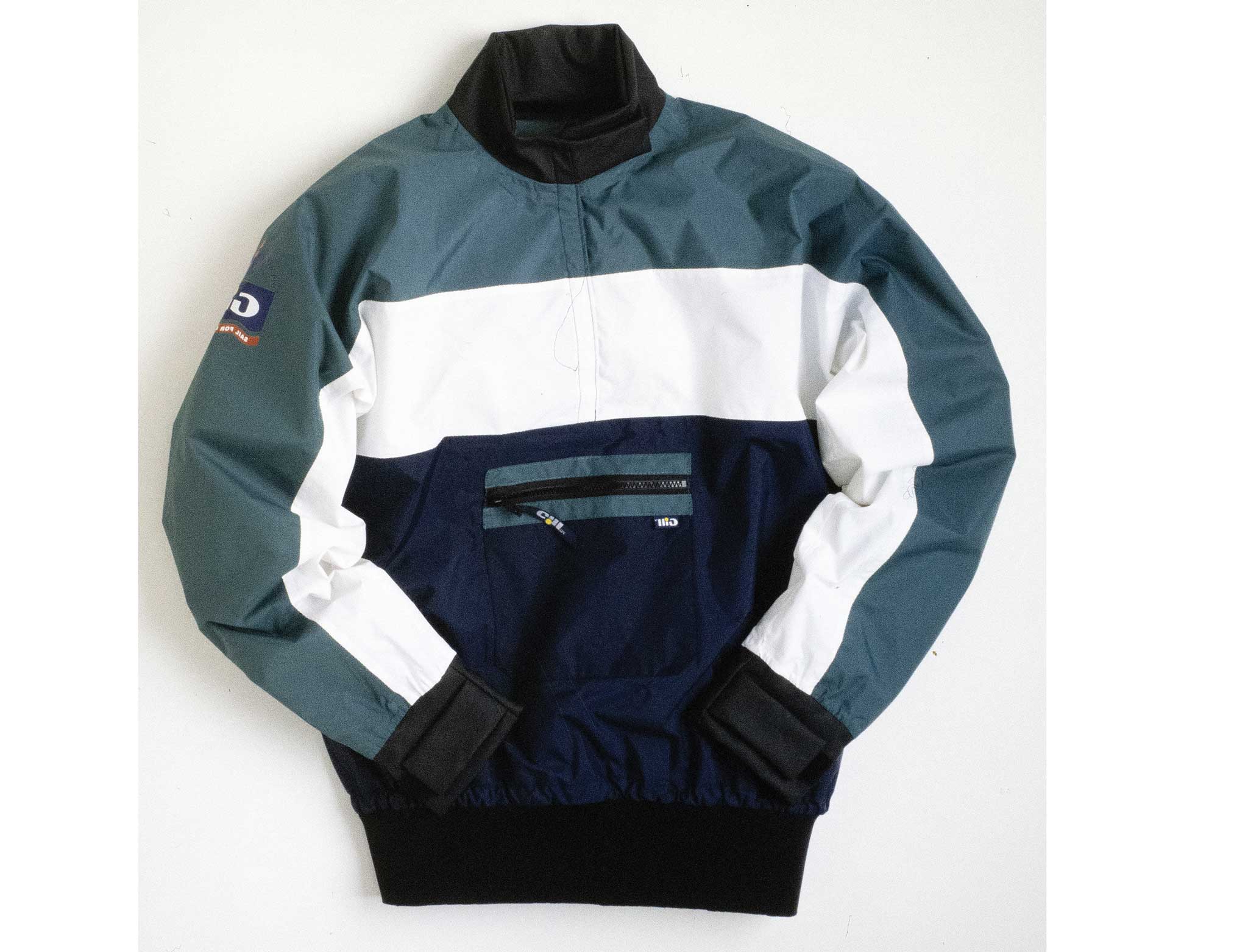
1989: Gill introduces the world’s first two-piece dinghy suit, which rapidly became a bestseller for the brand.
1994
GORI
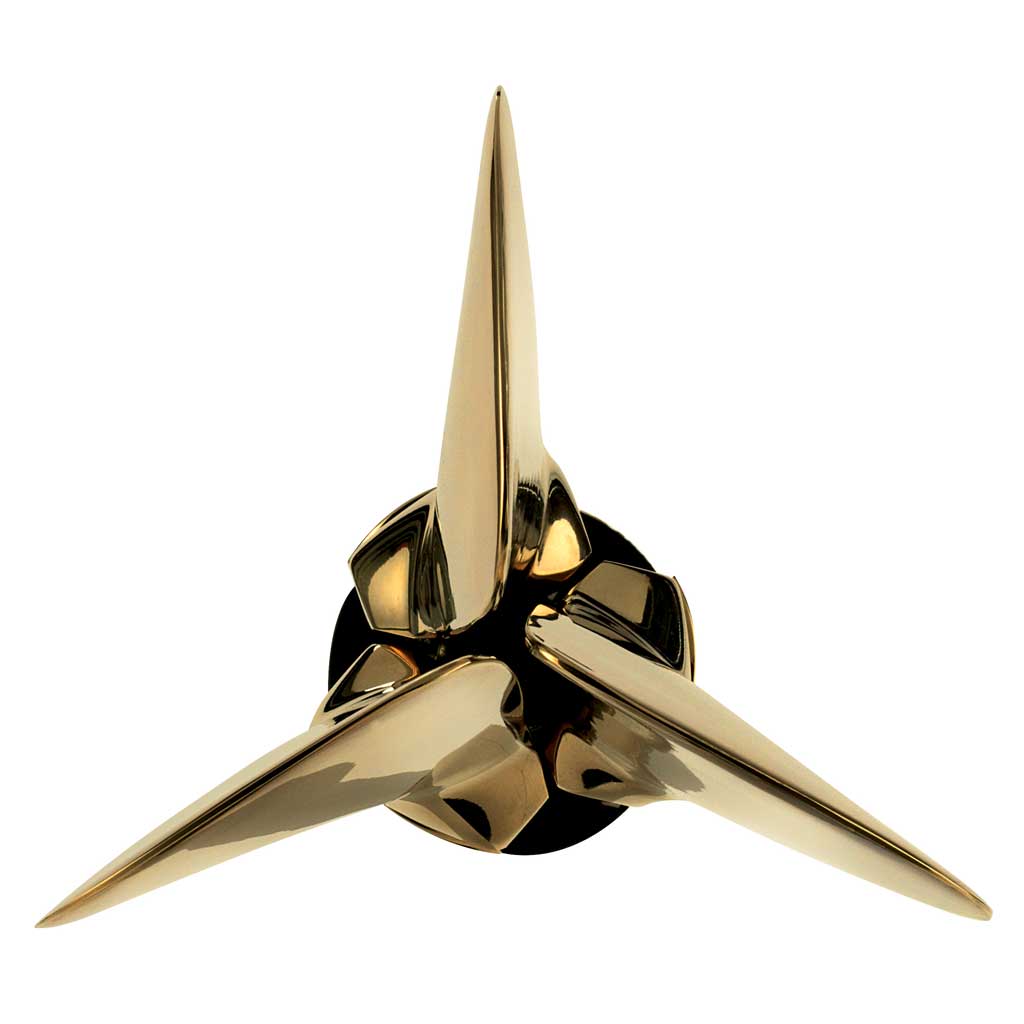
1994: The 3 Blade Gori Folding Overdrive Propeller was introduced and won both the DAME award and HISWA award the same year as the best new marine product. This prop adds a “fifth gear” option for more efficient motoring.
1994
GILL
1994: Gill wins the contract to be the British Olympic Sailing Team’s gear partner, solidifying their reputation in the industry and affirming the importance of comfort and agility in foulies.
1997
GORI
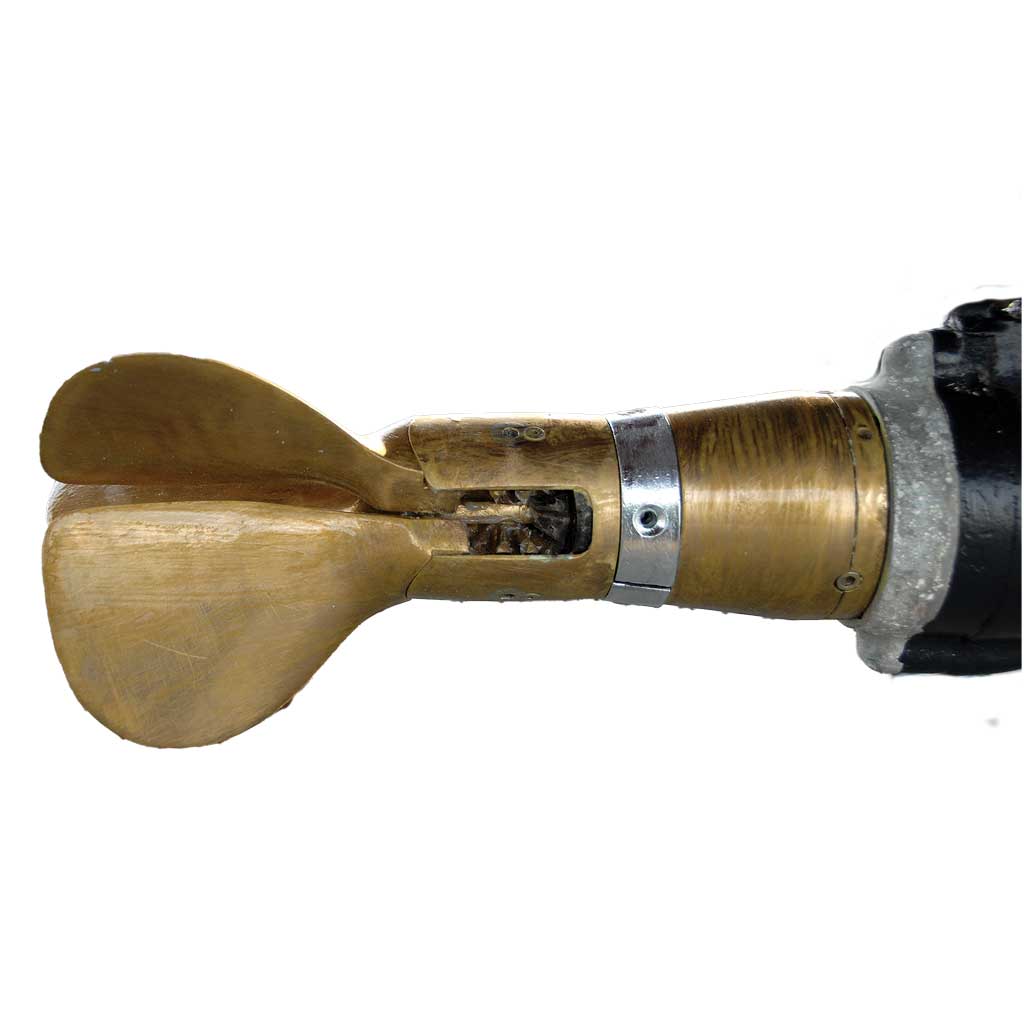
1997: GORI Propeller A/S is acquired by Steel Team A/S.
2000
GILL
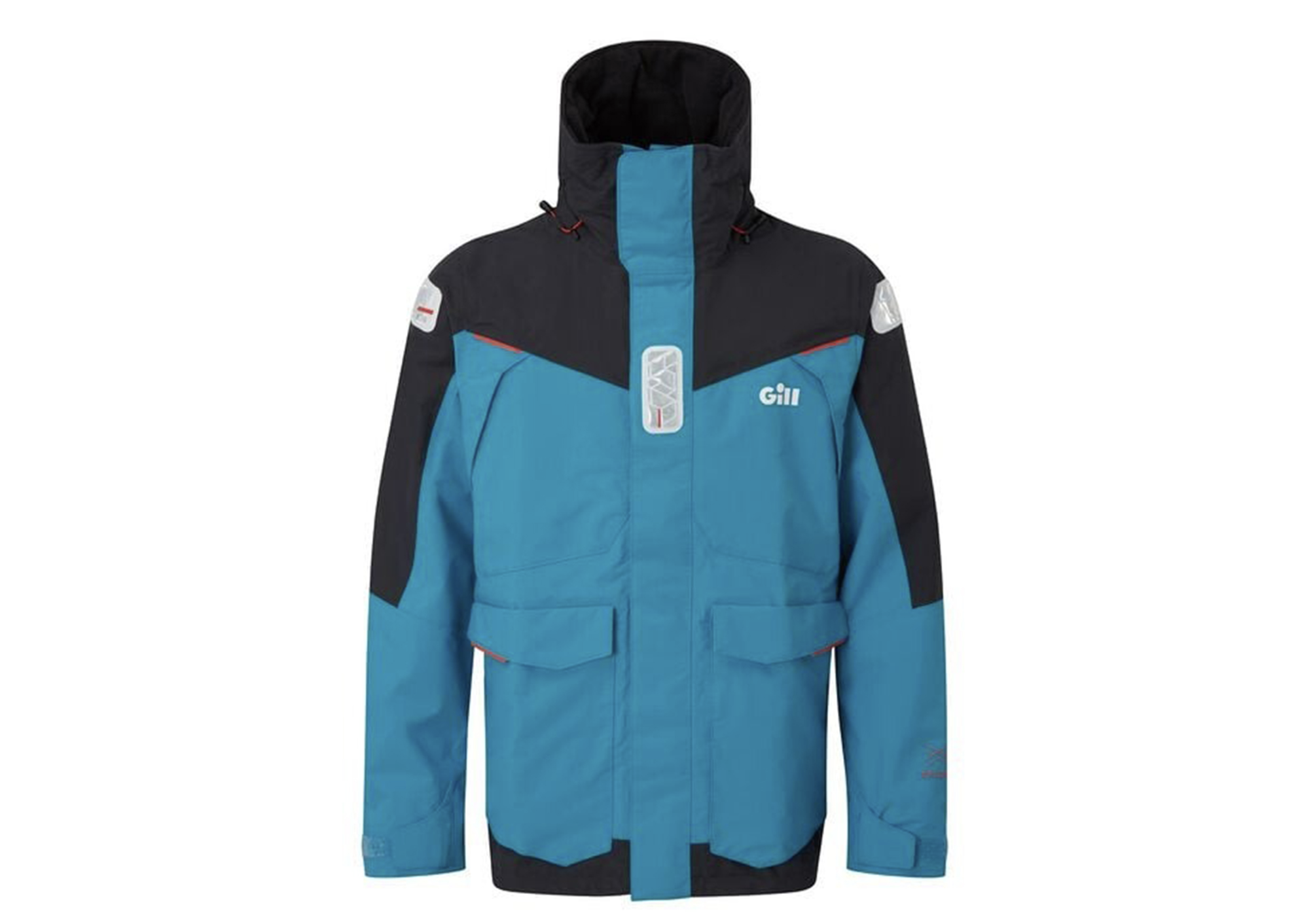
2000: Having long since expanded from their roots specializing in dinghy gear, Gill launches the “Key West” jacket, which since been renamed the OS2 and remains a staple in their line to this day.
2001
GILL
2001: Gill shifts focus from the Olympics to offshore sailing, outfitting Illbruck, the 2001 winning Volvo Ocean Race team. Born from the partnership was Gill’s 3-layer fabric system, an innovation still seen in their products today.
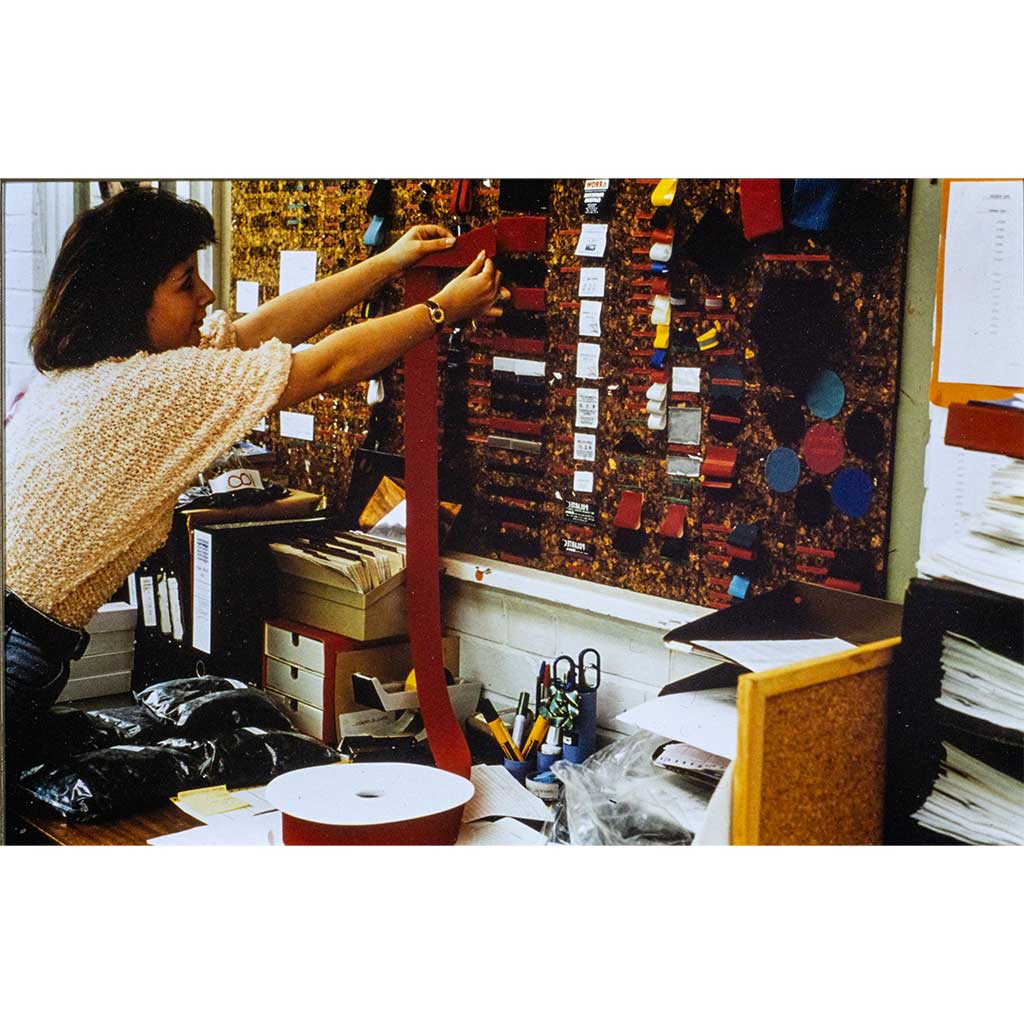
In the words of Gill founder Nick Gill….
Of all the innovations and milestones over the years, what do you consider the most significant changes for the brand?
Most of the surprises over the years have come in the form of fabric technology. In the 70’s and 80’s people kept warm with wool sweaters that absorbed a lot of moisture and were not comfortable when wet. The advent of fleece fabrics brought a whole new way of keeping warm. Before fleece, Gill sold a wide range of oiled wool sweaters including some Guernsey style sweaters. I would say today, they are more of a relic of a bygone era.
On the other hand, quick drying fabrics that alleviate the need for cotton opened a whole new market for Gill, with quick drying shorts and shirts and UV resistant fabrics with SPF protection. One friend of mine sailed across the Pacific twenty years ago and said he watched his cotton shorts disintegrate in the sun by the time he reached New Zealand. That would not happen today.
When Gill began, [foul weather gear] fabrics were heavy and not particularly comfortable, predominately PVC or neoprene-coated fabrics. They were quite stiff, did not breathe, and were not easy to make waterproof. PVC fabrics had to be welded, and neoprene and polyurethane-coated fabrics were hand-taped or proofed, which was time consuming and prone to problems. Gill had one of the first hot air taping machines in the UK, and that led to a whole new way of manufacturing. We were able to experiment in a small way and test before committing to production.
As for milestones, one particularly significant one for the brand was leaving our UK shores looking for new markets. In some way SAIL magazine played a part in this because in 1984 they sponsored a two-day conference with the British Marine Federation on the American market. I signed up for it and was transfixed about the opportunities ahead. By the time I left, I had signed up for a stand at IMTEC trade show in Chicago. It took time and considerable effort, but by sticking to it, North America became a very significant market for Gill.
What kind of evolution have you seen in the sport over the past five decades? Are you designing for the same priorities?
In some ways today’s sailor is very similar to the sailor we were designing for at the beginning. They are still enthusiasts about the sport and love being on the water. They still fit into categories of being a dinghy sailor, cruising sailor, or racer. But the boats have changed—they are more powerful, faster, and in some ways wetter but in other ways, particularly for the cruising sailor, not.
We furl our sails away when the wind gets up instead of hooking on and heading to the foredeck, lowering one sail and hanking on another, and getting very wet in the process. We can now reef our mainsails from the cockpit. I find I am wearing the full waterproof suit less today than I would have done twenty or thirty years ago. That being said, the garments are so much more comfortable to wear now that I often find I’m mix-and-matching the various elements more—and never leave the dock without my OS kit.
What do you think the next 50 years hold for the sport? What gear innovations might we see by the time Gill is celebrating its 100th birthday?
Let’s consider what the boats were like 50 years ago compared with today. In the Olympics, traditional dinghies such as the Flying Dutchman and Tempest have gone and been replaced with foiling catamarans. I would not have imagined that in my wildest dreams when I started out. Americas Cup boats have gone from sedate 12 Metres to the 50mph racing machine of today. Everything is quicker and lighter, and I think the search will continue for lighter and stronger clothing.
Innovation will probably occur with smart fabrics that can radiate heat when it is cold and ventilate when it is too warm. I would imagine some form of solar energy could be included to provide heat and light. Today, it requires battery packs (something the Gill team is working on), but I am sure innovation will lead to lighter, more efficient power sources. We also could see garments that can provide buoyancy when immersed in the sea without being bulky and heavy, and possibly a hood or collar that would light up in water at night.
2006
GILL
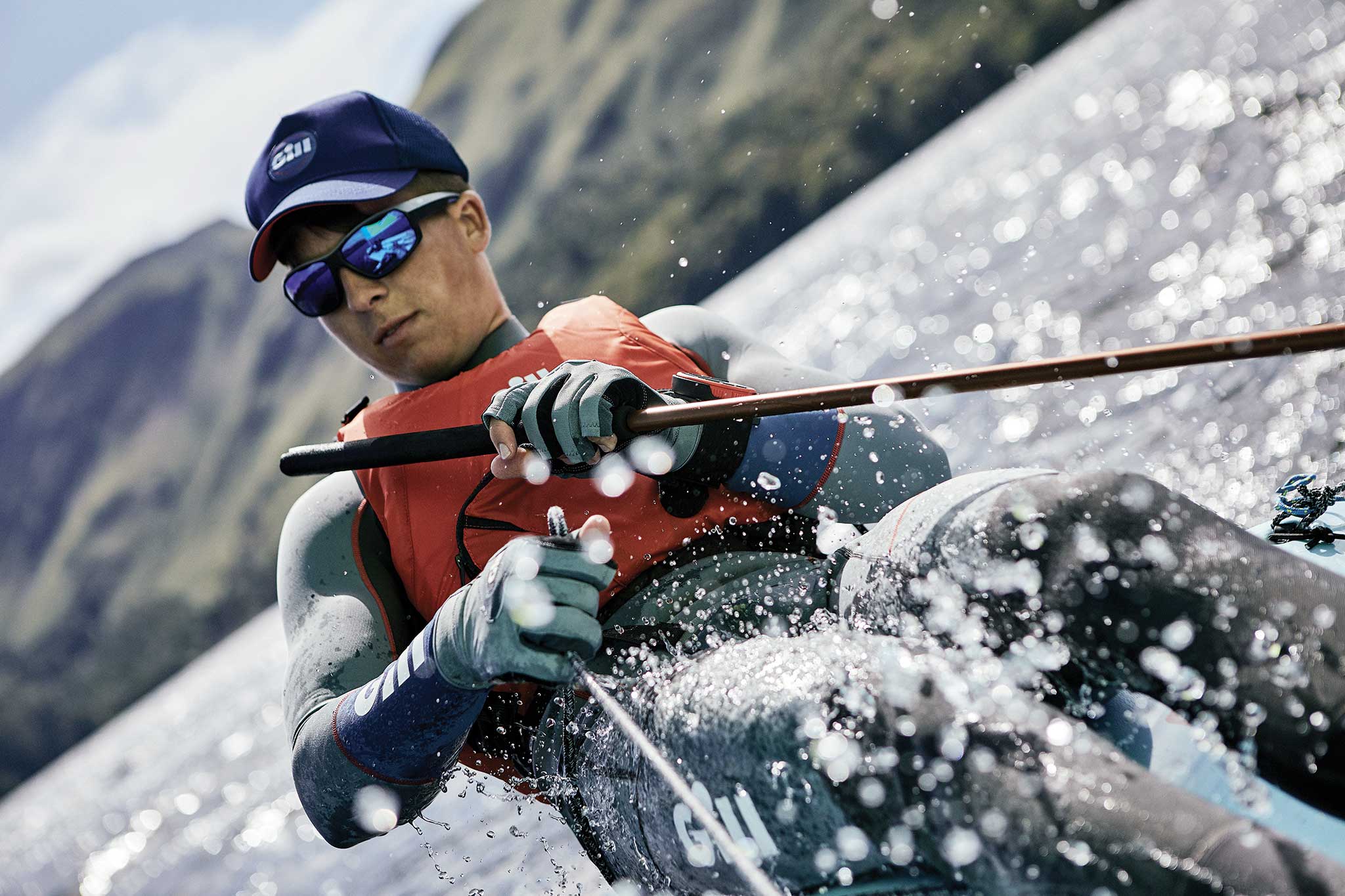
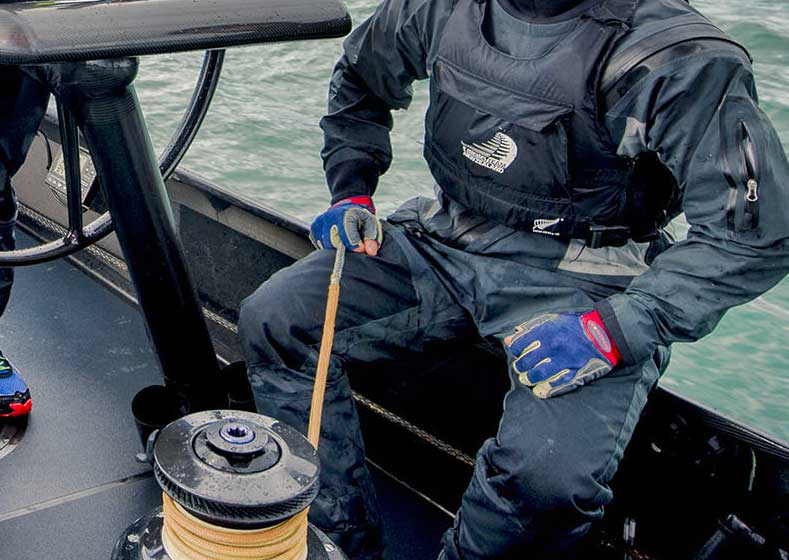
2006: After years of development, Gill introduced the Pro Glove, a new standard in durability across the industry.
2010
GORI
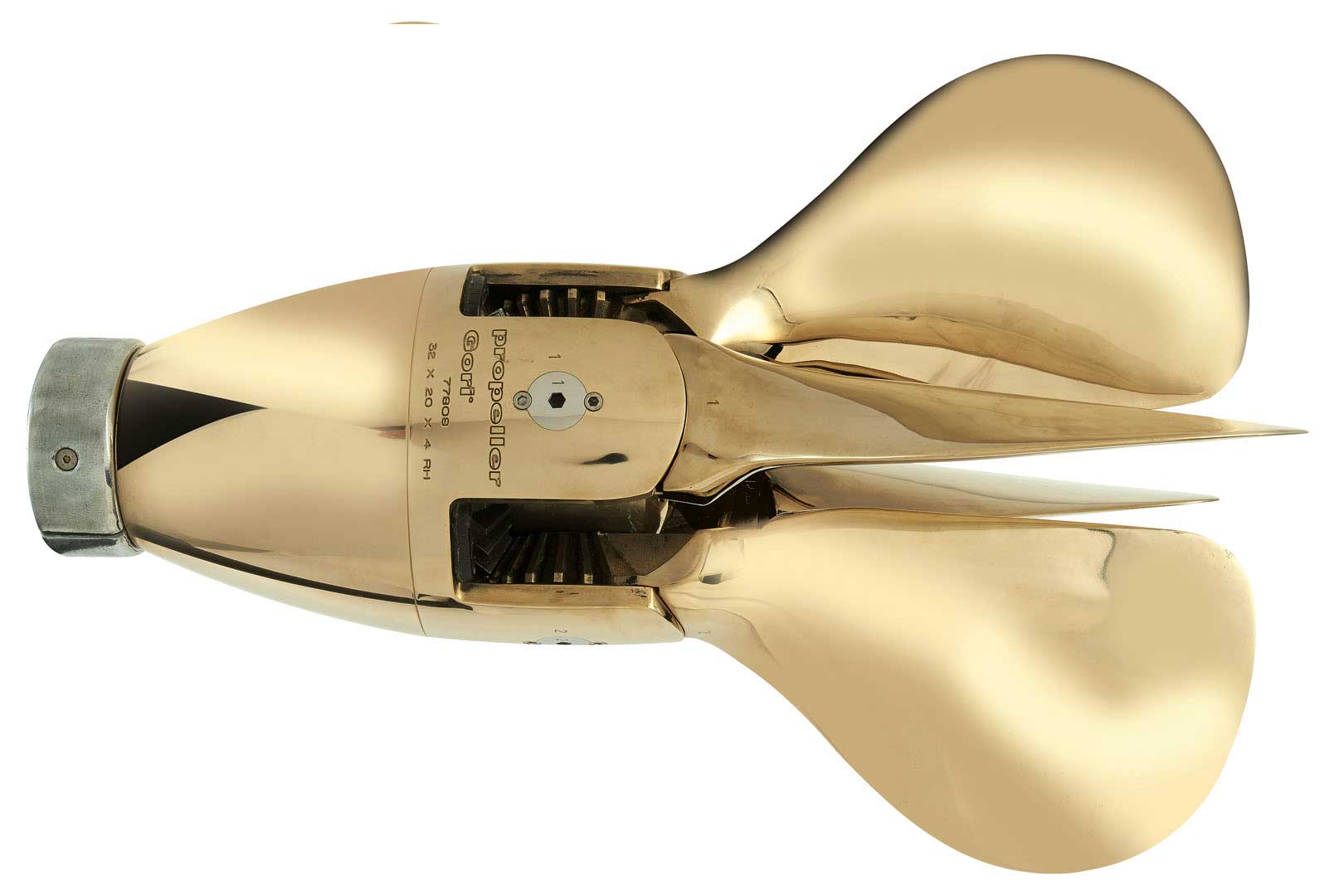
2010: The 4 blade GORI Propeller is introduced.
2012
GILL
2012: The Queen’s Award for Enterprise is awarded to Gill for their success and expansion.
2014
GILL
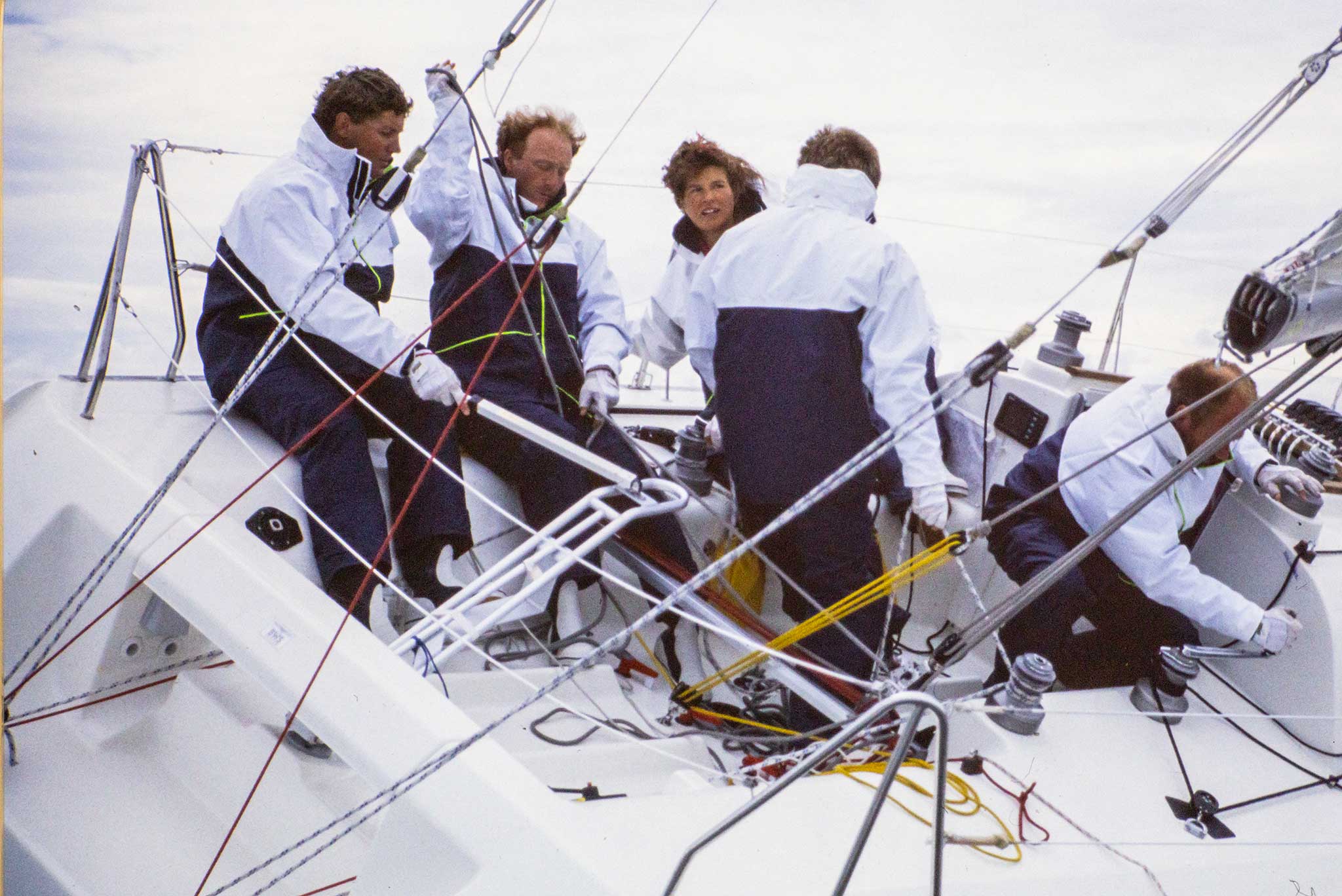
2014: Gill becomes the official clothing sponsor for Emirates Team New Zealand in the Extreme Sailing Series.
2015
GORI
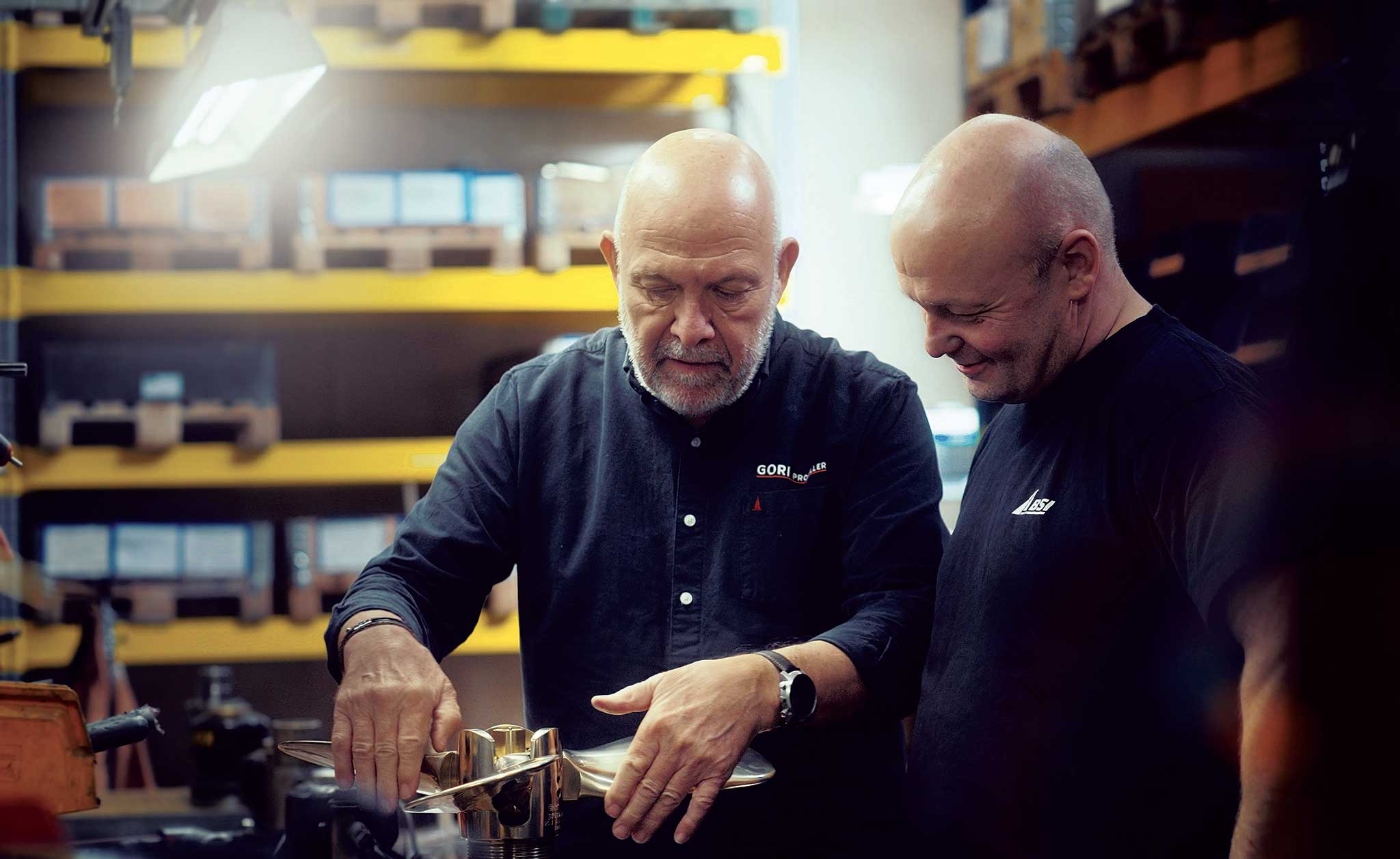
2015: Gori is acquired by BSI Marine Group. The Dutch company also includes BSI Rigging, Jefa Steering Systems, Hundested Propeller, Ocean Marine Systems, Ocean Yacht Systems, and Lyngaa Marine, which all operate as independent companies.

2016
GORI
2016: The 3 blade GORI Single Pitch Propeller is introduced.
2019
GILL
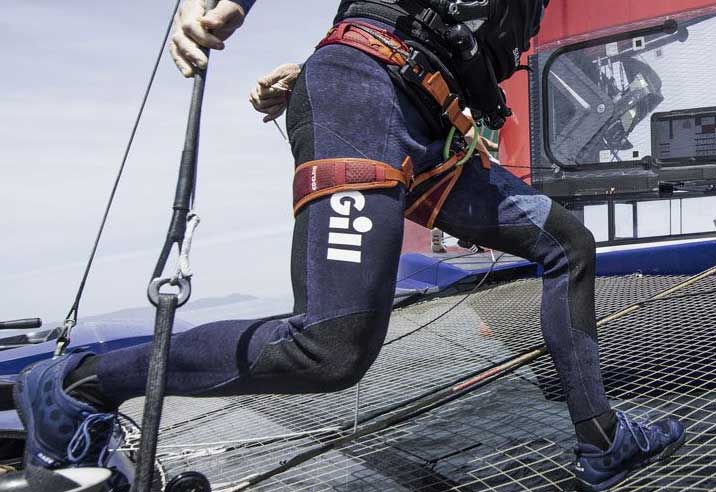
2019: Gill becomes the Technical Clothing Partner of Sail GP, a relationship that led to the development of neoprene products that now are integrated throughout their entire dinghy collection.
2024
GORI
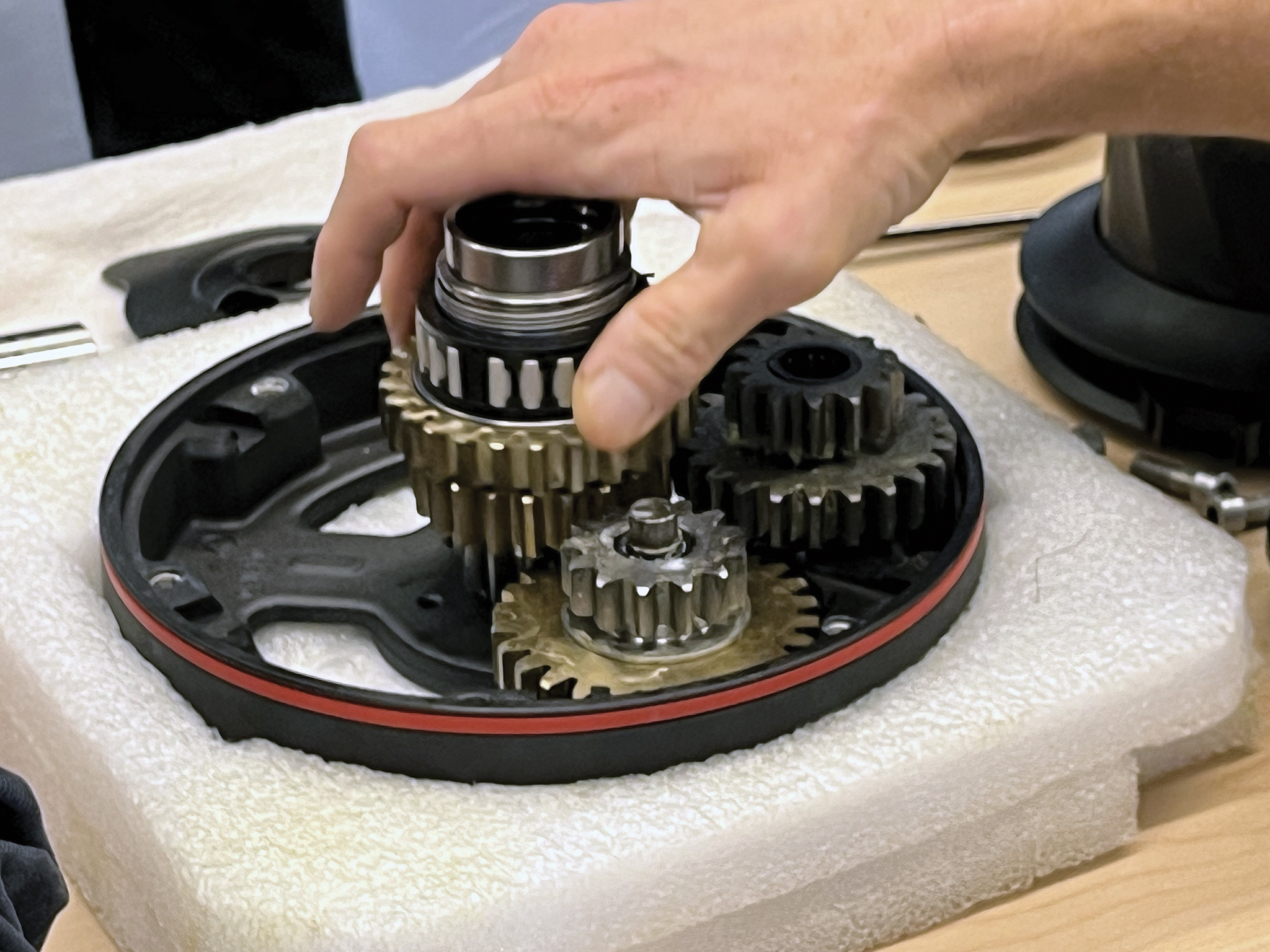
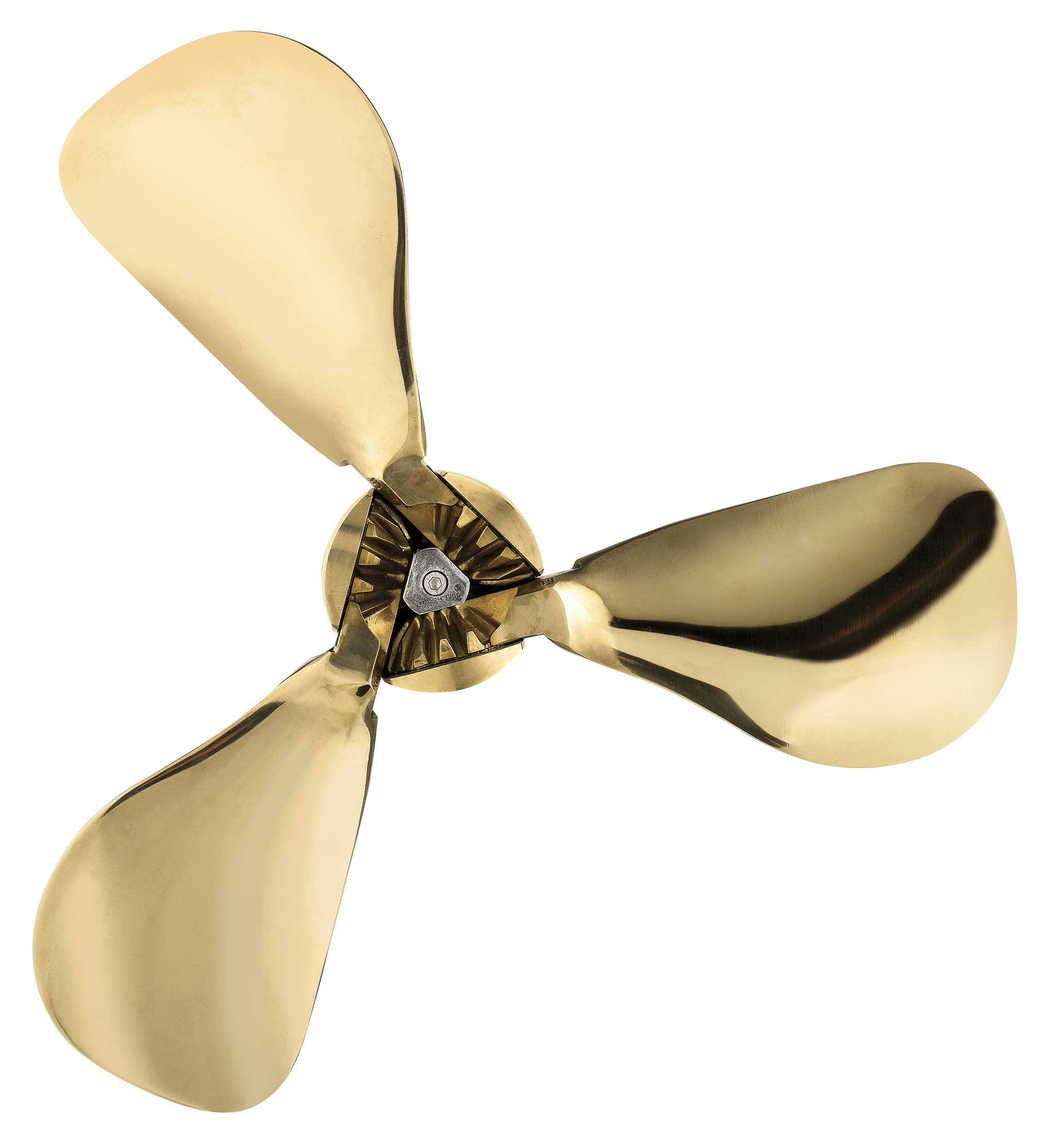
2024: The hybrid prop is announced, a purpose-designed unit for sustainable power, integrating hydrogeneration in to the drivetrain with the capacity to lock the blades in place for regeneration mode or release them to fold for sailing performance.
2025
GILL
2025: Gill is celebrating 50 years with a look towards a responsible future. The classic OS2 Offshore Jacket and Salopettes are now made with 98% recycled materials, making them the most sustainable offshore sailing gear on the market.