This week marks the one year countdown to the start of the next Ocean Race, which is slated to begin on January 17, 2027 in Alicante, Spain. Several host cities have been announced, but the big news is that Cape Town is not among them. Instead, Leg One will stretch halfway around the world to New Zealand, weighing in at a hefty 14,000 nautical miles.
“This is an amazing way to start The Ocean Race: with an epic leg that takes us halfway around the world from Alicante to Auckland [New Zealand]. For sailors, this is what we love, spending time at sea, racing against top competition and taking on big challenges. This is where you learn about yourself and your teammates and forge bonds that last a lifetime,” says Boris Herrmann, skipper of Team Malizia.
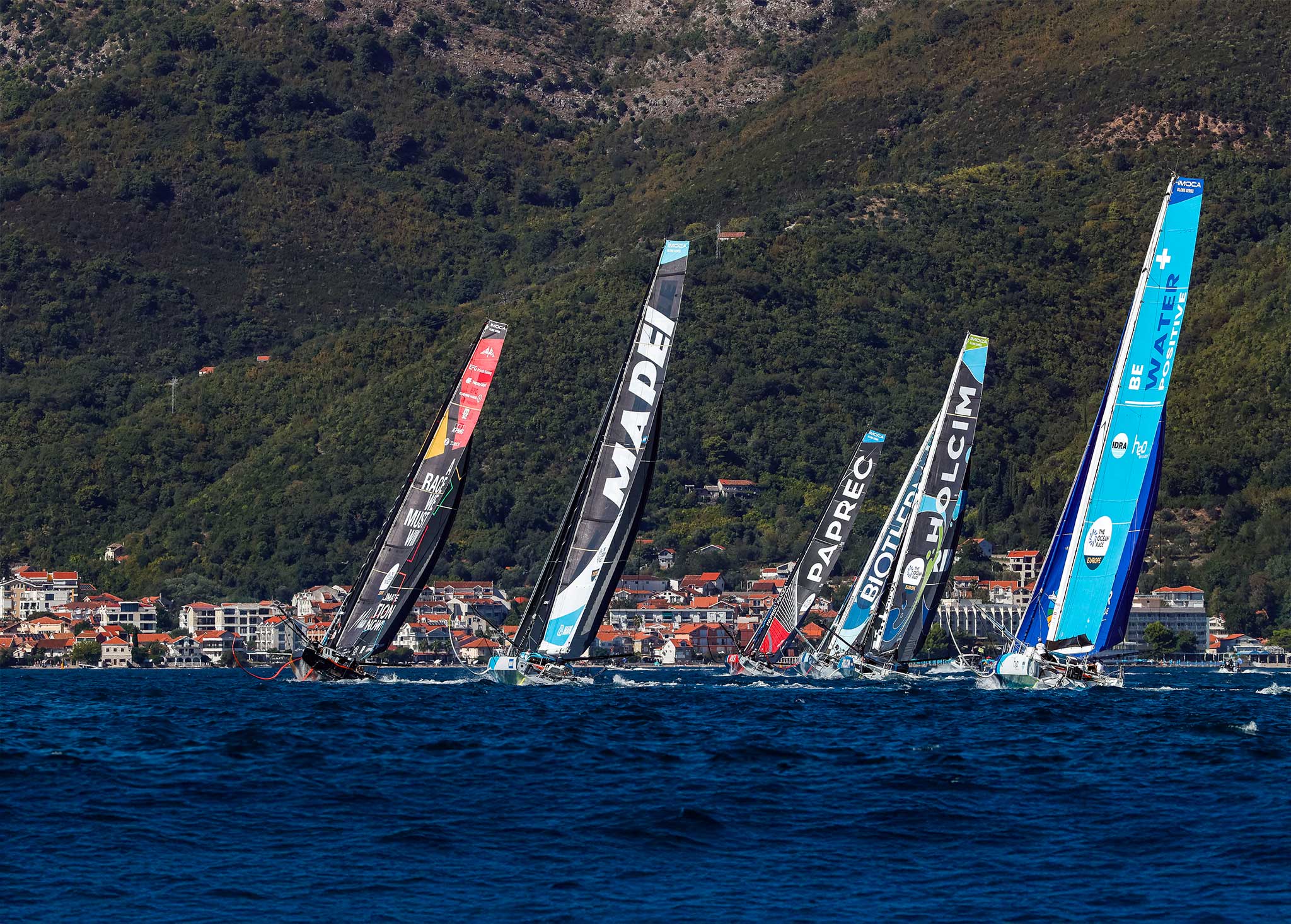
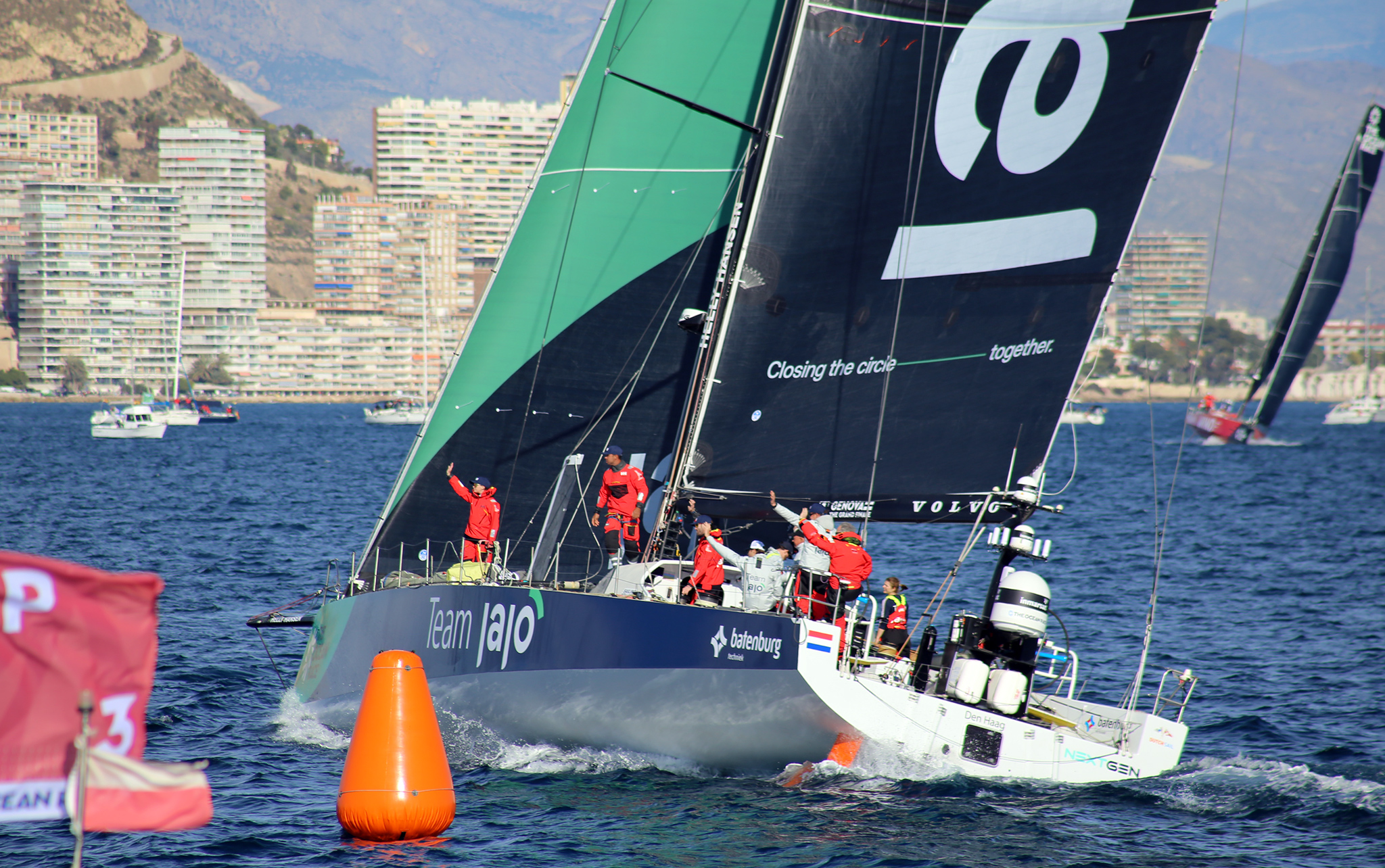
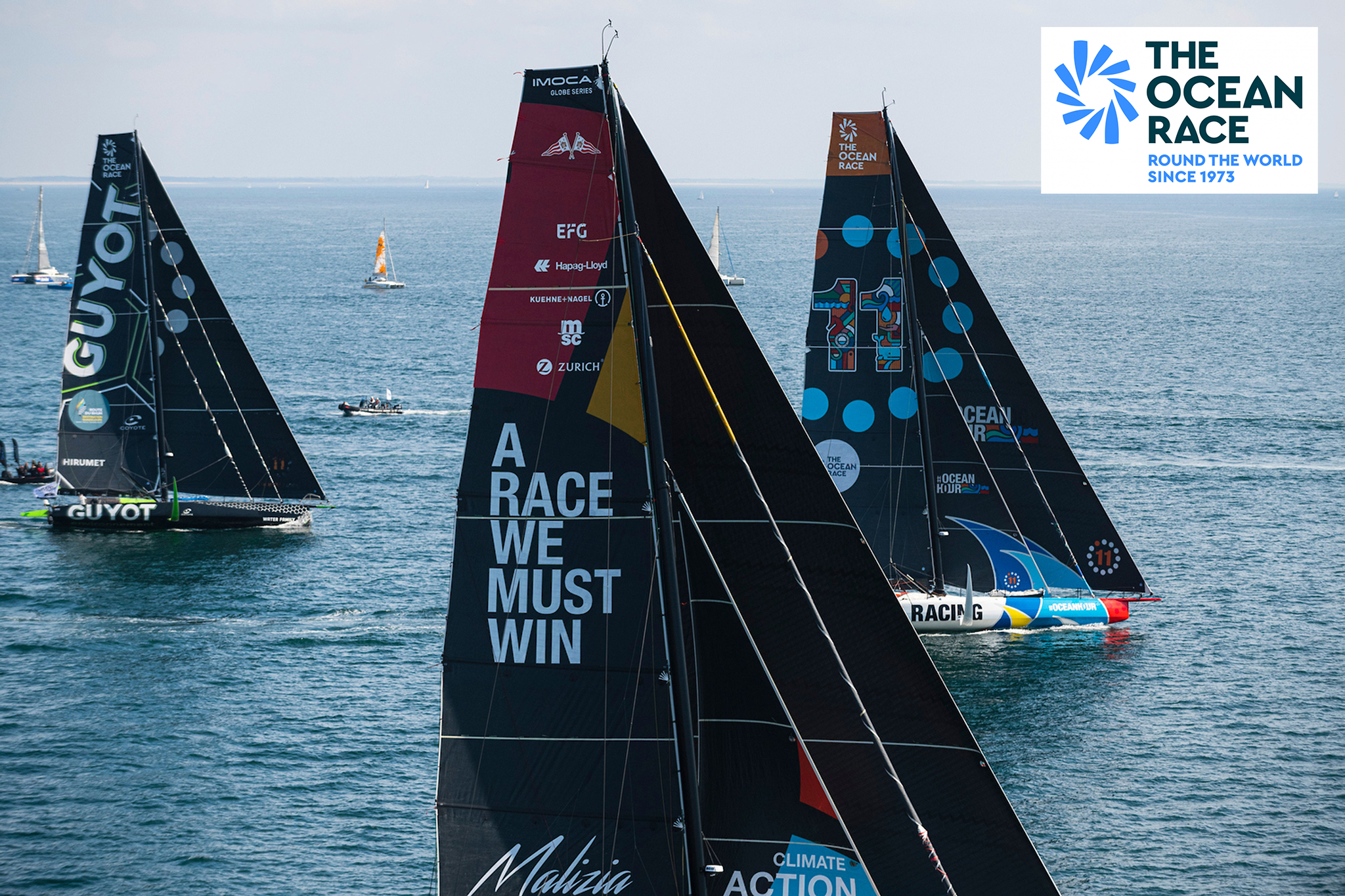
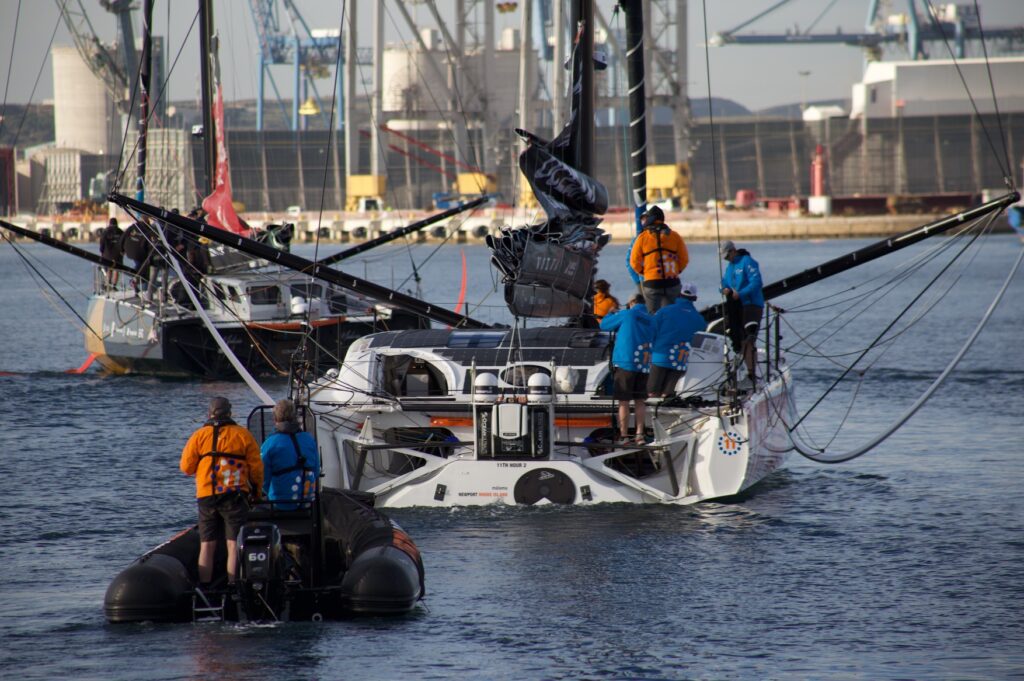
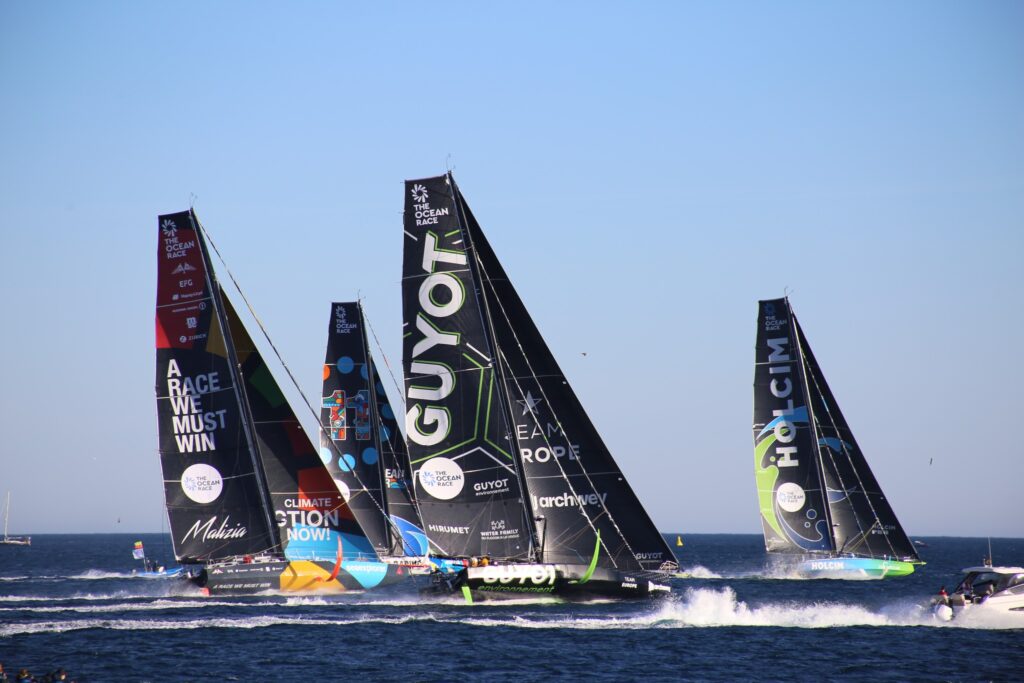
And while Herrmann has a well established and well resourced team, for those scraping just to get to the start line, it might prove a bit more difficult. Things tend to break at the beginning, and 14,000 miles is a long way to go if you’re limping. It’s going to be incredibly important to get enough shakedown miles in before heading out, and we can probably expect to see more conservative sailing in the beginning of the race (read: no start line collisions this time around, Guyot Environnement and Allagrande MAPEI).
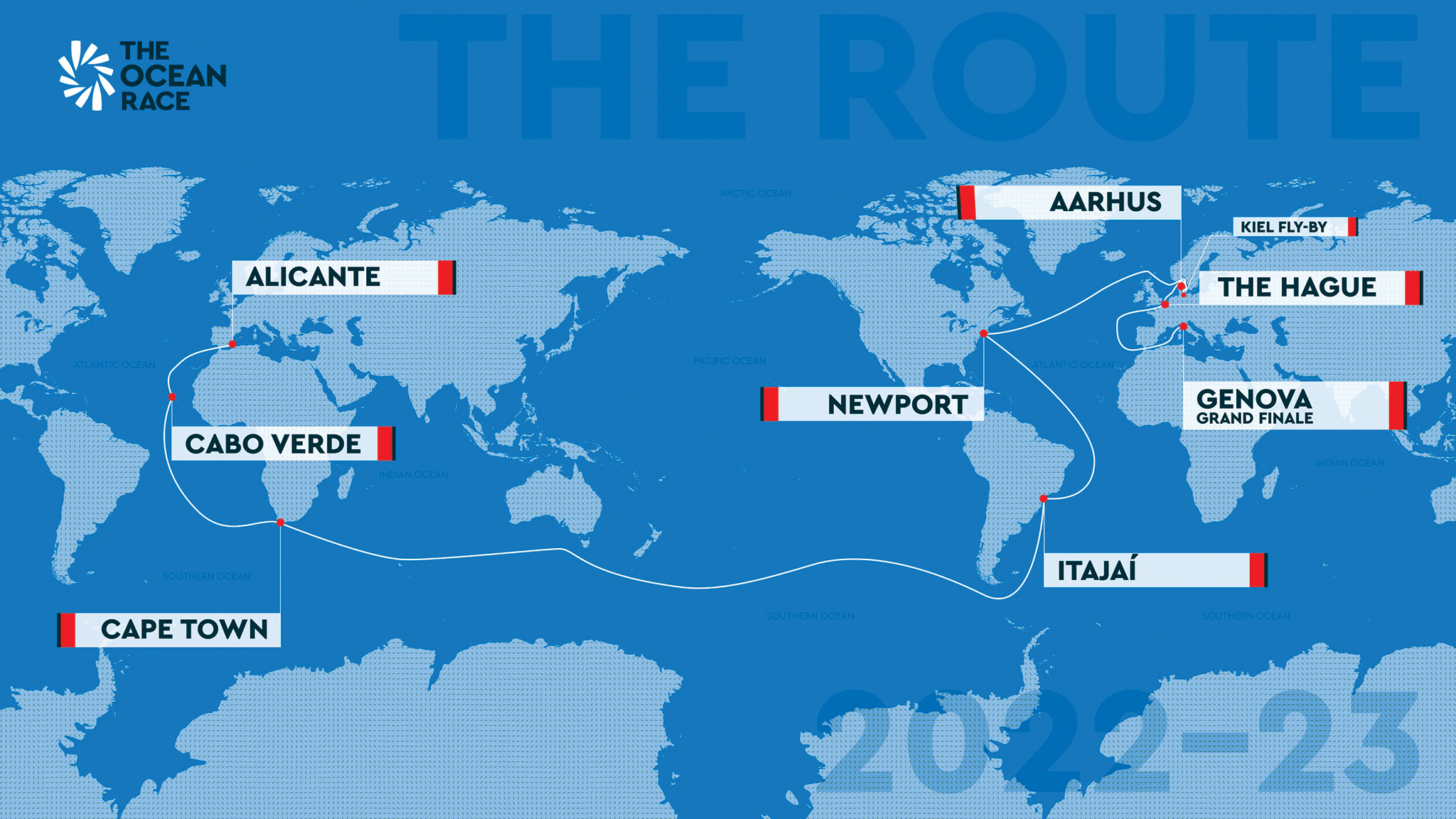
From the course map released by the race organization this week, we can learn a few other interesting details as well. The Auckland stop will make a welcome return since they have not hosted a stopover since 2017/2018. It will break up the massive Southern Ocean slog that crews had to do in 2023, and it’s probably safe to expect the scoring gate concept to return in 2027. We’ll likely see one placed around Cape Town in lieu of an actual stop before entering the Southern Ocean stretch.
Keen eyes will also note that “USA” and “Europe” are listed instead of specific cities. The race organization is still negotiating the details, and I love a Newport stoppover as much as the next New Englander, but I wouldn’t mind seeing Annapolis get their turn either. New York could also be on the table as the Transat CIC and NY-Vendée have already laid the groundwork there for the IMOCA class.
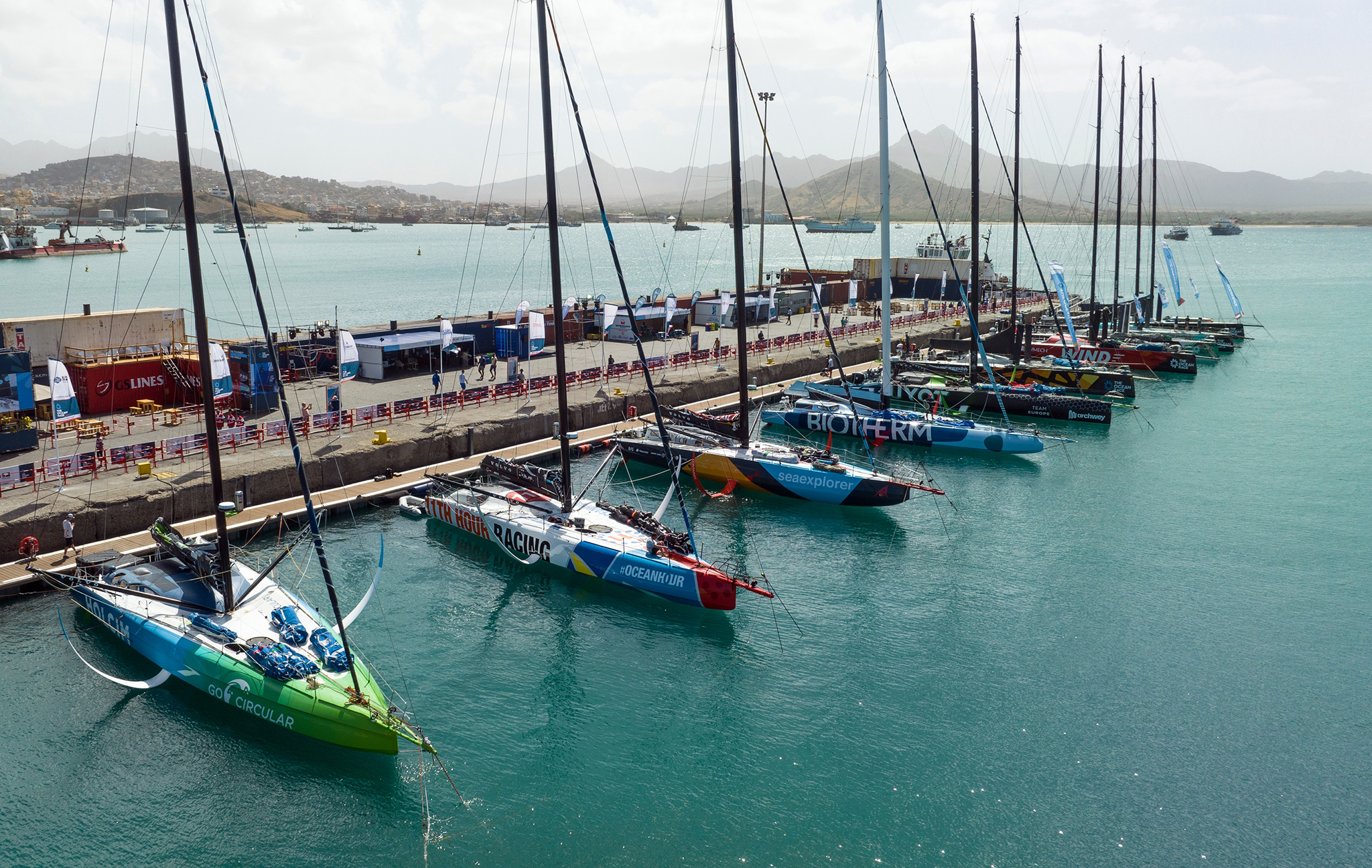
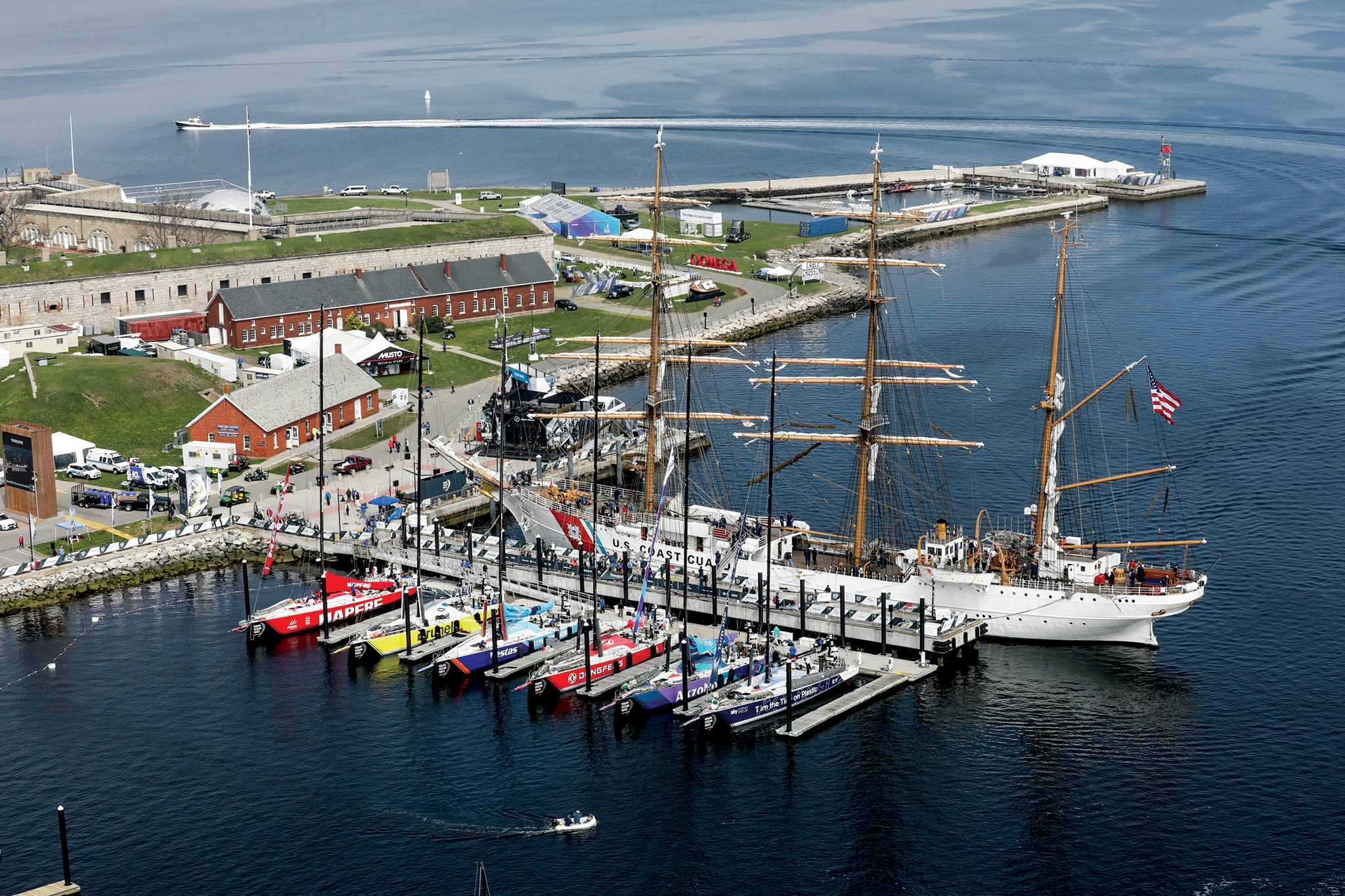
To that end, the 2027 race is shaping up to be something of a hybrid between The Volvo Ocean Race era and the Vendée Globe (which sends solo skippers around the world non-stop and unassisted in IMOCAs). Since the last edition, The Ocean Race has dropped the VO65 fleet, leaving the IMOCAs as the sole class competing. This means that the race has completely pivoted away from the one-design concept that it championed in 2014 and 2017, and crews have shrunk from around 10 down to four sailors. In combination with fewer, longer legs, this certainly makes it look like the race is on a path of convergent evolution with the Vendée.
For speculation’s sake, consider whether we could see a solo fleet added to The Ocean Race someday. Sure, it’s not exactly in keeping with the spirit of the Whitbread legacy, but it would cut down on the boatwork needed to convert the IMOCAs between crewed and solo configurations, which might entice more Vendée Globe skippers to try it out, something that was one of the original goals of switching boats.
And the fewer stopovers there are, the easier the logistics usually become both for the teams and the race organization. (Note that with the 2027 European stops unannounced at press time, we may end up with more; however in the VO65 era, we were seeing around seven long offshore legs and at least 10 stopovers, while five long legs and 6-8 stopovers is looking like the norm for the IMOCA era.) The fast foiling IMOCAs actually create something of a problem for their shore teams. In 2023, the shipping containers of stopover gear could often not get from one host city to the next before the boats did, making it necessary to have duplicates or share space and supplies. With a non-stop race, like the Vendée, you don’t have to worry about any of that. (Or, as was the case in 2023, if all of the stopovers are on the Atlantic, there’s time to get things across east to west while the boats are headed the long way around.) The boats themselves dictate what’s possible—and perhaps more importantly how much it will cost.
My point being, it’s really no surprise the race is starting to bend towards the precedent set by the IMOCA class’ mainstay race.
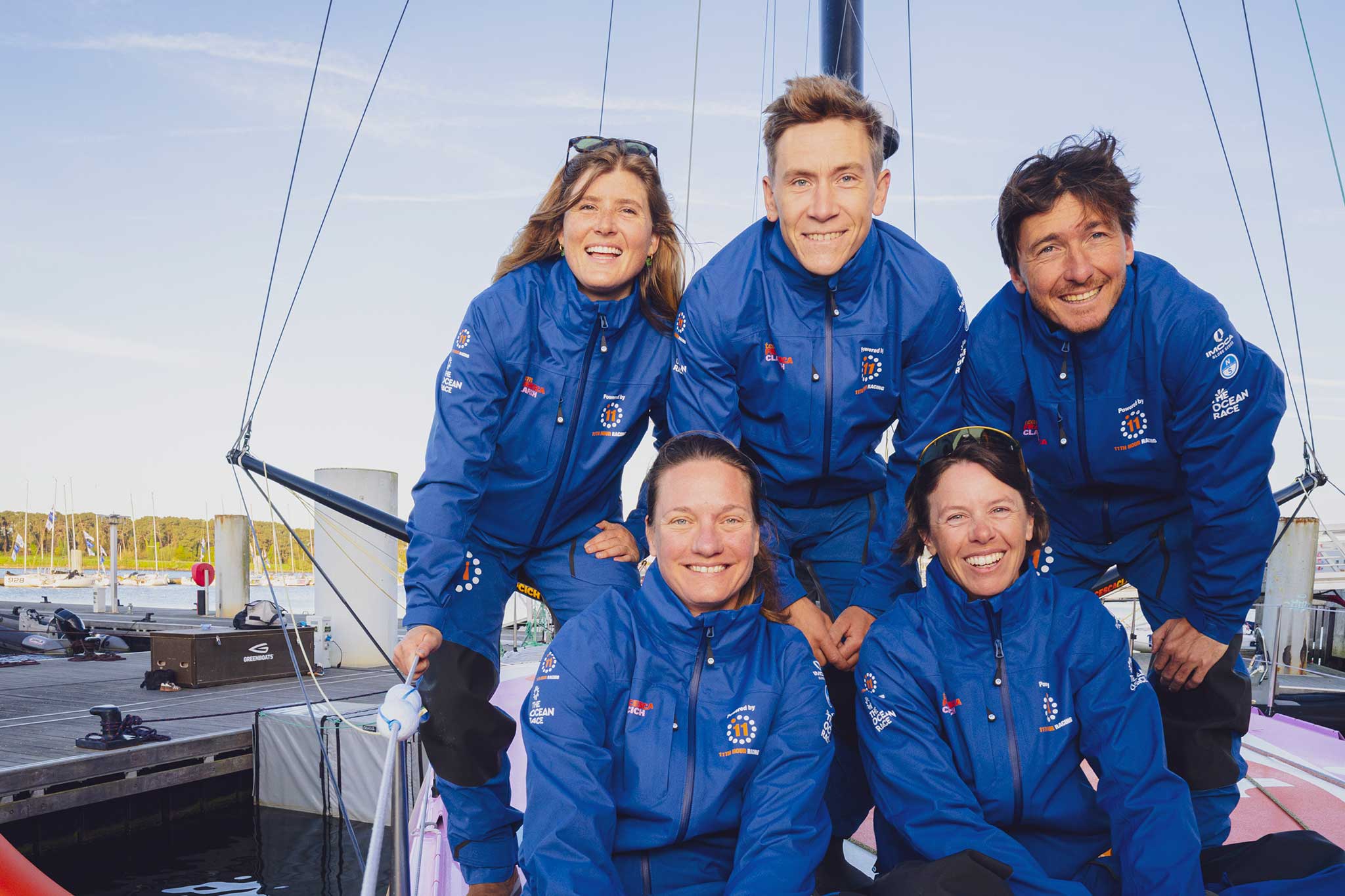
However, one does have to consider the ramifications for the future of professional spectator sailing. Namely, the drastically smaller crew sizes mean fewer opportunities for up and coming sailors to get mileage and experience. On a VO65 with 10 sailors aboard, you could afford to bring people who weren’t yet experts in everything, which isn’t the case with a crew of four. From a growth perspective, the race could mandate that a certain percentage of the crew was under 30 or female, as was done in recent editions. But with only four sailors aboard, there’s just not as much space to work with, and even with a rule that at least one member of the crew must be female, there will be net fewer sailors getting that experience—unless of course the fleet is massive.
It’s too soon to do more than speculate on a lot of these things, but a year of lead up gives me plenty of time to chew on all of this. If you’ve been following along for a while, you’ll know that The Ocean Race is special to me, both as the thing that inspired me to get into writing about sailing and as one of my favorite spectator events. In recent years the organizers have made massive investments in growing the around the world race and its portfolio of other events—The Ocean Race Europe and Ocean Race Atlantic—and continued commitments to environmental and human sustainability are a credit to them.
I think it’s okay to miss the days of full crews getting firehosed while they hand steered around the planet while still looking forward to the next era of the Whitbread-to-Volvo-to-Ocean Race saga. The IMOCA class is full of incredible talent and inspiring personalities, and I for one am already looking forward to kicking off my morning with checking the race tracker.
January 2026