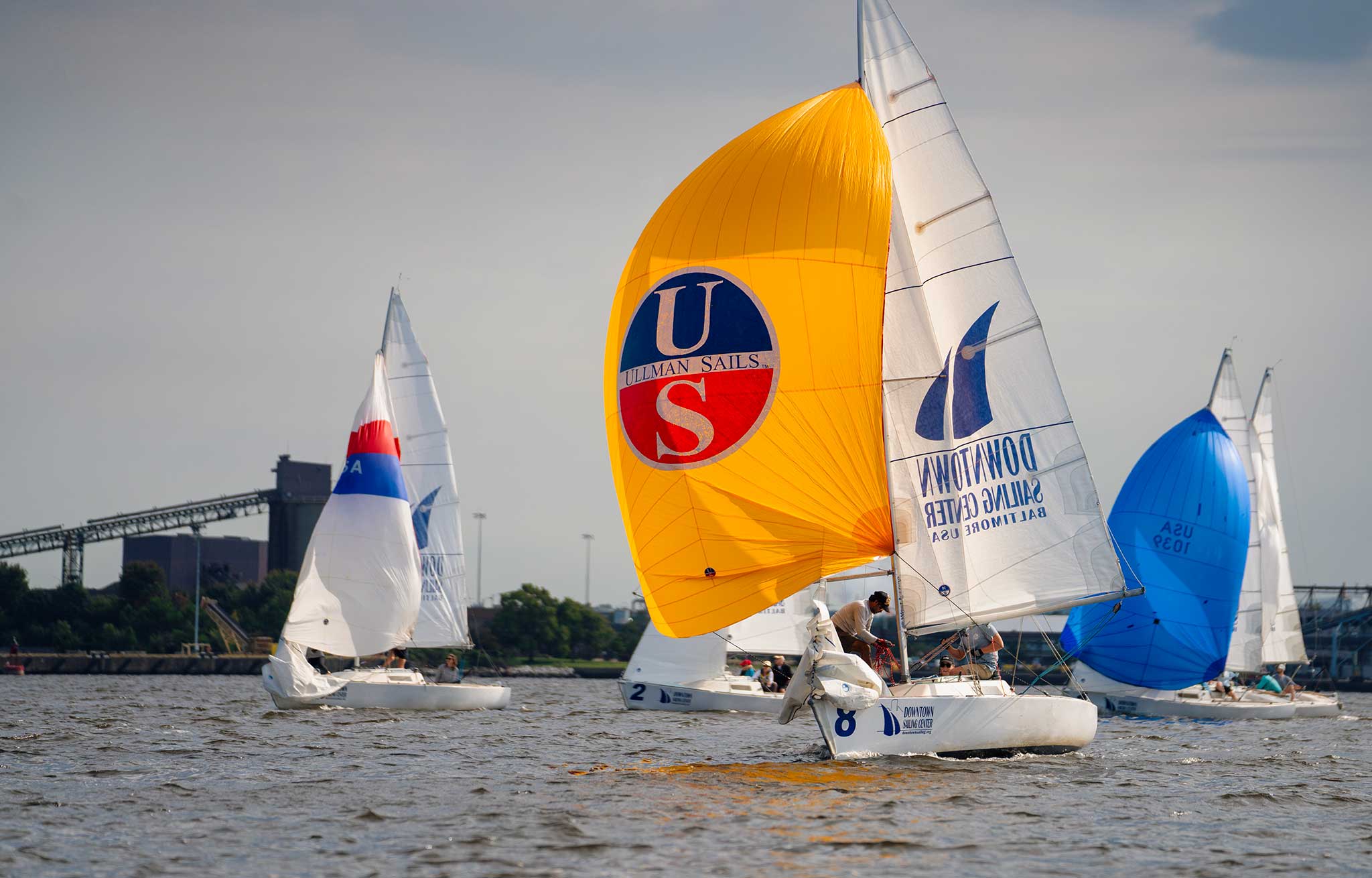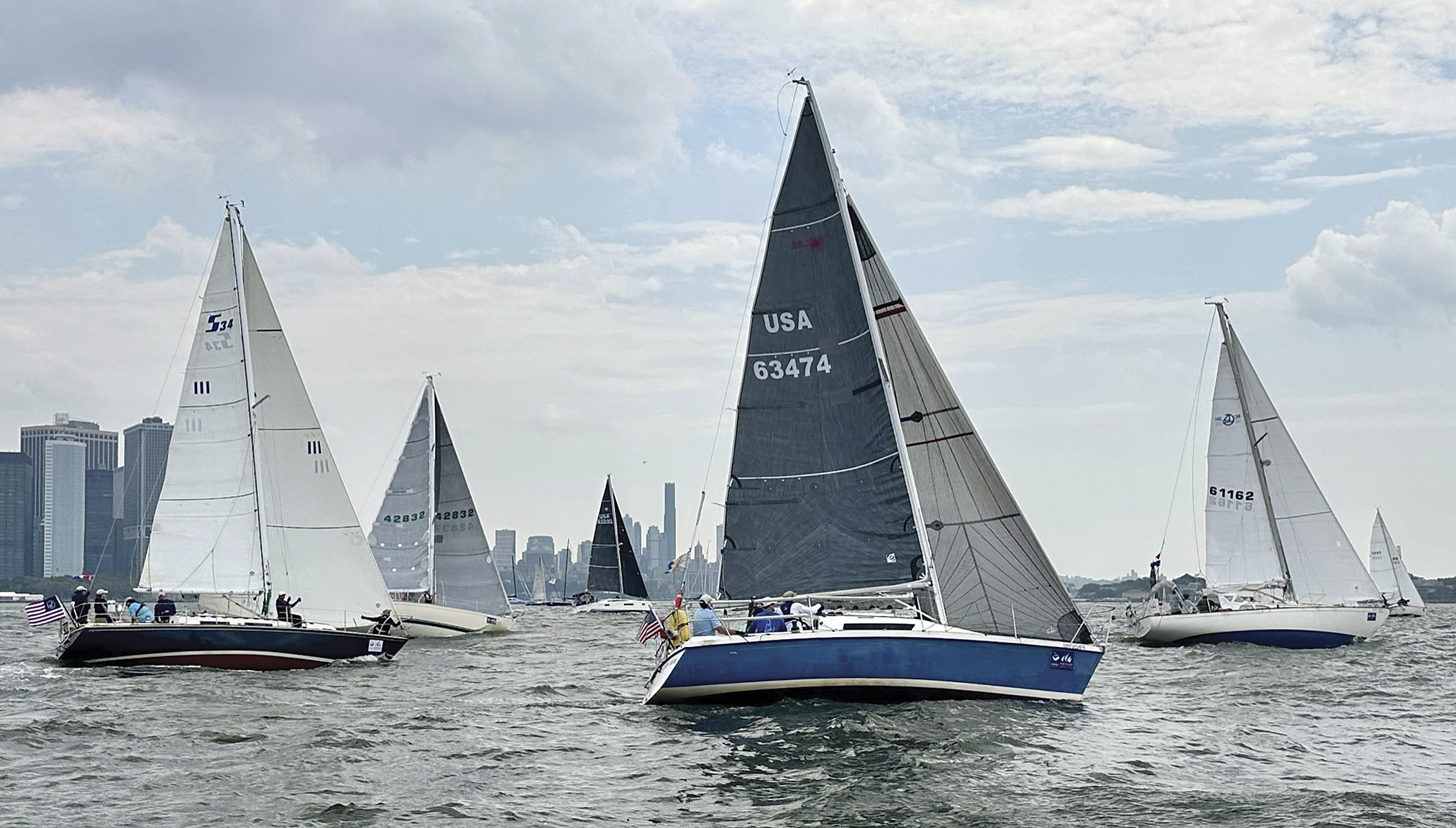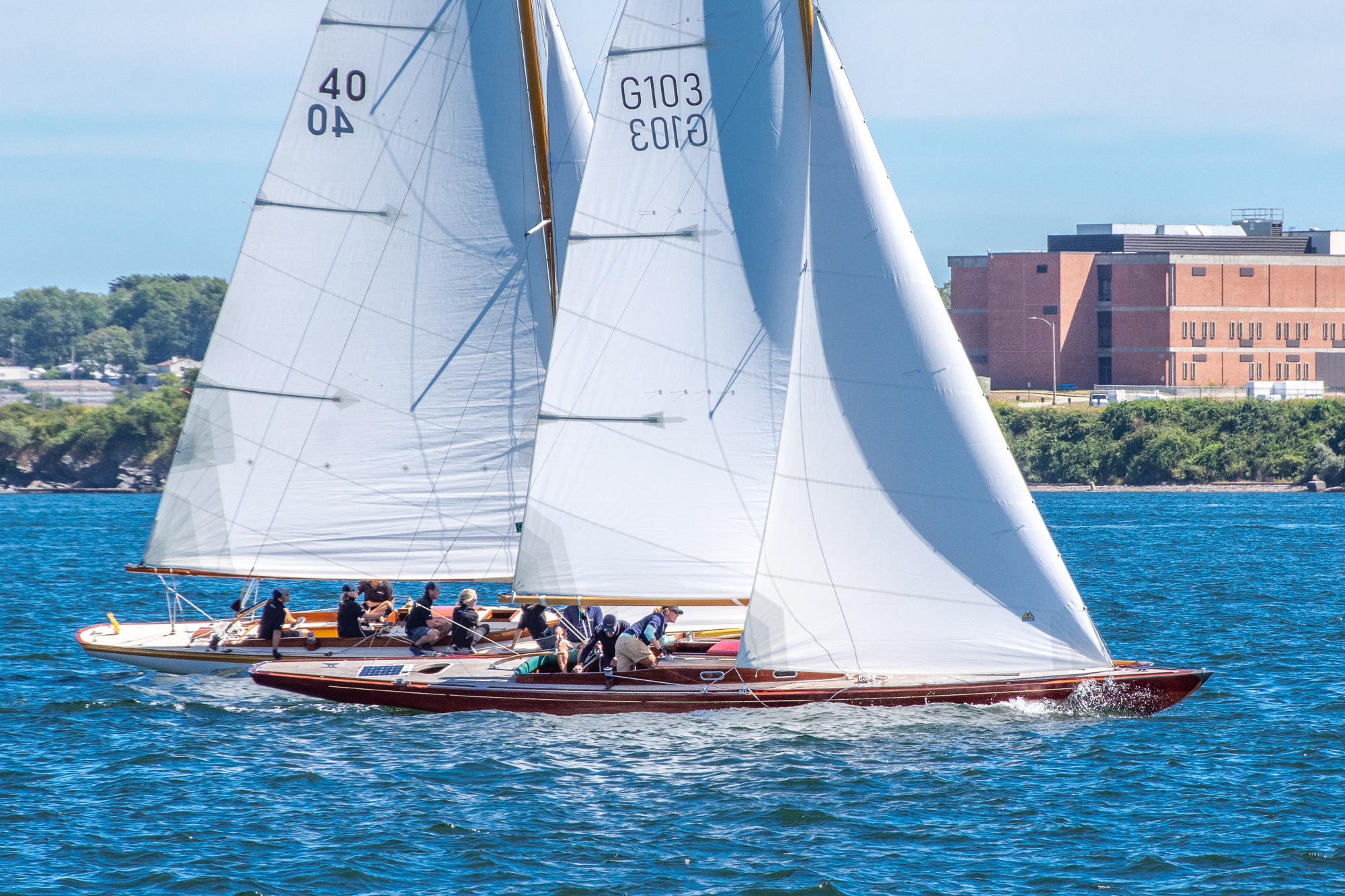
This past weekend, 150 female sailors gathered at Savin Hill Yacht Club in Dorchester, Massachusetts for the annual Boston Harbor Ladies Challenge. The weather was spectacular, and though the breeze was a little light, the racing was lively, spurred on by cheerful camaraderie across the fleet.
The first boat checked with their name and “seven souls aboard.”
That was shortly followed by the next boat who had “nine ladies aboard.”
Then, “eight lovely ladies aboard!”
“Six sirens aboard.”
“Eight sailors aboard.”
From one somewhat aggrieved-sounding skipper: “Eight passengers aboard.”
In many ways, it was like any other day on the race course. It wasn’t until the afterparty that I really looked around and thought “wow, who knew there were so many of us?”
Last month, an article titled Why I Cringe Over Female-Only Sailing Events caused a bit of a stir online. Despite the rage-bait title, I’m not here to criticize the author, Georgie Corlett-Pitt, or Sailing Today/Yachts and Yachting for publishing it. She is entitled to her perspective, and she has clearly given a lot of thought to her diagnosis of the sport’s gender imbalance, something many of us, myself included, have also been chewing on for years. I would, however, like to share my own perspective where it differs from hers.
Corlett-Pitt’s main point is that mixed crews and events are more valuable than their women’s-only counterparts when it comes to elevating women in the sport. And maybe that’s true in that men still make up the majority of sailors, own the majority of boats, and crew the majority of competitive campaigns. Purely by the numbers, women-only boats and events offer fewer opportunities. But that’s not the whole picture.
Last weekend I raced aboard Artemisia in the Boston Harbor Ladies Challenge. I’m not a part of owner Drew Plominski’s regular crew, but as he was not sailing, the boat’s usual bow dynamo Becca Hurd was driving. That left a spot open at the front of the boat for me. Not only was Becca getting time in a role she doesn’t usually do on that boat, but I got to sail on a day I wouldn’t otherwise have been on the water, networking with other sailors I wouldn’t otherwise have gotten to sail with and learning my way around a new-to-me boat. I’d argue that all of that was pretty valuable.
What Corlett-Pitt’s article misses is that this is very much not an either/or situation. Neither the pros nor the weekend warriors I know exclusively race aboard one boat, except maybe if they’re the owners. Having sailed with seven women I don’t usually sail with, there are now seven people who might think of me next time their bow person can’t make it—on their usual mixed-gender team.
“Here, the absolute key I think, is that males and females should have the chance to sail alongside each other,” Corlett-Pitt says. “Mixed teams need to become the norm at every level.” And while I won’t argue that point, I think it’s incredible to blame the lack of mixed teams on the one or two all-female teams in any given race rather than any of the all-male teams. If equality is the goal and we’re working off of the statistics Corlett-Pitt cites about low female involvement, why take aim at the few boats that are trying to give women opportunities, not the entire fleets worth of boats who aren’t?
She concludes the piece with a call to action, stating that it’s not just the elite athletes who provide role models for prospective sailors but also the women they see around their local waterfront. She challenges us to imagine what walking into our yacht clubs would look like through their eyes.
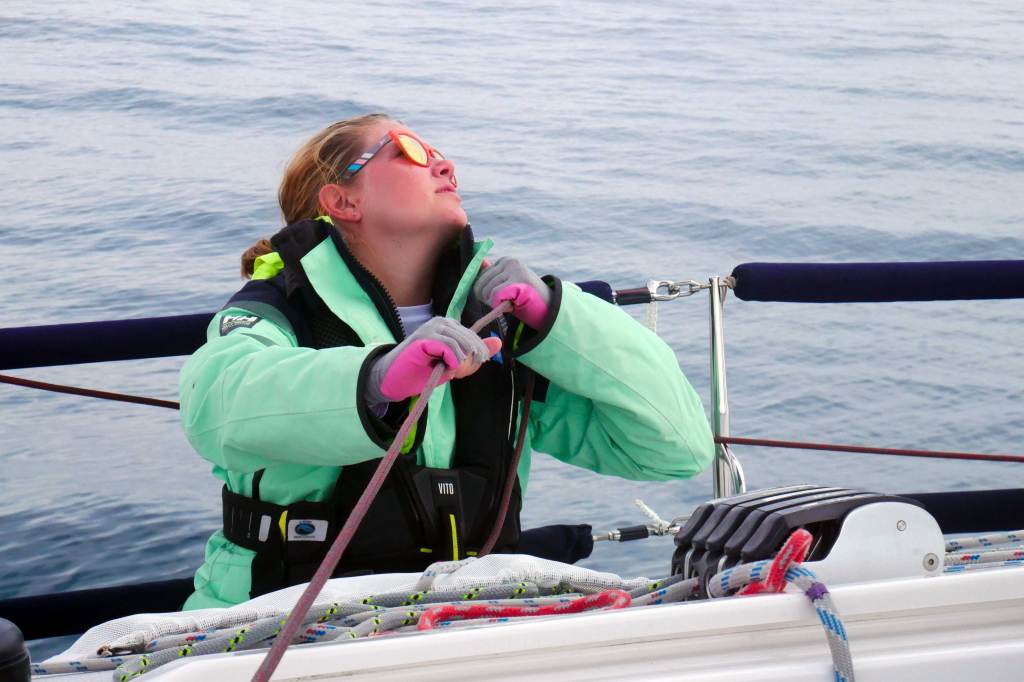
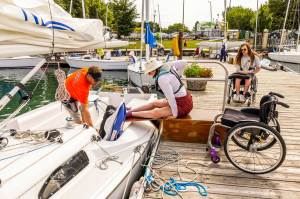
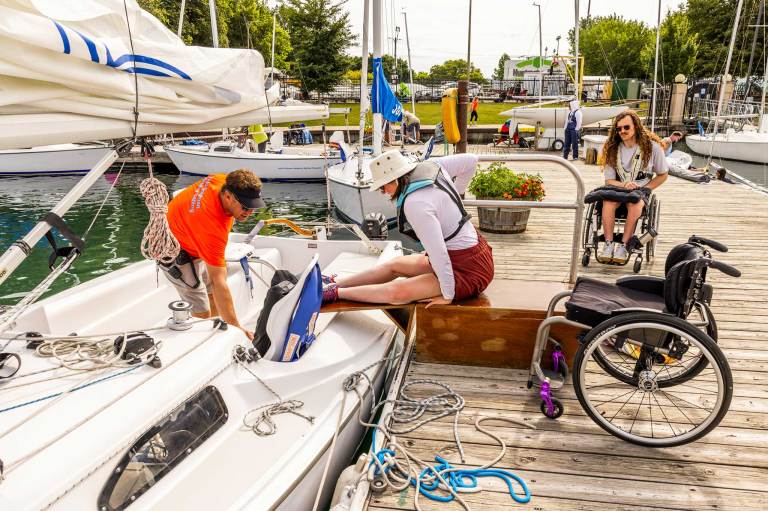
Numerous women in Boston could tell you exactly that after last weekend. As part of the event, Savin Hill invited women without boats who wanted to give racing a try to come out and be matched with a team for the day. I think they’d tell you the sailing was gorgeous and the community was infectiously warm.
Women, like any demographic, are not a monolithic community. While some women are ready and able to duke it out with the men at the highest level of the sport, there are also many on the other end of the spectrum who are still gaining confidence, who aren’t sure whether they’re ready to race, or who don’t expand their potential because the principal racing roles are already filled on their boat. Women’s regattas offer opportunities for all of these types of sailors to grow.
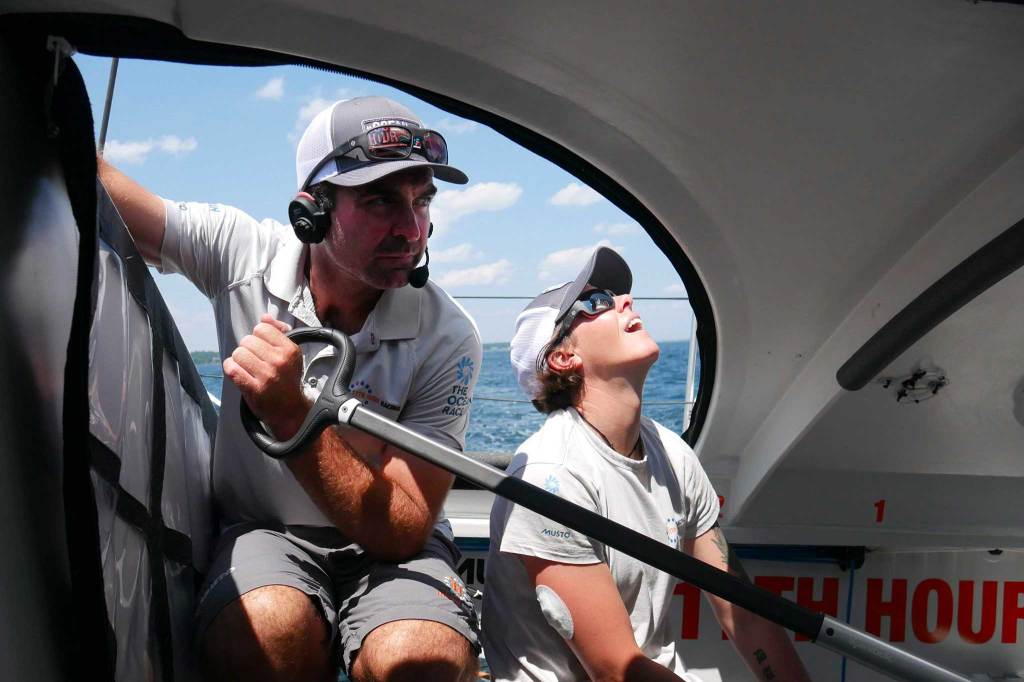
As for the pros, I have written a few times over the years about my personal opinions on what would effectively fast track women to compete equitably in the highest levels of the sport. I have always favored a quota approach like The Volvo Ocean Race instituted in 2018 over a “training league” approach like they tried with the previous America’s Cup. On that front, I am somewhat more in agreement with Corlett-Pitt. With the highest respect for the athletes involved, having a women’s and children’s version of the Cup (sailed in smaller boats while the men got the big boy boats) was a somewhat disappointing effort towards inclusion on the part of the OA. On the other hand, every young female professional that I know in our sport would tell you that the all-female Team SCA (Volvo Ocean Race, 2014/2015) inspired them to pursue a career in sailing, myself included. The impact of that campaign is still being felt over a decade later.
That all being said, addressing a complex issue like gender equality is not a matter of one league mandate or one top down rule from World Sailing. It takes a lot of people doing their best with what they have control over and the patience and grace to learn from each other, taking what works, and leaving the rest.
Different women have different barriers, and implying that a strategy that provides opportunities and feels positive for some women is “cringey,” is both reductive and counterproductive. We cannot claim to support women in sailing while disparaging the everyday sailors when they choose to enjoy time on the water in community with other women.
Like Corlett-Pitt, I believe that there’s a future of the sport where we have a more equitable gender mix, that women deserve to have the same opportunities as their male counterparts, and that women are perfectly capable of sailing with and against men. What I do not believe is that women’s regattas or teams are the enemy here. If we really care about women in sailing, we need to focus on the genuine barriers to access, not what seems “cringe.”