I have a lingering concern that we’re losing something important in sailing as our boats get more comfortable.
Scroll through Instagram or YouTube, or flip through the pages of the shiny sailing magazines (yes, SAIL is guilty!), and it’s easy to get the impression that the goal of modern cruising is to make life aboard as much like life ashore as possible. In the endless pursuit of making sailing easier and more comfortable, we risk eliminating some of the very things that make going to sea meaningful in the first place.
To me, sailing is supposed to be an adventure. I want it to feel different from my domesticated life at home. I don’t enjoy feeling sleep-deprived, wet, cold, a little seasick. I hate feeling salty. But I love the feeling of landfall after many days offshore. That first cold beer in a foreign port. The cheeseburger in paradise. A long, hot shower. I love the contrast! Without the bitter, baby, the sweet ain’t as sweet.
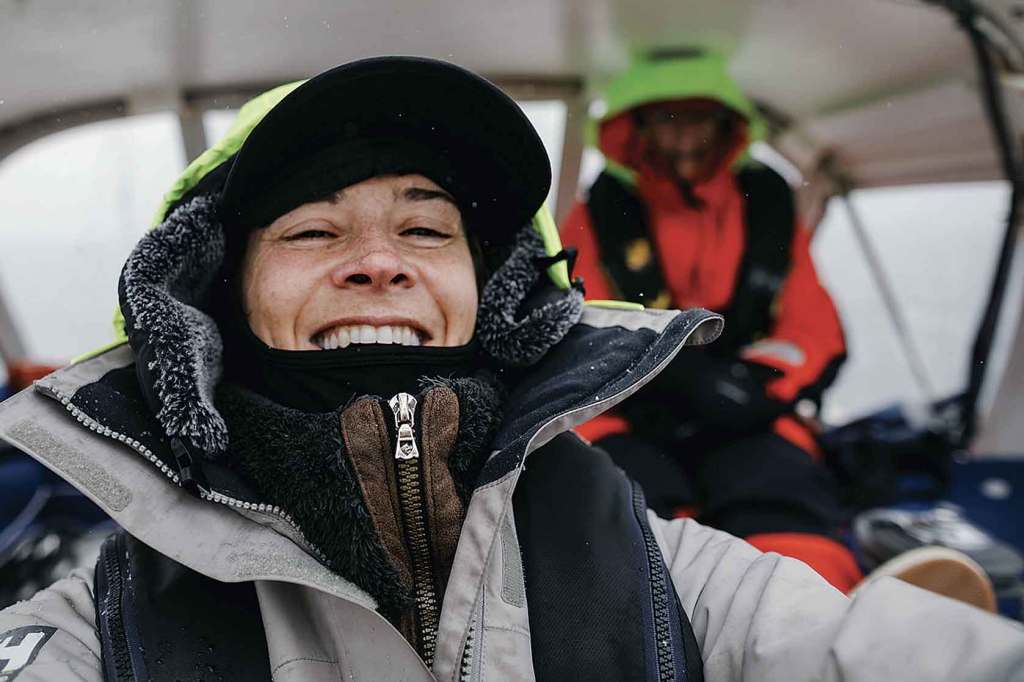
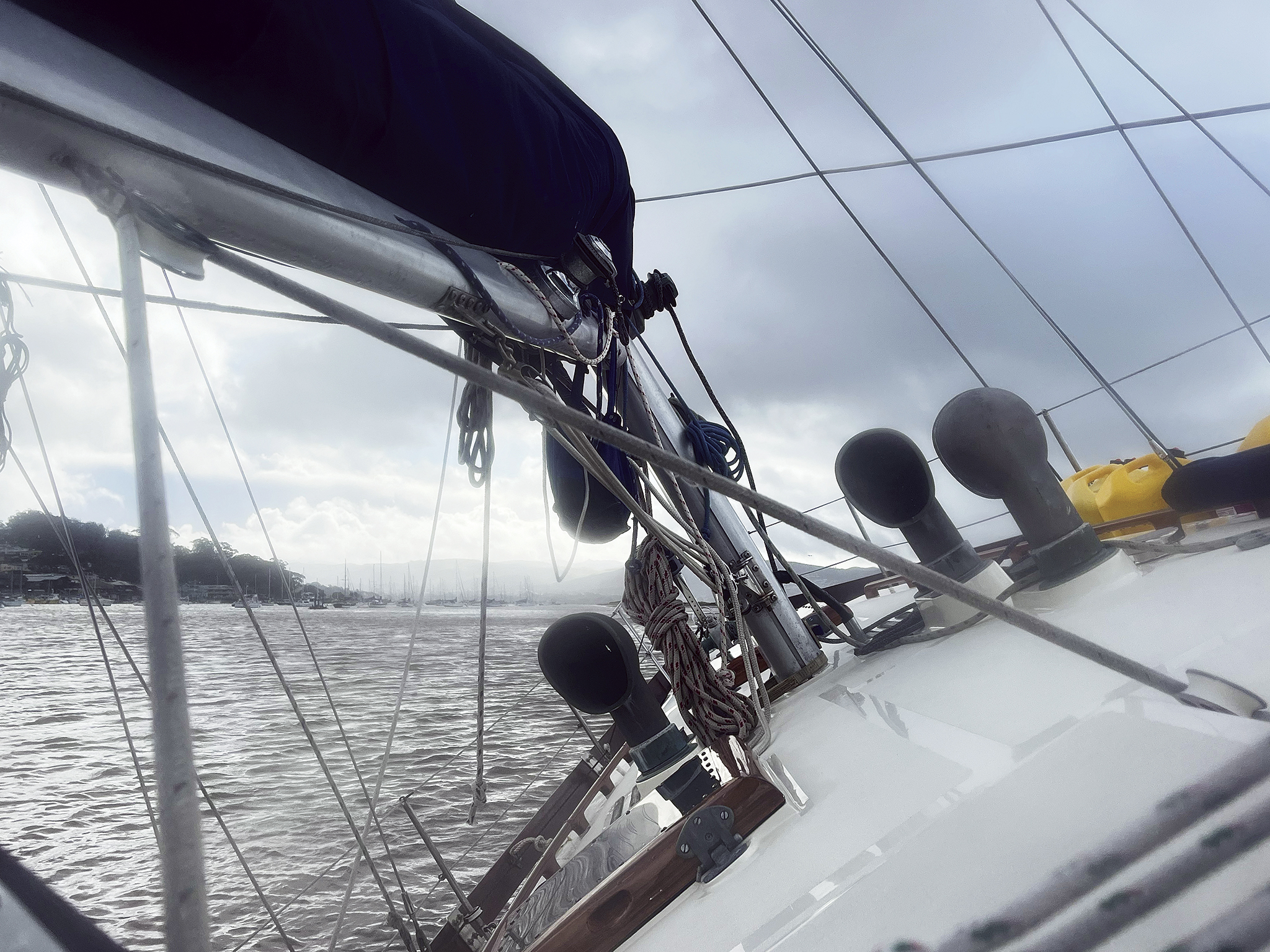
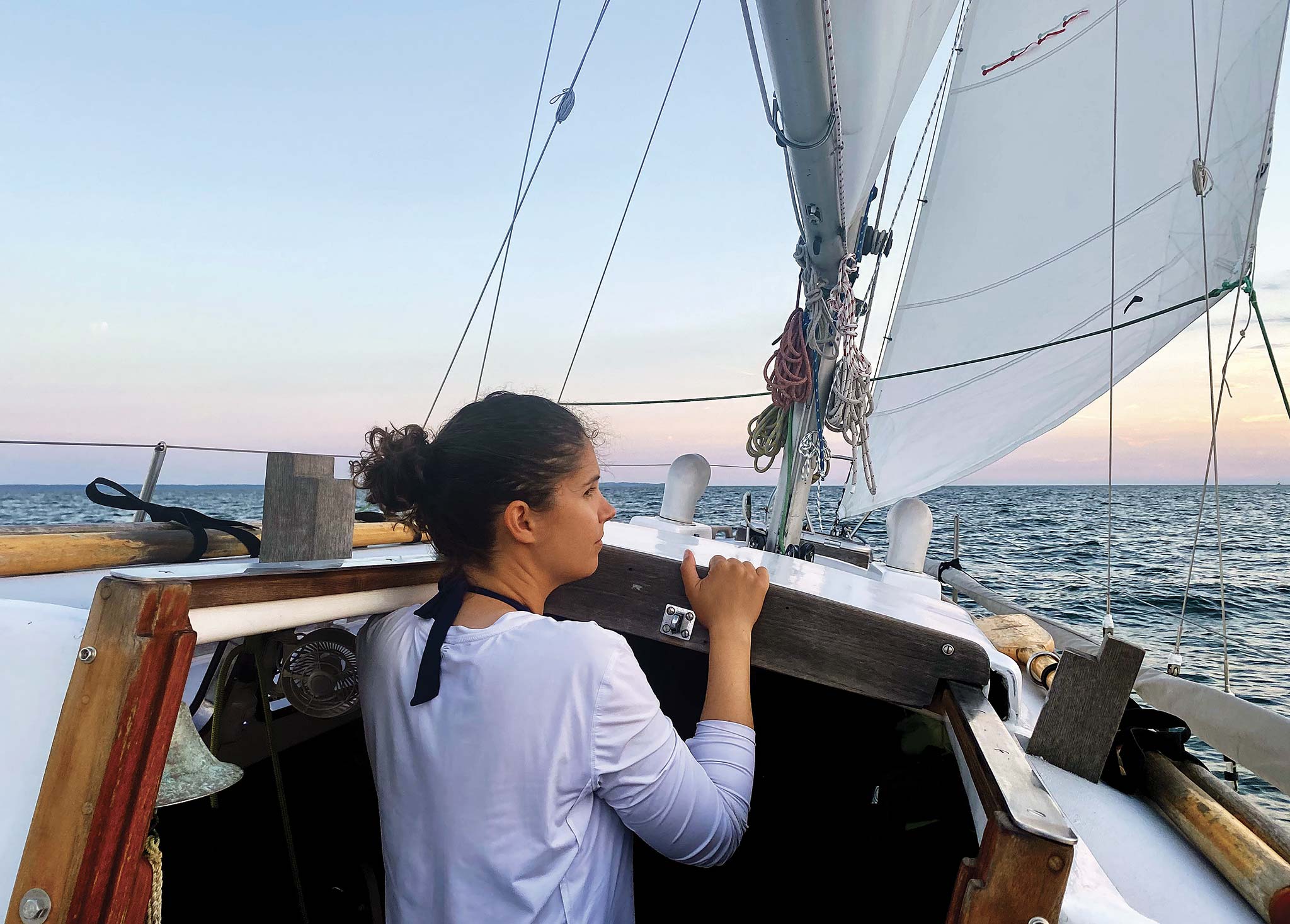
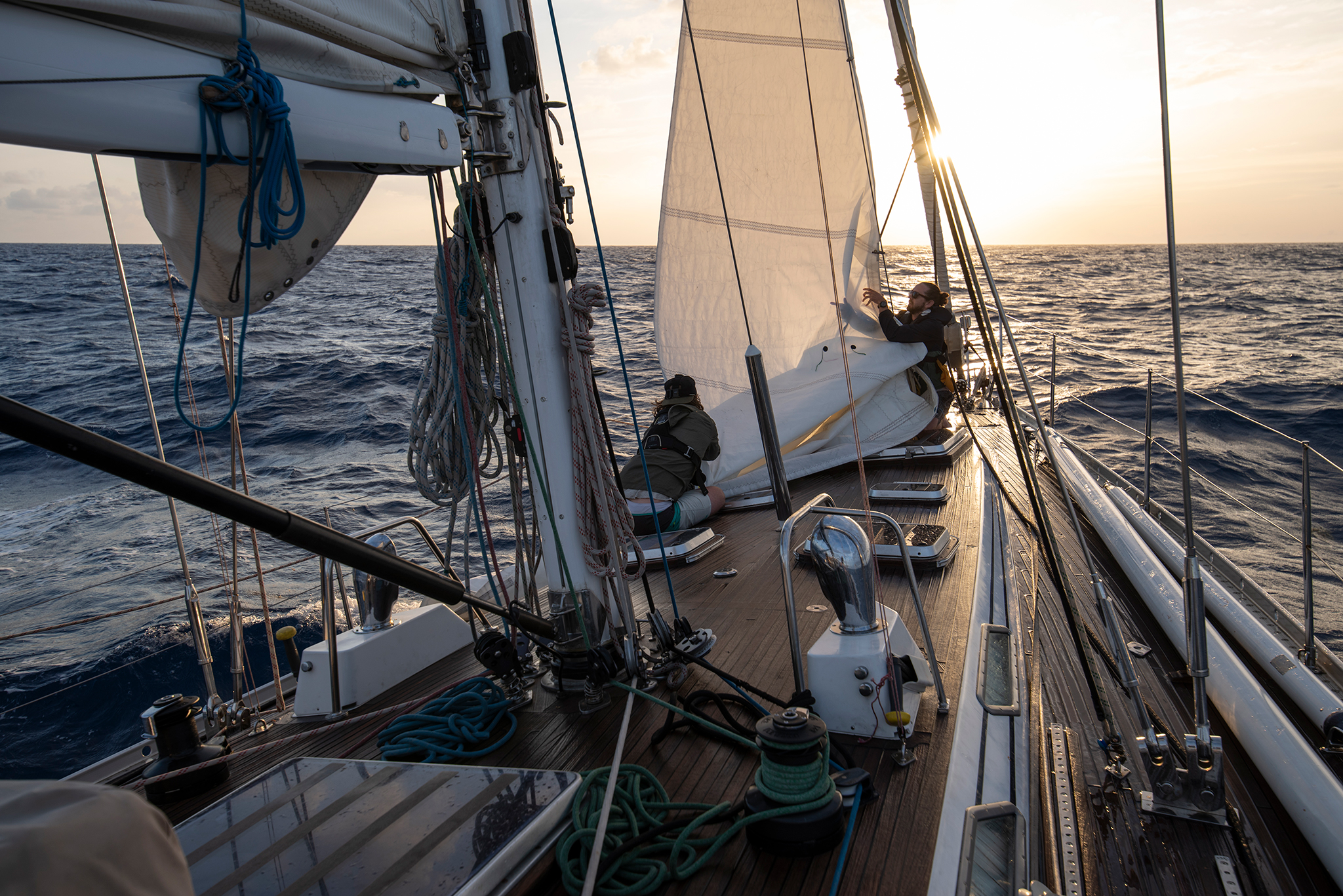
I touched on this idea recently in an email newsletter I write for 59º North, where we take paying crew offshore on ocean passages. I admitted that I sometimes worry about whether the deliberately simple way we run our boats is becoming a harder sell in a world increasingly accustomed to comfort. Our boats are safe, extremely well maintained, and wonderful to sail, but they’re not floating hotels. There are no stall showers or AC. No electric winches. Everyone hand-steers on watch. Depending on where we’re sailing, you might spend four hours under the tropical sun, be soaked by spray dodging icebergs, or go cross-eyed in the middle of the night steering to a star on the horizon.
I wondered aloud in that email whether people still wanted that kind of experience and holy moly did I get an answer! My inbox filled with replies from sailors, former crew, sailing instructors, cruisers, parents and adventurers, overwhelmingly arguing that not only should we resist adding comfort for comfort’s sake, but that I was underselling why simplicity matters in the first place.
Nothing about our setup is contrived—nobody at 59º North is sitting around saying, “You know what would really build character? No shower!” The boats are set up to follow the mission: cross oceans safely, make sailing the core focus, keep the systems robust and maintainable, and give the crew the fullest possible experience of actually being at sea. Form follows function, and some discomfort is naturally a consequence of that.
Former crewmember Jim S. compared it to backpacking. “My perception of what I needed had changed, not because I was deliberately depriving myself but because the simplicity of the experience had changed what ‘enough’ felt like.”
Offshore, your definition of “enough” will indeed change. 59º North skipper Manot wrote that having a shower and a private cabin “only really matters in one’s imagination before a trip. The reality of life at sea quickly makes those considerations pretty irrelevant.”
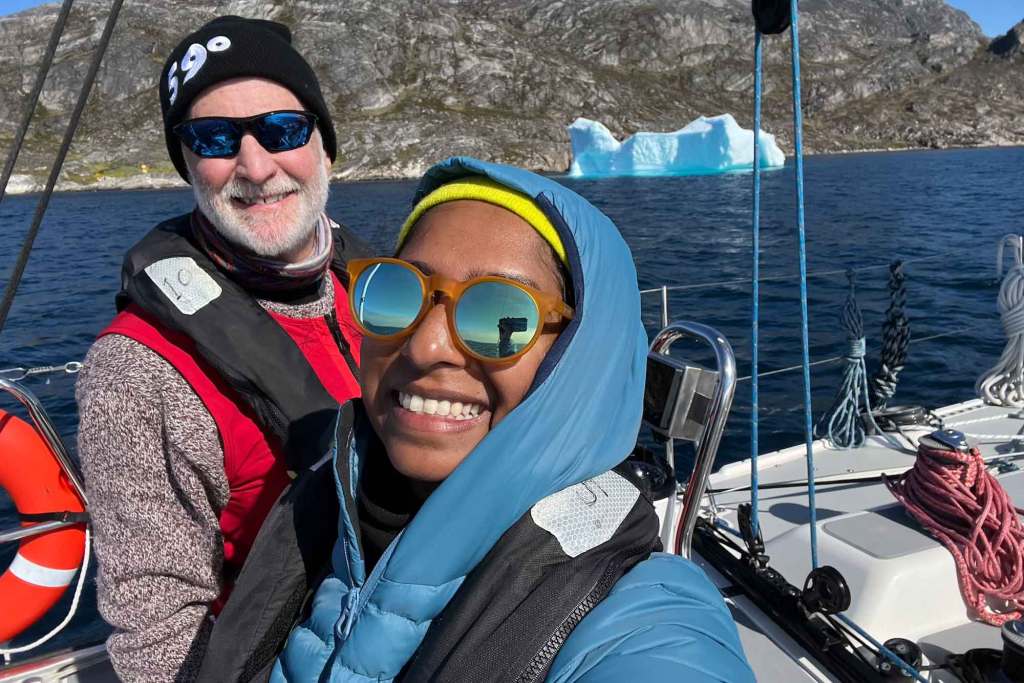
Ashore humans are incredibly good at eliminating discomfort. If we’re hot, cold, hungry, bored, tired or mildly inconvenienced, there’s usually a button, an app, a machine, or a service available to fix it, and increasingly those fixes are finding their way onto our boats. I’m not arguing that any of those things are inherently bad—I like hot showers too (though, surprise surprise, I do start my day with a Wim Hof-style cold one)—but I do think something happens when we deliberately step away from all of it.
“[Discomfort] helps us understand who we are under pressure,” wrote Susan C. who sailed with us in 2019. “These are the things that we remember and tell stories about.”
Think about that in the context of your own life. The stories we tell years later usually aren’t about the days when everything worked perfectly and we were completely comfortable. They’re about riding out the storm, or the freezing watch, or the electric dolphins, or the moment when you weren’t sure you could do something and then discovered that you could.
Sometimes the effect is literal. Nancy Z. sailed Falken from Gran Canaria to Cape Verde with basically no offshore experience and told me that passage was essential in her decision to go full-time cruising. “The spare furnishings, lack of showers, and the helm skills we got to practice every shift meant everything.” She and her husband went home, bought a boat and, one year ago, sailed away. She wrote her reply to me from onboard their boat in the Sea of Cortez.
Our mission statement has long been “Sharing the wisdom of the high seas with those wise enough to seek it out.” We’ve never really defined what the “wisdom of the high seas” means, but somewhere in my subconscious I think this—the simple purity—has always been at the core. Out there, removed from most of the conveniences and distractions of life ashore, you learn about yourself in a way that’s difficult to replicate back home. Suddenly a bunk is enough. A hot meal is enough. Being dry is amazing. A cold beer after a huge accomplishment is extraordinary. Being competent and useful to the people around you matters more than having a private shower. Going without recalibrates your sense of abundance.
I don’t actually believe every sailboat ought to be this simple, or that there’s some moral superiority in going without a shower. If you’re living aboard for years, the boat is your home, and your mission is different. We’re taking people out of their normal lives for a week or three. The whole idea is to temporarily leave some of that normal life behind, to become part of a crew, to stand watches, steer the boat, get tired, get wet, occasionally get uncomfortable, and hopefully come home having learned something about sailing and something about yourself. The more you know, the less you need and all that.
Maybe that’s the “wisdom of the high seas” we’ve been trying to articulate all along. Not that discomfort itself has some higher meaning, but that occasionally stepping away from comfort gives us the headspace to discover what does.
This article was originally published in the November 2026 issue.