In tomorrow’s e-newsletter, we conclude the story of my transatlantic crossing with the Women Wave Project. For part one, click here.
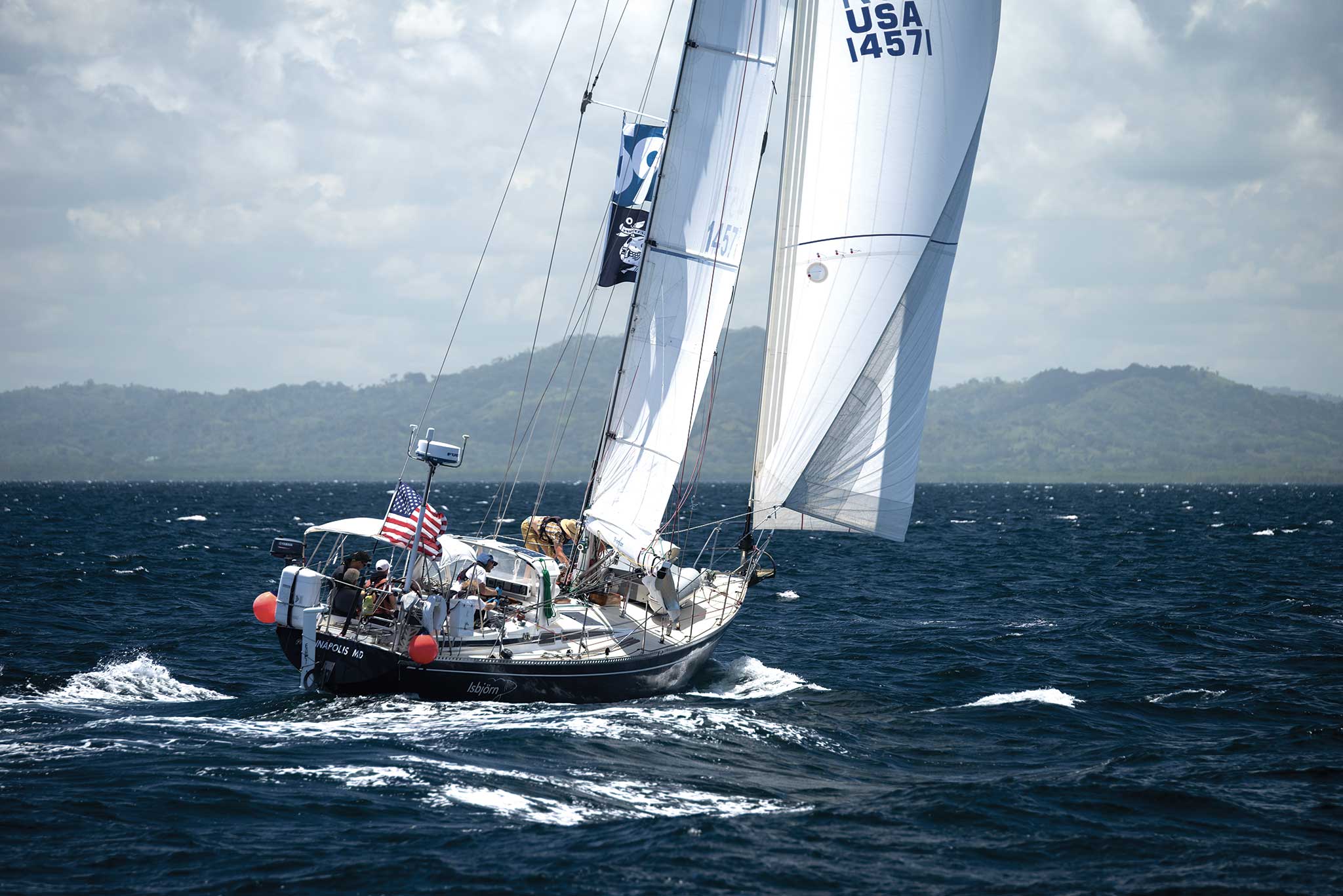
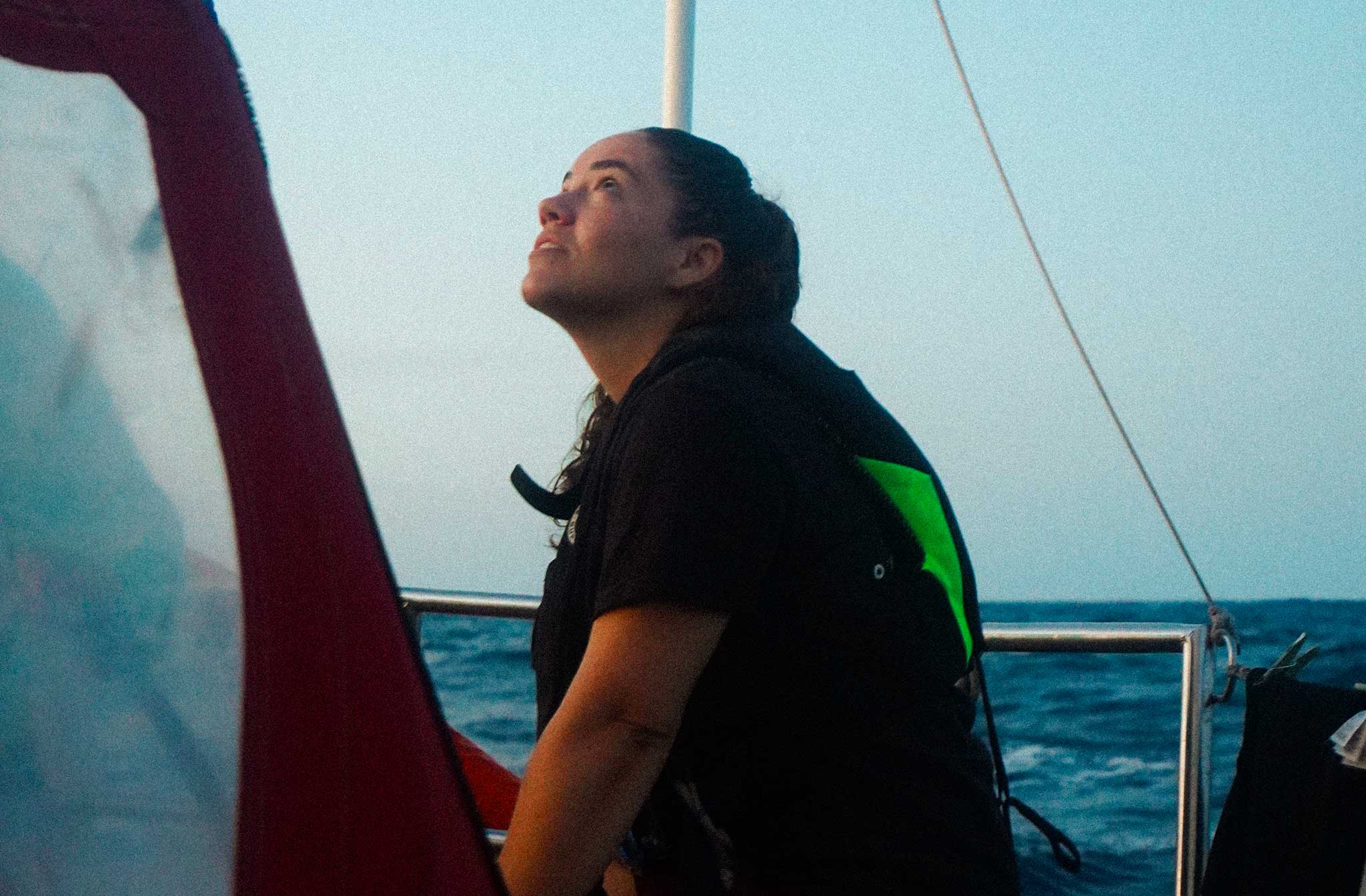
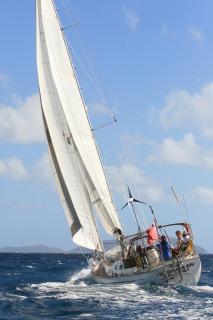
In retrospect, the whole crossing was a wild proposition. If you recall from last month, we had charter of the 1985-1986 Whitbread Round the World race winner L’Esprit d’équipe (or Team Spirit) for the trip. Though fastidiously maintained, there was one thing she didn’t have: an autopilot. We were going to hand steer across an ocean with just four of ten crew members knowing how to sail.
There were moments before we shoved off that I questioned why I’d agreed to this. After Alliance sank, I’d promised myself that I would never go offshore on a boat that I didn’t know and trust or with people I didn’t know and trust. Things can go wrong too quickly out there for anything less.
But aside from befriending the project manager/first mate and hearing about the boat’s racing pedigree, I didn’t actually know all that much about the rest of the program before we set off. In the weeks leading up to our departure, I waited with mounting dread for my lack of due diligence to come back and bite me. Even cheerful updates from the shakedown leg didn’t ease my guilt over the fact that I was about to break a promise to myself.
The simple, human truth is that I desperately wanted to sail across that ocean. It’s been on my bucket list for years, and I couldn’t help myself when the offer was presented. You only get one shot at life: both a reason to take the leap and a reason to play it safe.
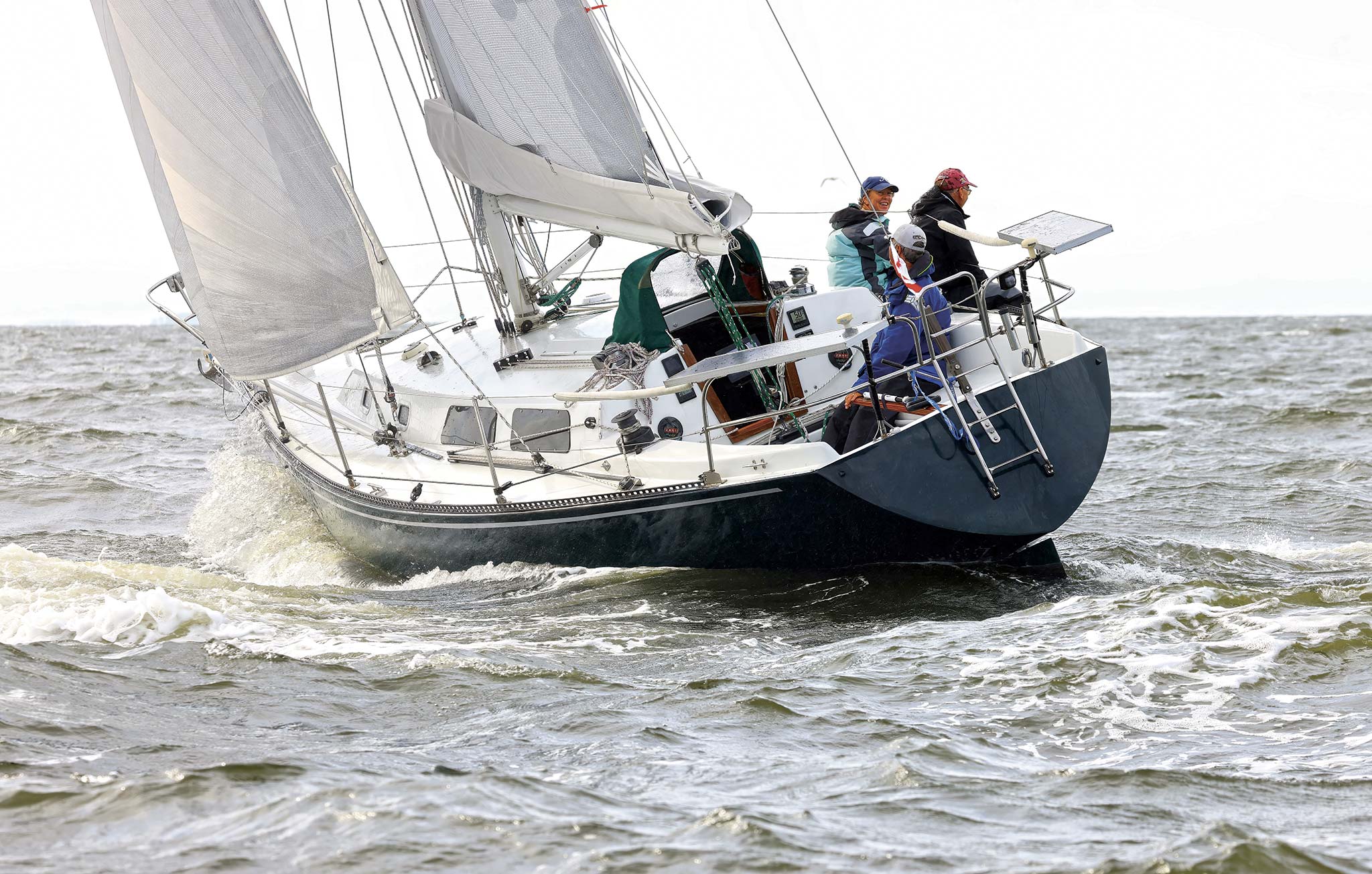
The 1980s were a watershed decade in sailing history, so as the editor of a sailing magazine, I’ve spent a lot of time meditating on the era when L’Esprit d’équipe was designed. The second I saw the boat, I was smitten. It was like stepping back in time. L’Esprit d’équipe won the Whitbread the same year Tracy Edwards first sailed in it (then serving as cook, not captain). That race was the first domino in a chain that would lead to Team SCA in the 2014/2015 Volvo, and ultimately my own career in sailing media.
The boat is everything a classic offshore raceboat should be: A complex, grounded machine with a bit in her teeth and the record to prove it. The interior is stripped down, just nine pipe berths around a galley, head, and engine. There’s still a weather fax machine mounted above the nav desk. The green walls are covered in quotes and messages left by the sailors who came before us, all in French: “Bon courage. C’est dans le beson qu’on reconnait l’esprit d’équipe.” Good luck. It’s in times of need that true team spirit is revealed.
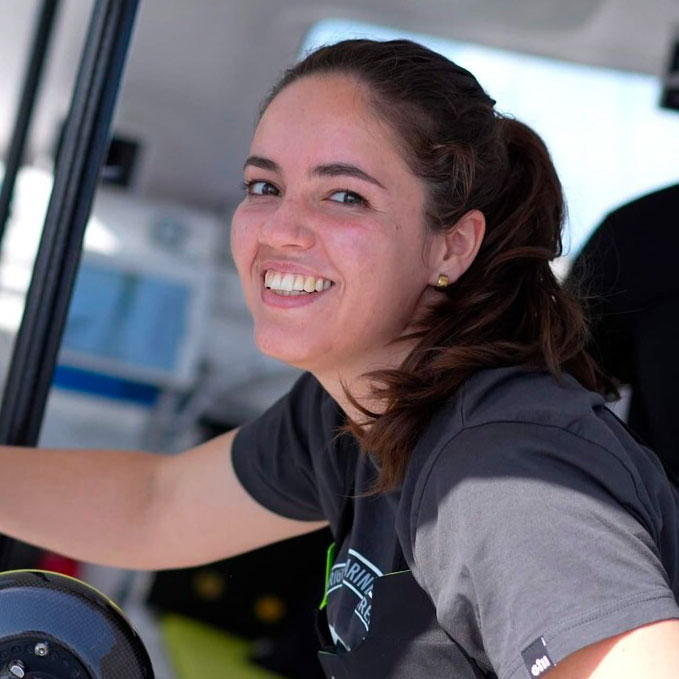
The team in question for our crossing was all women, a fact which I hadn’t thought much about until my dentist heard about it and said, “That’s wild! How are you going to know how to get there?” It made me laugh. The same way men get there, I assume, unless the gents are holding out on us. If they are, Capucine, our 30-year-old captain was in on the secret because she got us there safely, responsibly, and only a day behind schedule.
I’ve never sailed with an all-female crew before, so I can’t say if it was because of gender, or because we all came to the project with a united mission, or because my European crewmates have a higher standard of what counts as edible than I do, but the voyage was calm and comfortable despite all the usual trials of being at sea. I had more sleep than I’ve ever had on a boat, and frankly we may have been the only sailors in history hand-rolling butternut squash ravioli for a sage-butter sauce on our approach to the equator.
I don’t think this is too much of a spoiler, but it all turned out alright. Still, I ought to have done my homework to ensure that that was going to be the case. In the end, though, the crew got on famously and the boat took good care of us.
It turns out my takeaway from both the wreck and the transatlantic were exactly the same: When you’re doing something hard, loving and trusting both your crew and boat really makes all the difference in the world. I should’ve listened to myself in the first place.
— LydiaLydia can be reached by email at lydia.mullan@firecrown.com or lydiaatsea on Instagram
This article was originally published in the April 2026 issue.