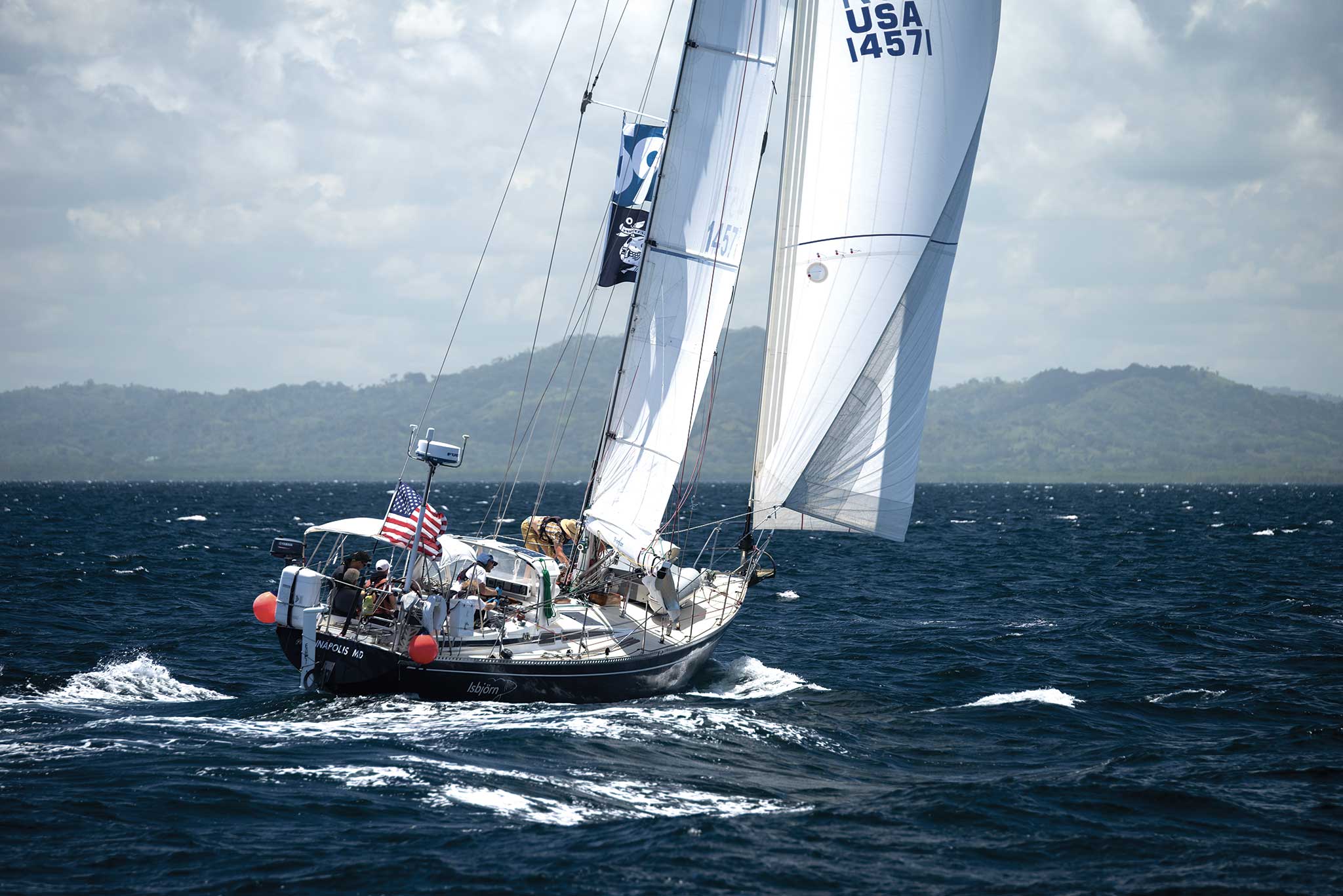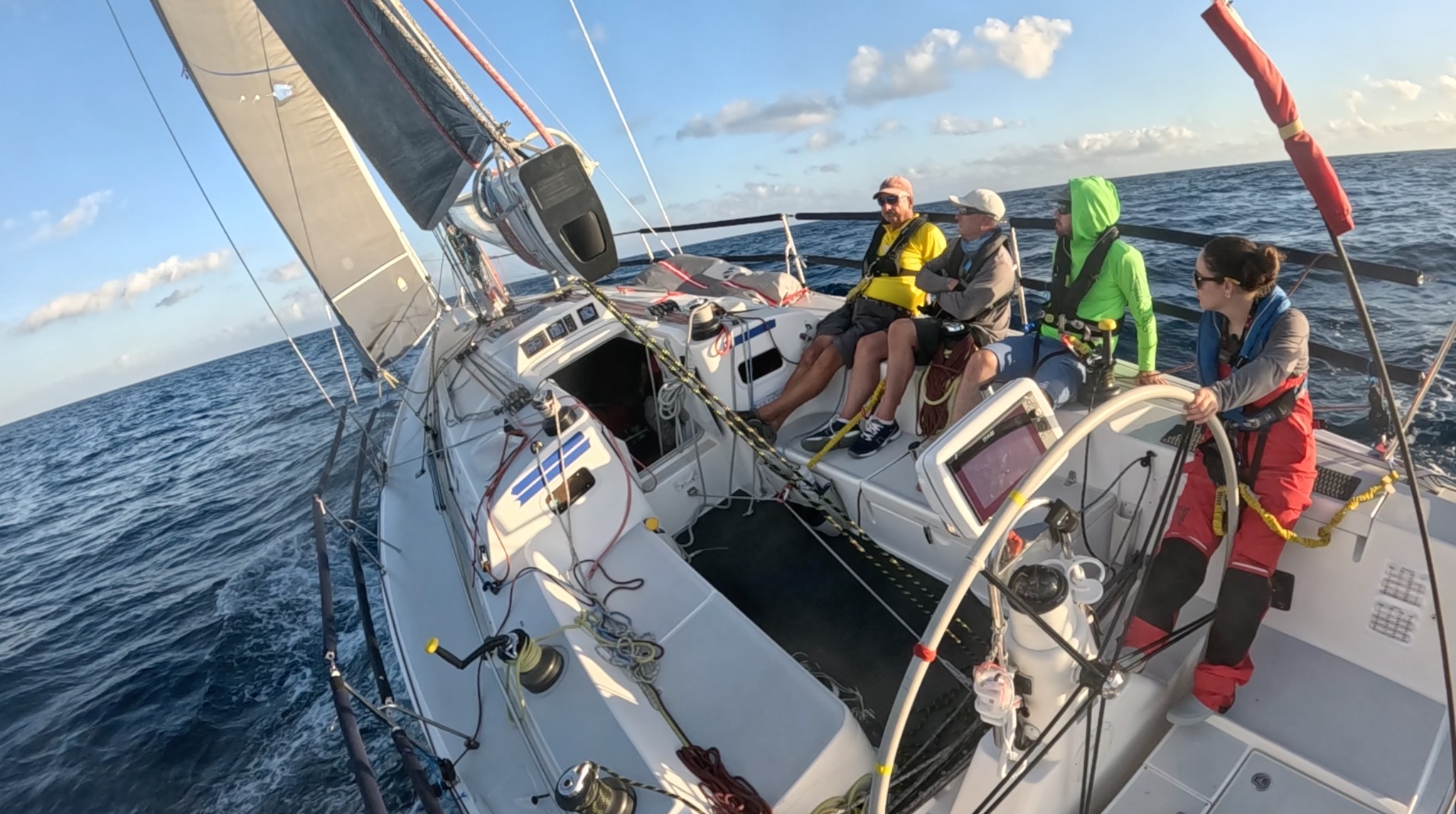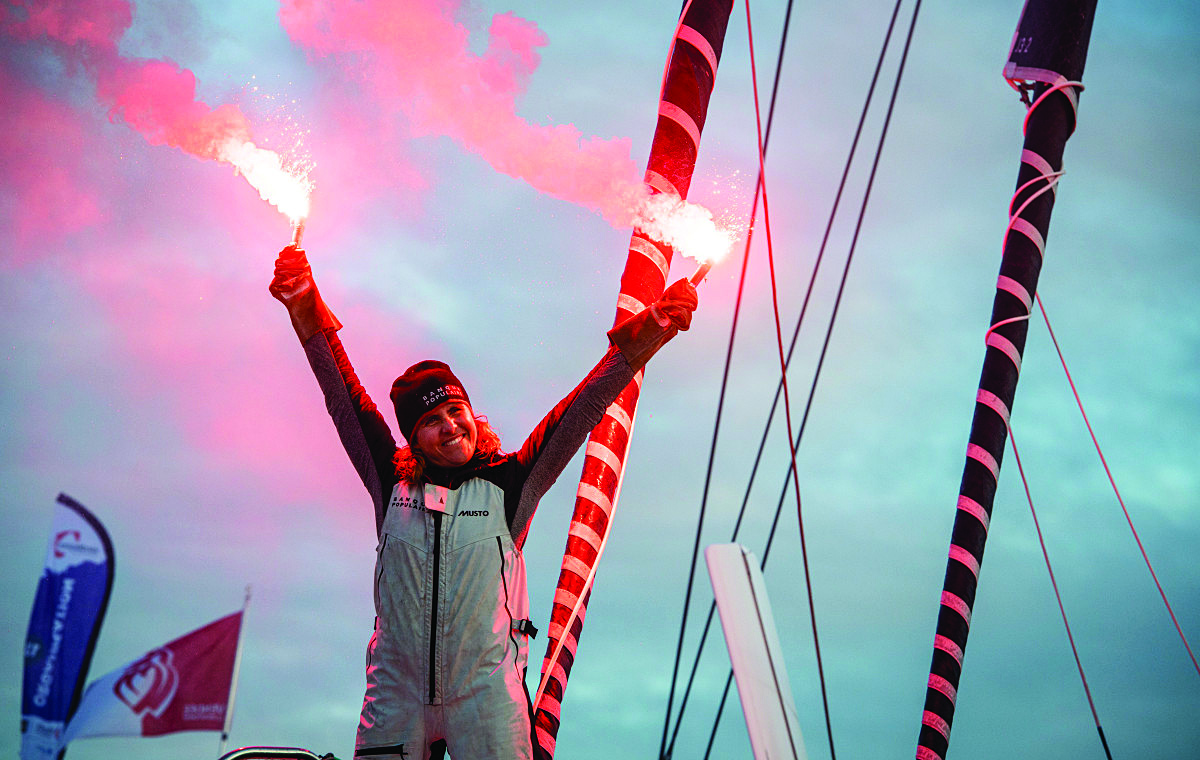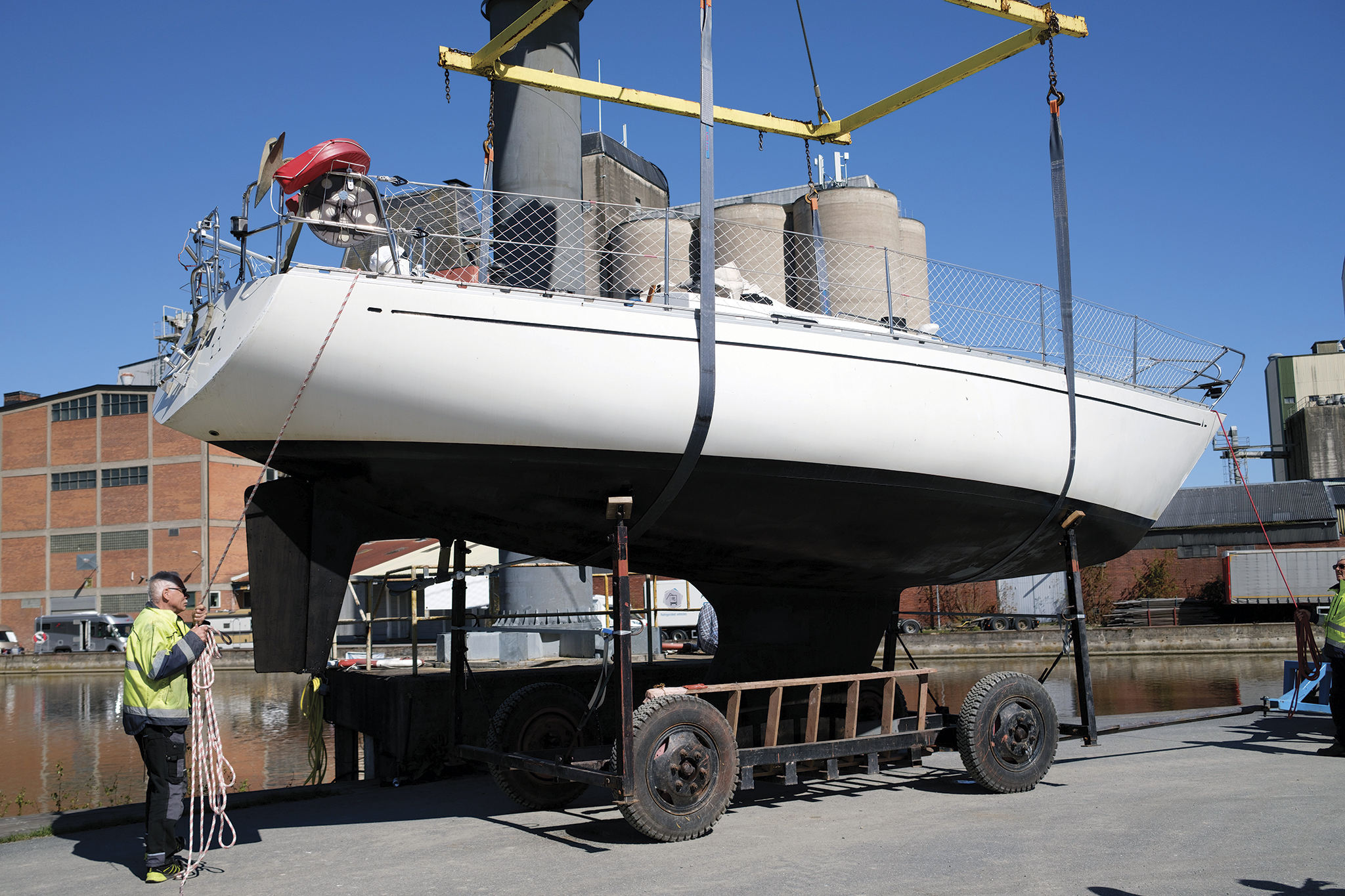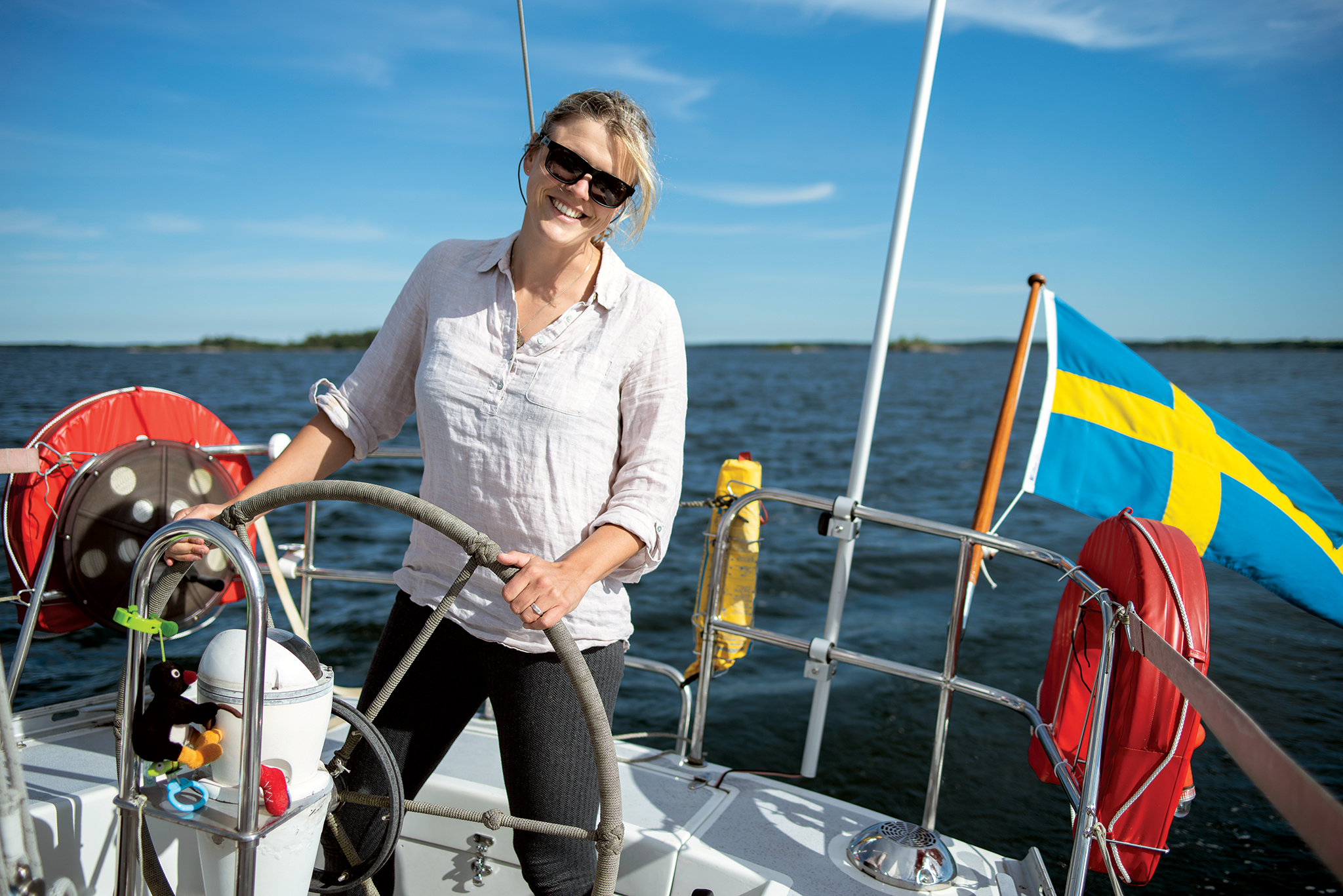
In the May issue, Charles Scott writes about sailing OPBs—other people’s boats—and a host of voyages that he’s been on thanks to generous invites, offers to lend a helping hand, or the initiative to try something new.
I am also a devout practitioner of the OPB philosophy. This is partially because I don’t have a boat of my own, unless you count the old laser turning green in my parents’ backyard (more on this another time). But I also agree that it’s a useful challenge.
Charles lays out a whole host of reasons why hitching a ride with someone else is worth your time—even if you do have a boat of your own. Different boats have different lessons to teach, as do the people who sail them. Plus someone else’s itinerary might have you visiting places you otherwise wouldn’t or practicing skills that you’ve neglected on your own time.
Sure, if you’re used to running the show it can be awkward to fumble through someone else’s protocol, or you may shove off and belatedly realize that you’re not exactly destined to be lifelong friends with some of your new crewmates. You will probably have to learn something new, and it will probably be uncomfortable.
But a little discomfort is okay, I’d argue. Good, even. Getting too comfortable means sacrificing the wonder that comes with broadening your horizons. Challenges are part of the experience.
As we get older and more settled in our lives, we are often afforded the pyrrhic luxury of avoiding having to be a beginner. But being a beginner is an important experience at any age, offering us humility, challenge, and ultimately joy. We stagnate when the balance between novelty and comfort swings too far in favor of the latter.
So find an OPB adventure this summer. If it’s hard, you’ll be better for it.
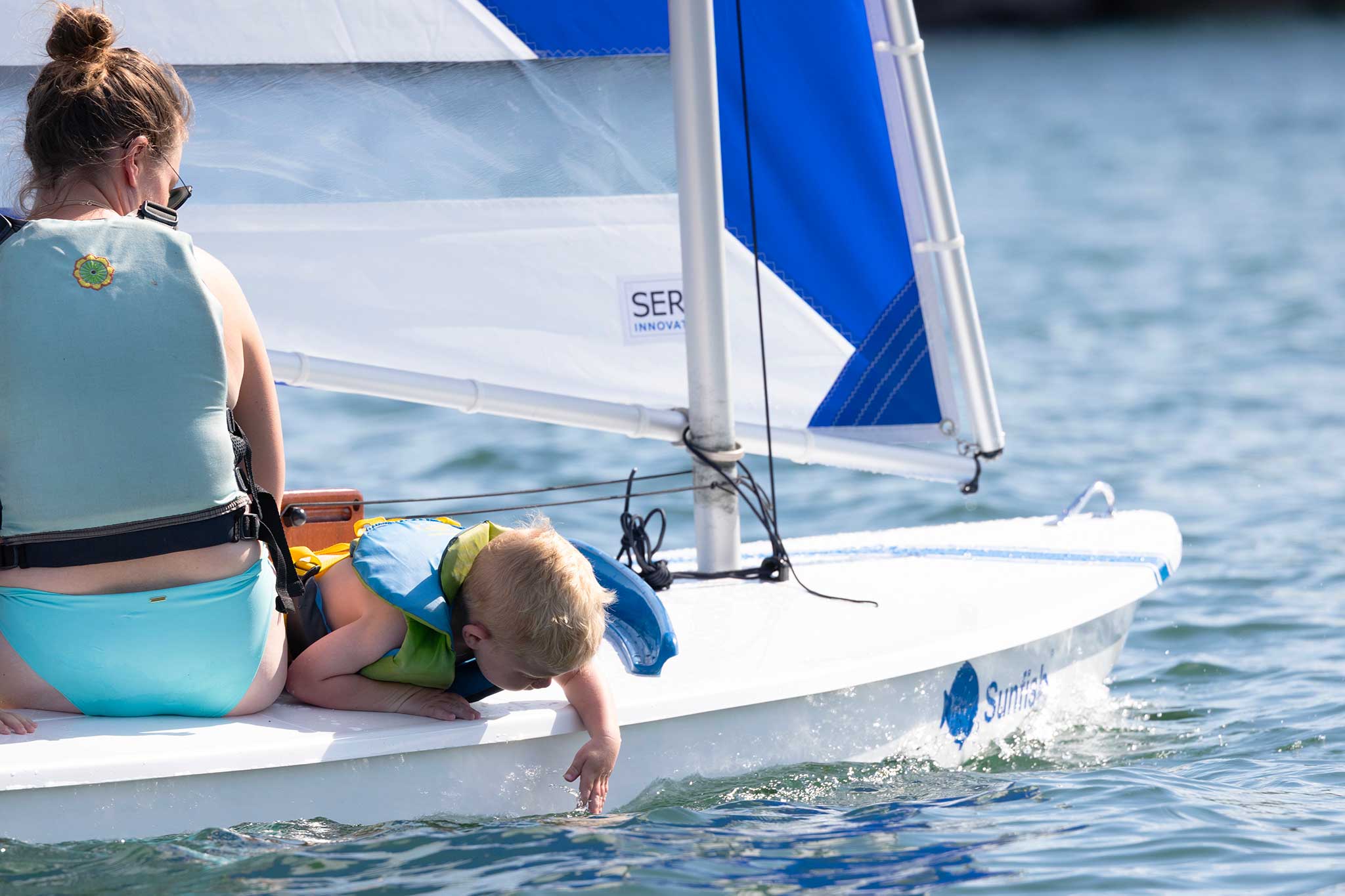
And what about being the OP with a B?
Over the years I have had countless conversations in which people have asked me, “How do we get more young people in sailing? The average age of our yacht club goes up every year, and we’re worried about what that means for the future of the sport.” I’ll be totally honest: as someone who did stick with sailing, I don’t always feel well equipped to speak for those who made different decisions than I did.
I will say that for the first five years I was working at SAIL, I didn’t have any sailor friends within 30 years of my age. It wasn’t until my late 20s when I started sailing offshore that I really developed a friend group of my peers. And of course, it was all thanks to an invitation to sail on someone else’s boat—one that had a close knit multi-generational crew that was well embedded in the local community.
There are a few people out there who see a YouTube channel or social media page and decide to buy a boat in a vacuum, with no community, prerequisite skills, or time on the water. But there aren’t a lot of them, and I don’t think that’s a reliable way forward. Instead, sailing is a practice that is mostly passed down from person to person. Often grandparent to parent to child, sometimes friend to friend, and in my case stranger to stranger—until we became friends and family.
Ultimately, people like me stick with sailing thanks in large part to the boat owners who foster little communities around their cruising schedules or race programs. If you have the opportunity to be one of them this summer, do it. If nothing else, you’ll probably learn something new there too, either from your new crew or from teaching them.
Lydia can be reached by email at lydia.mullan@firecrown.com or lydiaatsea on Instagram
This article was originally published in the May 2026 issue.