Note: This story is excerpted from SAIL Contributing Editor Christopher Birch’s upcoming book The Four Seasons of Boat Maintenance—a compendium of lessons learned during his 40-year career maintaining other people’s boats as the founder of Birch Marine Inc. in Boston. In this excerpt, Chris offers some helpful tips on selecting a good marine pro to help with your boat.
The boat owner looking to outsource some of their boat maintenance and repair work will need to carefully select a good marine service provider. I’ve been on the other side of this relationship for decades, and I have some perspective to share on making a good choice.
First, there are some obvious considerations: It should go without saying that a competent and experienced provider with a good reputation is a prerequisite. Boat work is complicated, and quality workmanship rarely comes at basement prices. The cheapest price quote isn’t always the best option. Geography is also important. It’s handy to work with a service provider who is conveniently located near where the boat lives. Beyond that is where the nuance factors in.
Communication is one of the most important parts of being a good boat professional. The boat owner deserves to know what to expect in terms of cost, timeline, and final results before the project begins. They also need to be kept up to date on progress during the work and consulted when problems or choices arise. A service provider who responds promptly, clearly, and thoroughly to an initial inquiry is also likely to communicate well if hired to work on the boat.
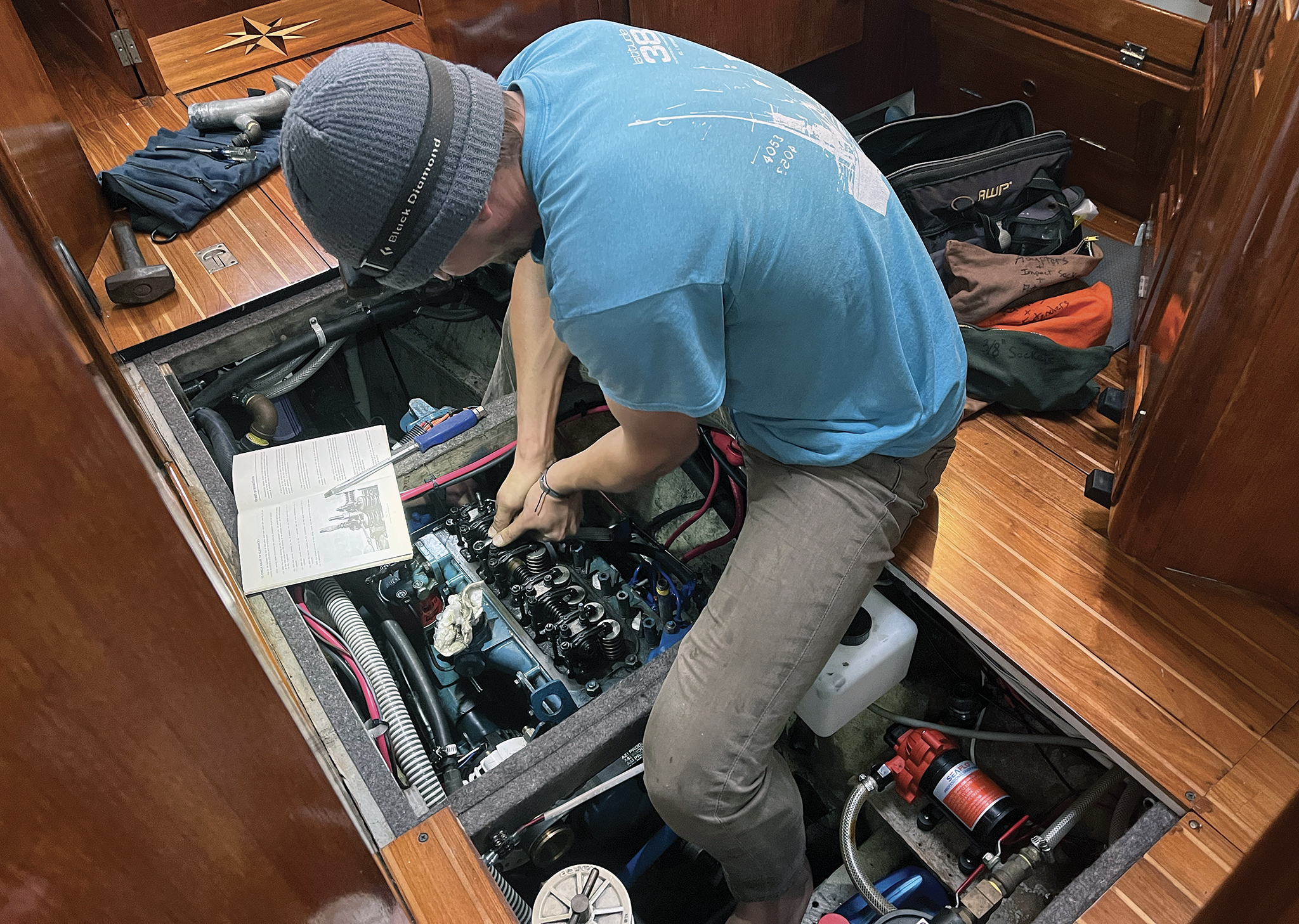
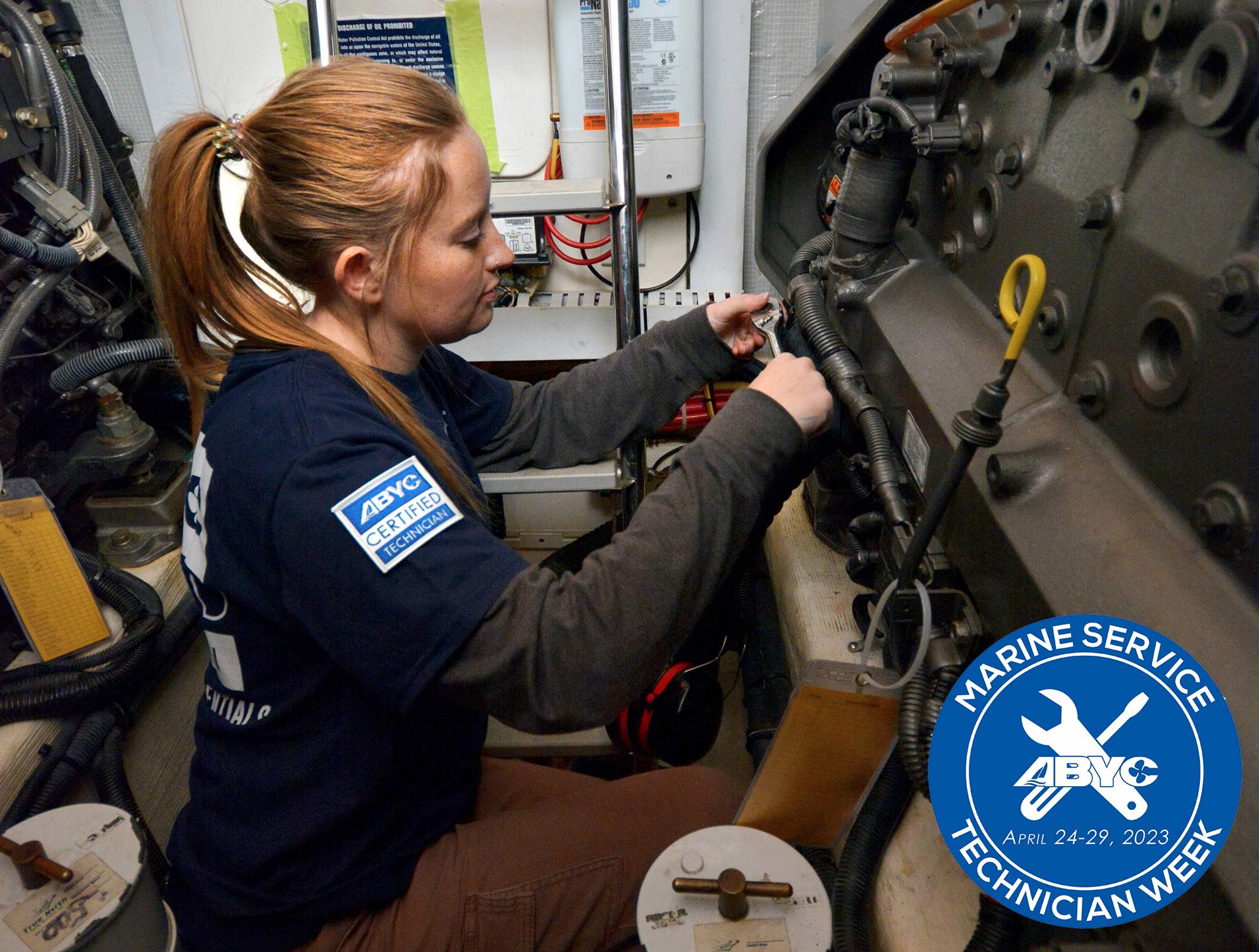
A typical boatyard technician will often be tasked with a wide variety of projects, like installing a radar, changing engine mounts, and troubleshooting a diesel heater—oftentimes all in the same week. Specialists for these projects are also available. The boat owner will often need to decide if they want to seek out a specialist or instead opt to work with a generalist technician.

Let’s look at a hypothetical project where a boat owner is looking to hire someone to add a bow thruster to their boat. The thruster specialist installs bow thrusters all day, every day. Because of this, they know everything there is to know about bow thrusters, and they can install one in the boat efficiently. The generalist, who regularly takes on a wide array of boat maintenance and repair projects, can also do a great job installing that bow thruster. The generalist tech will inevitably need to spend more time with the installation manual, familiarizing themselves with this latest model of thruster and its installation requirements. The work is likely to proceed more slowly, and the installation will inevitably take a little longer as a result. However, the upside of working with a generalist may well offset any efficiency lost in the installation. A competent generalist will be experienced with and trained in the installation and repair of all systems aboard the boat. The holistic approach the generalist brings to their work will ensure that the serviceability and functionality of all ship’s systems are considered during installation.

The single-minded focus that a specialist brings to their work can have a downside. I’ve seen a bow thruster installed by a thruster specialist that permanently denied access to the speed paddlewheel thru-hull, a component that needs to be removed regularly for cleaning. I’ve seen another bow thruster install that permanently denied access to the anchor windlass battery. And I’ve seen a third bow thruster install where the specialist installer removed the inner forestay below-deck load turnbuckle to create space for the thruster. In all cases, a holistic-thinking generalist would avoid these poor choices.
Another advantage of working with a generalist is that the boat owner can develop a strong relationship with one service provider who is well-suited to take on a wide range of maintenance and repair tasks aboard the boat. The old saying goes, “Jack of all trades, master of none, though oftentimes better than a master of one.” There’s something to be said for embracing a holistic approach.
Pricing is another factor to consider. Different marine service providers have different approaches to pricing their work. It’s important for the boat owner to recognize and understand the different methods and reflect on their comfort level with each one. Pricing strategies generally fall into one of three categories:
1. The open checkbook: I know of boatyards where money is simply not discussed. The boat professionals just go ahead and complete the work the boat owner requested. Along the way, the conversation is all about the work and not about money. Decisions are made based on what’s best for the boat, not based on financial considerations. At the end of the project, the boat owner pays the bill presented without a fuss. Estimating projects is time-consuming, and that fact ultimately raises costs for the consumer—often indirectly through higher labor rates. Working without an estimate cuts costs for the service provider, which should translate into savings for the consumer.
This is probably the best way to go if the boat owner can find a way to feel comfortable with it. The boat pro wants the owner to be happy about all aspects of the experience, including the unmentioned cost, so that they will return for additional work. A good boatyard values trust, and they will treat their customers fairly. The problem here is that some boat projects can be shockingly expensive. It’s not uncommon in boats for a decimal point to work its way off station by a place or two from where you might expect to find it. If the boat owner is on a budget of any sort, it would be smart to get an idea of costs before agreeing to a project. Most boat pros understand this. We definitely don’t want customers to suffer from sticker shock once the work is complete. A price quote or estimate can effectively resolve the problem for everyone involved.
2. The price quote: A fixed price is a comforting thing for a boat owner to rest against. When working within this structure, it’s important to know that the boat pro will inevitably bump up the quoted price to protect themselves against unanticipated difficulties. It’s also worth noting that under these terms, the service provider is incentivized to get in and out quickly—not something that is inherently beneficial for the work or for the boat. When working with a fixed quote, it’s important to clearly define the scope of the work included in the project.
3. The estimate: An estimate should not be read as a fixed price. When, or if, a project goes overestimate, it’s important that all parties involved understand how that contingency will be managed at the outset of the work. I like the estimate; it was my go-to approach for pricing. I always included the following disclaimer to clearly define what would happen should the project go over budget:
“The pricing listed above is an estimate. We may come in under this pricing. We guarantee not to exceed this pricing by more than 10% unless significant changes are made to the scope of the project.”
After much trial and error (and spying on how other yards were coping with this issue), I ultimately concluded that the estimate, with the governor clause attached, was the fairest and best way to approach pricing.
This article was originally published in the May 2026 issue.