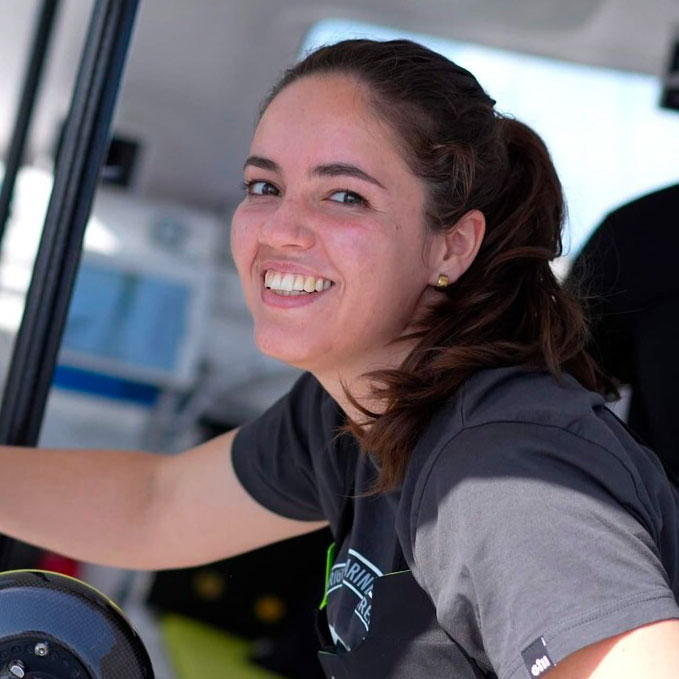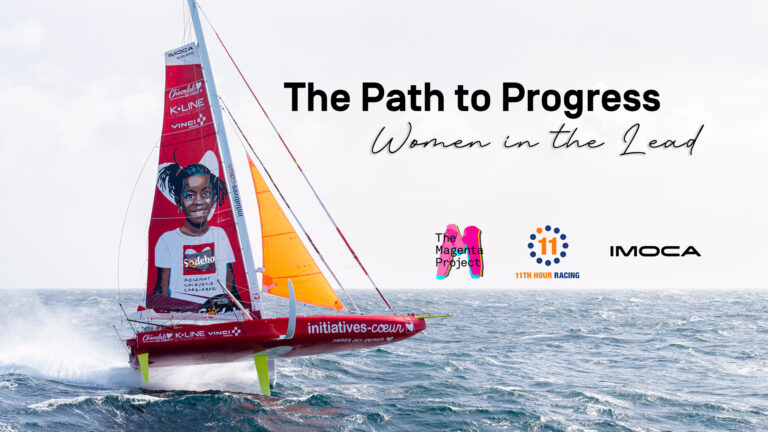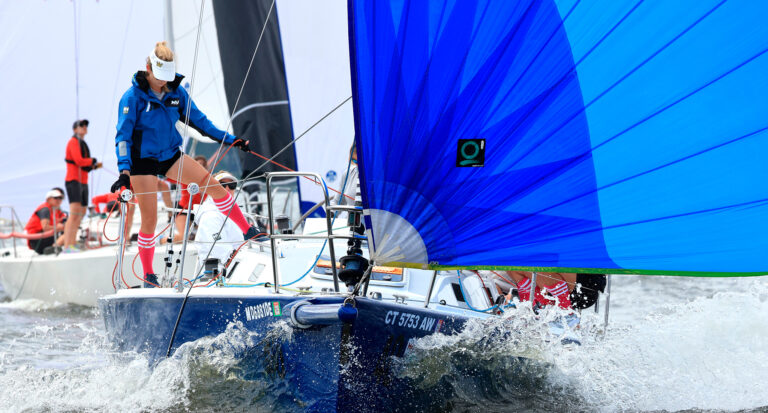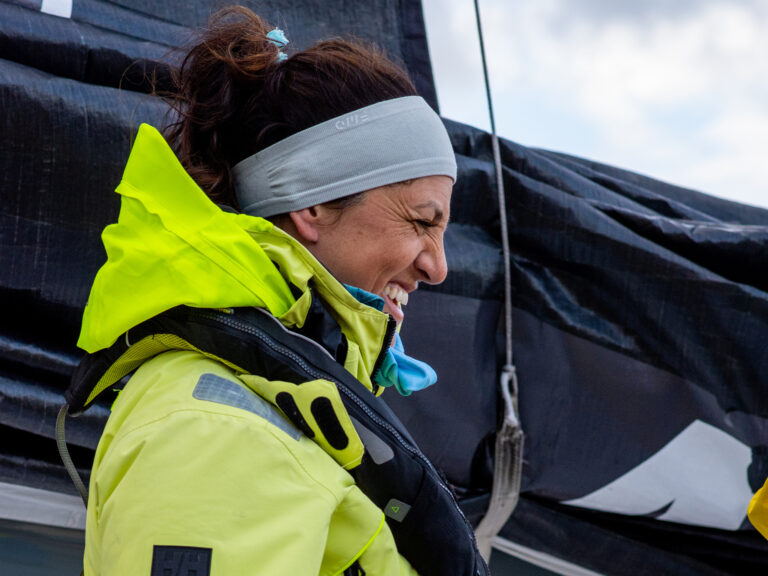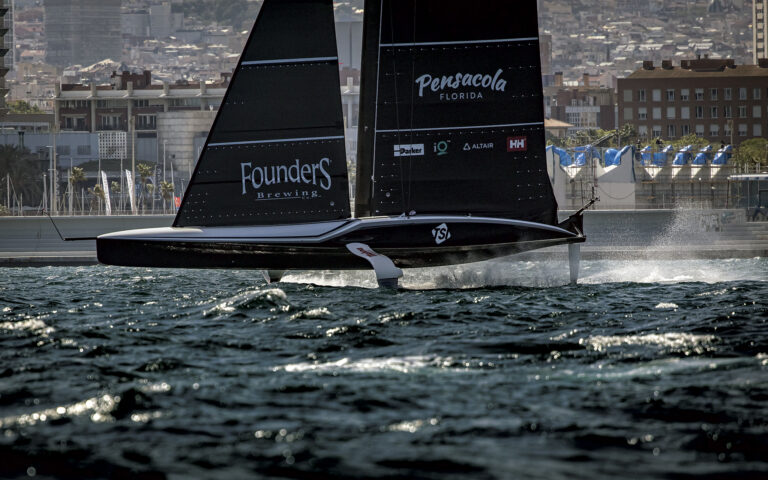
“To be honest, when I was young I didn’t really imagine that any of this could be possible,” Francesca Clapcich recalls with smile and just a hint of wistfulness. She’s fresh off of a second place finish in the Transat Cafe L’OR, planning out her first season as the skipper of an IMOCA and chipping away at the miles necessary to secure one of the 40 coveted spots on the Vendée Globe starting line in 2028. If she makes it, she will be the first American woman on the starting line in 11 editions of the race.
But there’s a long way to go between here and there, and the path isn’t an easy one. Take a look inside her campaign, the ups and downs of life as a professional athlete, and what we can expect from the next three years with 11th Hour Racing.
The Early Days
Clapcich remembers not having many female sailors to look up to as a teen growing up in Trieste, Italy. It seemed to her that there was really only one avenue for competing at a high level in her 20s: “Being a woman in this sport, what I could imagine was trying to go to the Olympics. If I work hard, if I put a lot of effort in, and I get a lot of training, I could imagine that.”
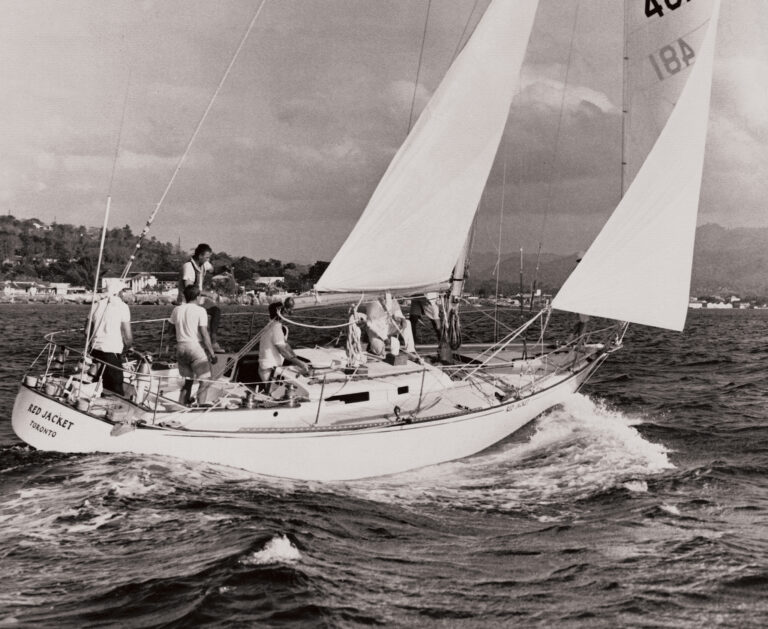
In reality, she did more than imagine. Clapcich represented Italy in the 2012 and 2016 Olympics in the laser and 49erFX respectively. But dreaming bigger than dinghies still seemed impossible. “It was extremely hard to imagine that I could ever get into big boat sailing and earn a salary to do it. In the end, that’s the biggest deal, right? We need to live on something.”
“For me, that was really a massive reality check after the Olympic campaigns. I was like, ‘okay, I love what I’m doing, but I also need to think about my future. I cannot do this for free my entire life.’ I just didn’t have anybody in front of me who had done it before. I knew I needed to make my own path forward from this small town in Italy, and that was a hard realization.”
She credits her coaches from her youth sailing club with believing in her more than she believed in herself during those early years. “And of course, I had a lot of people that gave me really massive opportunities. Dee Caffari, she picked me for her Volvo Ocean Race team in 2017-2018. She didn’t even know me. It was a big leap of faith for her to take a chance on this random young person from Italy.”
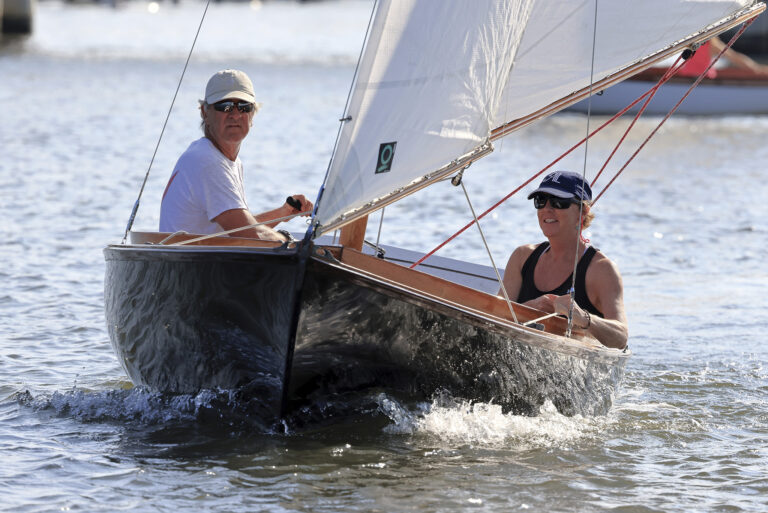
Though the Turn the Tide on Plastic VO65 campaign wasn’t a particularly high scorer in the Volvo Ocean Race, Caffari’s team gave a young, international cohort of sailors a chance to break into the world of professional offshore racing—something she’s still doing ten years later with the all-female Famous Project CIC team that she co-skippers with Alexia Barrier. The previous edition of the Volvo Ocean Race Caffari sailed with SCA, and she has a laundry list of sailing accomplishments including a Vendée Globe campaign and two world records.
Clapcich cites her as a major inspiration and the person who launched her offshore career. “I would not be here today without her giving me that first chance.”
When The Ocean Race announced that they’d be dropping the “Volvo” part of the title and adopting the IMOCA as their new primary class, it shook up the playing field. Overnight the crews were halved, with just four spots for sailors on each team. For the VO65 specialists looking to switch classes, there was a whole new boat to learn, and they had to compete with the primarily French fleet of sailors who’d already spent years perfecting the art of IMOCA design and racing.
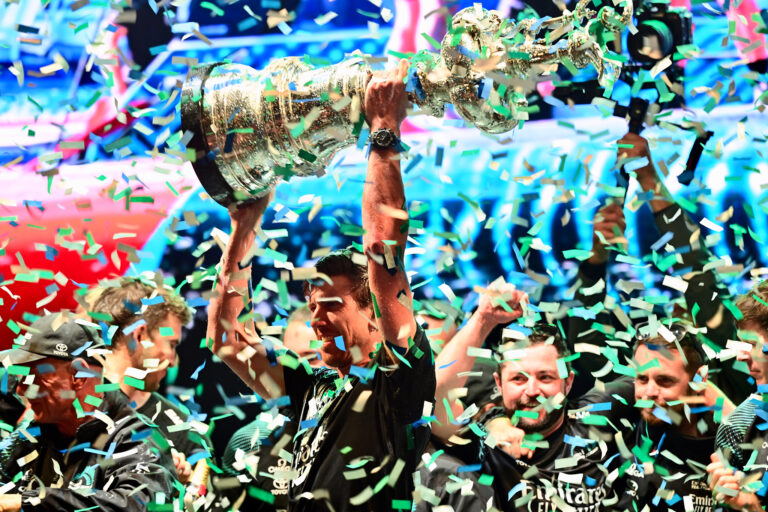
Still, Clapcich secured a spot with the American 11th Hour Racing Team and in 2023 became the first Italian to win The Ocean Race.
The Life of a Pro
In December of the next year, Clapcich announced that she had officially become an American citizen, four years after marrying the American sailor Sally Barkow, a fellow Volvo Ocean Race and Olympic veteran.
“I’m a dual citizen, and I’m proud of it,” Clapcich says. “I was born in Italy, my roots are in Italy, and that shaped the person that I am. But at the same time, the United States is my home. It’s where I built my family, where my daughter lives. I’m really proud to be American. I hope people understand that even if you’re not born here, you can have a place here.”
She has made Park City, Utah, her home, which may seem like an unconventional choice for a sailor, but she says the skiing is a big draw and helps keep her from getting stuck in the sailing bubble all year round. Still, the work-life balance of a professional athlete is an impossible equation to solve.
When asked how many days per year she spends on the road, she says, “Roughly…too many. I don’t know. Honestly, I don’t count, but I know that I’m definitely away from my daughter way more days than I see her. It’s been tough.”
“I think from the outside, people see this amazing life. Even my old friends and the ones here in Park City, too, they’re like, ‘oh, this is awesome, you’re always traveling.’ But I’m like, ‘well, it’s a bit of a different travel concept compared to what you have, right?’ As a professional sailor, you just go somewhere because that’s where the race starts or you go somewhere because that’s where you have to go for your sponsor. But it’s not a holiday.”
It’s a complicated and bittersweet contradiction, to be grateful for the opportunities she’s had and the career she loves while still mourning for what she had to sacrifice to get there.
A Surprise Podium
This past autumn brought another busy stretch on the road for Clapcich, competing with team Malizia in The Ocean Race Europe, followed immediately by the Transat Cafe L’OR (formerly the Transat Jacques Vabre) with Will Harris as a co-skipper.
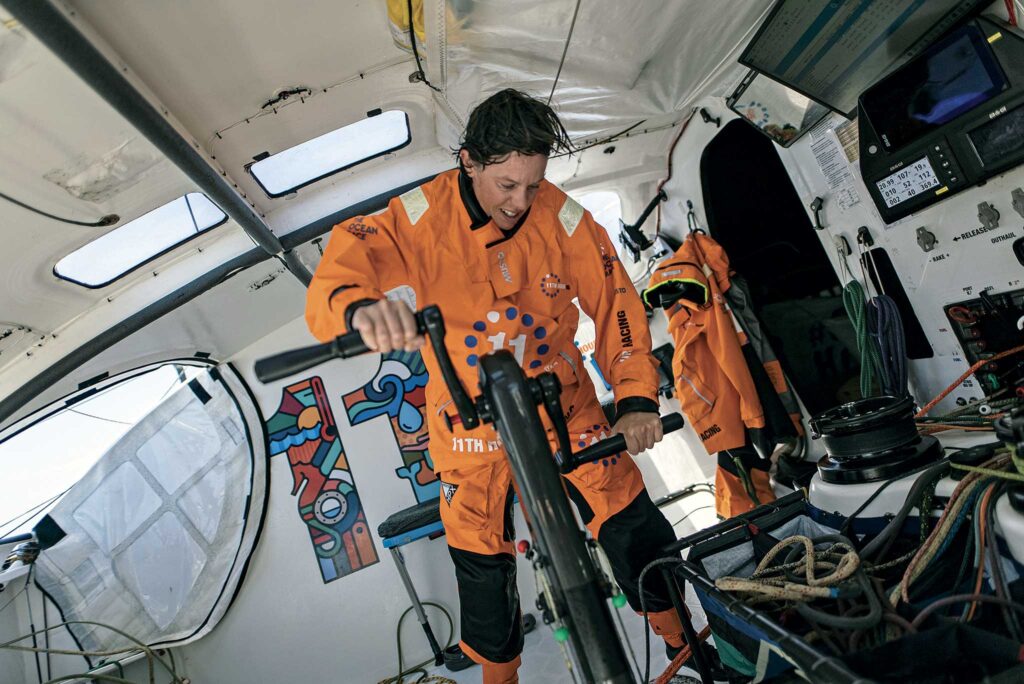
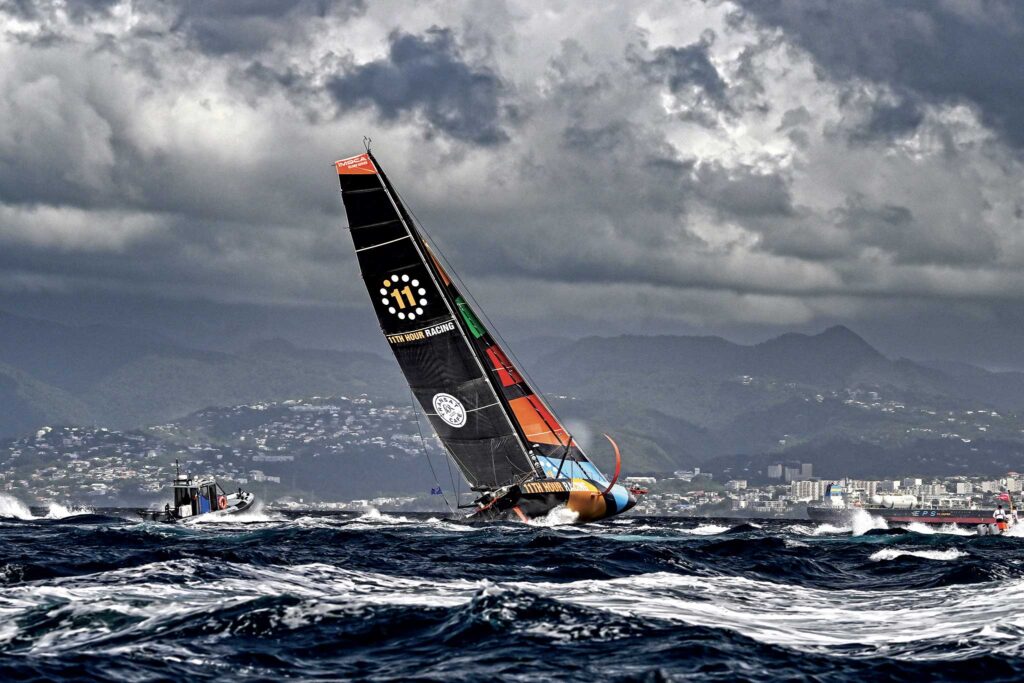
These two events were her first opportunity to race aboard the former Malizia Sea-Explorer, which will be rebranded with 11th Hour Racing livery as Clapcich makes her bid for the 2028 Vendée Globe.
“I don’t think they were expecting us to fight for the podium [in the Transat Cafe L’OR],” she says. “I think from the outside, the campaign was maybe seen a little bit as a communication project to talk about the 11th Hour mission, but in my DNA I’m really performance-based. I’ve been in that world my entire life, with really technical sailing, and Will has so much experience as an amazing navigator. He has an incredible understanding of weather routing systems. So, I think between the two of us, we pushed the boat really hard.”
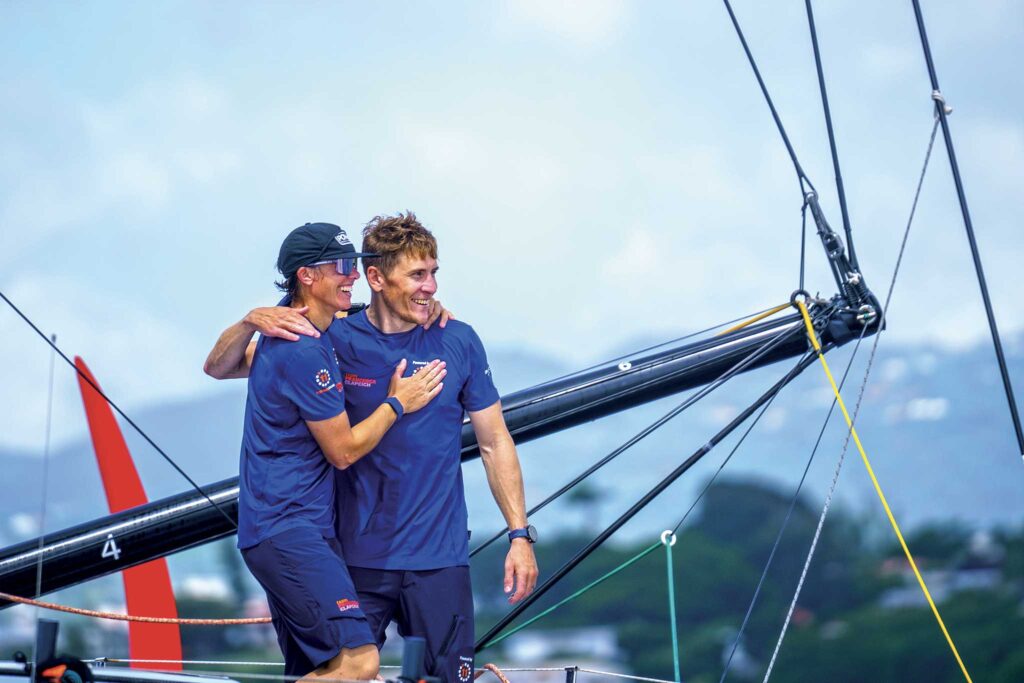
The pair, both in their 30s and relatively young for the IMOCA fleet, say they filled in the gaps in each other’s experience and worked collaboratively on their strengths. “And, we also had a very good time doing it.”
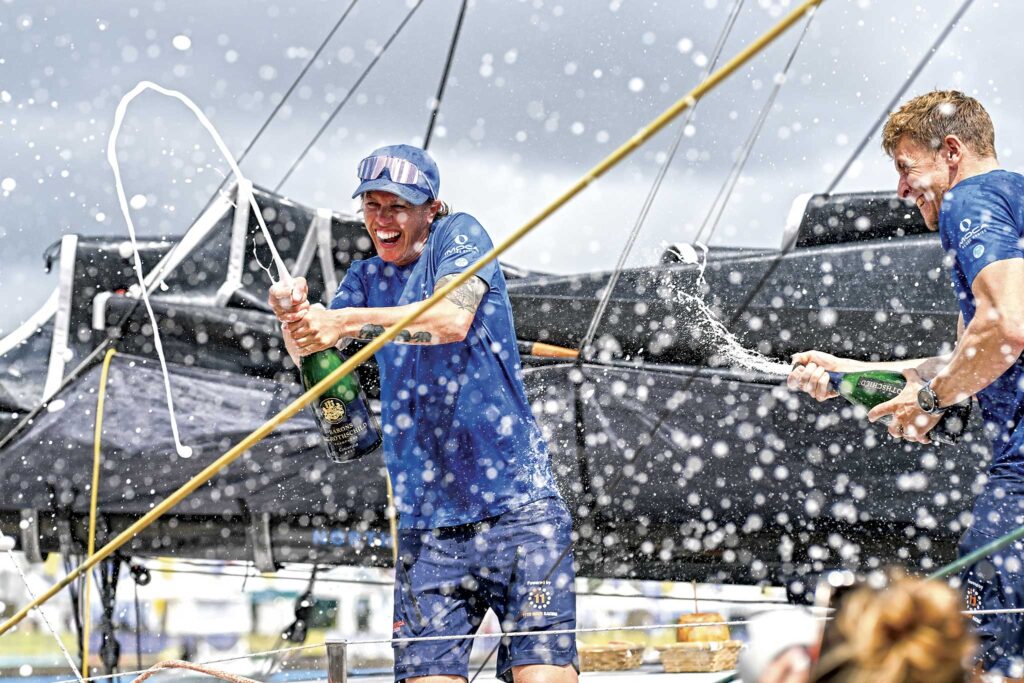
The race plan was set from the beginning, and Clapcich recalls not looking at the computer for the first 36 hours, just focusing on tuning the boat to perfection. From there, they took it one day at a time, never getting ahead of themselves when it looked like things were turning in their favor. The result was a stunning second place, just behind Jérémie Beyou and Morgan Lagravière’s Charal 2.
“The result, to be honest, it was quite unexpected. The boat can perform really well, and I knew we could have done it with a pretty good result, maybe the top five or top seven. But the podium was definitely not in our expectations.”
“It’s a really amazing result for the entire team,” she says. “In my position as a skipper, I’m the one having to go out on the water, but nothing happens without everybody else involved with the team. It’s impossible. I want to make sure that every single team member is valued for the massive work that they did.”
Despite the team chemistry and results, Clapcich says that we shouldn’t expect to see this co-skipper pairing again any time soon as Harris is still committed to team Malizia, and Clapcich has a huge amount keeping her busy in the coming years. There’s no word yet on who else might be tapped to fill out the roster for the crewed events on the 2026 schedule.

2026 and Beyond
Getting Clapcich to the Vendée Globe start line in good shape is the campaign’s one and only goal for the next few years. That means qualifying miles, boat work, and a lot of learning between now and then.
A short off season from December to March made time to refit and rebrand the boat, which required taking it completely apart and recommissioning it. Racing begins again in May, so there’s just one month of spring training before she’ll be back out on the course.
“2026 will really, really be a discovery year. I’ve never sailed solo on an IMOCA before, so I’m taking it quite, you know, in a humble way. I want to learn, and I don’t want to put any pressure on the results because it’s really just a massive learning curve.”
Not to mention that the new 11th Hour Racing is a big departure from Malama (the former 11th Hour Racing Team’s IMOCA, which Clapcich sailed around the world to victory in 2023).
“The boat can handle a bit more than what Malama was handling. We’re using the reef a bit higher than other IMOCAs, because they’re pitch poling sooner. We’re also using soft sails a bit more often than other boats. How you stack the boat is different. The comfort is also different. It’s a completely different design.”
The boat is a VPLP design and quite a bit heavier than the other IMOCAs of its generation, carrying more of its bulk aft. This is because it was purpose crafted for the specific demands of the Vendée Globe, namely surviving the brutalizing Southern Ocean. Still, that certainly doesn’t mean favorable conditions are guaranteed for another trip around the world. As always, whether or not the design gamble will pay off will be unanswered until the finish line.
Clapcich’s first season as the boat’s skipper will be a busy one, including the Vendée Arctique (June), The Ocean Race Atlantic (September), and the Route du Rhum (November).
“It’s definitely extremely focused on solo sailing, but we also have The Ocean Race Atlantic in the middle, which is crewed. So the boat will have to be put back into some sort of crew configuration for that. There’s a lot of work.”
More than throwing a spanner in the works for her refit team, the inaugural The Ocean Race Atlantic will provide a rare opportunity for American audiences to see her boat in action on this side of the pond. This is an important time for the campaign, especially because she feels connecting with the home audience has been a big struggle for American offshore sailors.
“People go to the bar and watch a football or basketball game, but sailing doesn’t really have that. The nature of the sport, it’s really tricky to get people involved and watching it,” she says. She believes it’s essential for fans to understand her as a human being and not just make the race all about the foils and weapons. “It’s important to see the personal lives and the stories of the skippers, too.”
A Sustainable Future
Clapcich’s sponsor, 11th Hour Racing, has a long history of funding projects with environmental sustainability missions. Though best known in the sailing world for their eponymous winning Ocean Race team, the organization has provided grants for scores of projects focusing on green technology, ocean stewardship, and ecosystem restoration (including the COP30 Transat on page 42).
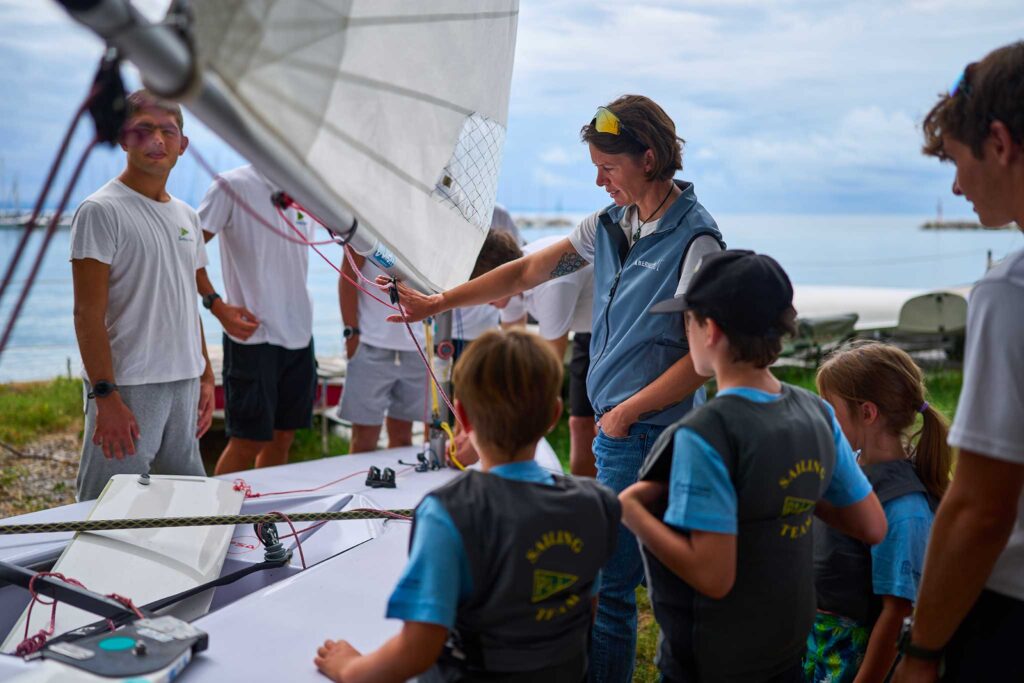
Clapcich wanted to add one more focus area to the list. “In addition to the environmental sustainability, I was also very interested in the human side of sustainability and the people who are impacted by it. Because that’s where a lot of the solutions to our problems come from. How do we bring more accessibility to the water? More people to this industry? How do we do outreach? How do we post jobs to find talent where people haven’t looked before?”
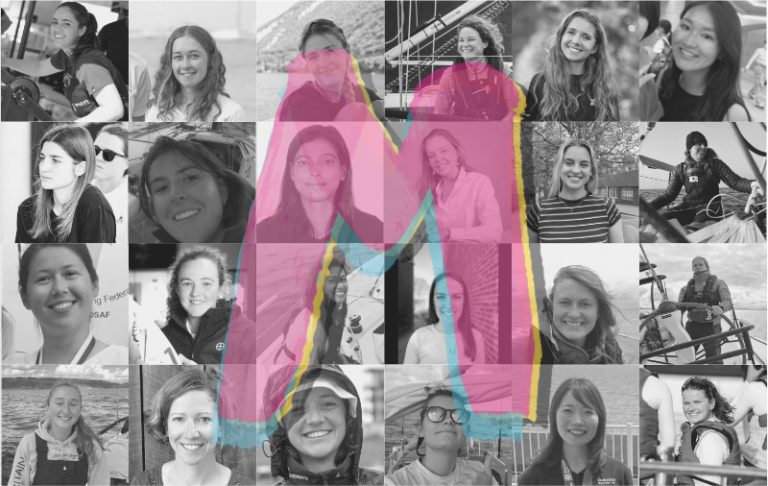
Her campaign is already working towards bringing in new young talent, in particular with paying crew roles on deliveries, which help get more experience to tomorrow’s IMOCA hopefuls. And in her almost nonexistant spare time, she has signed on to be a mentor for The Magenta Project.
It all comes back to one thing: those early years of not seeing anyone like her doing what she wanted to do. Now, her campaign is playing a role in changing the narrative.
“It’s not nice to be in a lonely place. It’s important that the next generation of sailors doesn’t need to fight the same fights that I did. Other incredible people did it before me, and I want to do the same for someone else coming after.”
This article was originally published in the March 2026 issue.