Changes are coming for The Ocean Race—or for the shore team organizing the race at least. They have announced a new partnership with the city of Porto, Portugal, where they will be building new long-term headquarters.
Based in Alicante, Spain, in recent editions, the move to Porto includes taking over two waterfront buildings, one for their headquarters and another to be a museum and education center that will invite the public into the worlds of both ocean racing and preservation.
“We want to inspire the world to achieve the extraordinary, and in Porto we welcome a long-term partner who shares that purpose,” says Richard Brisius, Race Chairman of The Ocean Race. “Porto and Portugal have a deep maritime identity, a powerful connection to the Atlantic, and an increasingly important role in sport, science, innovation and the blue economy. We are excited to build a future that will serve our sailors, teams and partners, strengthen our sport and, most importantly, help us do more for the ocean.”
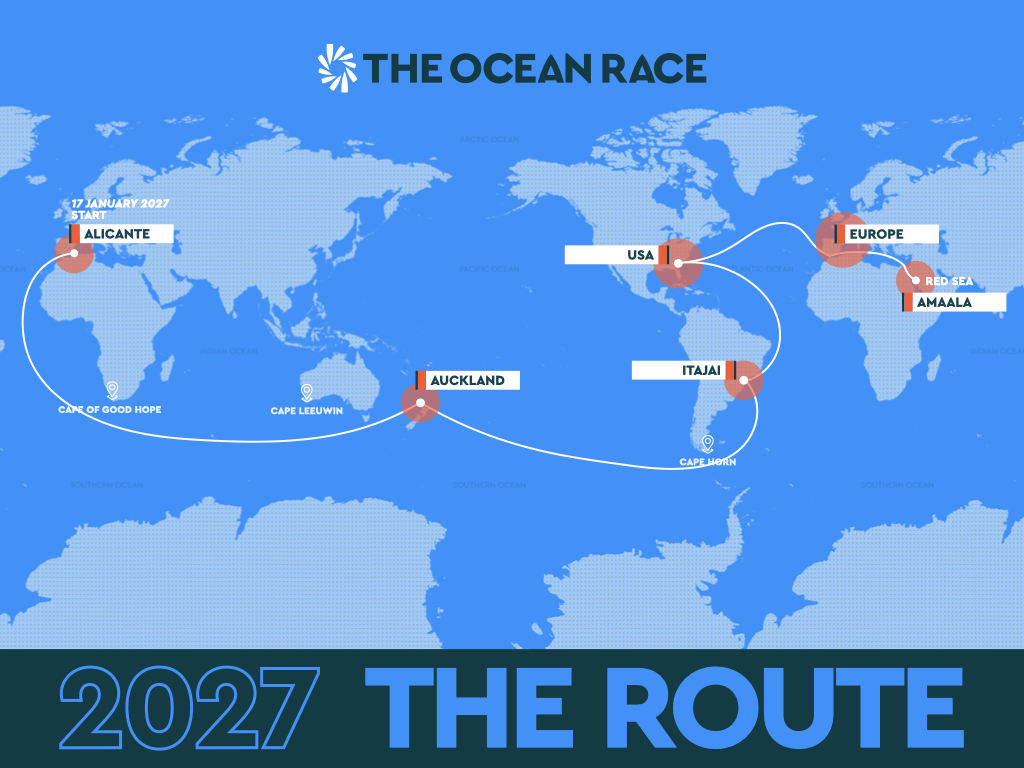
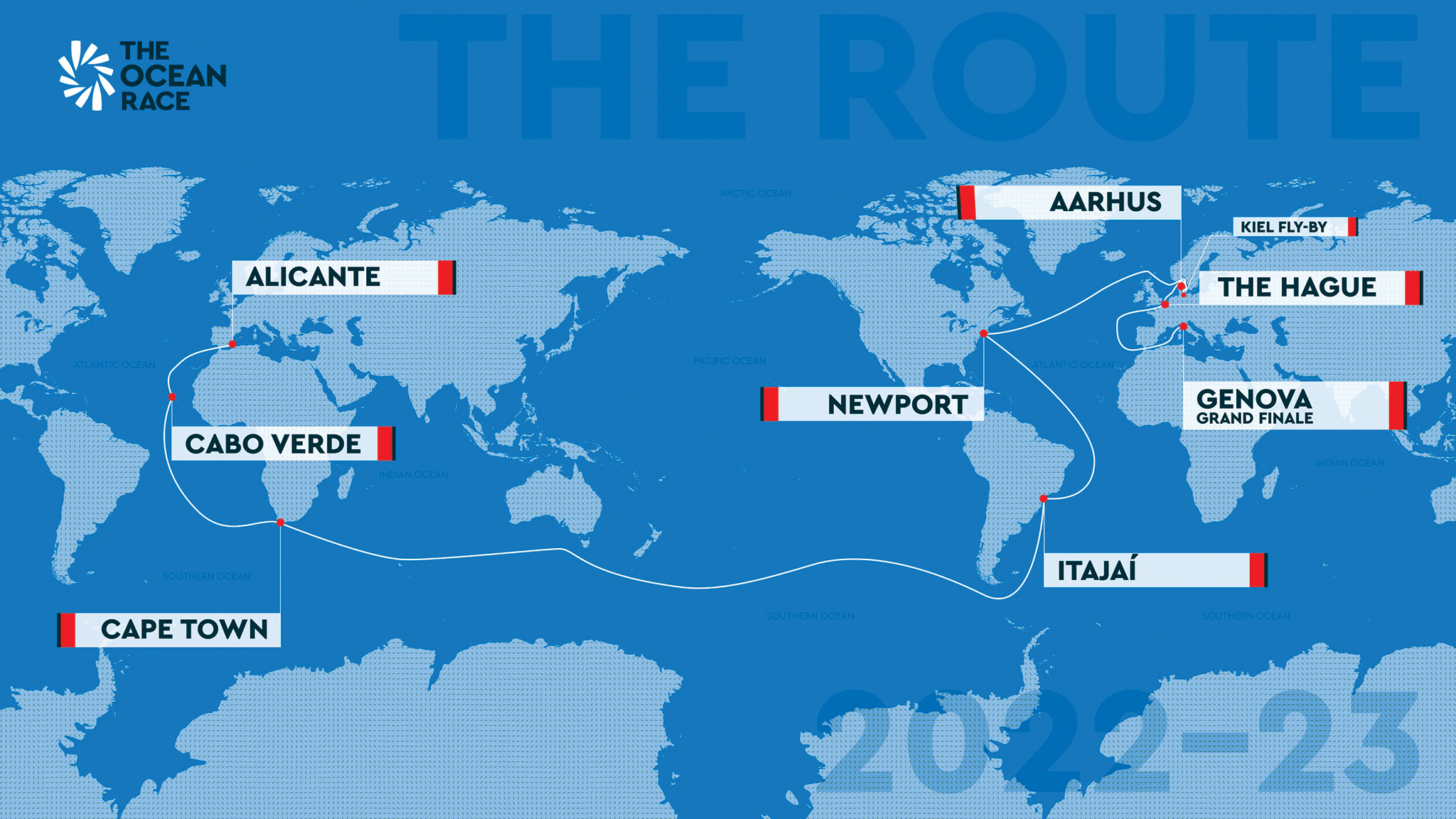
The 2027 edition of The Ocean Race will still start in Alicante, but the following three races (2030, 2034, and 2038) will all begin in Porto. The city has also committed to hosting at least six more international sailing events, plus The Ocean Race Summits and programs focused on ocean science, literacy, and education between now and 2040. They hope to develop it as a hub for ocean racing.
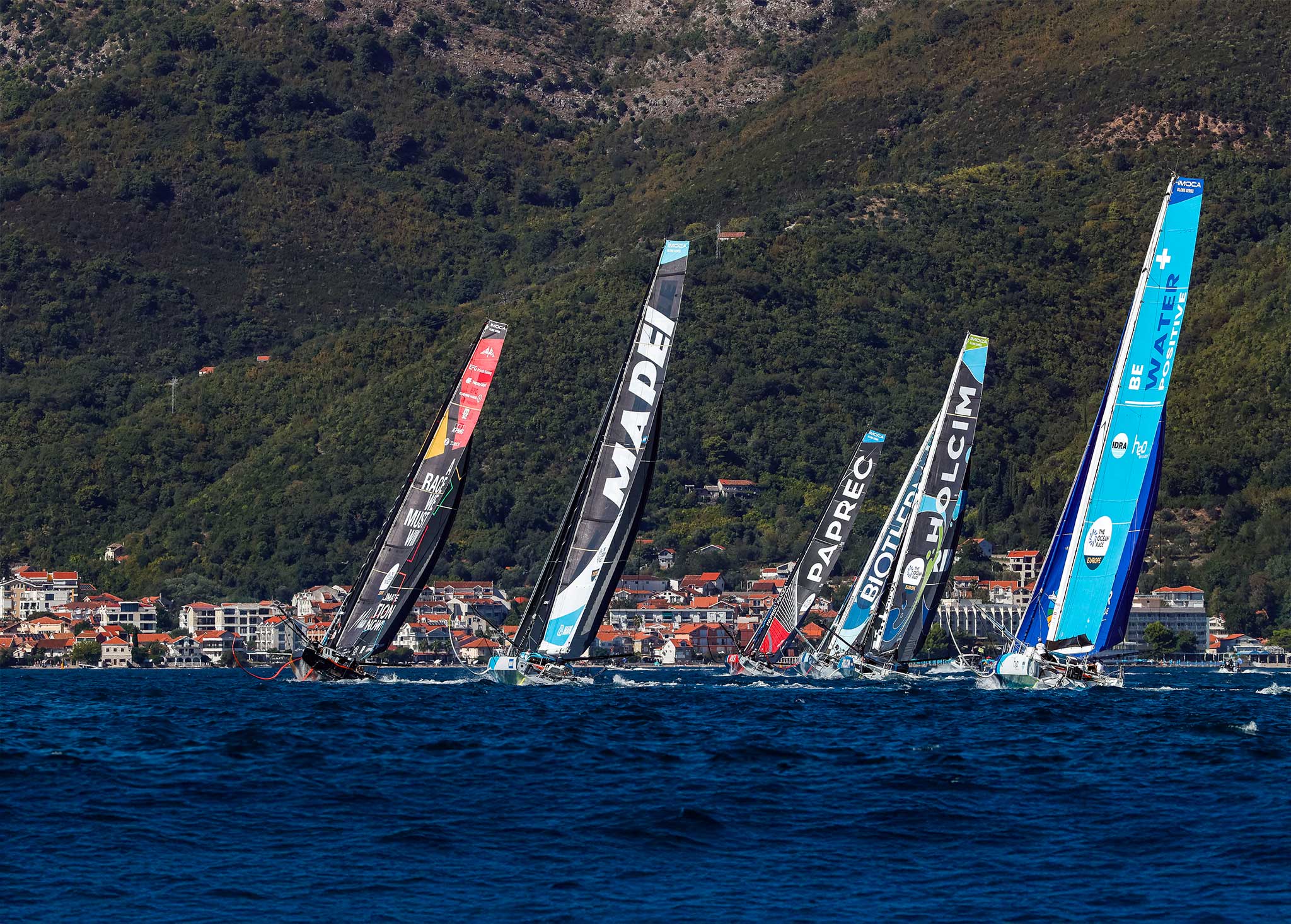
For an event that seemed on the brink of collapse after the 2017/2018 edition, with its cost-prohibitive race-owned fleet of VO65s and the loss of the Volvo title sponsorship, it appears that things are back on the upswing. Reimagining a financially viable concept of a crewed, multi-leg around the world race was no easy feat, and it required trading one kind of grand prix racing for another entirely. One design was traded for a box rule, crews of nine to 12 traded for crews of four, displacement traded for foiling…
The fact that The Ocean Race is now running three races per four-year cycle and expanding their advocacy and public education is a testament to the extraordinary efforts of the race organizers, not just to keep sailors on the racecourse but to help the sport find its place in the world. So while it may just be a few buildings across the world for most of our US-based readers, they represent a larger story of revitalization and growth within a sport where the question increasingly is “how do we keep people involved and invested?”