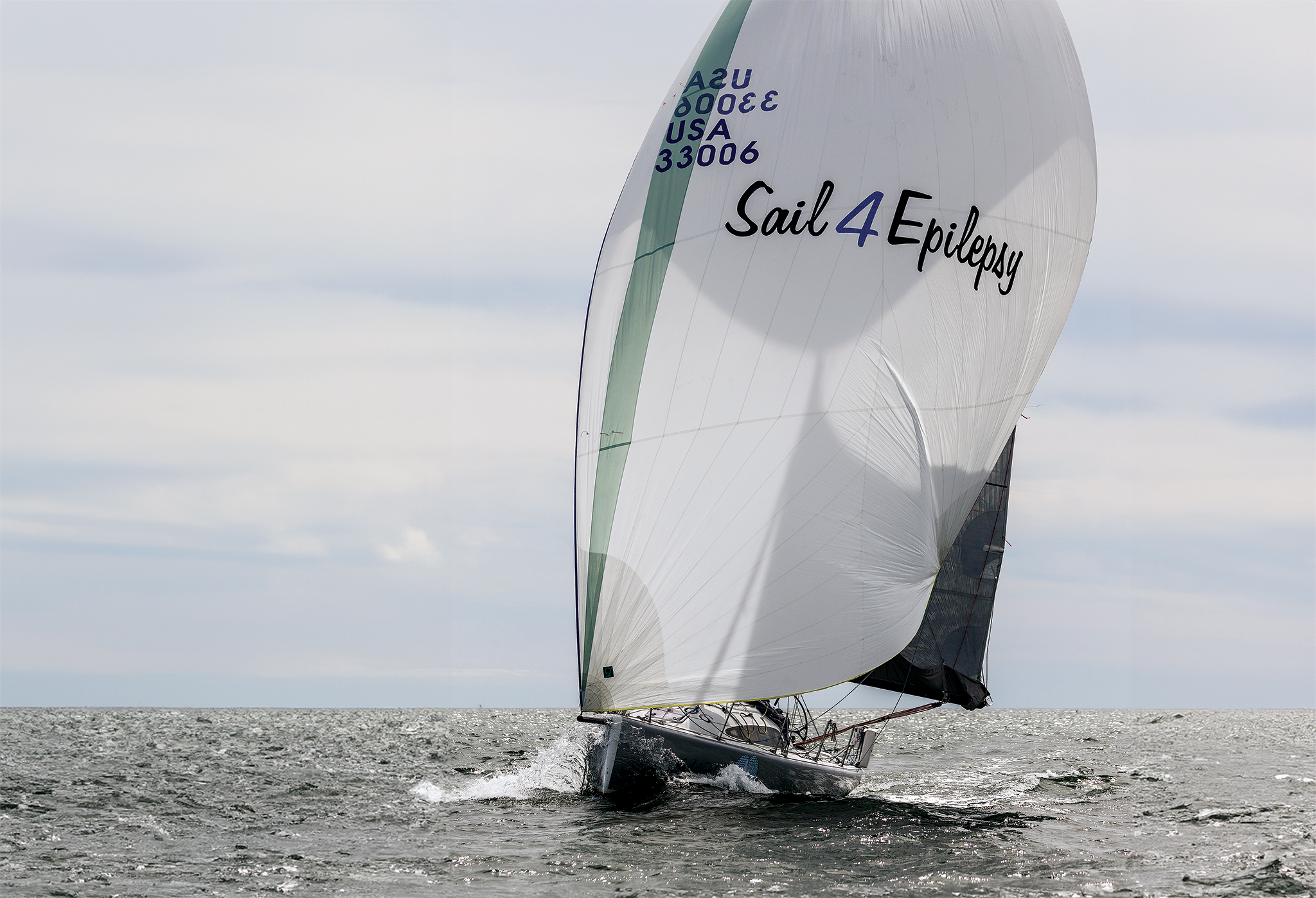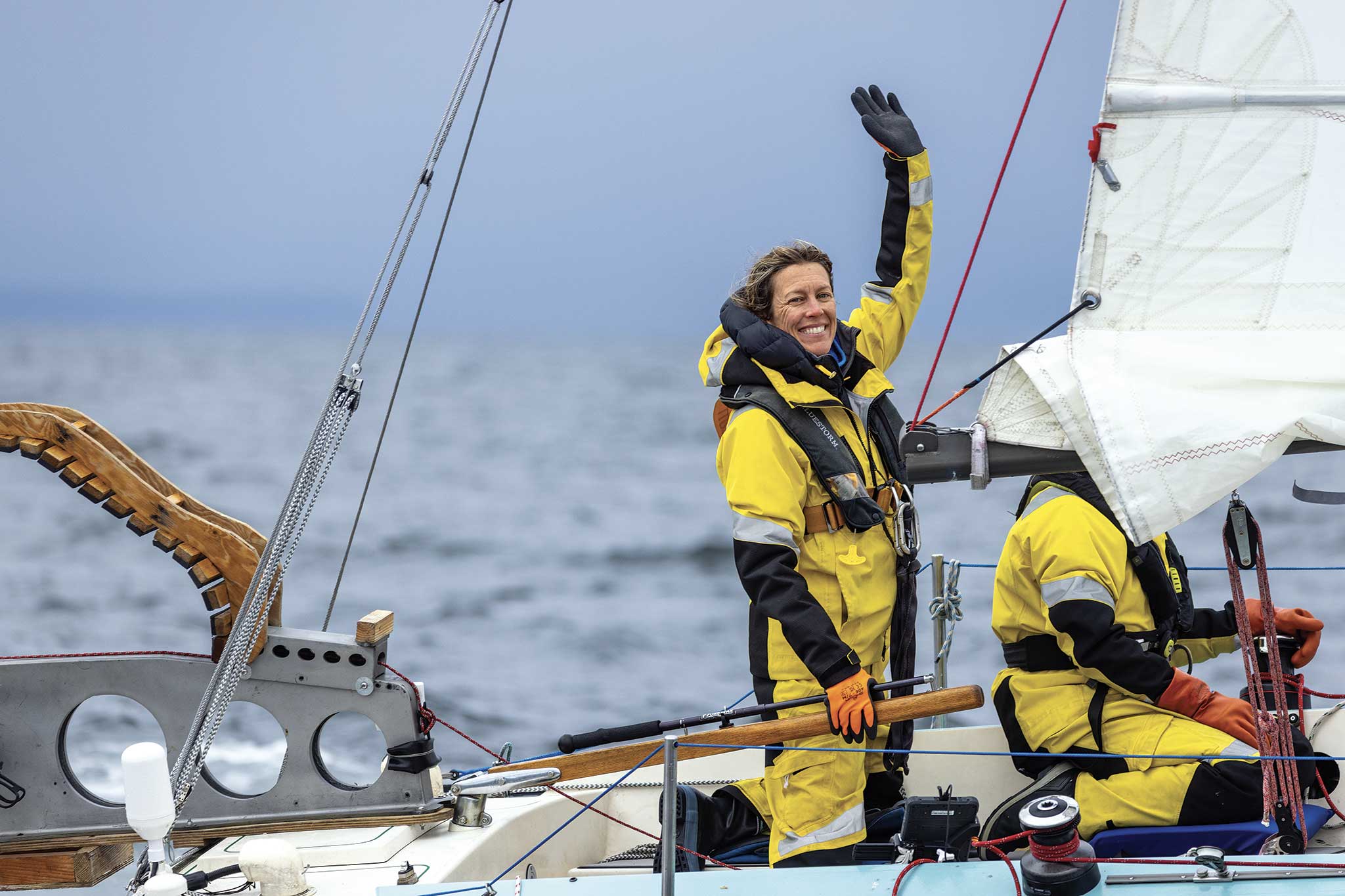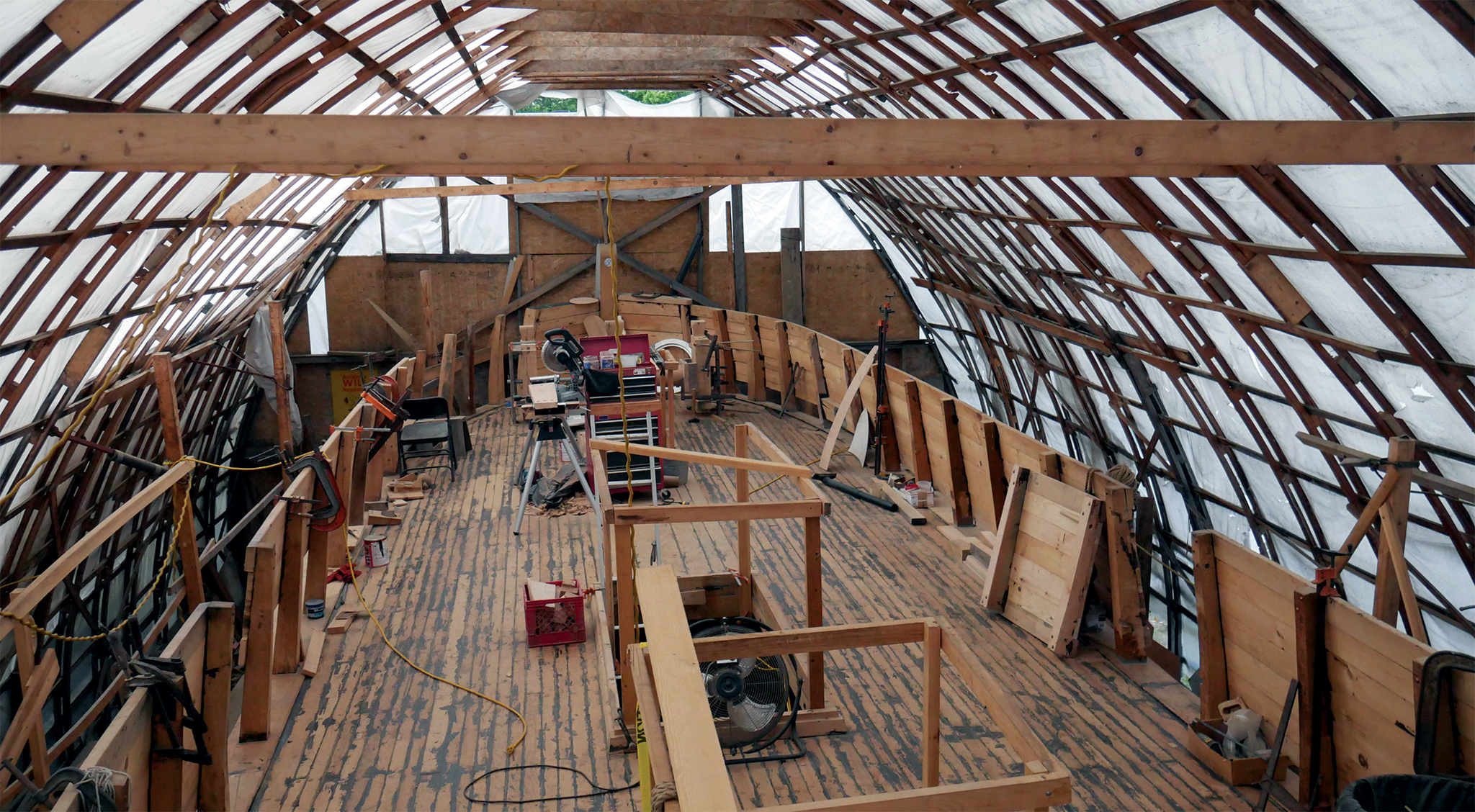
As a yacht broker, many people have talked to me about wanting to buy a boat, learning to sail, and then taking their own boat to the Caribbean. And, honestly, who doesn’t want to do that, right? Right!
If you’re on the hard somewhere, you’re not likely to meet very many folks who have successfully enacted a plan to make this dream a reality, so it may be hard to learn exactly what one does to achieve this incredible lifestyle. The following steps are designed to take you from being crew for someone else all the way to living your dream of sailing the crystal-clear waters of the Caribbean. Enjoy the adventure!
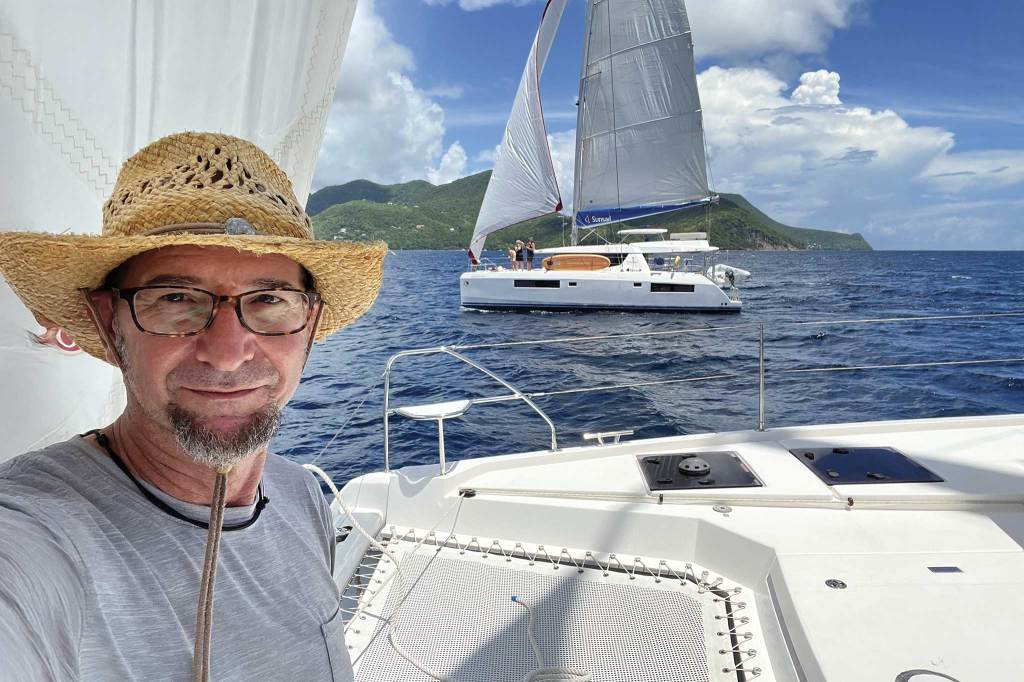
Step 1 is easy; get online and find out what interests you about this lifestyle. You’ll get a sense right away that the lifestyle is a mix of beautiful sights, hard labor, unlimited sunsets, lots of rum, danger, fear, friendships, crazy people, and more hard labor, and then more rum. The readers of SAIL magazine are more than likely at least this far in their sailing journey and are already fully aware that the cruising lifestyle is not the luxury yachting experience depicted in certain shows about crewed motoryachts. Taking a sailboat off-grid is a crazy adventure and not for the faint of heart. However, it can be so much more rewarding than having the pampered experience portrayed in such media. So start by doing your homework about what you’re really getting yourself into.
Step 2 is starting to build your skills. Sign up for some classes from the American Sailing Association (ASA) or similar. If you have very limited sailing experience (i.e. you have never owned your own sailboat), taking some classroom training is highly advised. Either find a school close to you or find one that is an awesome destination (maybe even in the Caribbean). Either way, this formal training will be invaluable. I took the 101 Keelboat class locally in Kemah, Texas, then went to San Diego for additional classes. There, we trained in the mornings, then in the afternoons my partner and I were free to sail the beautiful San Diego Bay. In the evenings we stayed right on the boat in the marina. Then, the next morning, the instructor came again for another day of on-the-water lessons. It was a wonderful and memorable week.
Step 3 is to go and buy your own boat. Having your own boat is immersive training like going to another country to learn a language. It’s very difficult to learn the nuances of the cruising lifestyle if you don’t own and manage your own vessel. It’s not just about learning to sail. You will also learn the registrations required, maintenance intervals, marina culture (some good, some bad), and also, perhaps most importantly, what you like and don’t like about your boat. So much learning happens when you own and manage your own boat.
In the typical boat purchasing experience, you find a broker you trust to help navigate this minefield. Once you locate your dream ship, a purchase contract will be drawn up between the buyer, the seller, and the brokers. This contract looks similar to a home buyer’s contract in that it specifies the purchase price, the closing date, the date of acceptance and even the broker fees. As a buyer, broker fees are covered by the seller so you won’t have to worry about that. Typical fees that buyers do pay however are the purchase price, of course, fee for the marine survey, quick-haul inspection fee, sales tax and registration fees (for state and USCG), insurance, and also fees for the marine vessel documentation service that files all of the appropriate forms to legally transfer the title into your name. It is very difficult to sell a boat without having the appropriate registration, and my advice is that it’s best left up to someone familiar with the process.
In addition to arranging for the survey and the insurance of your chosen vessel, you will be finding suppliers and professionals to help with various issues that were discovered during the survey. You may even renegotiate the purchase price. You may need to arrange financing. You will also likely need to find a marina to dock your new sailboat. Marinas and financing will require insurance. Insurance will require a recent survey… You can see how this all may not have been obvious back when you were just starting to look for your perfect sailboat. You may expect to pay near $1,000 for the survey of your first boat(based on the length), documentation will likely be around $500, and quick-haul $300 to $400. Insurance is too varied to comment on here, however marinas will require a certain amount of liability coverage as a minimum. More coverage will cost more obviously, with liability only coverages costing less than $1,000 for one year. Comprehensive coverage for a high-end modern cruiser is looking more like $4,000 to 5,000 for a year. Insuring sailboats that are sailing outside of coastal US waters requires even more coverage.
Enough to say here that at this point in your journey, you will have tempered your rose-colored vision of the sailing life with a more realistic view of what the lifestyle really entails.
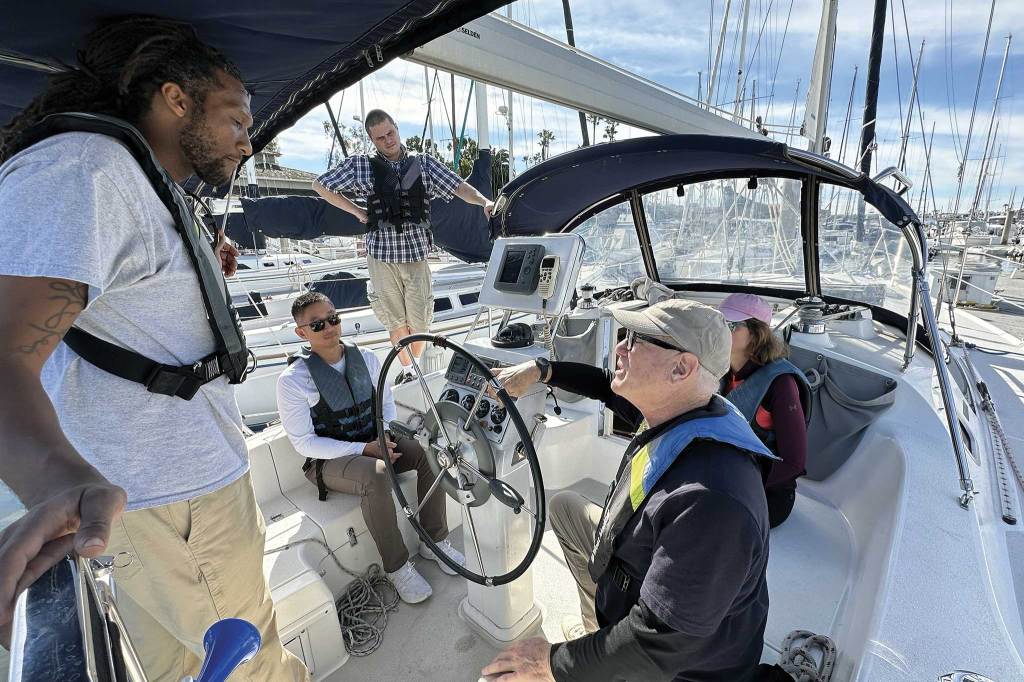
Step 4 is to live the life. Once you have your first sailboat, get out as much as possible and start sailing your boat in your local waters. Racing can be fun and a great learning experience. Overnight and offshore racing are invaluable instructors. In order to cruise to the far-away seas, however, you should also go adventuring. Sail to local anchorages and spend the night on the hook. At first start with very calm weather for your adventures. Learn how to read the clouds. Become increasingly adventurous with your sailing destinations. Try to travel in less-than-ideal conditions. Travel amongst ships. Sail under drawbridges, sail through locks. All this time you will be building experience about the art of sailing and about the specific boat you have selected. You’ll learn what you like, what you don’t like, what spares you need, what tools you need, how to cook and eat, how to do hygiene, and you may even learn how to get yourself ungrounded. There is a lot to learn and it’s best learned over water.
You will also be figuring out how to get things done on your boat, not only doing things for yourself, but how to hire marine professionals to do things too. Sailors are almost always very self-sufficient, but being self-sufficient includes knowing when you have reached your limit and require help. Part of marina culture is this willingness to lend a hand and advise as needed. However, another part of the culture is to mind your own business. There is an interesting dynamic between these two sides of the culture. Usually help is available if you ask, but if you don’t ask, you don’t get. Finding those who have mastered the culture will create lifelong friendships.
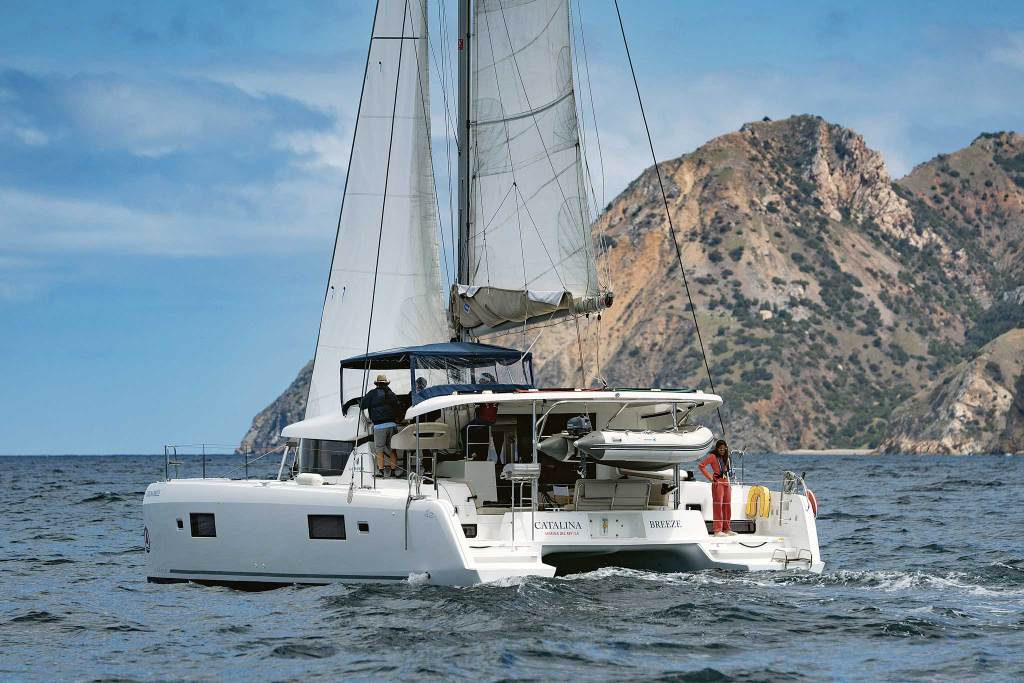
Step 5 is to charter a sailboat in your desired destination. Chartering is a great way to sample boats as well as locations. With the sailing resume you have built up by now, charter companies will gladly lease their vessels to you. There are so many great Caribbean locations to choose from, and just as many charter companies available as well. Chartering with your new sailing friends can be a great way to experience the life while sharing expenses and duties as well. Some people love to plan destinations, while others love to cook, and some only love to trim sails and hook up mooring lines. An experienced group of sailing friends is a true blessing that should be exploited.
Step 6 is to buy another boat (What?). Buying a sailboat and learning to sail is best done on a relatively simple platform. At the beginning of this journey, you’ll likely be interested in the “starter boat” category; that means buying something that is not too big (let’s say around 35 to 40 feet) or too expensive (maybe less than $50,000). While this may sound like a lot of money to someone not in the lifestyle, to those of us in it, that’s just the beginning. When you’re starting to think about shoving off for the Caribbean and living in your boat full time, you probably are going to want something bigger with more storage and more capability. Having already owned a boat and lived in the culture for a while, you’ll have developed an appreciation for the vessel that will suit you for this next phase of your life. When you get a date in mind for taking off, sell your first boat and buy the next boat that can take you anywhere. Your extensive experience, at this point, will inform your boat buying tremendously. It is highly unlikely that you would have selected this same boat back in step 3 as you will by the time you get to step 6.
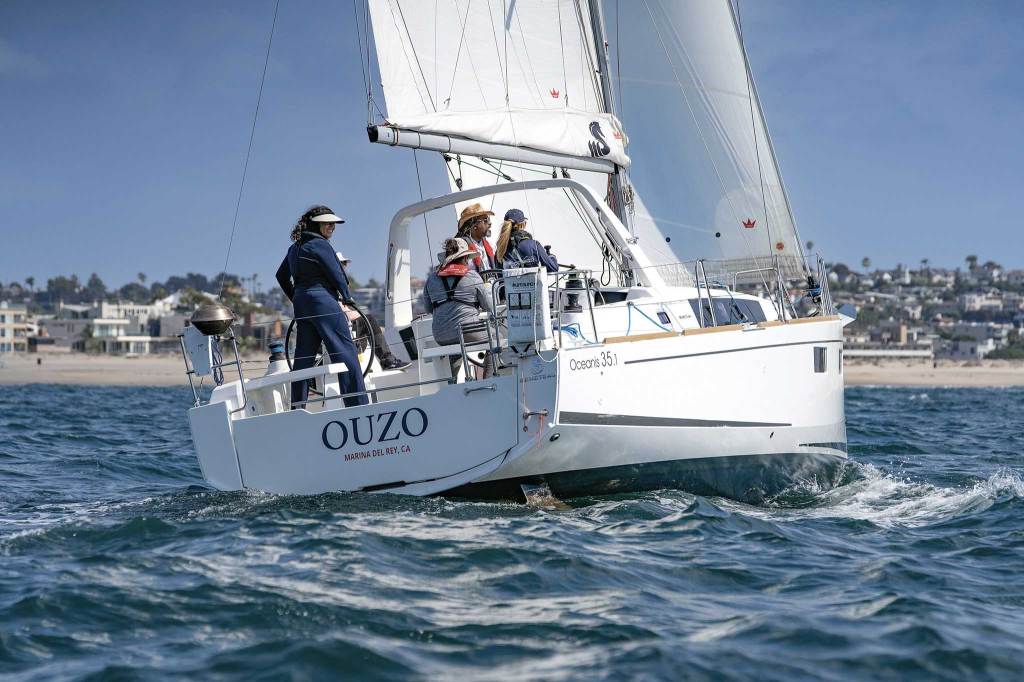
Step 7 is to outfit your new boat for offshore passages. Any offshore passage requires a lot of planning and preparation (I mean a lot). The new boat will be a big step forward, but it will still require significant customization for your particular needs. Your boat will need to be outfitted for your knowledge, strengths, weaknesses, and sailing destinations. No boat comes perfectly prepared for you and your adventures. You will have to make it your own. And, by the way, this process of customizing your boat never stops. Working on the boat is a wonderful part of the experience. Having already owned a boat, you will fully understand this by now.
Another important consideration is that crossing seas, gulfs, and oceans is not for the faint of heart. In fact, it is important to be healthy, strong, and methodical to get this job done. You will need to prepare the boat by ensuring that adequate safety gear is in place, such as chartplotters, radar, AIS, EPIRB, offshore PFDs with tethers, jacklines, and even a recently certified liferaft. Your vessel should have recent inspections of the fuel, the engine, the standing rigging, the running rigging, and the ground tackle. You’ll need backup equipment onboard as well. Your spares inventory should include things like impellers, pumps, alternators, hoses, and various lines. You’ll need a dive mask and fins too, and not just for snorkeling in the incredible reefs you are sure to come across. An occasional bottom-side inspection is common in this community.
Sometimes, when you buy a boat that is intended for cruising, a lot of this equipment will already be integrated into the vessel when you purchase it. Of course, this vessel may cost three to four times what your first boat cost. Don’t worry though, your tolerance for cost will have grown since your first sailboat. Many decide that eliminating their land-based accommodation saves a considerable amount of money while at the same time affording much more boat time for projects and upgrades.
Step 8 is to take off! Once you have gotten this far, you wait for a good weather window, give notice at your marina, say farewell to your friends, and then…. cast off the lines! You will have become proficient in seamanship, knots, diesel engines, cooking with propane while heaving in heavy seas, anchoring, sleeping anywhere, boat yoga, marine heads, sewing, first aid, and so much more. You will have discussed sailing into foreign ports with those that have done it. You have transformed from a new and fresh sailor into an experienced ole’ salt, ready for the open sea! Take a photo as you leave the marina for the last time. Then turn around and face your new life at sea. Those left behind on the land will never know the rich experiences that await and which have been earned by the earnest pursuit of your dream.
This article was originally published in the August/September 2026 issue.