Ask SAIL: Tuning the Rig
Rig tuning is a subject worthy of many pages. Rather than trying to answer your specific questions, I will offer some general principles to guide you.


What does it take to turn an old boat into an ocean-ready passagemaker? That was the question facing my father, Dennis, when he decided to fulfill a decades-old dream of crossing an ocean aboard his own boat.
Whether you’ve bought your bluewater catamaran or are still in the planning stages, one of the most important considerations for long-term cruising is your power system. Marine technical expert Duncan Kent looks into a successful onboard electrical system
Splicing three-strand rope is a fairly straightforward process and a useful skill. Splicing joins together two ropes of equal diameter and does not weaken the rope to the same extent that tying a knot does.
I just installed an Aquatic AV AM/FM/MP3 receiver and was careful to keep the stereo speakers from affecting my steering compass. The stereo system works great when we play the FM radio or when the kids play their devices through it, but I can’t pick up my ballgames on the AM radio. I can hear them fine with a portable radio up on deck. Any ideas
I read with great interest Don Casey’s advice (Ask SAIL, August 2013) on painting a bronze propeller with antifouling paint. He stated that it can be done, but not with paint containing copper. Why is this? What about bronze through-hull fittings?
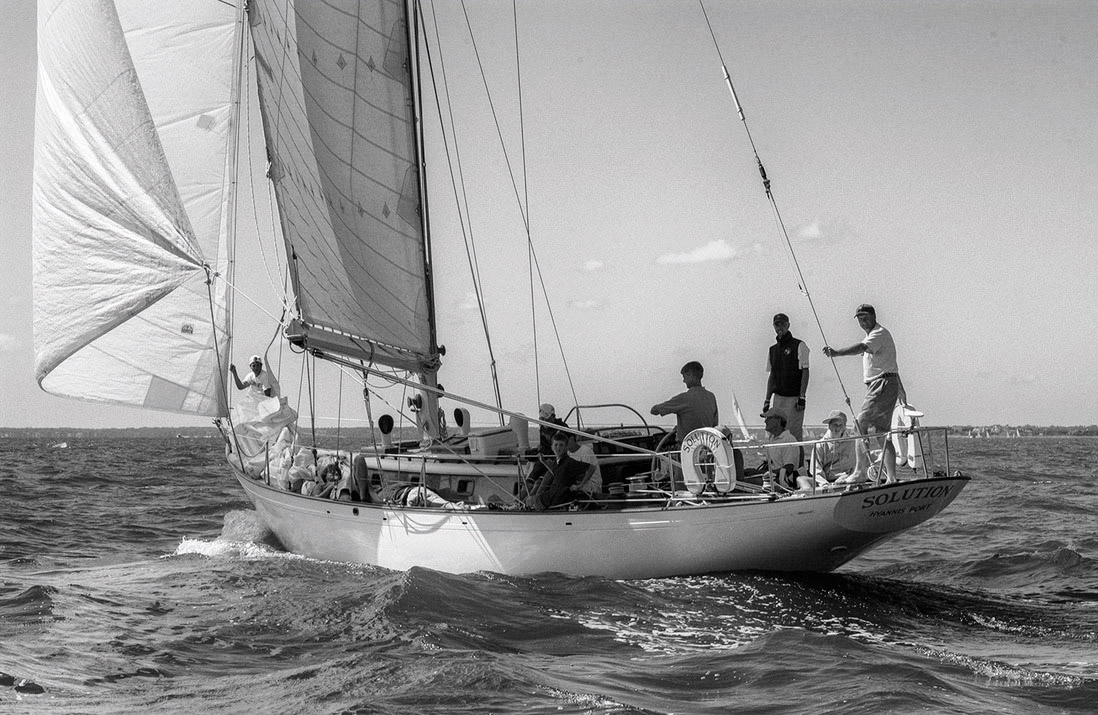
My brother and I own a 1966 Hinckley Pilot sloop that has been in my family for two generations. We love the boat dearly and normally spare no expense maintaining it. However, my brother now wants to install a carbon-fiber mast, and I’m wondering if it’s worth the money. Will it really make much of a difference on a heavy boat with a full keel? He’s talking about fiber rigging, too, which also has me worried.
I want to move aboard my Alberg 37 next summer and cruise up the East Coast from Annapolis to Maine. I plan to anchor out most of the time. My boat is simple and my electrical demands are otherwise low, but I do like cold drinks, so I want to be able to run my fridge, which draws 2 to 4 amps, without constantly running the engine.
This is NOT a Chicken Little article. While it’s true that it is exceedingly rare for a keel to separate suddenly from its hull (radical race boats aside), cases of keels separating slowly from their hulls are more common than you might think.
I heard the Coast Guard will no longer be monitoring distress frequencies for marine SSB radios. How can we get help when beyond VHF range?

A UK startup is developing a 60-meter catamaran that will produce and store green hydrogen while sailing.
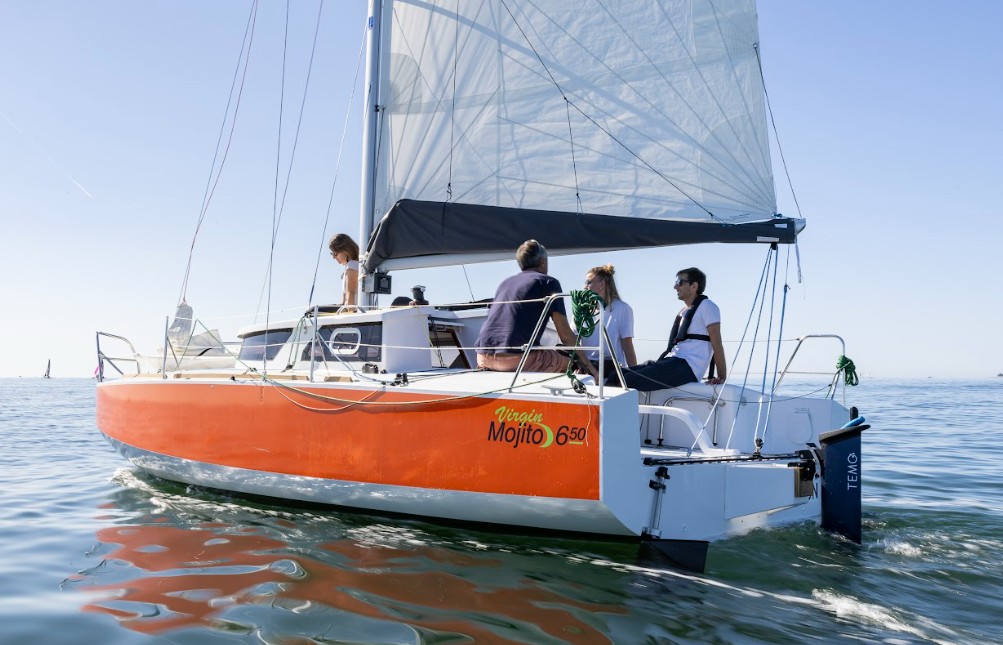
Making its U.S. debut at the Annapolis Spring Sailboat Show this weekend, the TEMO 1000 is the latest clever electric outboard from the French builder, powering sailboats up to 26 feet.

Chartering paves the way for a couple’s cruising dream.
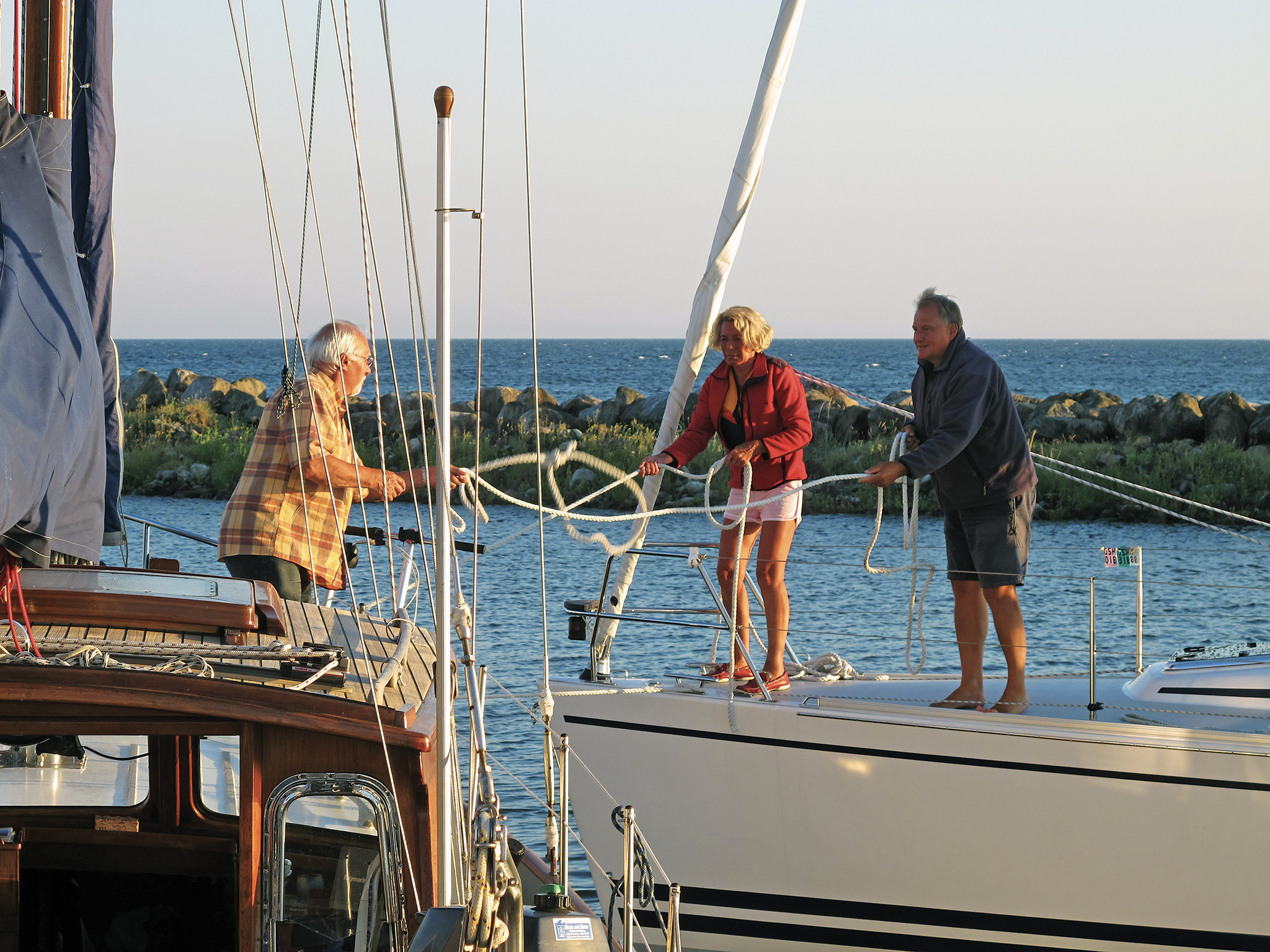
“How far from my pulpit to the wall?”
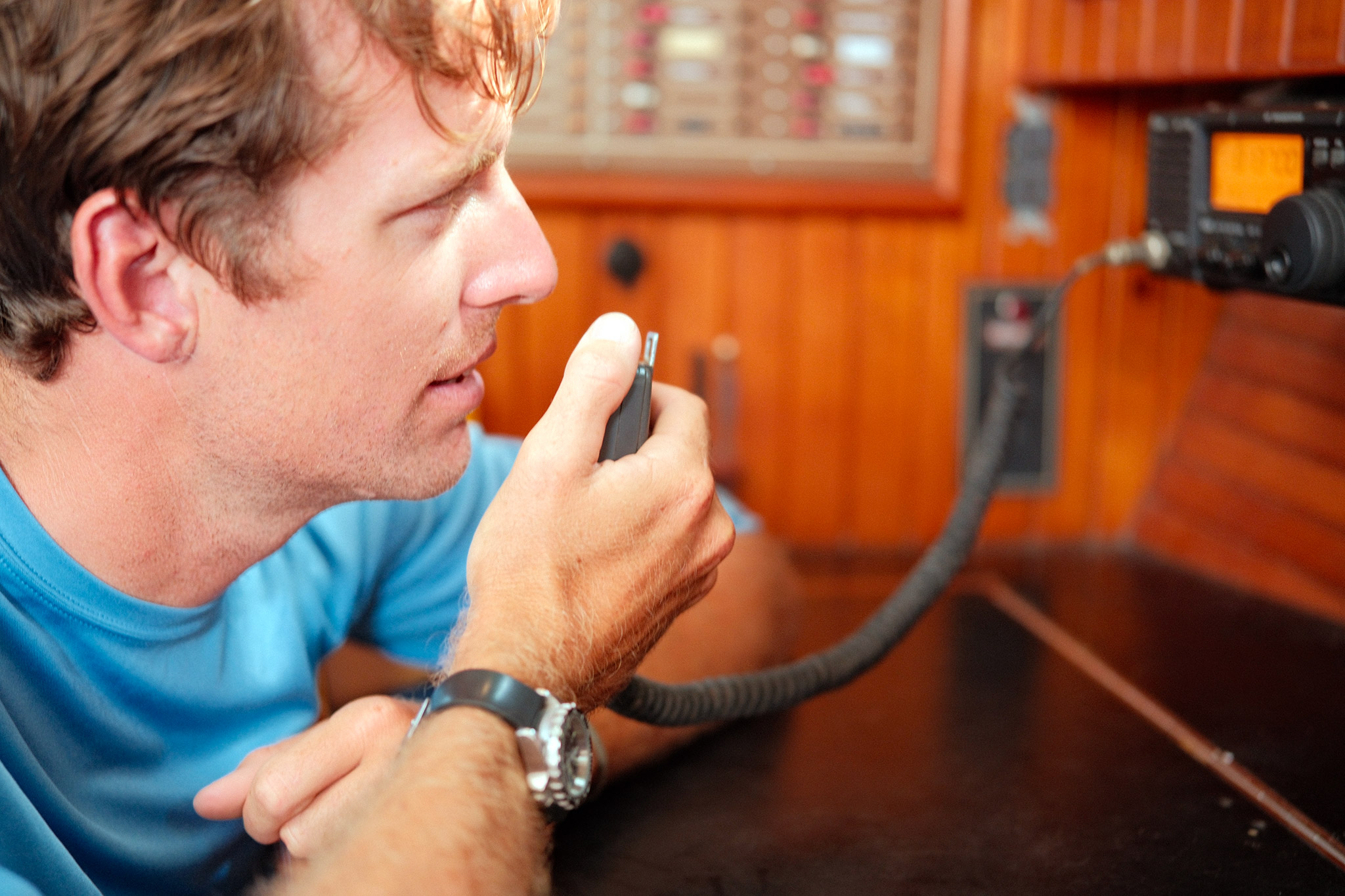
Is single sideband radio still relevant in today’s Starlink world?
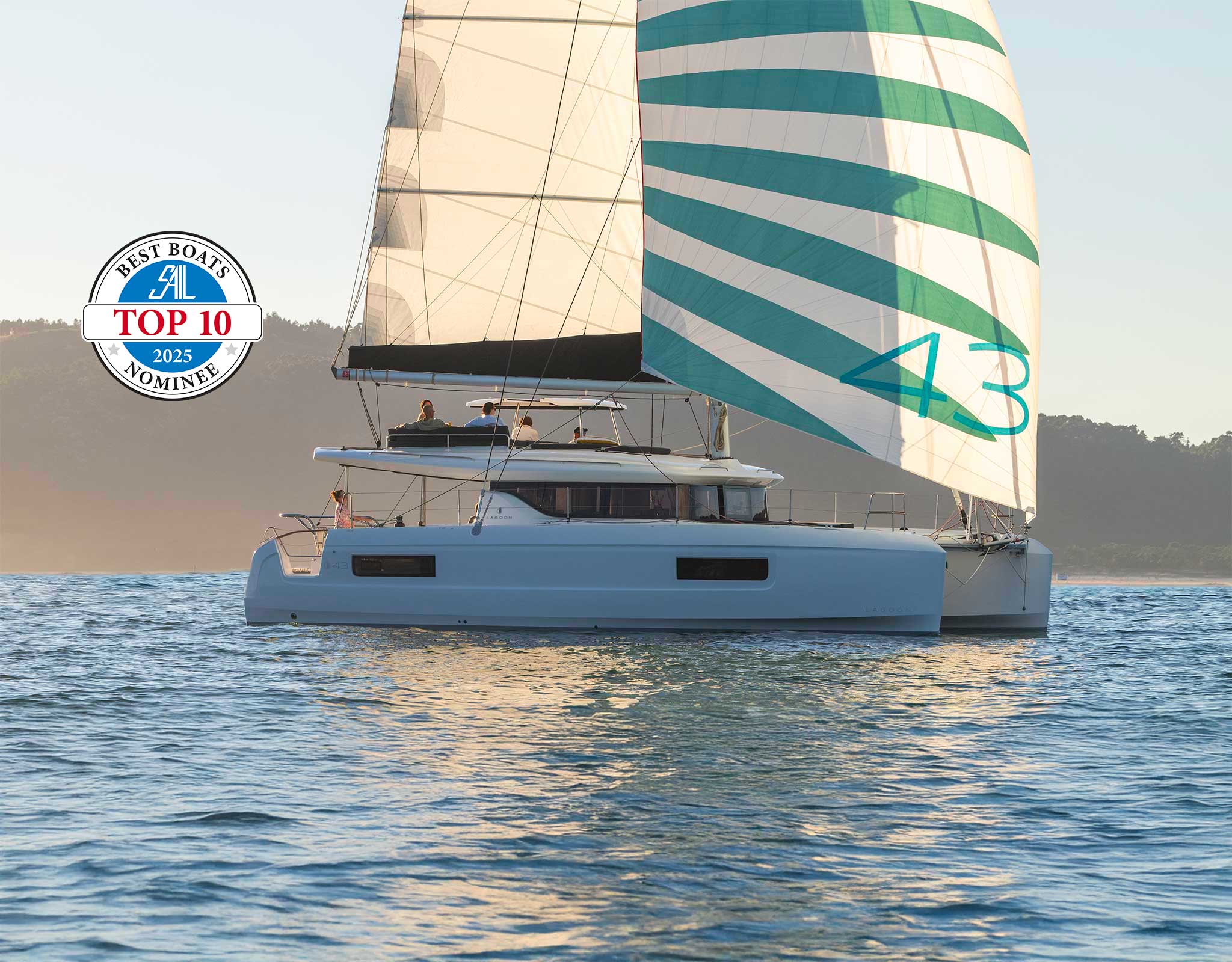
With fresh thinking and some risk taking, Lagoon creates a worthy successor to an immensely popular model.
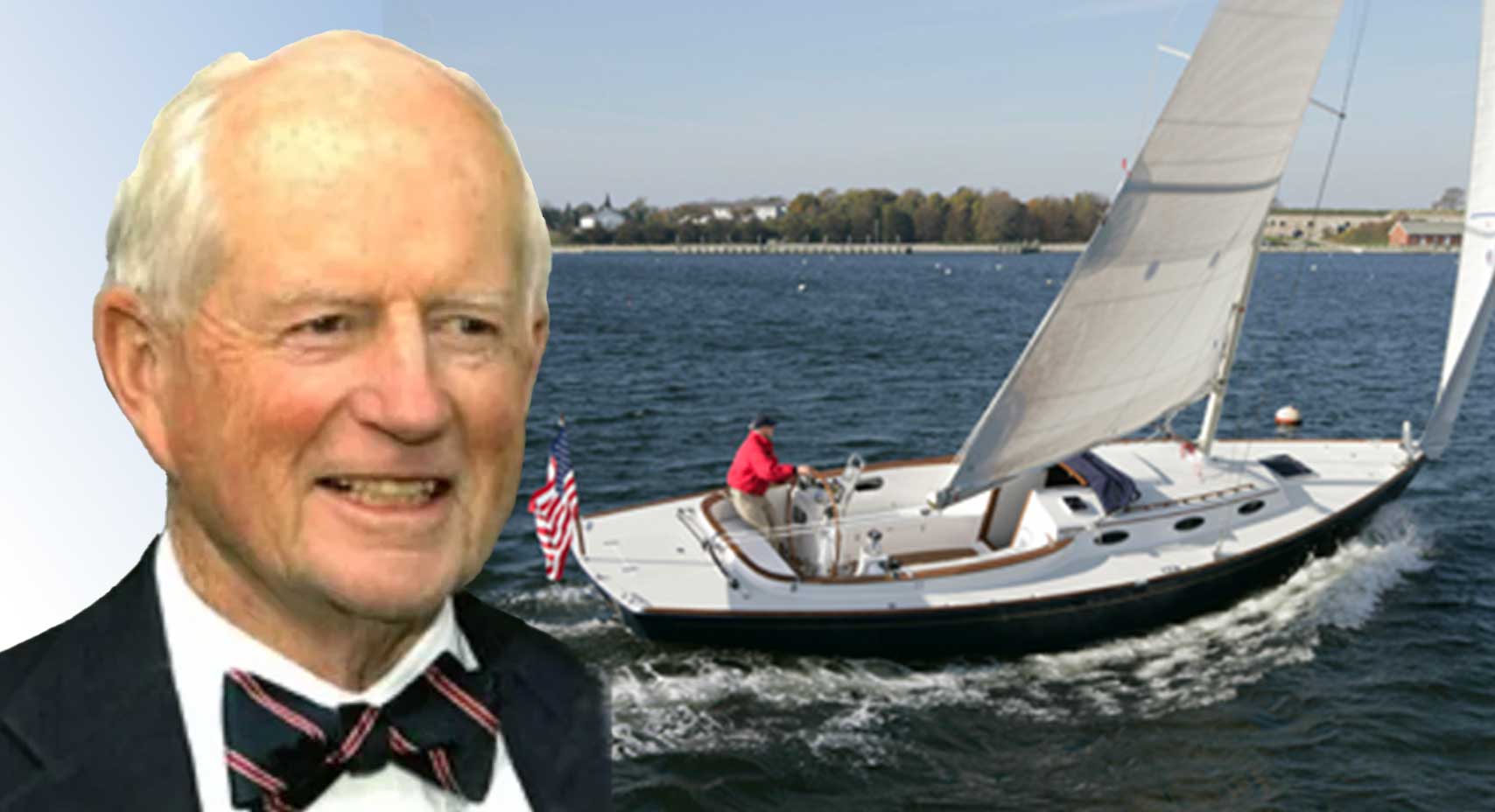
In 2001, SAIL’s then executive editor, Charles Mason, awarded Garry Hoyt the magazine’s Industry Award for Leadership, noting his “insatiable desire to make sailing simpler,”
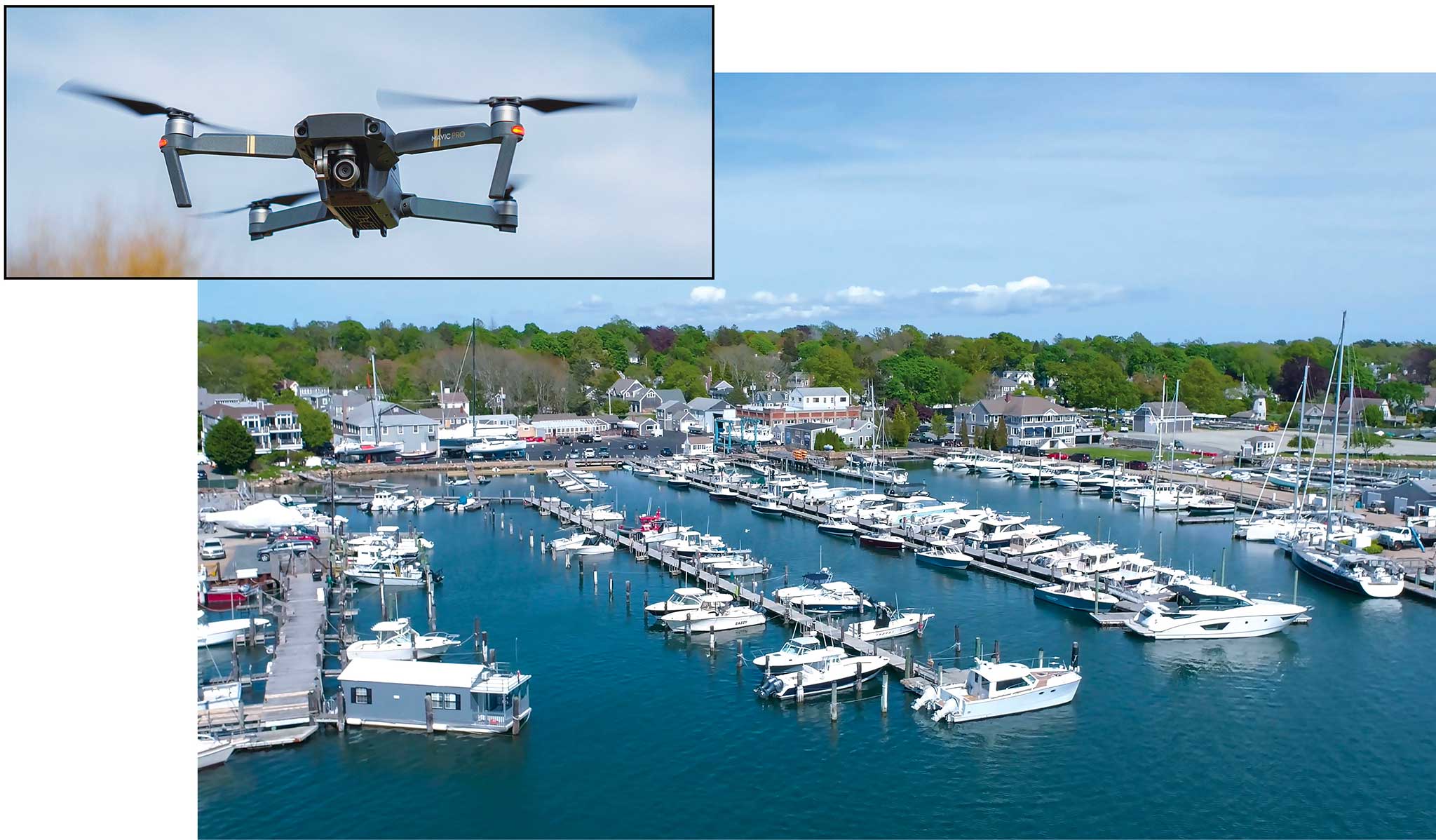
Whether you prefer digital or old school, charts do a great job of getting you where you need to go, and satellite images can provide
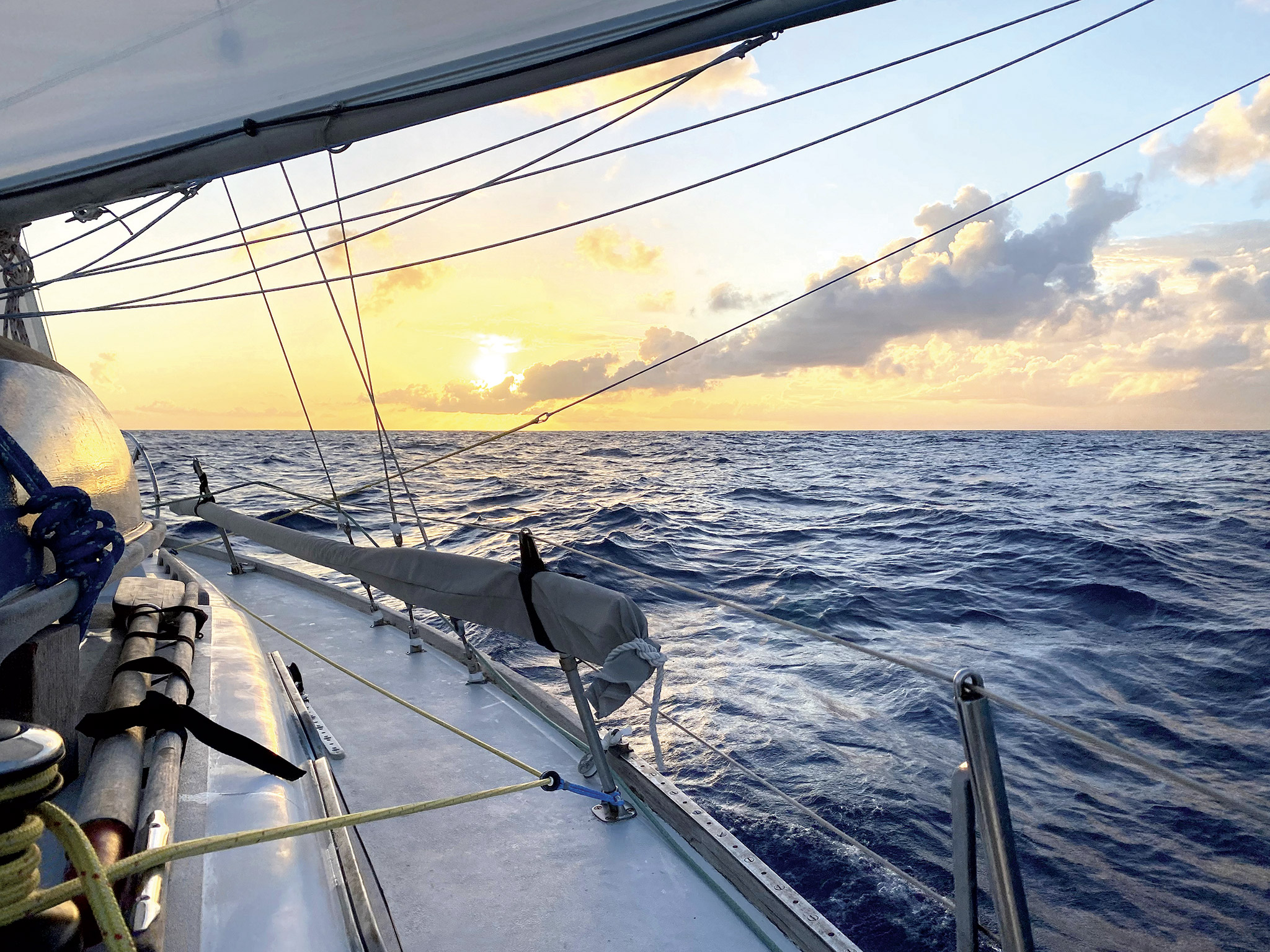
Adding low friction rings to your boat’s rigging repertoire can be a lighter, more affordable alternative to line management.
The winner of the CCA’s seamanship medal says that accepting the new reality during a sinking situation is critical to safety.