I have been writing stories of Tahiti for a long time, and as we banked to line up on the approach for the runway at Faa’a airport on Ra’iatea, I wondered what remained to be told. For the past 30 years, I’ve been blessed with many trips to the Society Islands, a place that conjures up paradise and tops more than a few bucket lists. Over the years, I’ve written about French Polynesia in many different formats from flowing narrative to clipped and bulleted highlights or “listicles” that are the domain of influencers, or worse yet, AI. Over the decades, I’ve left few corners here unexplored, and as we landed I wondered if I had anything new to find or to say.
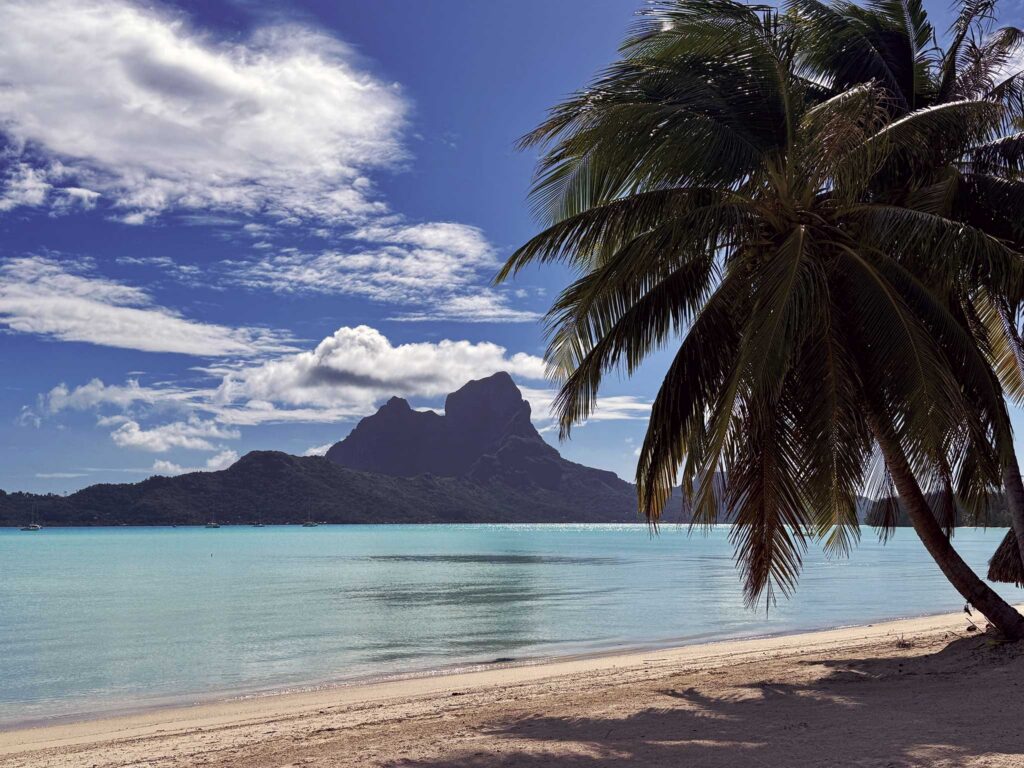
These islands are as famous as they are mystical and remote. They were the inspiration for the musical South Pacific and also welcomed Captain Cook on multiple visits. Tahiti was my first venture into tropical sailing as I crewed for a couple of yachties who were long on optimism and short on prudence creating an adventure to be endured only in youth.
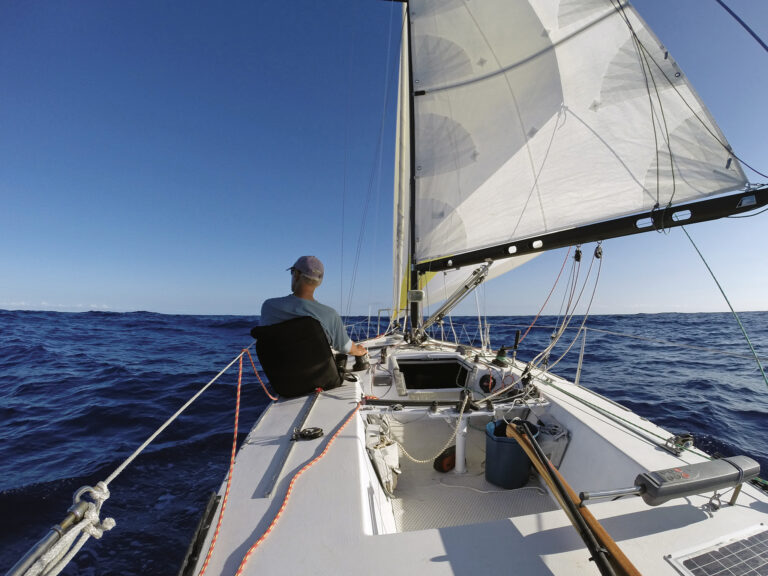
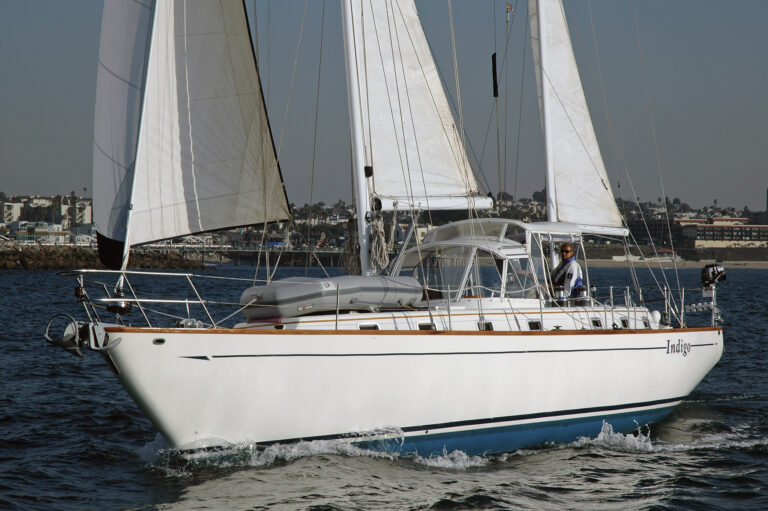
I remember the way the islands smelled the first time from the deck of a boat and truth be told, the scent still lingered as I stepped off the plane. It had been nearly eight years since local tiare flowers adorned my cocktail and I’d seen French baguettes clinging to the backs of every passing scooter. I realized how ready I was for both as we boarded our yacht for the week, courtesy of Sunsail, and ran up the western side of Ra’iatea in a race against the sun’s fading rays to our first night’s anchorage across from Hurepiti Bay.
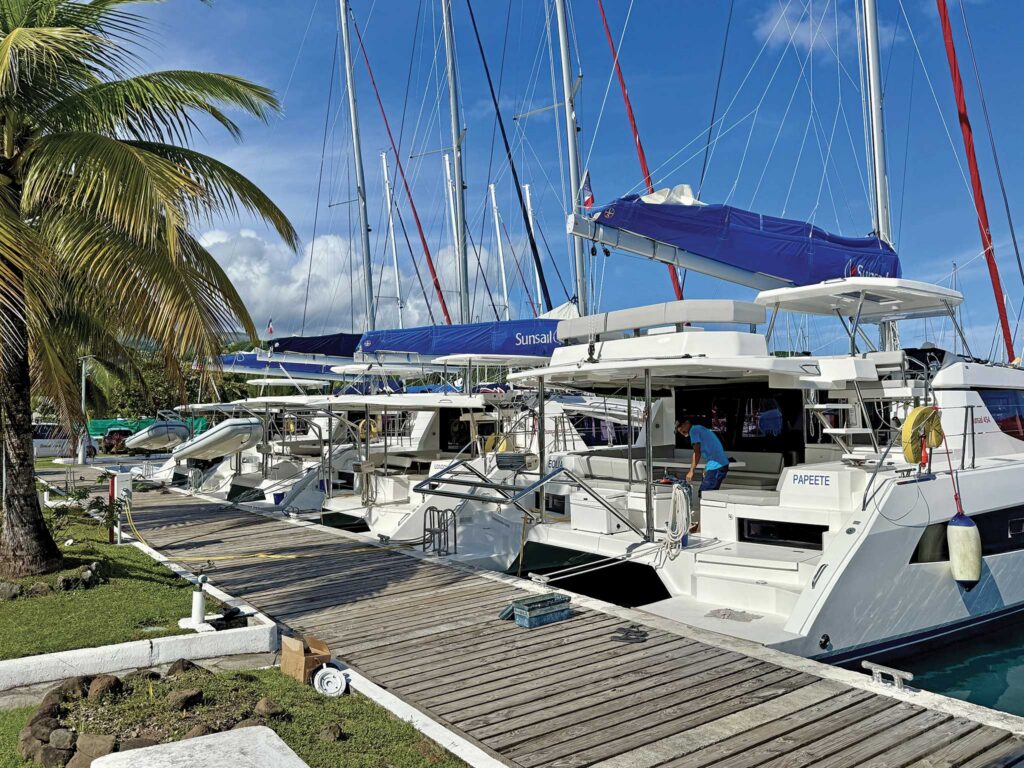
Tahiti is packed with charter boats doing the milk run. Most take off to Bora Bora immediately while others putter around Taha’a and Ra’iatea, which share the same outer reef. The more adventurous head to Huahine on the eastern horizon. It’s the least developed and visited primarily because it’s a bash to windward but those who persevere in getting there are usually rewarded with quiet, lazy days at anchor and a righteous sail back.
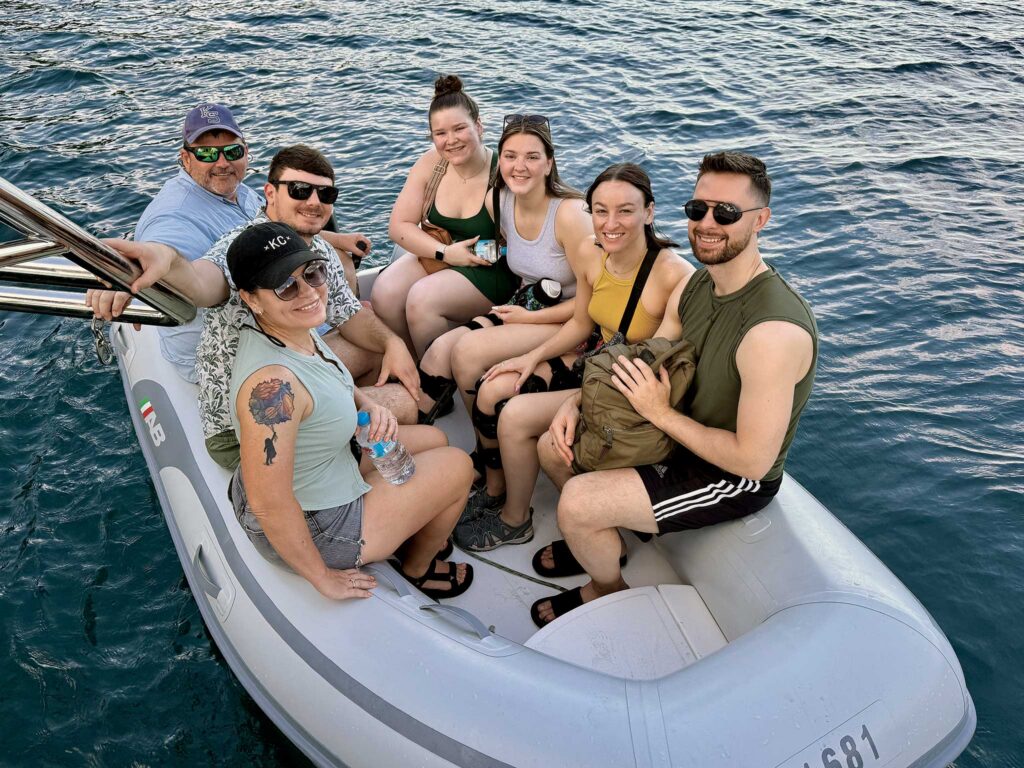
This latest crew was a group of newbies to these islands, so the iPhones were busy during our first sunset with the towering Mount Otemanu of Bora Bora on the western horizon. It’s a landmark that’s ever ready for its closeup and can’t take a bad picture. After everyone had gone to bed, I sat on the flybridge with my glass of iced wine. Look, it’s the tropics not the chilly caves of France, so wine here needs a little help. I leaned back, finding my favorite constellation and put Southern Cross by Crosby, Stills and Nash on repeat. Yes, I do “understand now why I came this way.”
The next morning, after a phone call with a man whose English was an adventure, we had a mooring in Bora Bora—they no longer allow anchoring. He was eager to hang up, and when I asked how he would know where and when we would arrive, he just snapped, “I’ll find you.” And that he did. Within minutes of us rounding Bora Bora’s iconic reef marker and entering the only accessible pass of Teavanui, a panga with an enormous outboard materialized and we handed over $40 for the privilege of staying the night. Tahitians may be laid back, but the new mooring payment system doesn’t miss a beat.
After swimming and then sleeping like the dead, we woke to a cruising near-disaster: We were out of ice. Answering the call of duty, I pointed the bows toward the concrete dock of the main (and only) town of Vaitape. We were off to Chin Lee’s market, which has been there since long before I started coming. On our way, we had to dodge two cruise ships anchored in the lagoon, a change from the days when the long-in-the-tooth Paul Gauguin was the only big tourist boat to ply these waters. I feared what we’d find in the village.
After tying up, my crew scattered to the winds—or more accurately to the black pearl boutiques that line the two-lane road—and I headed off to lug bags of ice. The tiny hamlet had somehow swallowed up all the humanity that the ships had disgorged, and the street was quiet down to the dogs sleeping on the heated asphalt. Years had passed, but Vaitape had clung to its character. It warmed my heart.
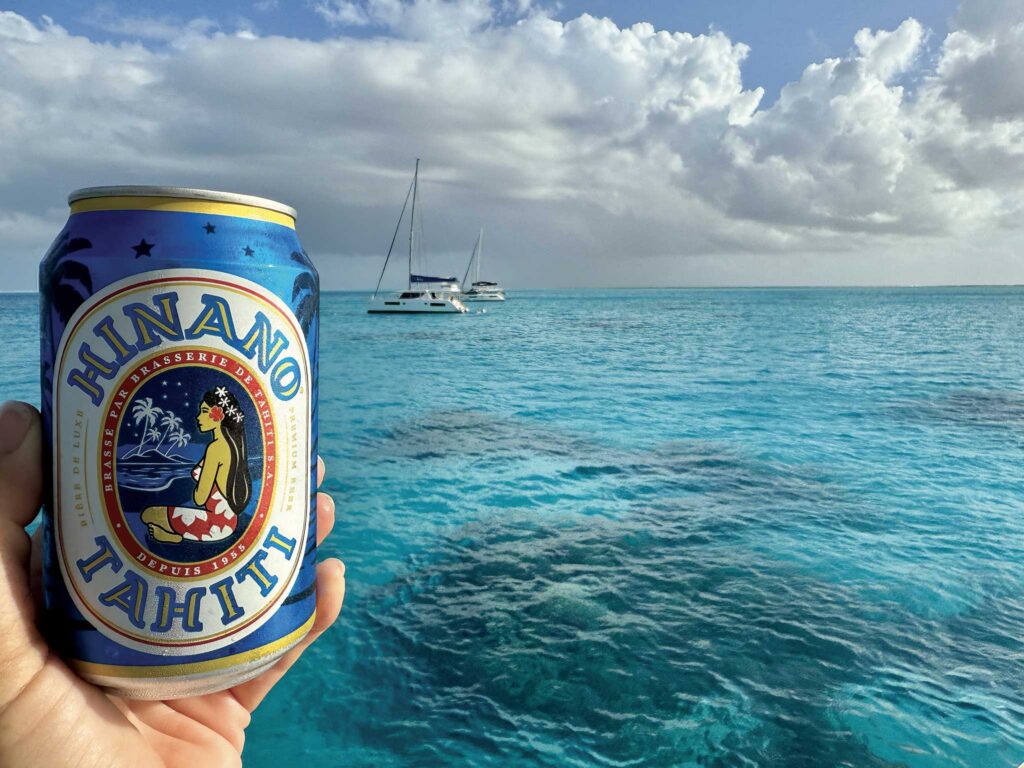
That afternoon, we caught another mooring on Bora Bora’s back side and dinghied to one of the many motus that ring the lagoon. We arrived at picnic tables set up on the beach at Arii Motu Grill on the southern tip of Motu Piti Au. A hammock was strung between palm trees, and all they served was the local Hinano beer but who was complaining? A group of Americans called out from the next table, “Beautiful, isn’t it?” I looked up at Otemanu holding court over the azure waters.
“Yes,” I replied. “It’s timeless.”
As we chatted over our beers, I mentioned that it was too bad it had become so developed. They looked at me like I had gone mad. “Really?” One said. “We feel like it’s the last outpost of civilization.”
The next day, we covered the 18-mile motorsail back and entered Taha’a’s Pai Pai pass in record time given the sloppy swell. On my first trip here, chartplotters were still subject to Selective Availability, an intentional distortion of civilian GPS by the U.S. Department of Defense to “protect national security.” Before they turned it off in 2000, accuracy was within 300 feet give or take, but when you’re aiming for a tiny opening in giant breakers, that delta is pucker-inducing.
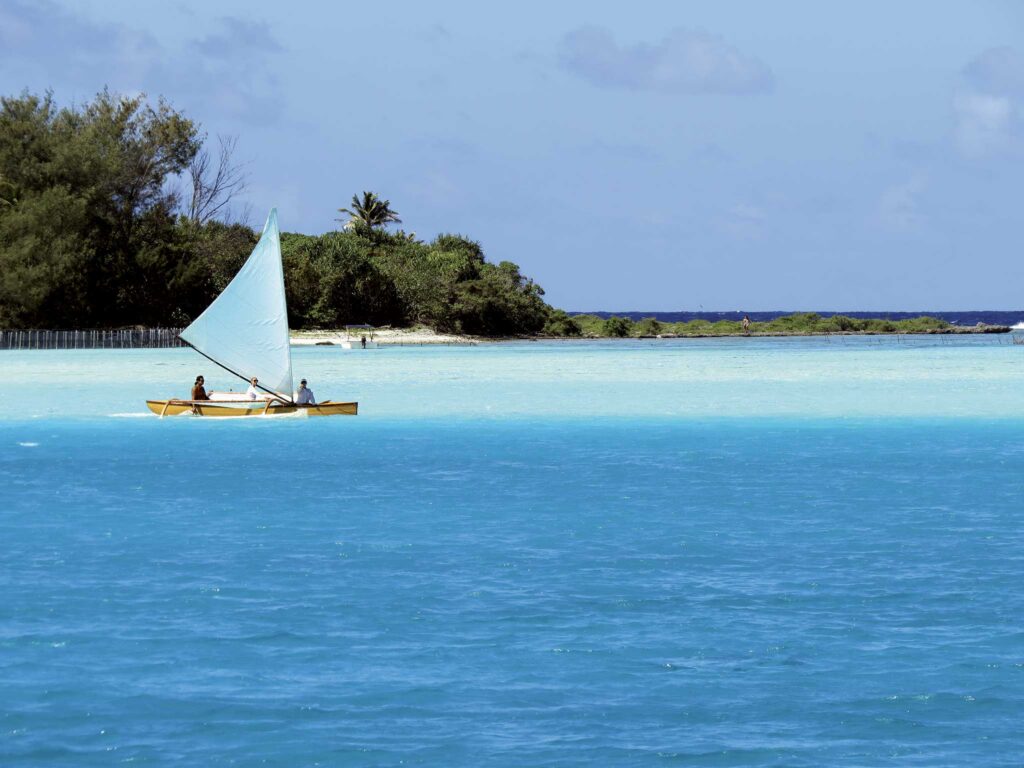
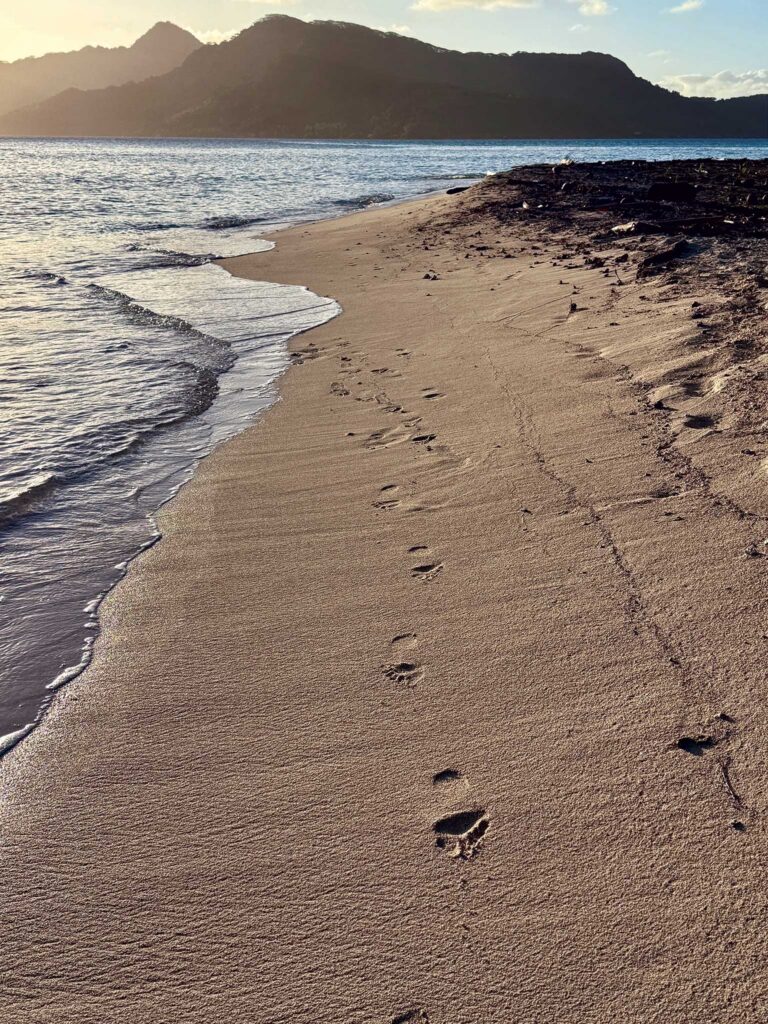
The conjoined islands of Taha’a and Ra’iatea are a natural playground. You can hike deeply wooded slopes, visit Marae Taputapuatea (the ancient remnants of a major religious site), kayak between the taro fields of the Faaroa river, visit a pearl farm to learn how oysters are teased into producing the world’s most unique organic “gemstones,” or drift snorkel through one of the many coral reef gardens. We lucked into a solitary visit to Motu Mahaea, which has become an exclusive spit of sand where cruise ships send their guests for a private beach escape. We arrived as the locals packed up the last blender and jumped onto pangas headed home for the night. We had the place to ourselves. Hermit crabs scurried over the sand and nipped at our fingernails when we picked up their tiny shell houses. Periodically, we heard a coconut thud to the ground nearby, which kept us on our toes. A snorkel behind the protected reef followed by leaving solitary footsteps on the beach was exactly what we needed for our last night aboard.
The cruising grounds of the Society Islands are made up mostly of four islands, the center of which is Ra’iatea, or the “Mother Island.” Tahitian lore says she birthed the rest of the archipelago. This is where all the charter bases like Moorings and Sunsail are grouped, less than an hour’s flight from Papeetee on the main island of Tahiti Nui. The bases have been here for decades, and their efficient personnel expertly turn boats around week after week, making a luxurious vacation under sail a breeze.
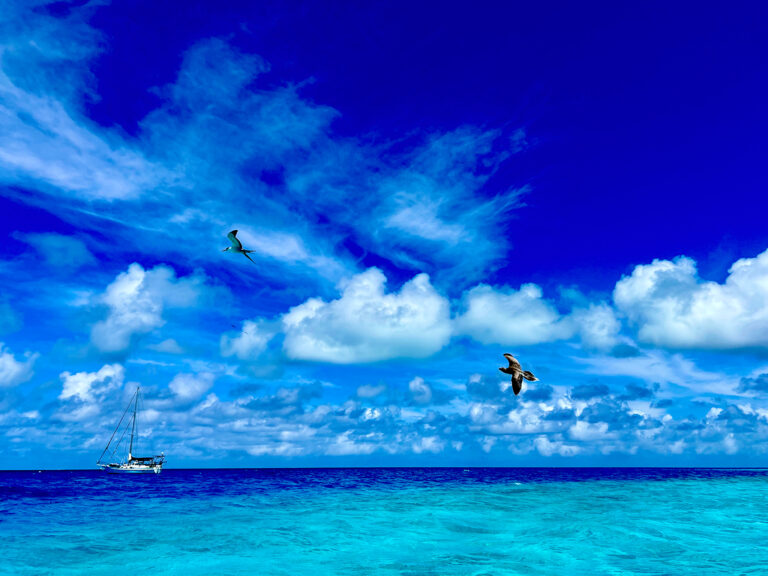
On every visit, I’ve noticed that Tahiti develops a familiar rhythm. The days start early as body clocks reset. A cup of coffee with the sunrise becomes the norm. Young men paddling pirogues inevitably draft motoring catamarans, getting pulled along in the turbulence behind the hulls. At anchor, the water lapping at the hull sides proves irresistible to everyone, with a color, temperature, and salinity that supports you in languid bliss. About the only thing that drives everyone onto the boat are the silhouettes of sharks visiting in the evening; dark shapes gliding by in the glow of the underwater lights. And the night sky, luminous with an unimaginable number of stars, is so vast that it dwarfs us and our problems, which I find provides a smidgen of comfort in turbulent times.
Of course, the way I’ve come to experience this corner of the world has changed with time and technology. When I started sailing here, chartering bareboats were exactly that—bare. The water tanks were small, the heads were manual, and the cutoff from the world was complete, as the word “connectivity” seemingly hadn’t been invented yet. Today, Sunsail’s boats have autopilots, electric winches, bountiful refrigeration space, and water makers because vacation is better when you’re not going to bed salty. I heartily embrace these improvements in my comfort-seeking years except possibly for one: the omnipresent WiFi is a tether to a world I like to escape, if only for a week.
My end-of-charter ritual always includes a visit to Papeete’s roulottes, or food trucks. Long before American food trucks were a thing, Tahitians were tucking into hearty fare served up every evening in the parking lot by the main pier. Giant mounds of chow mein, huge slices of pizza, and crepes the size of elephant ears are still dished up here on paper plates and the food is not only delicious, it’s the best deal in an otherwise expensive destination.
My other must-stop visit is the municipal market. This two-story open-air market turns on its lights at 5:30 each morning and is packed with locals and tourists alike. From fresh flowers to curry sandwiches, and T-shirts to black pearls, this rustic market is like a mall gone native. Vendors sing to pass the time or call to each other from stall to stall in their lovely, vowel-strewn Tahitian that budgets consonants as if they were gold.
The more things change the more they stay the same, I found to my great relief as I hoisted sails in these waters for the seventh time. Regardless of the small conveniences and inconveniences, it still is the last outpost of civilization in the best definition of the term. Yes, Tahiti has changed and so have I. But like old friends, it took only minutes for us to fall back into a familiar groove. As I sipped my wine slushy, I toasted Otemanu, seeing it through my younger eyes once more.
This article was originally published in the April 2026 issue.