Log the Glass
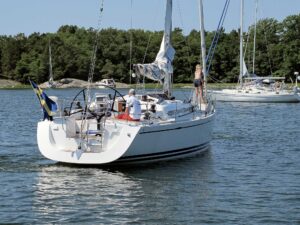
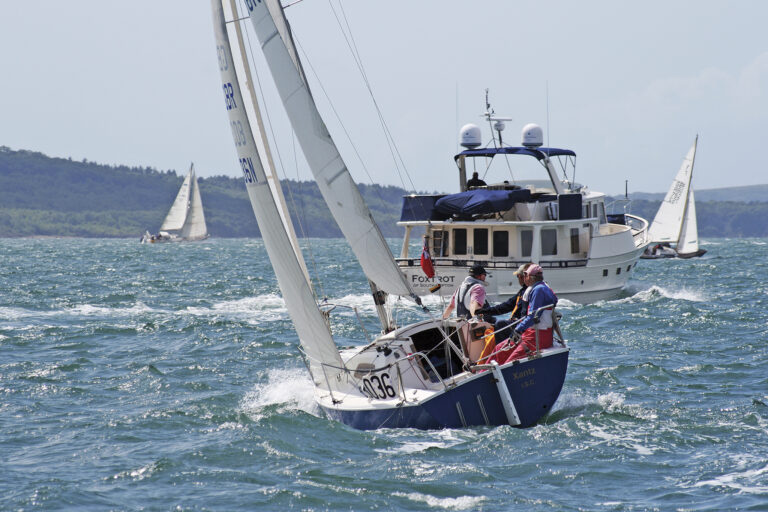
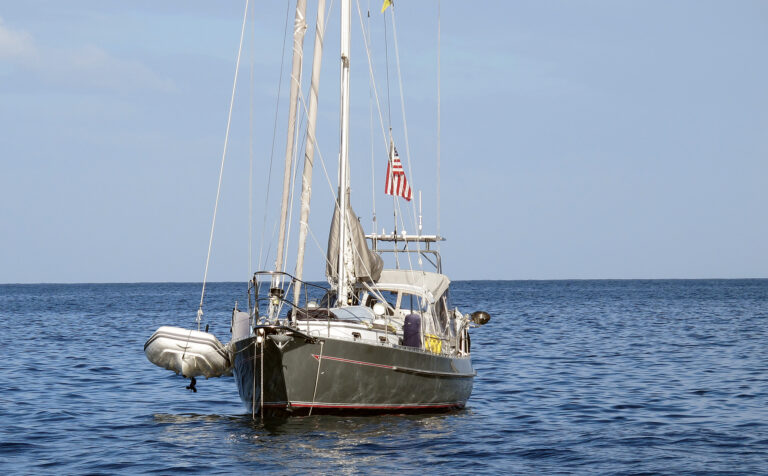
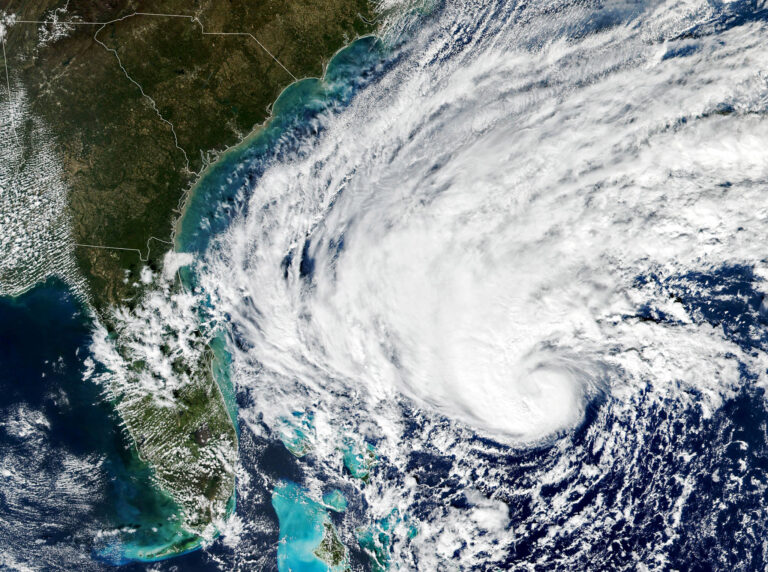
These days with weather forecasts available wherever there is WiFi, it doesn’t do to forget the old ways. Last season I was on passage from North Germany to Denmark. The forecast via the excellent “Passage Weather” site was for 18 knots, maybe up to 22. The local VHF was suggesting similar but was hedging its bets about thunderstorms. As I approached my destination, the barometer, which my wife logs religiously, dumped four millibars in two hours and kept on falling. Two an hour is bad news, but I’d only seven miles to go, so I cracked through a rising wind and then scuttled for shelter like a rat up a drainpipe. I hadn’t even plugged in the shore power when the squall front in the photograph hit with winds sustained at 40 knots. That’s a serious gale. People limped home with blown-out genoas, and the lifeboat rushed in and out like a policeman with his pants on fire.
Watch the glass. It’s not some distant computer. It’s right on the spot, and it rarely lies.
Sharpen her up
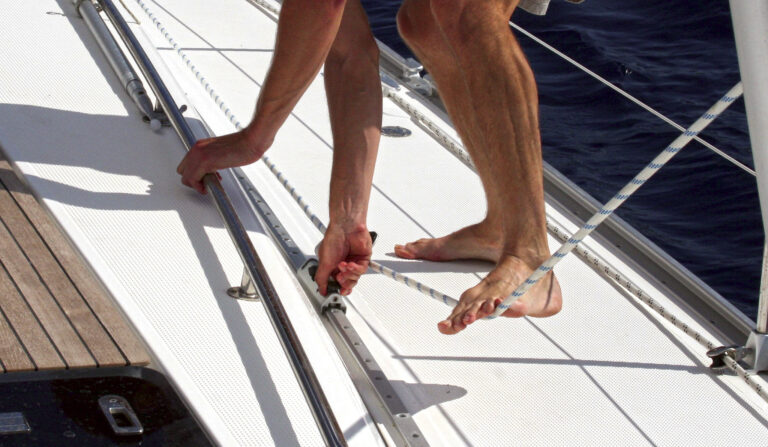
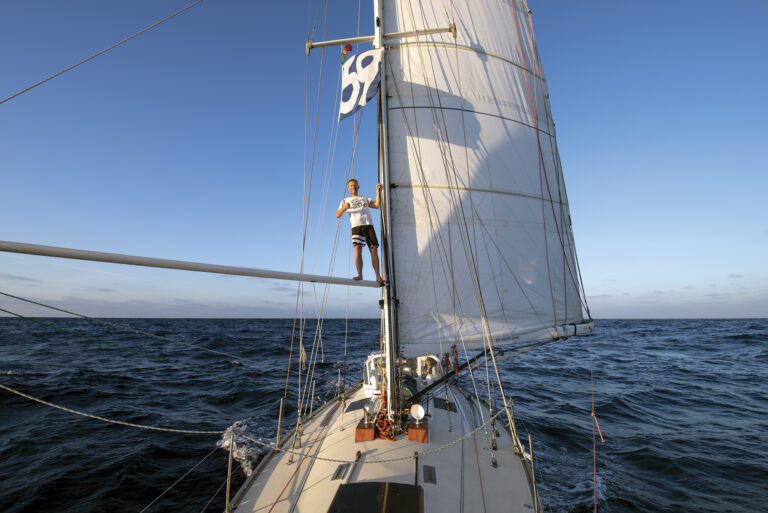
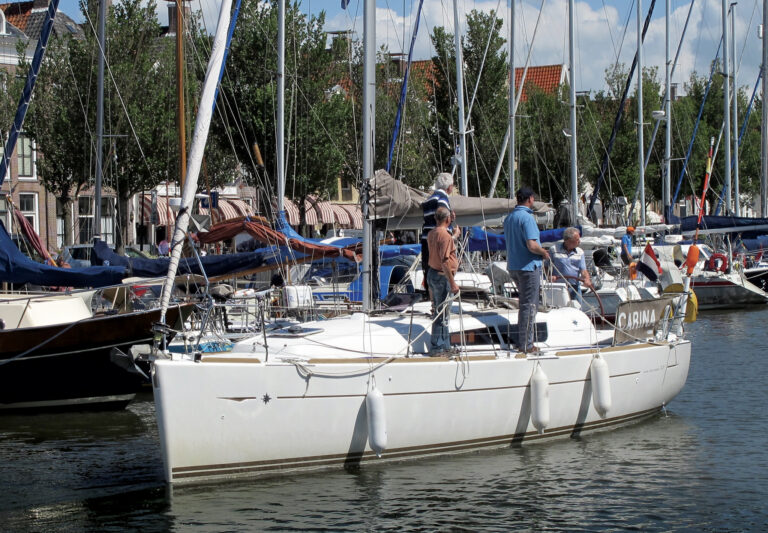
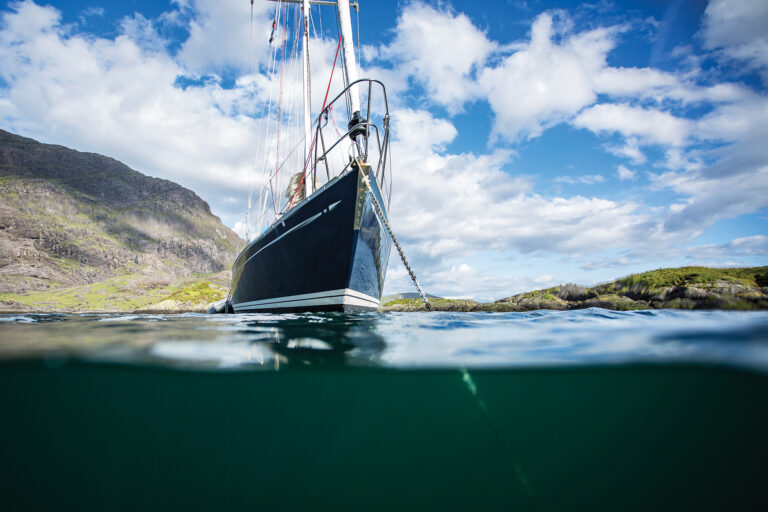
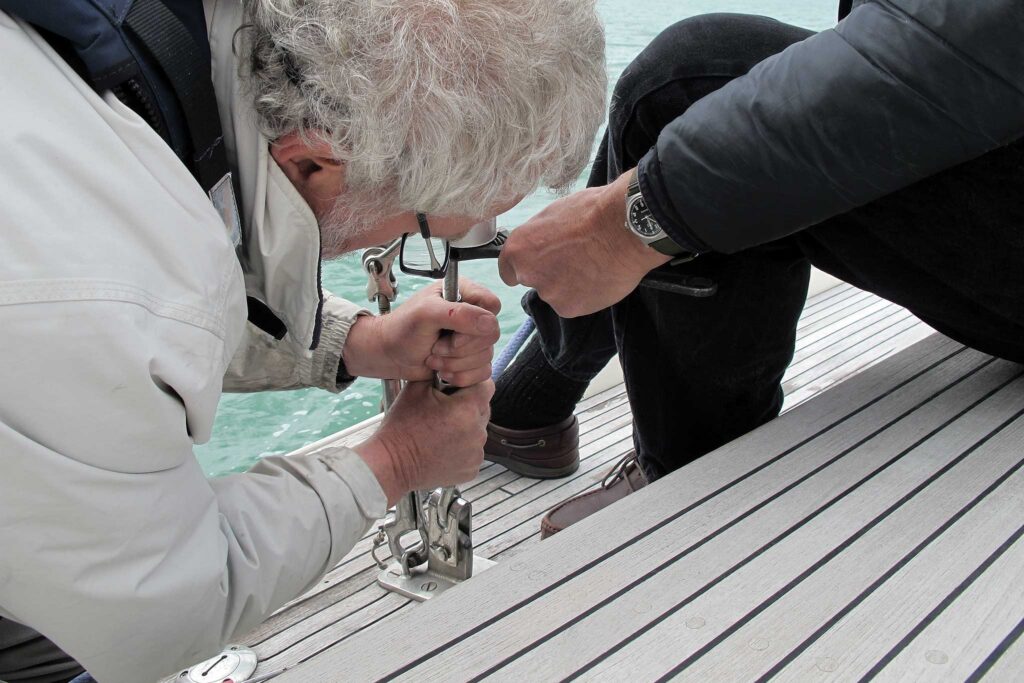
If I had a Scotch for every time I go on a boat where the rig needs immediate attention, I’d be walking the wobbly road to ruin. Here I am with my pal Bob, tightening up his lee rigging after we saw one of his lower shrouds flapping in the breeze—on the windward side! So often, rigs aren’t set up right when the boat leaves the factory or when a mast is put back in by a busy yard. Take a swing on her lee shrouds close-hauled in a steady twelve knots if in any doubt. If they’re notably slack, carefully wind up the rigging screws until the wires stop sagging. Don’t use a tommy bar, just hand pressure. At most, a small screwdriver or spanner. Do the same on the other tack, then sight up the track to make sure you haven’t put in a bend.
Invert the can
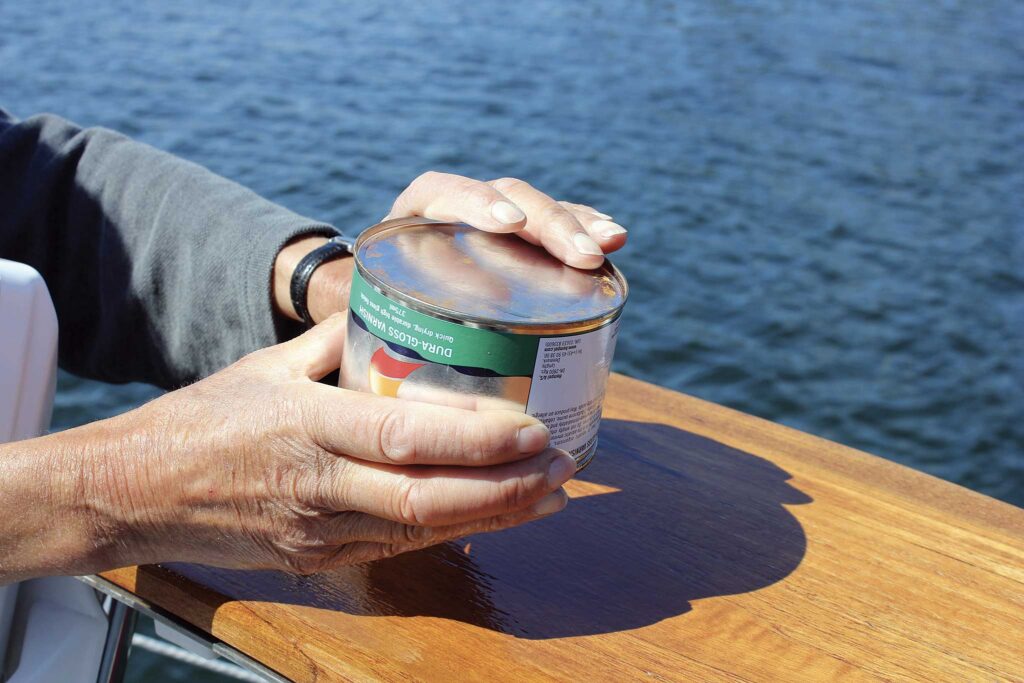
Tired of finding your expensive varnish with a skin on it when you re-open the can after an idle month or three? Air is the killer. When the job’s done, close the can carefully with hand pressure. Next, gingerly tap it all the way round with a small hammer or a big screwdriver handle to ensure the lid is right home. Too much grunt, it distorts and it’s all over, so go easy here. Lastly, holding onto the lid in case of disaster, invert the can and give it a shake. This leaves a film of varnish between can and lid. It goes off if there’s any air ingress at all, and you’re sealed.
Watch the depth
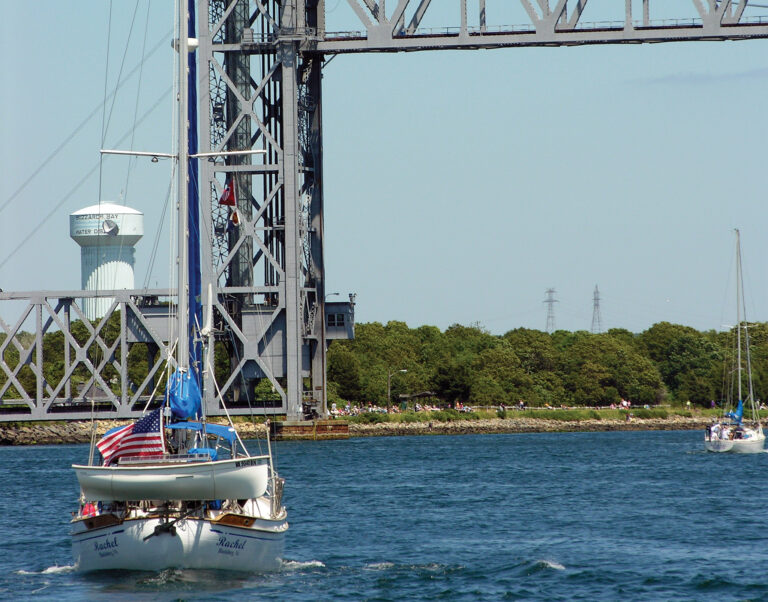
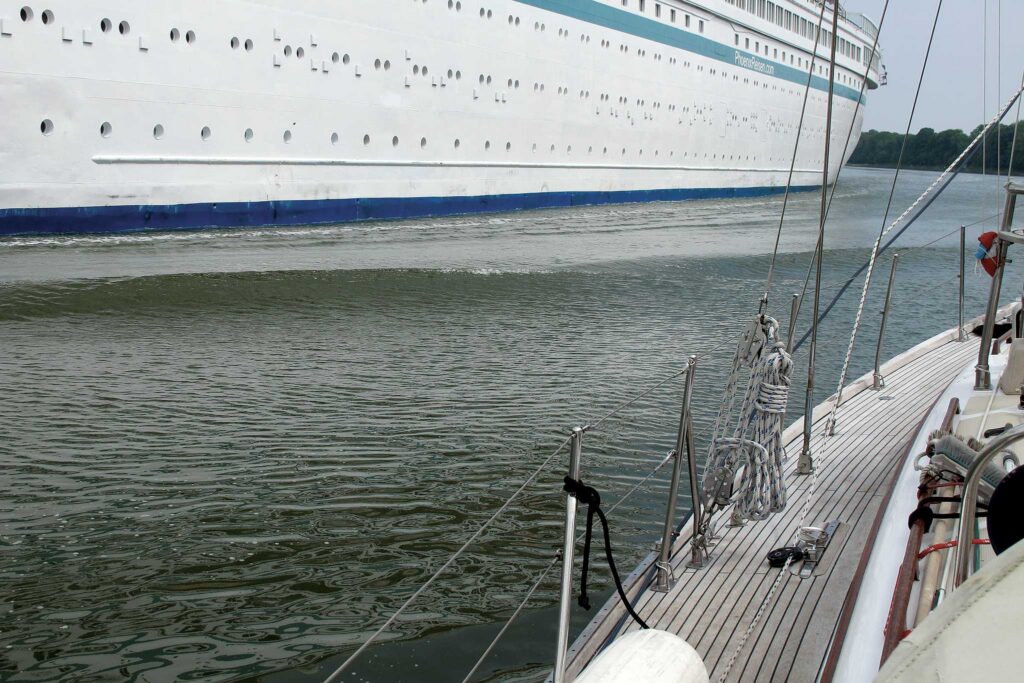
This isn’t something that’s an issue very often, but it can be catastrophic, so read on. When you’re in a canal or any narrow waterway used by ships, it’s vital to be aware that a large vessel moves so much water around that she can have a temporary but dramatic effect on depth. Somewhere around her middle, there will be a serious dip. I was once grounded out by a tug called “JR” in the ICW south of Norfolk, Virginia. The skipper leaned over his bridge wing as I lay on my side and called out, “Water’ll be back right now,” as his quarter wave refloated me violently. Obviously, we must give ships space, but don’t be bullied into going too close to the edge. You might get a rude shock.
This article was originally published in the April 2026 issue.