Ditch the Squeaky Rope
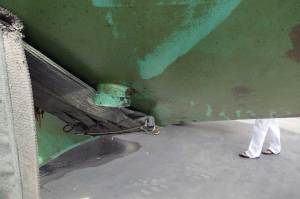
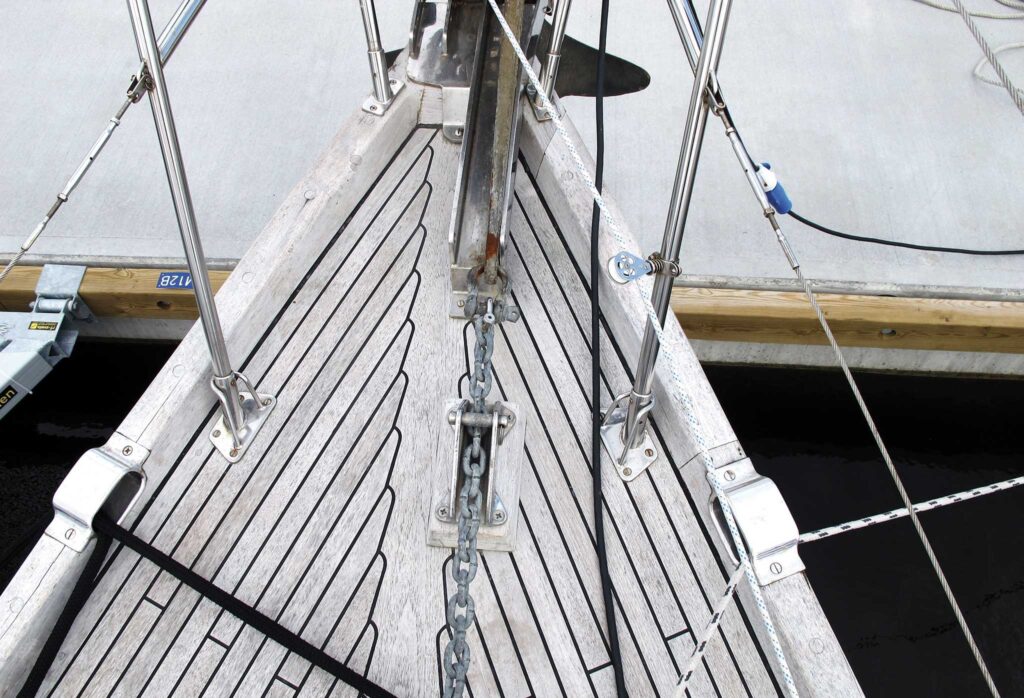
Look at the illustration and guess which rope kept me awake one night. It was, of course, the skinny one. The lovely, meaty 7/8 inch jobs on the port side were totally silent while that mingy half-inch toy I had to drag out of the locker at the last minute chafed and squeaked until morning. If you have noisy shorelines, I’ll bet they’re too small, or perhaps too old and stiff. Either will do it. Get on eBay, invest surprisingly little money on some soft, chunky ones, and sleep the sleep of the just.
Cranking Amps
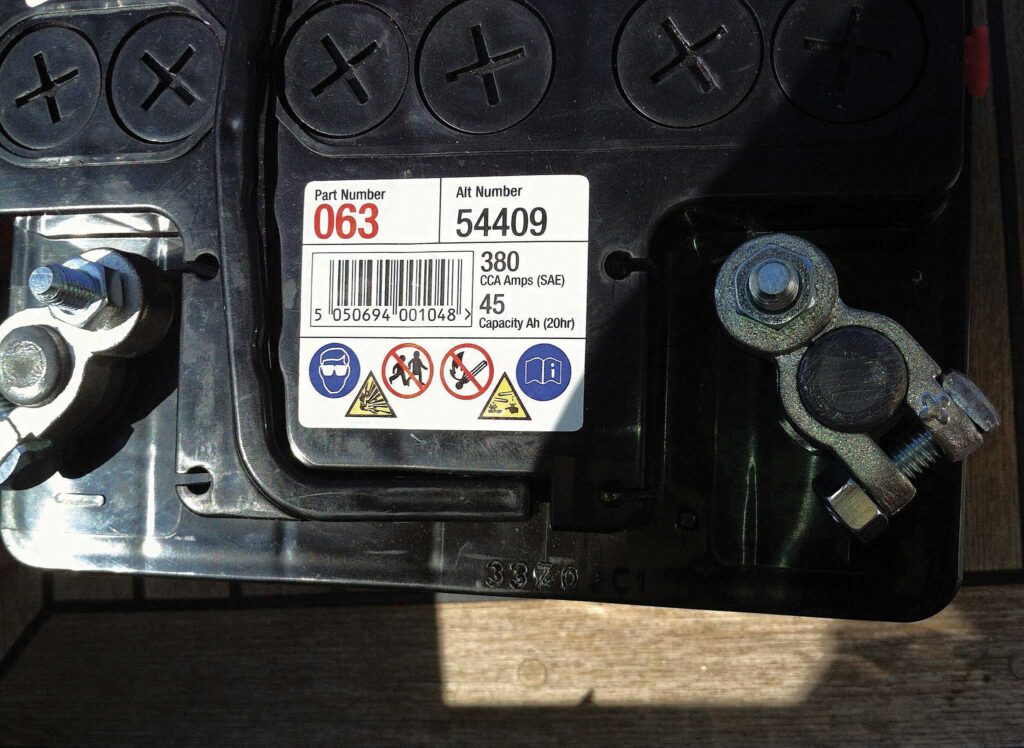
Any serious offshore training syllabus includes managing water and fuel. Today, battery management is equally important. Readers would be shocked by the number of candidates for certificates I’ve had who don’t even know that “Watts = Volts x Amps,” let alone how a deep-cycle, high-storage domestic yacht battery differs from the units in our cars. If your boat has a dedicated engine start battery, this question will arise when it is replaced. Often, boat manufacturers specify a pricey deep-cycle unit of 90 or 105 amp hours, imagining it confers a huge safety margin. It may do nothing of the sort. A diesel engine needs a good kick to turn it and, unless the user switches the charging off, it goes on to charge the start battery constantly until it is shut down. The best battery for engine starting is therefore one with a high “CCA,” or “cold cranking amperage” number. Storage capacity is far less important. A simple automotive unit with a high CCA also charges more rapidly than its domestic pal. It is often smaller and is invariably cheaper.
If you have a round “1,2, or 1&2” switch, this may not apply, but so long as the engine has its own battery, look for the CCA number not the amp hours alone next time you are replacing it. You’ll be richer and your engine will be happier.
Grease Up and Slip Them On
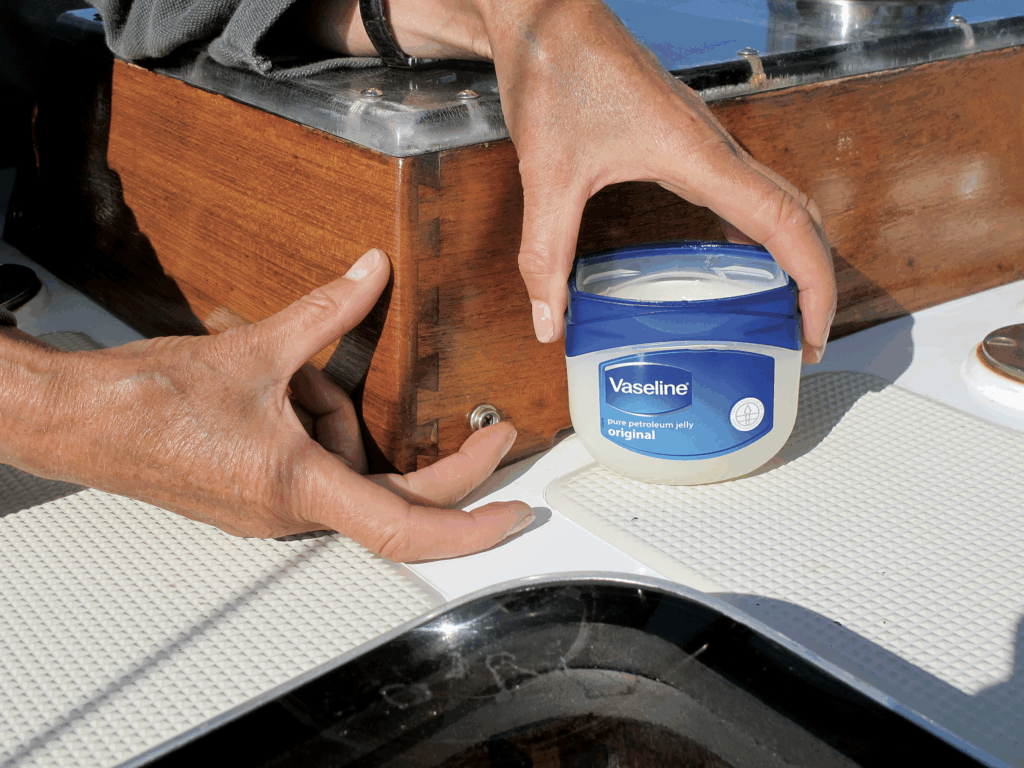
A smear of Vaseline around the rubber seals on opening windows and scuttles works wonders for water-tightness. Having shipped out with a big jar for this purpose, I decided to try a discreet application to the poppers for the covers on my varnished hatches. These have always been a finger-nail cruncher and award no pleasure to anyone except the varnishers whose jobs they protect. The results from this oh-so-useful product were, once again, a marvel. People now queue up to put the covers on, the job is such a delight. It works on the spray hood catches too, and it’s great for dry skin. I’m wondering what I can use it on next…
Tom Cunliffe ~ Sailor, Author, Raconteur
January/February 2026