I was inspired to write this column when Axel and I were in the car listening to the Moana soundtrack, and I was crying cathartic tears. Moana lives on a tropical island where nobody leaves because the island provides everything for the villagers. The song Where You Are joyfully expresses these sentiments, reminding Moana that “you’ll find happiness right where you are.”
But Moana is uneasy. Despite her idyllic village life in Motu Nui, she feels a spiritual, irresistible pull towards the sea. She is torn between it and her responsibility to her fellow villagers as the future chief. Moana’s grandmother is her north star—in that same song, the tempo slows and the movie cuts away to the grandmother dancing alone on the beach. Moana approaches, and the grandmother’s verse offers an alternative and an explanation for why Moana feels what she feels.
“Remember, you may hear a voice inside, and if the voice starts to whisper, to follow the farthest star, Moana that voice inside is who you are.” She’s saying that’s your gift, Moana, you’ve found your calling and there’s nothing you can do to fight it.
Soon after, an old and frail grandmother leads Moana to a secret cave, and suddenly Moana sees a fleet of abandoned boats and understands.
“We were voyagers!” she exclaims, running out of the cave.
With her grandmother on her death bed, Moana struggles with the idea of leaving her and their island. “You must go,” grandmother says. “But I can’t leave you,” Moana replies. And then, grandmother voices my favorite line of the movie, one that makes me cry every single time. “There is nowhere you can go that I won’t be with you.”
And then in my favorite scene, Moana finally heads to sea. “There’s a line where the sky meets the sea, and it calls me…I’m on my own, to world’s unknown.” The lights go out in the village, symbolizing grandmother’s passing, and just like that a fair wind blows off the island, pushing Moana out beyond the reef, while a phosphorescent manta ray swims beside her boat, grandmother’s spirit guiding Moana.
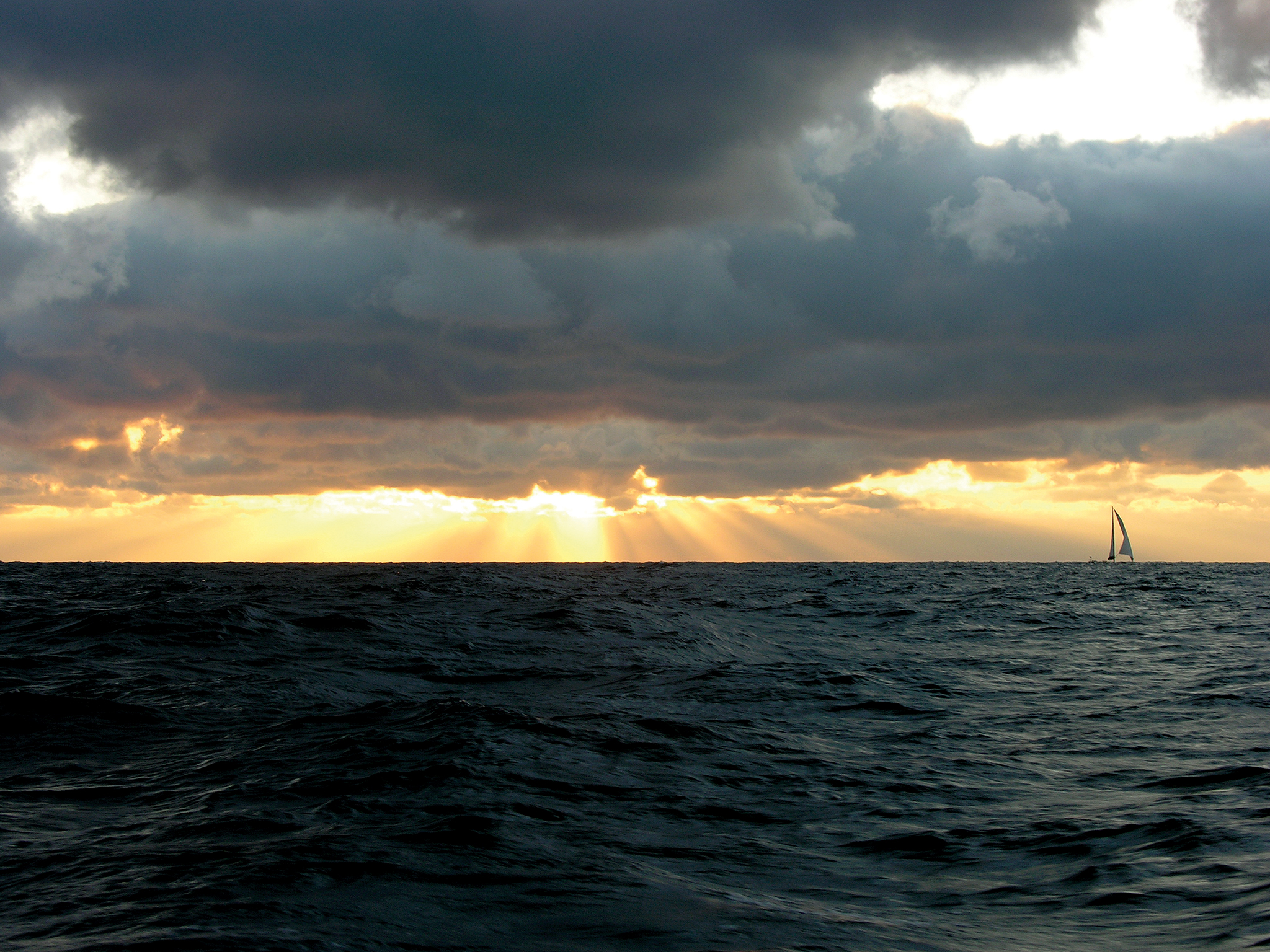
I cannot believe this movie exists. For one, sailing is such a niche thing that you’d hardly think it would translate to a Disney movie made for the masses. Not to mention the fact that they nailed the sailing scenes, which Hollywood never does! Maui’s description of navigating is perfect: “Knowing where you are, by knowing where you’ve been.” The star-filled nights and beautiful sunsets and sunrises might look a little too dramatic, but when sleep-deprived and caffeinated, it really can feel like that.
The movie’s spirituality and Moana’s pull to sea so uncannily resemble my life’s journey and my mom’s spirituality. It feels like the movie is about me.
I grew up in “Pixieland,” as my sister and our cousins jokingly called it, my family in one house midway up the hill, our cousins in their house at the bottom of the hill, and our grandparents at the top of the hill, all sharing the same property. Not unlike Motu Nui.
And just like Moana, I have long felt the pull of the unknown, starting to travel abroad when I was 18, and eventually meeting Mia in New Zealand when I was 22, leaving Pixieland for good when I moved to Sweden, sailing across the Atlantic to get there.
And like on Motu Nui, the “darkness” encroached, threatening all the life on the island. My mom was diagnosed with brain cancer in 2009, enveloping Pixieland in a similar darkness when she died in 2012.
The grandmother character in Moana could have been my mom. The village crazy lady, she calls herself. That was my mom in Pixieland. Little bit different than the rest of the family, guided by her own unique beliefs and principles, not caring what anyone else thought of her, and leaving behind a palpable spiritual energy when she died.
In 2017, sailing across the Atlantic on Isbjörn and alone in the cockpit, a whale came to visit me one rainy morning. I can’t explain it, and I’m not religious, but just like the phosphorescent manta ray that swims with Moana, I knew that whale was my mom’s spirit. There is nowhere you can go that I won’t be with you.
Inside this kid’s feature is a parable about discovering your true self, the wisdom of elders, and fulfilling your destiny—principles that Moana’s grandmother instilled in her, and that my mom bestowed on me, and which I’m now responsible for passing on to Axel.
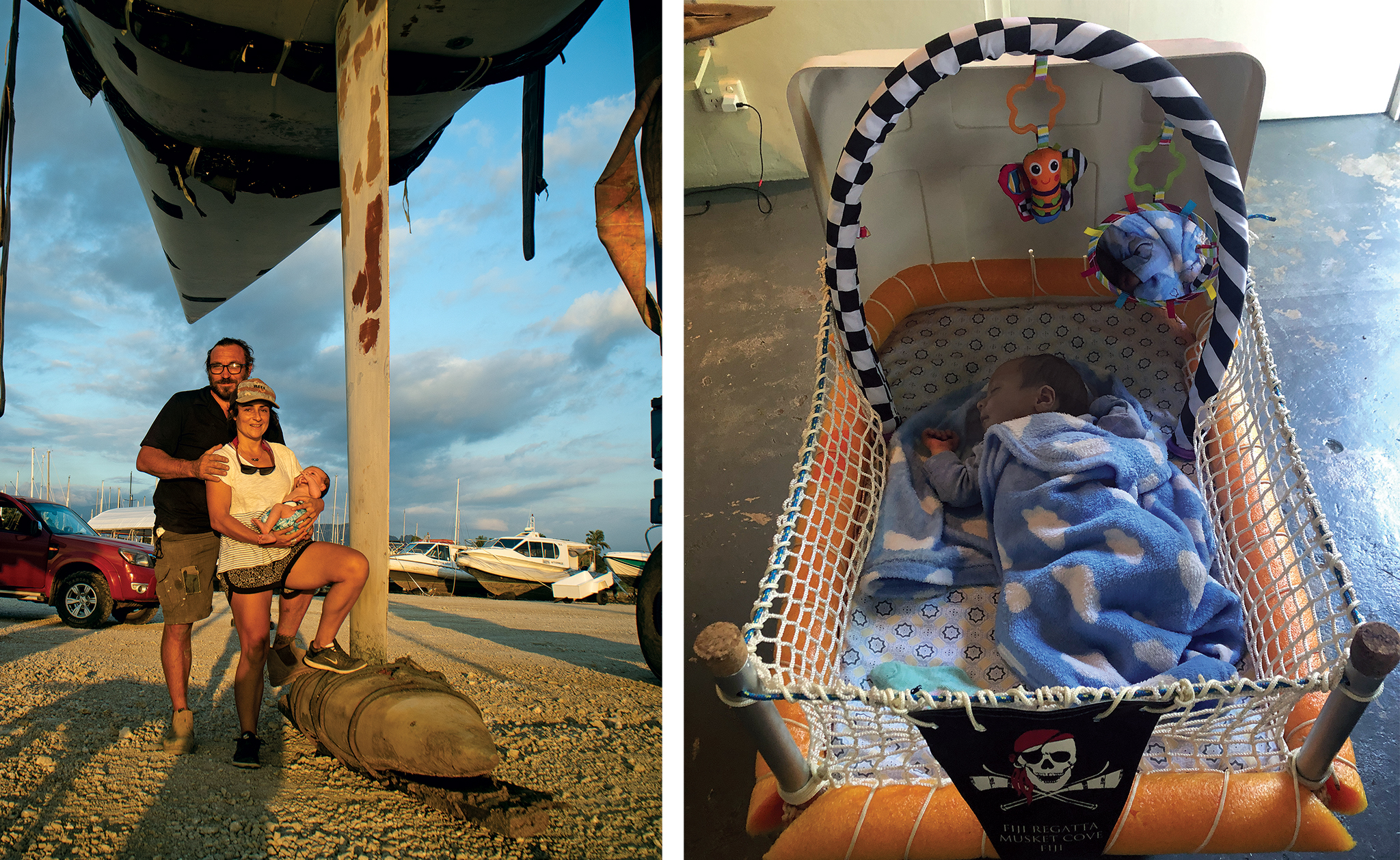
Unlike the end of the movie when Moana returns to a rejuvenated Motu Nui, I’ll never get to go back to Pixieland. And Axel never got to meet his grandmother. I’ve had to explain to Axel the concept of “happy tears” when I watch the movie with him (I cry every single time).
Even if he doesn’t know it yet, Moana has given Axel an uncanny allegory that perfectly encapsulates my mom’s philosophy and has given me joy and peace as I reflect on it.
November/December 2025