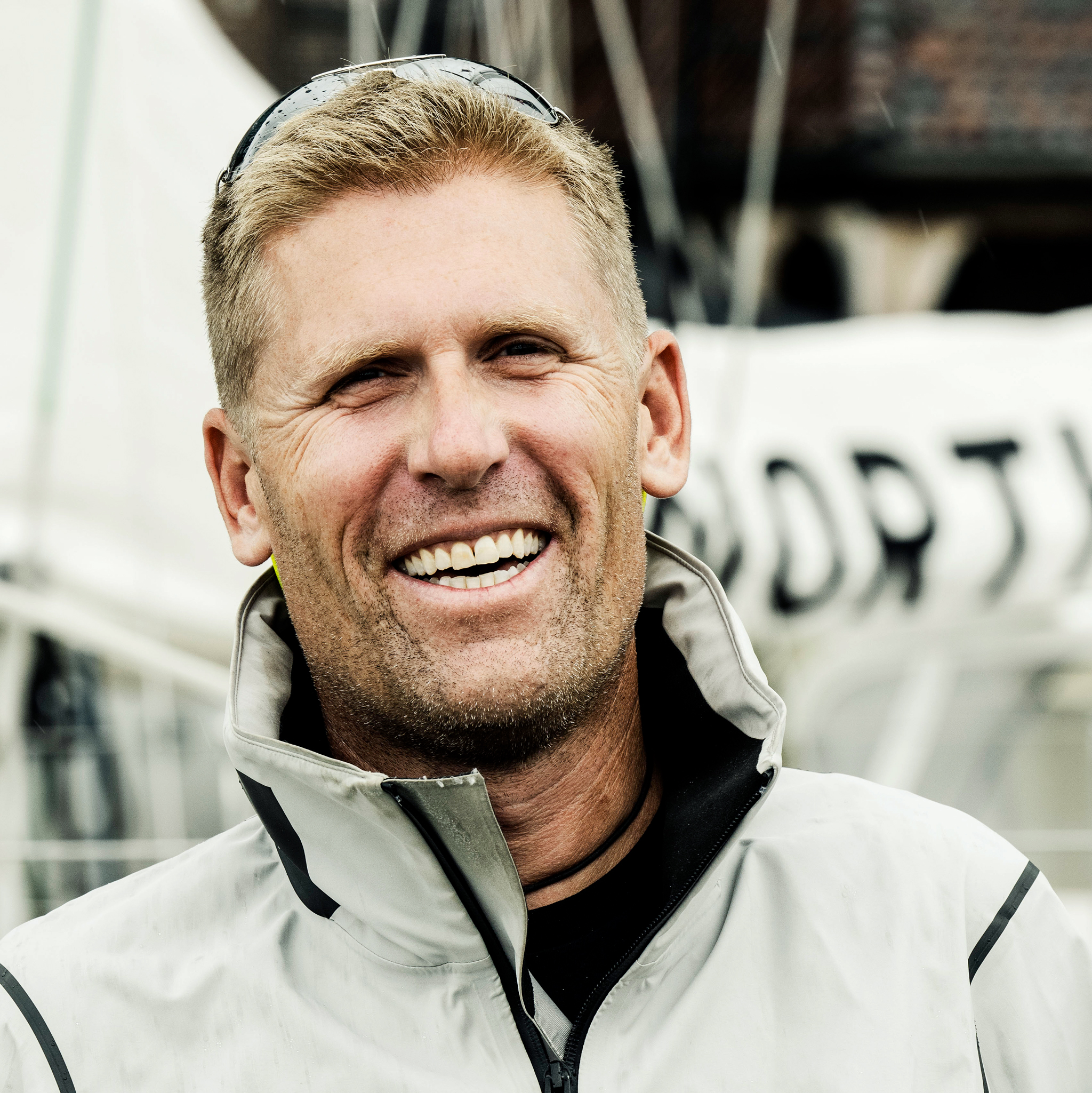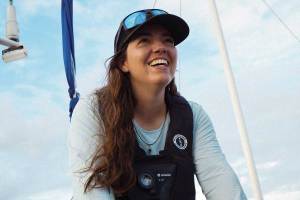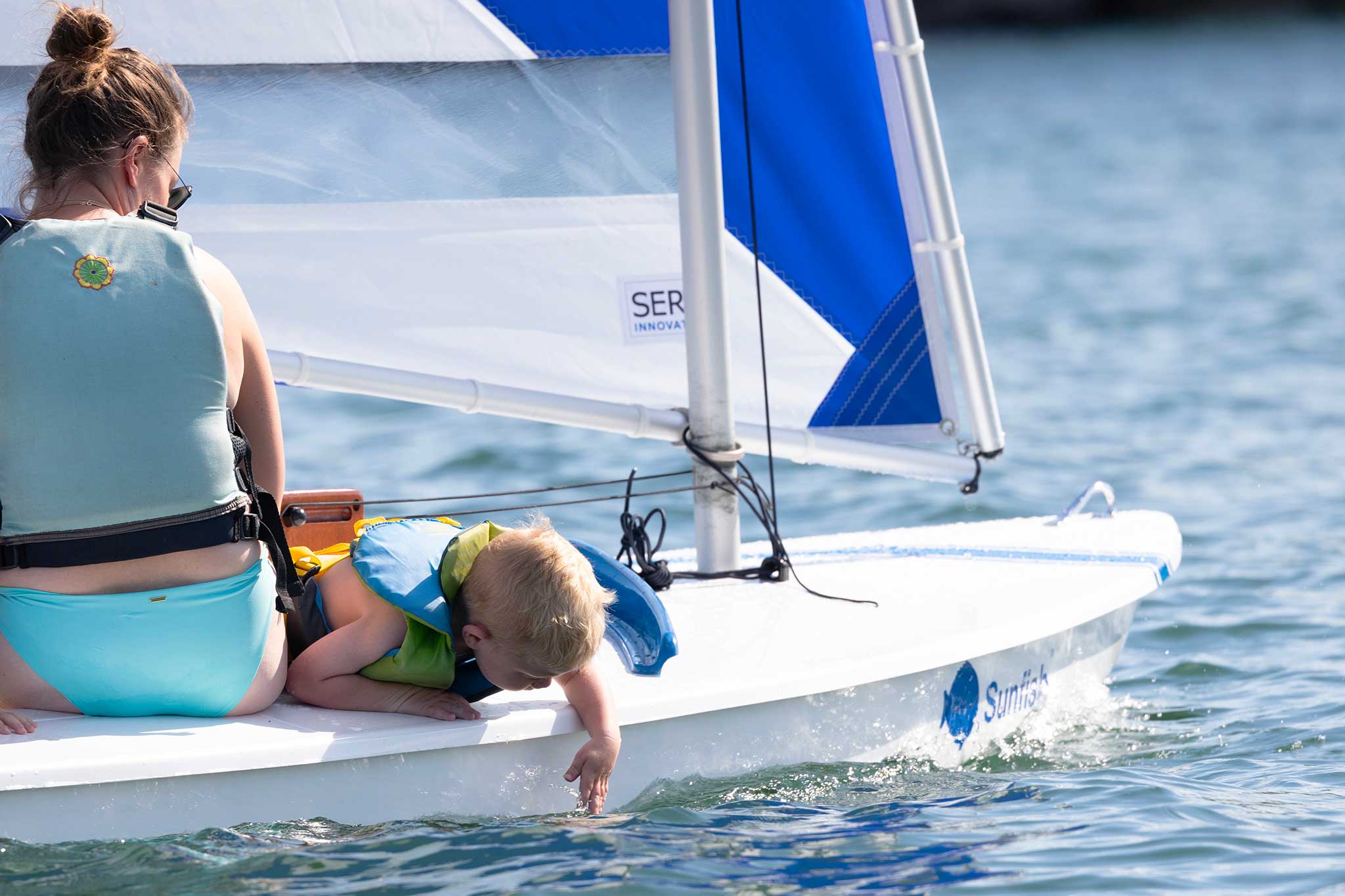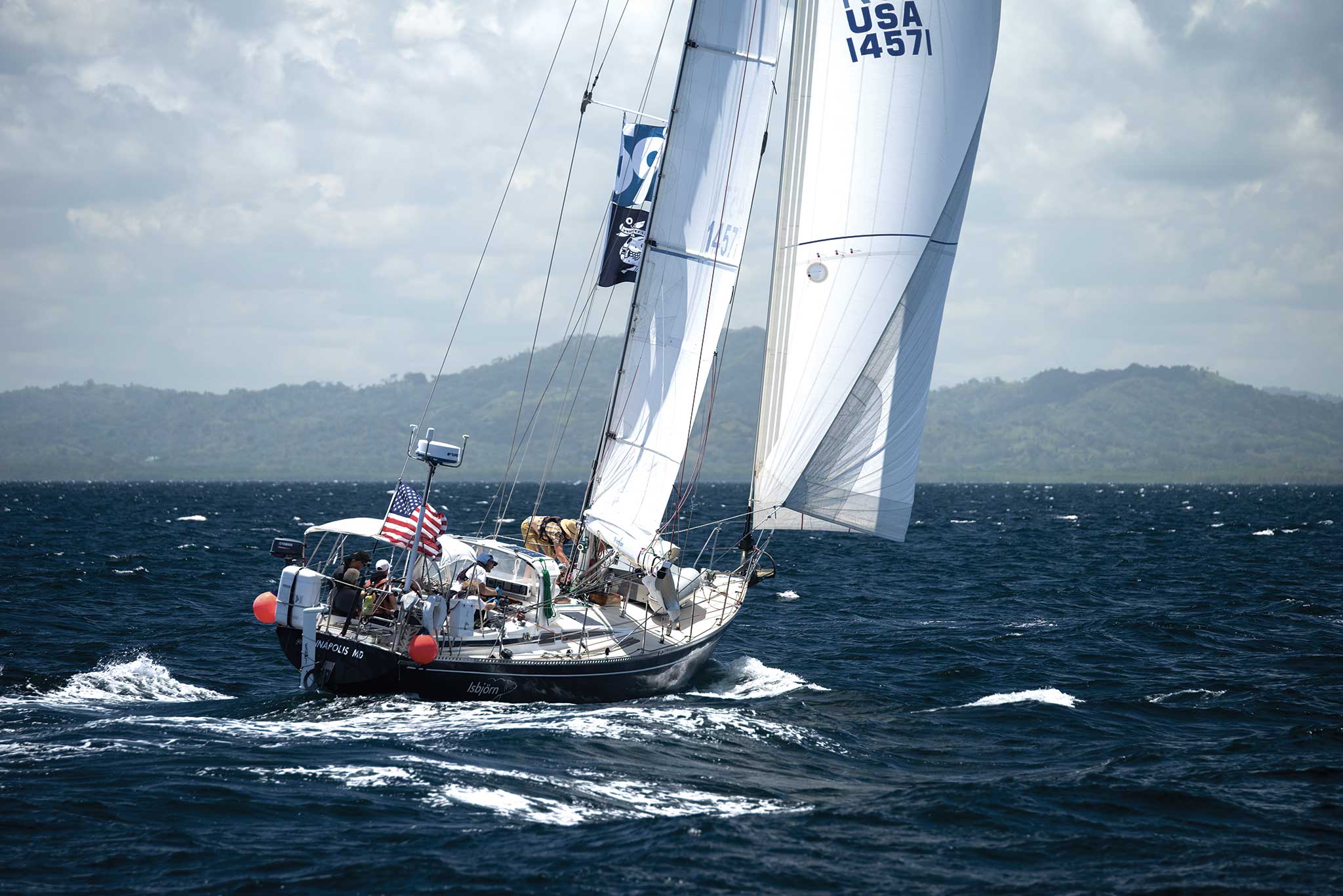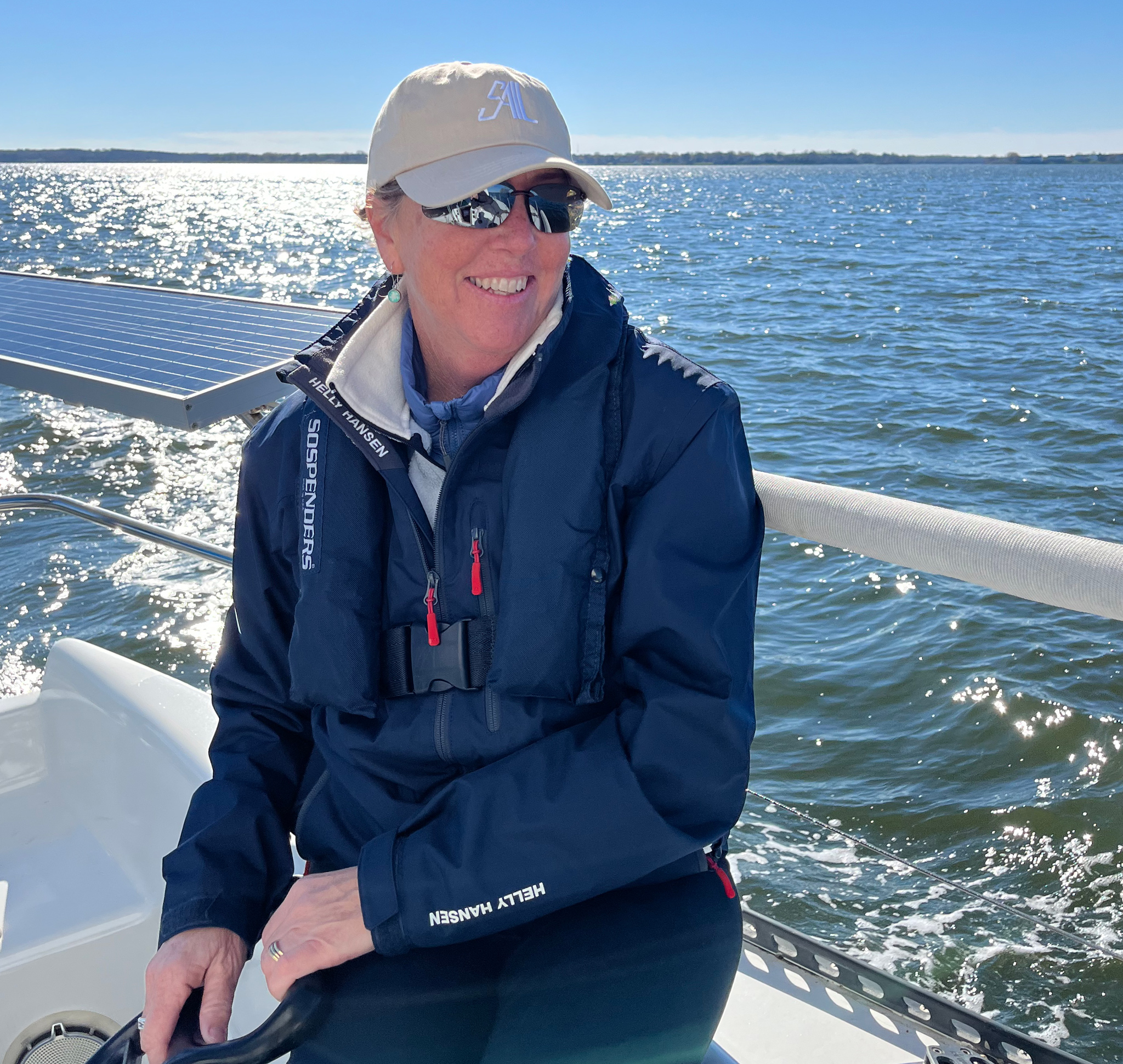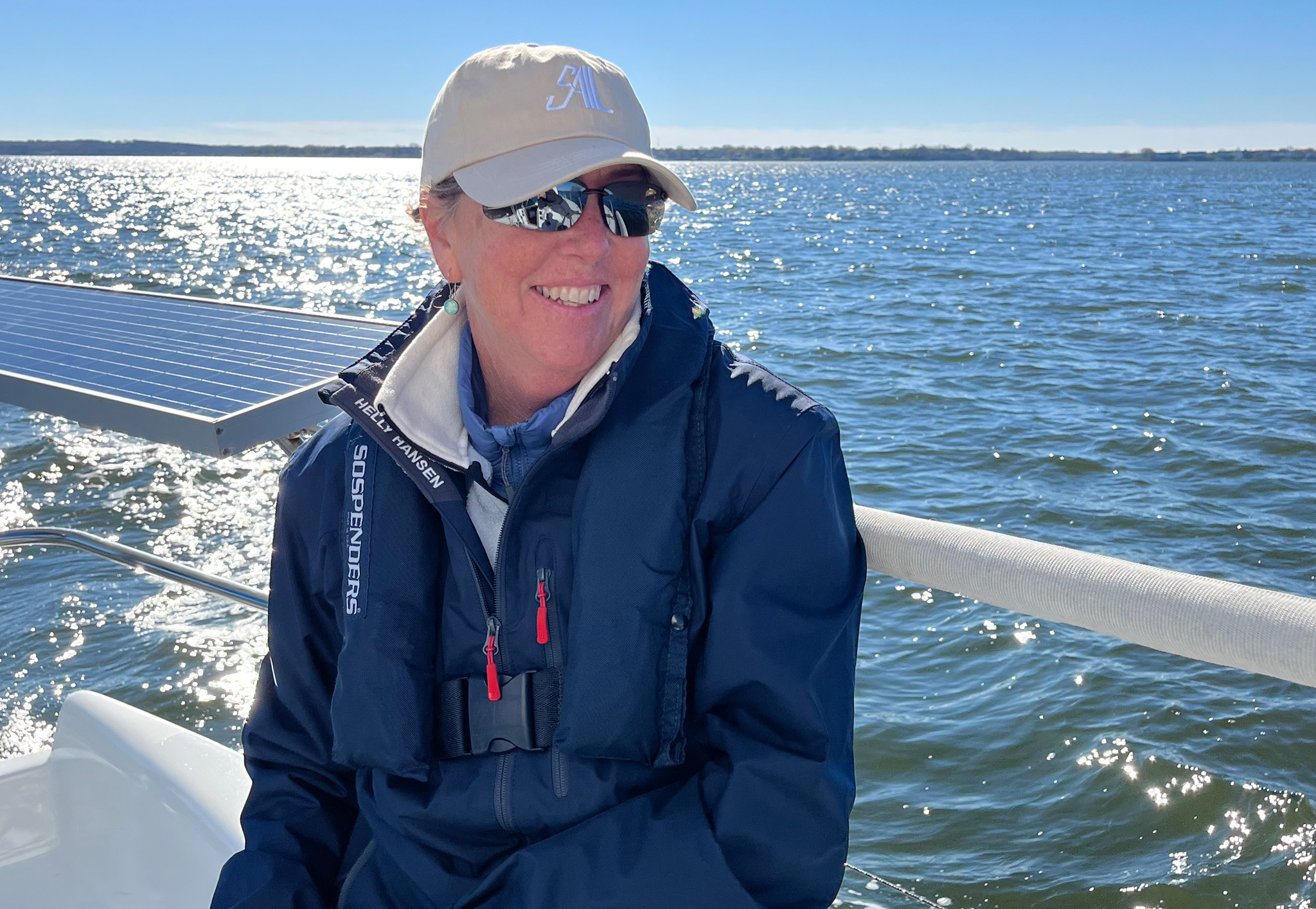
Sadly, at the end of this season one of our two full-time skippers, Mary, is heading back to school to get her master’s degree. Good for her—bad for me! Mary is one of the best skippers we’ve ever had, and it will be impossible to replace her. It got me thinking…what is it, exactly, that defines a good offshore skipper?
Core Sailing Skills
In our application process, I have taken it for granted that you’ve got to be an all-around fantastic sailor. Your technical skills have to be top-notch and instinctual. Everything from explaining how to trim sails on a reach to how to set and douse a 3,000-square-foot symmetric kite with 20-foot long carbon pole (and what to do when it doesn’t go smoothly).
As it turns out, these kinds of technical skills—and most importantly the ability to teach them to novices—are hard to come by! If a crewmember asks, “Hey, tell me about twist in the jib and why I should care about it,” you’d better be prepared to not only be able to answer that question but be able to flip it around and do an impromptu sail-trim lesson for the entire boat.
This is just one simple example, and my overall point is that our skippers must have a breadth and depth of knowledge that allows them to pull lessons like this from their back pocket when the opportunity arises.
Weather Understanding
I asked Mary earlier this year what she thought was the single most important attribute that an ocean sailing skipper should have. Without missing a beat, she answered, “Weather.”
Correct-o-mundo! And I was delighted she came to it. But just like sail trim, understanding weather isn’t enough. The skipper’s job is to teach the crew what’s happening and why. Understanding weather and what to do about it is really all about judgment, the foundation of good seam’nship.
I asked a similar question on our staff application form, fishing for that same answer. But only a handful of the 23 applicants answered “correctly.” The obvious (and in my mind “wrong”) answer was something along the lines of “crew well-being first, boat well-being second, blah blah blah…” This is of course true, but what I wanted to learn from this question was how would you best achieve those goals? By staying ahead of the weather.
If you can successfully interpret a GRIB file and properly read a weather forecast from a shore-based weather-router, you should never be caught off guard at sea. Modern weather models are incredibly accurate in the three to five day future window and at sea so long as we’re sailing the appropriate “safe” season, it doesn’t much matter what happens beyond that window as long as we know what’s coming and what to do about it.
If you can understand from GRIBs what the weather trends are (for or against you) and how certain you are in those trends, then you can execute your passage accordingly to fulfill those ultimate (and obvious) goals of keeping the crew safe and the boat in one piece. If you fall behind on anticipating the weather, you’ll be in constant “react” mode.
Be a Great Teacher
I kinda buried the lede here, but truly the most important thing about our skippers is that they’re humble, they love people, and they’re natural teachers.
When we had a staff training session aboard Falken in Portugal a couple years ago, we had over one million collective sea miles sitting around the cockpit brainstorming ideas for 59º North, and yet to a person, every single one of us felt on some level that they didn’t deserve to be there. In other words, we all had a strong case of imposter syndrome, myself included.
It got me wondering, is imposter syndrome a pre-requisite for the job? This, of course, runs entirely counter to the fact that you’ve got to be supremely confident in yourself and your abilities to teach a group of novice sailors how to handle a 65-foot boat and then cross an ocean on it, in safety and style, and with only a day or two of prep. But something about that “just right” amount of imposter syndrome seems to keep us all humble enough to not get complacent.
I joke at the beginning of each Falken passage I skipper that I “have the softest hands in the crew” because I’m rarely handling lines or driving the boat. The most successful passages for us are the ones in which the staff do the least amount of actual labor onboard. Instead, we clean the heads and cook the meals so that the crew can truly get their money’s worth by hands-on operating the boat—but only after we teach them how.
I love the phrase that goes something along the lines of “fear is just a lack of knowledge.” It’s your job to educate the people who you sail with to remove that fear due to lack of knowledge, and it’s your job to look inward first and identify where your lack of knowledge creates your own fear or uncertainty.
This article was originally published in the October 2026 issue.