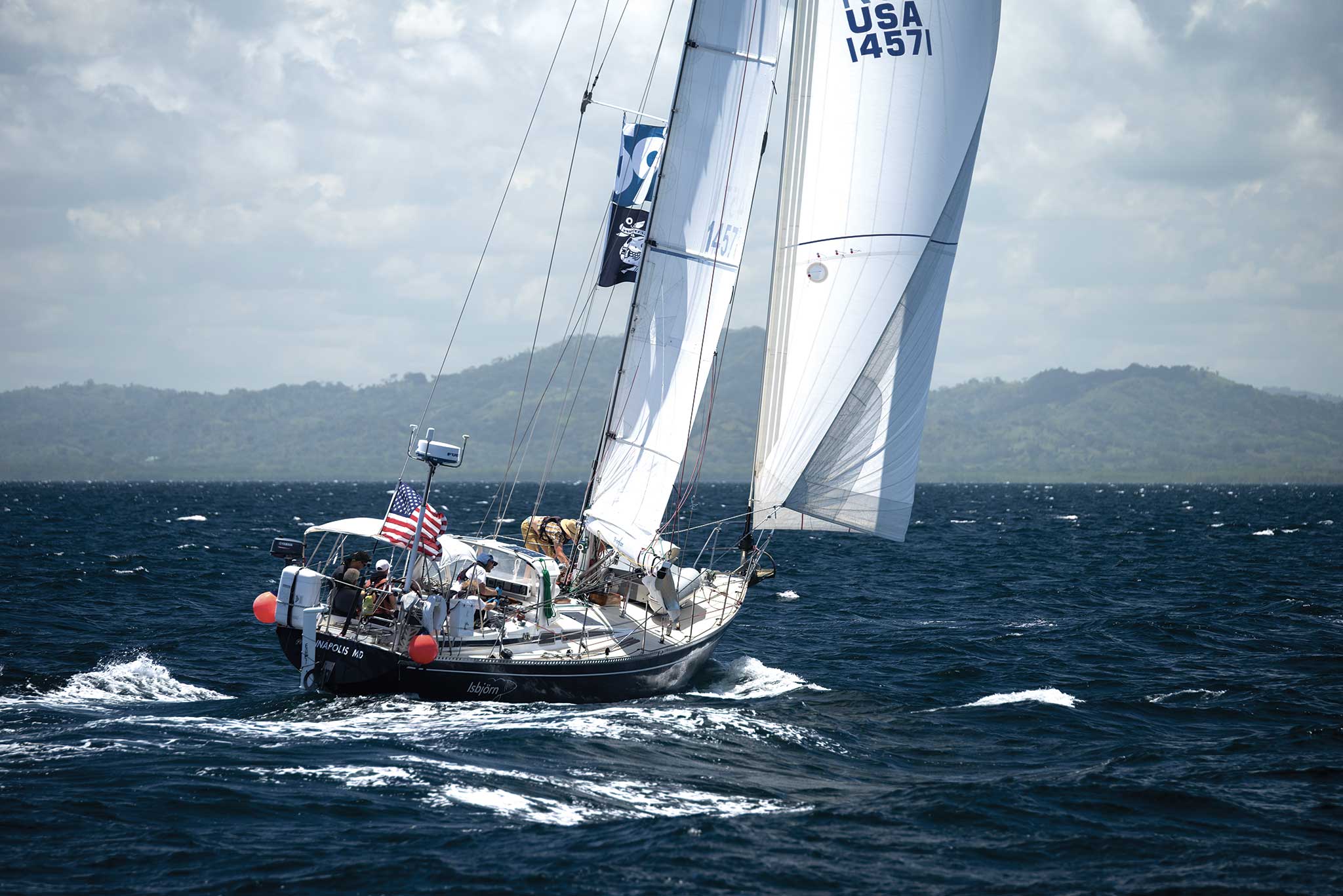
March is the Offshore Issue, and it’s one I’ve been looking forward to for months. After all, it was an offshore race that really inspired my whole career.
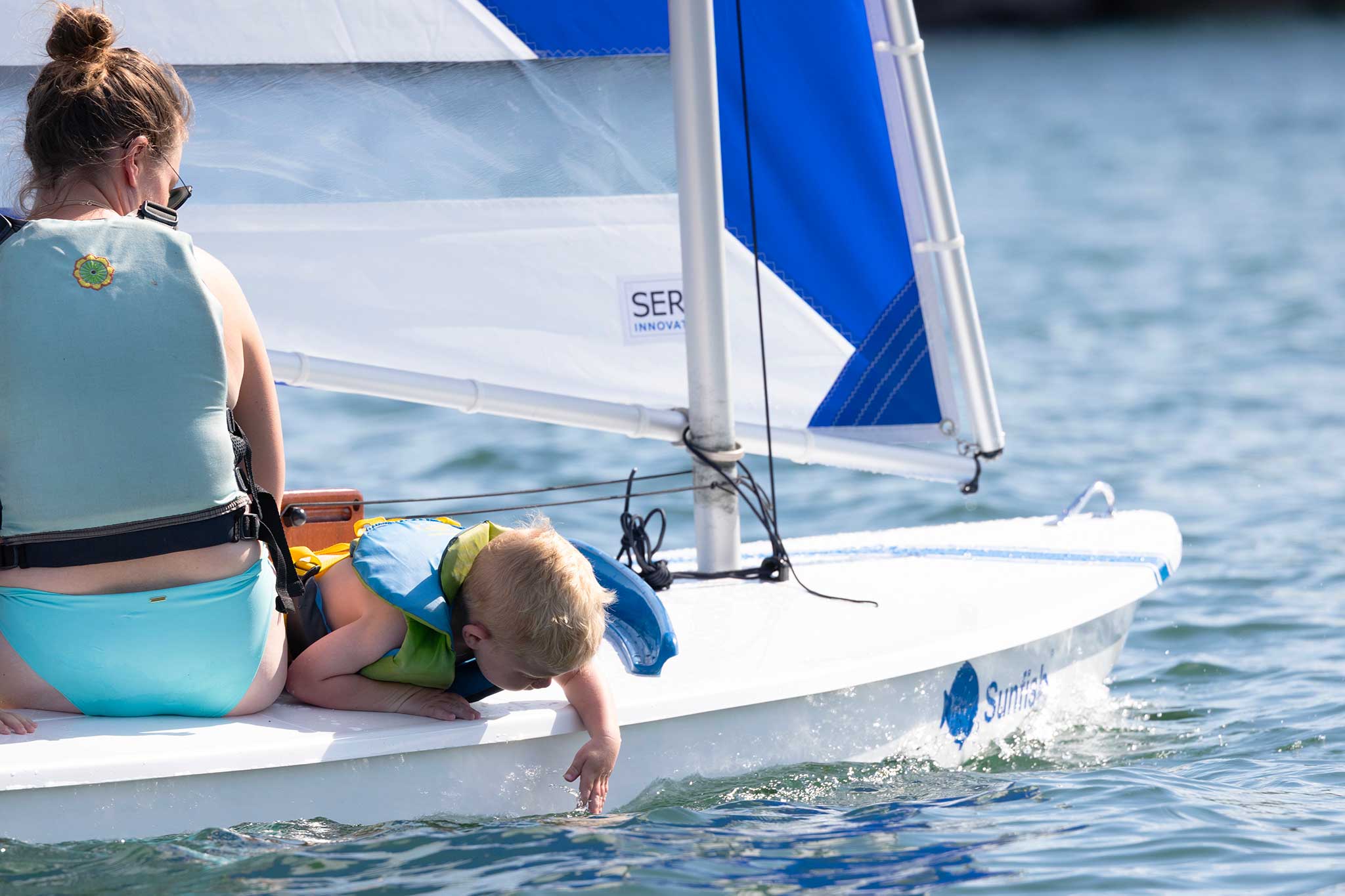
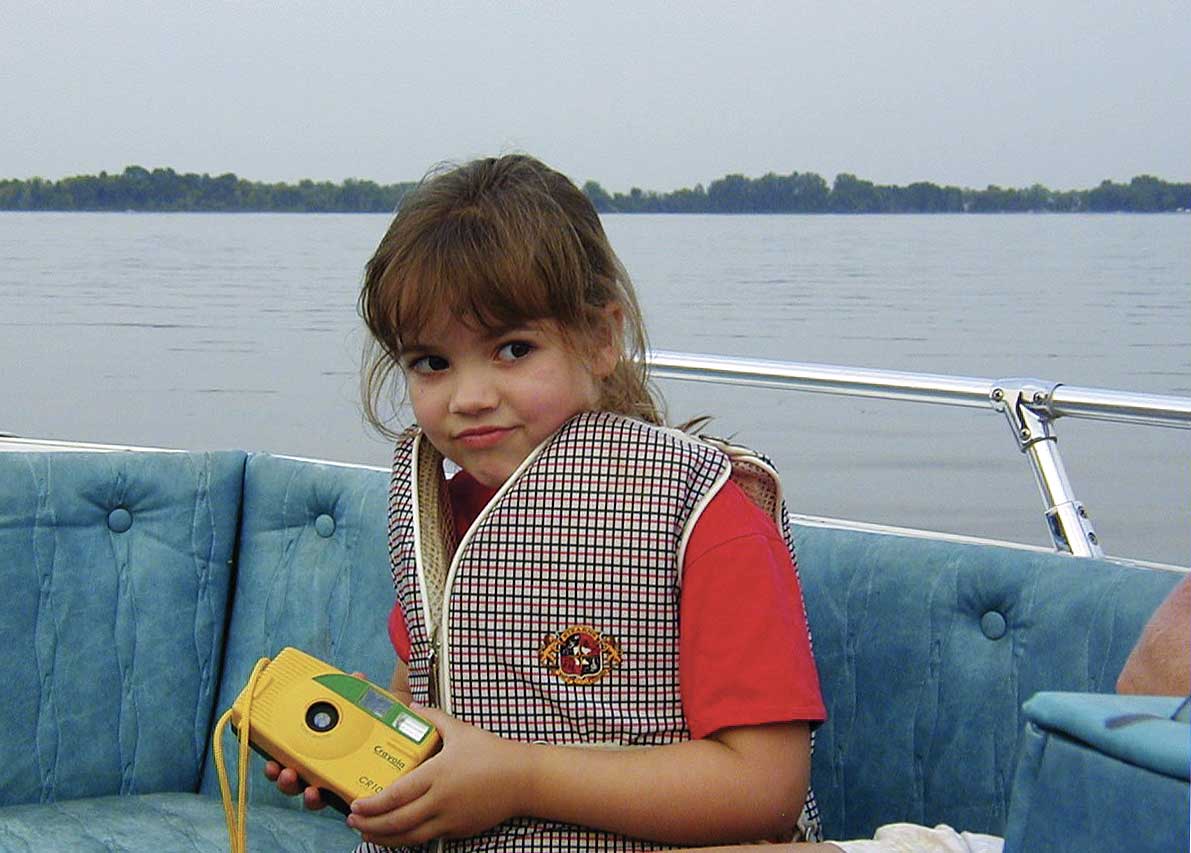
I grew up sailing dinghies in a summer program. I’d always been a swimmer, but my mother realized she could get rid of me for four extra hours per day if she also enrolled me in the club’s sailing lessons. As a kid, I didn’t know any adults who sailed, certainly not any who owned boats bigger than Snipes. That whole world didn’t exist to me.
Then—I remember this so clearly—one night in 2014 I was scrolling through social media when I saw a post that changed everything. The algorithm suggested The Volvo Ocean Race’s Facebook page, which was posting a daily photo from each boat for fans to vote on the best ones. I scrolled and scrolled through weeks of their photos with the slow dawning realization that “sailing media person” was apparently a thing that one could be.
I walked into my career counselor’s office a few weeks later and told her I wanted to be an onboard reporter for The Volvo Ocean Race. She stared back at me blankly. I explained. Sometime in those interim weeks, Vestas Wind had ran aground on a reef, and rather than scaring me off, Brian Carlin’s onboard footage of the incident sealed the deal. This was not like any other sport I’d seen before. There was adventure, teamwork, sportsmanship, skill, plus the romance of being at sea that shone through even on the high-tech racing boats. There were underdogs, stories of grit and tenacity, tearful reunions at the docks. You name it, this race had it.
But I dreamed of offshore racing the same way you might dream of winning an Oscar or going to the moon. Sure, someone did it, but not mere mortals like me.
In response, though, my career counselor had said, “Okay, how do you get there?”
It was so nonchalant, as if The Dream was something achievable, as if this was something I could really do. How do you get there?
I started making a list. I’d need to learn to sail big boats. I’d need a portfolio of adventure photography. Contacts in the industry, drone certifications, published bylines…The list went on and on, but not forever. There were a finite number of things to do, and if I could accomplish them, I’d be a great candidate next time that job application was posted.
By my rudimentary calculation, I could nail down the journalism resume in maybe 10 years if I was strategic about what jobs I took. I’d also need to squeeze in internships, volunteer opportunities, and sailing miles, plus a lot of networking. I emailed everyone in the field I could think of, asking if they’d talk to me about their job. Every conversation added a new thing to the to-do list: listen to this podcast, read this book, start a blog, call someone else. I set a goal to be employed in marine journalism by the time I was 35.
Imagine my astonishment, then, when three years into my plan I got an email from Editor-in-Chief Peter Nielsen telling me he wanted a cover letter in his inbox stat because SAIL was looking for an associate editor. It turned out that a foot in the door was much closer than I’d imagined.
That spring at the 2018 Volvo Ocean Race stopover in Newport, I was interviewing the same sailors that I’d been watching as a fan the previous race. Team Brunel invited me to go sailing with them, and standing next to Bouwe Bekking, camera in hand, while Peter Burling threw a 65-foot boat around the pro-am start line like a dinghy, well, who’d blame me if I shed a tear or two.
I’ve sailed a lot of boats and written a lot of articles in the years since, but I always try to keep 19-year-old Lydia with me. I don’t want to take for granted that her wildest dream is my reality. And while I haven’t done a stint as an OBR yet, I think she’d forgive me for taking the route where I get to sleep in my own bed most nights and am employed more than nine months every four years.
That question of “how do you get there?” was so simple, so obvious, yet for me it completely re-framed a dream into a plan. It’s a question I’ve returned to again and again, especially when things seem impossible. I try to ask it as that counselor did: no drama, no intimidation, just point A and B and whatever exists between them.
We sailors tend to be dreamers—it’s something about all that time staring at the horizon. So, while you’re making plans for this season, revisit that big idea you’ve put on the shelf. Whether it’s an offshore adventure or a DIY project at the dock, you’re only ever a finite number of skills, connections, or steps away from achieving it. How are you going to get there?
— Lydia
Lydia can be reached by email at lydia.mullan@firecrown.com or lydiaatsea on Instagram
This article was originally published in the March 2026 issue.