Even if you know it’s coming, 30 knots is a lot. And we—and presumably the whole fleet competing in last September’s Naval Academy Sailing Squadron Fall Race to Cambridge—knew it was coming.
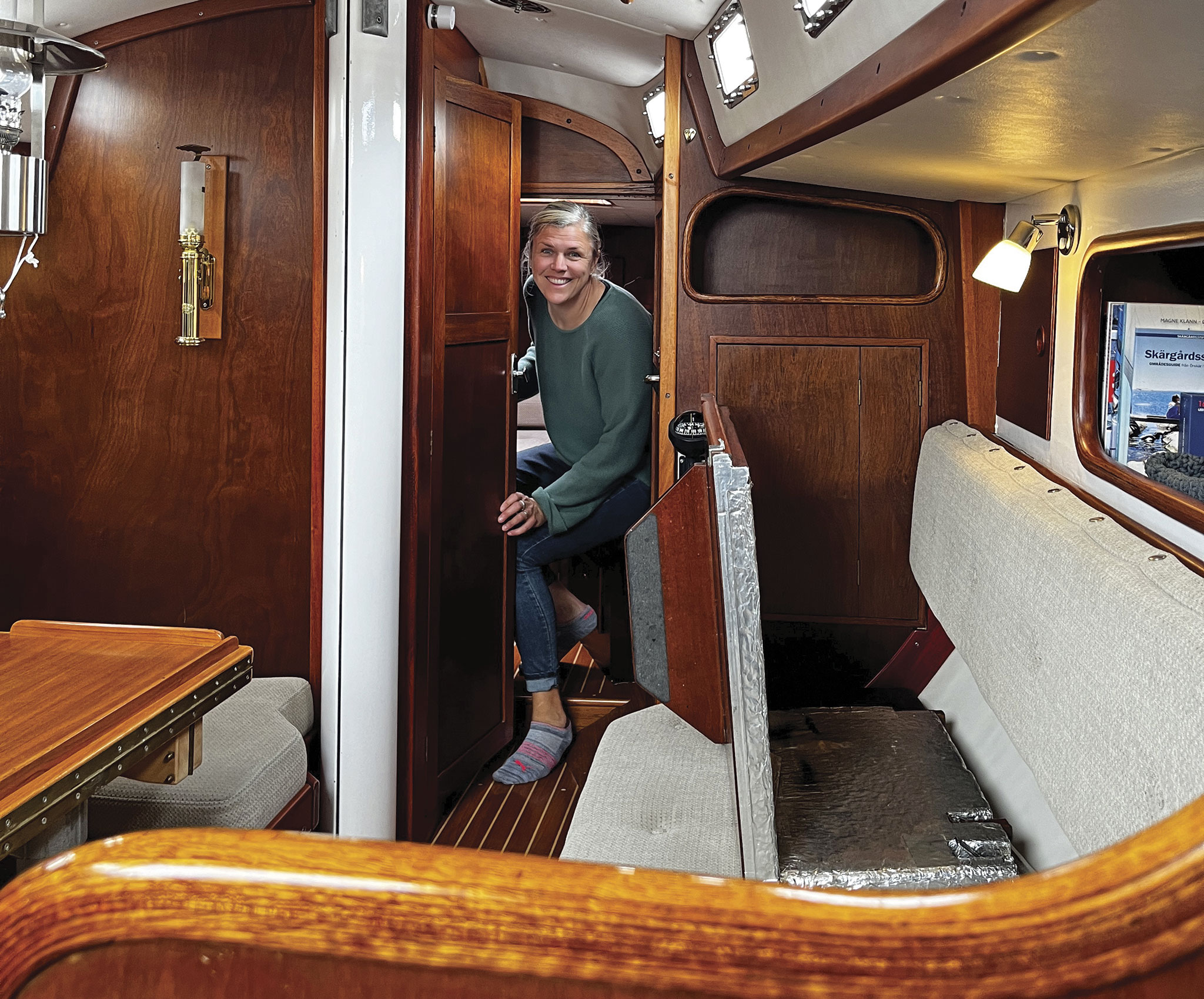
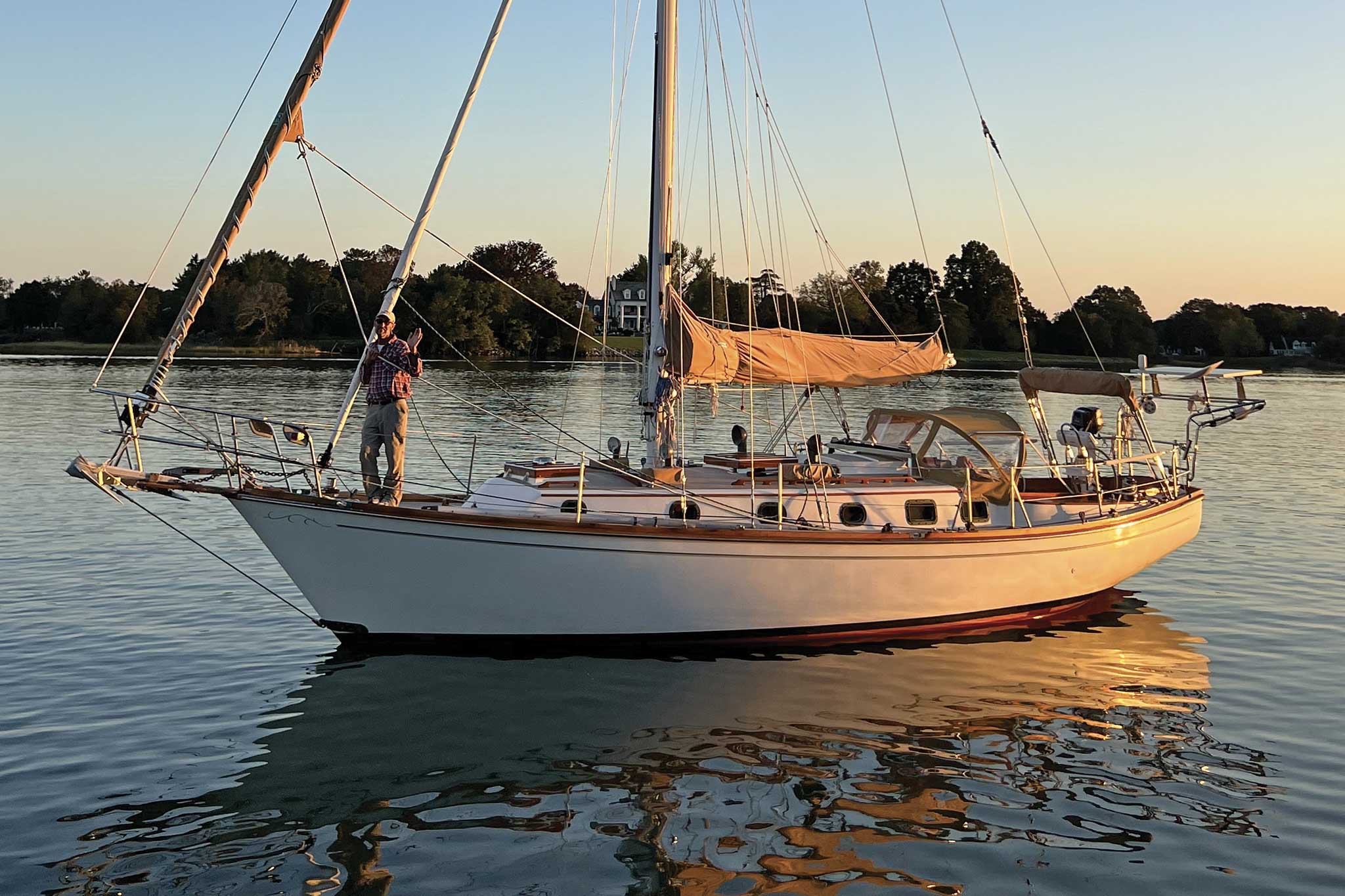
It’s safe to say, though, that most of the fleet hadn’t been in racing mothballs for 25 years, as had we and our Peterson 34. In fact, we had never raced her—though she (and we) had seen plenty of racing miles before we bought her to be a fast, fun cruising boat. With two little kids on board, Johnny and I hung up our racing spurs and hers and learned how to be cruising sailors.
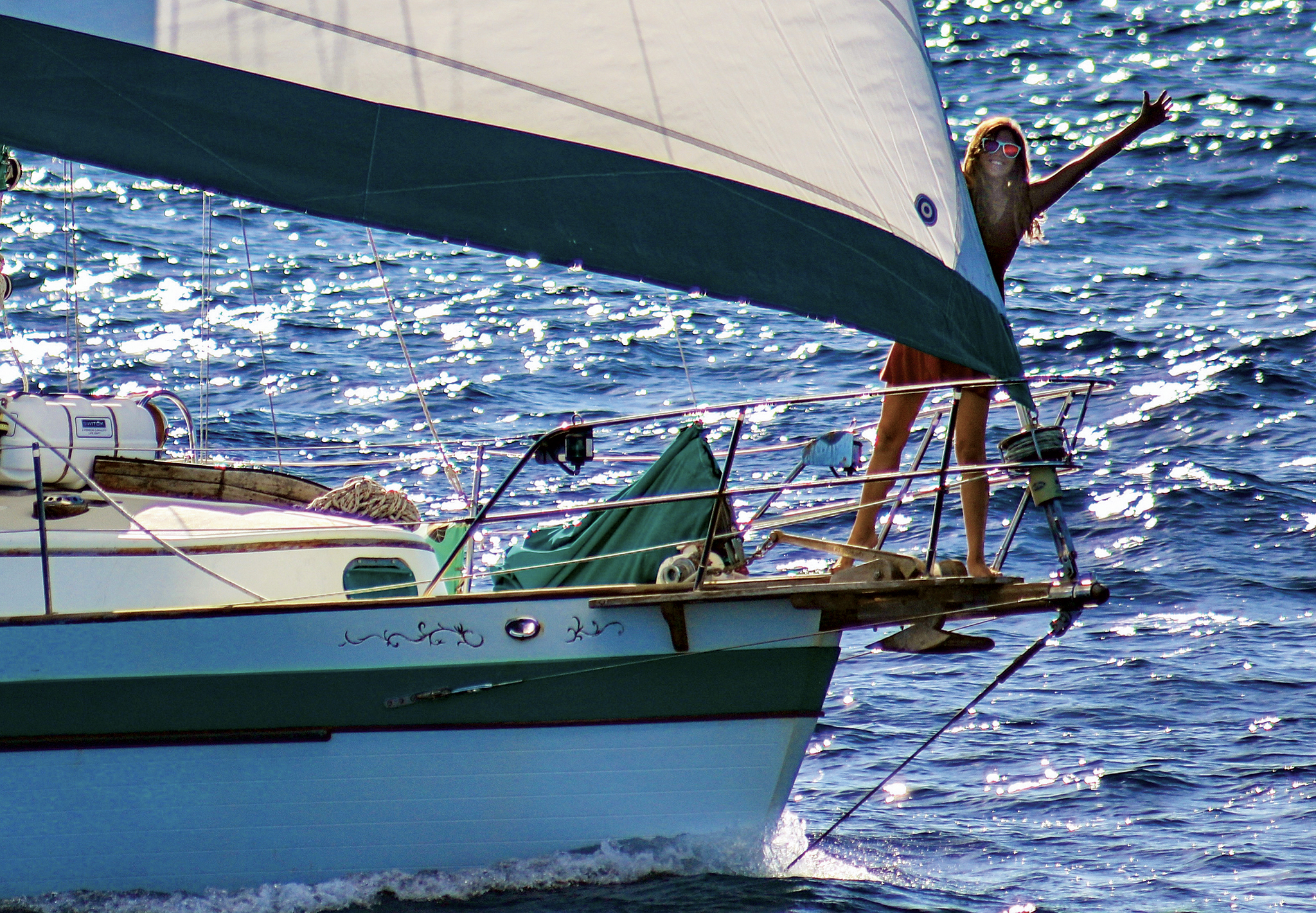
Then two years ago, our friend Dave invited us to race on his boat in the Governor’s Cup, an annual overnighter from Annapolis to St. Mary’s, Maryland. It was a drifter. Still a ton of fun. And the little voice started talking…what if we were to race Luna? Just for fun? Just us—not a crew? Low key, nothing crazy…after all, she has a windlass, two solar panels, a grill, a furling headsail, and a honking big anchor on a bow roller. How serious could we possibly be?
A new set of sails and a year later, with strategic prodding again from Dave, we got an updated PHRF certificate and signed up for the 35-mile race from Annapolis to Cambridge, with Dave making our crew three. Hewing to the low-key concept, we entered a cruising class.
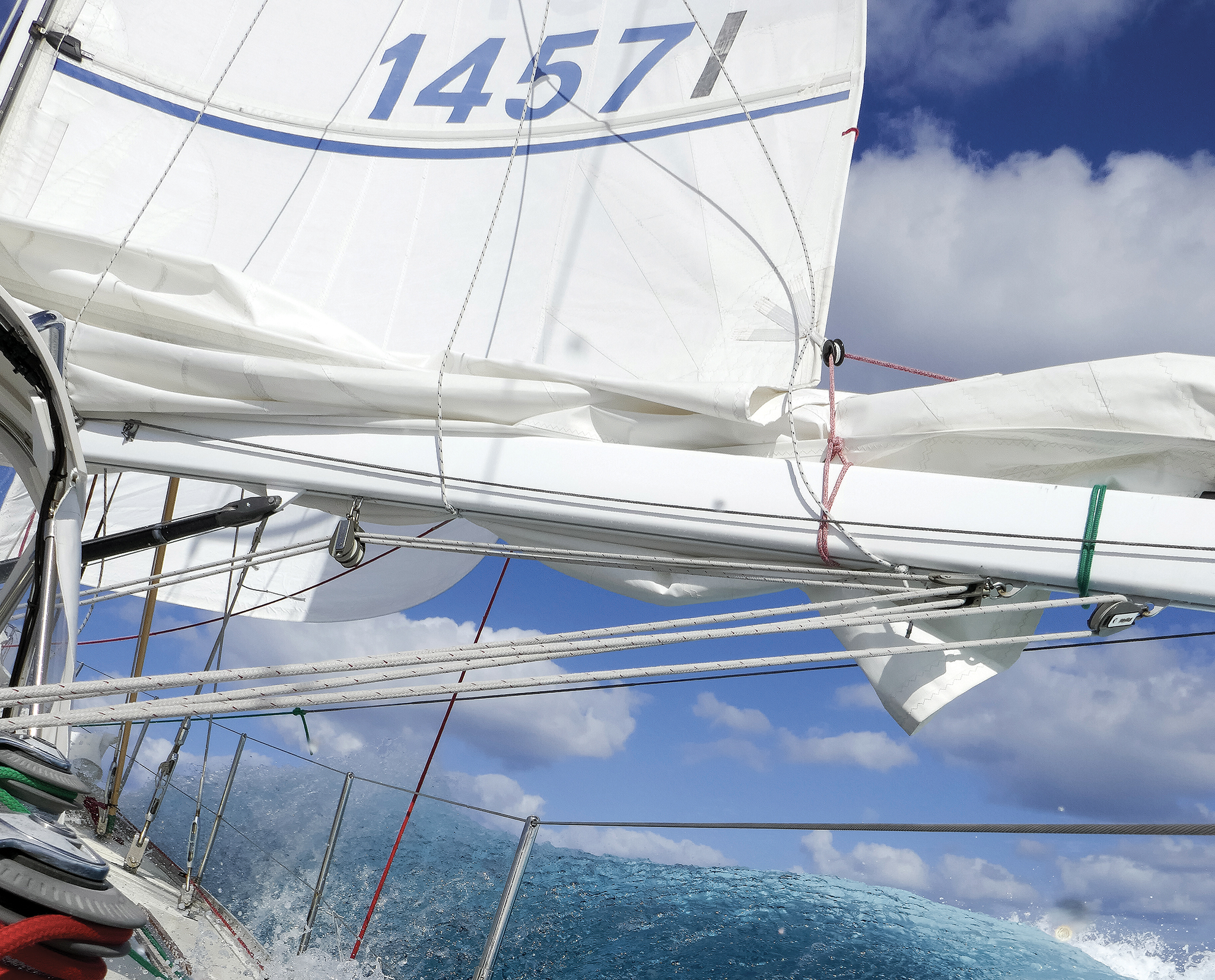
The forecast was for 10-15 out of the southwest ahead of a cold front that was to come through with a dramatic, 25-plus northwest wind shift around 1 p.m. The plus turned out to be 30, and the shift hit just as we turned from the Bay into the Choptank River, putting the new wind dead astern. It roared across the Bay under a magnificent, malevolent sky, nearly spawning a waterspout about a mile north, ripping spray off the wavetops, and wreaking a bit of havoc behind us where a few ambitious sailors in the racier classes had already set chutes—for a brief, exciting moment, anyway.
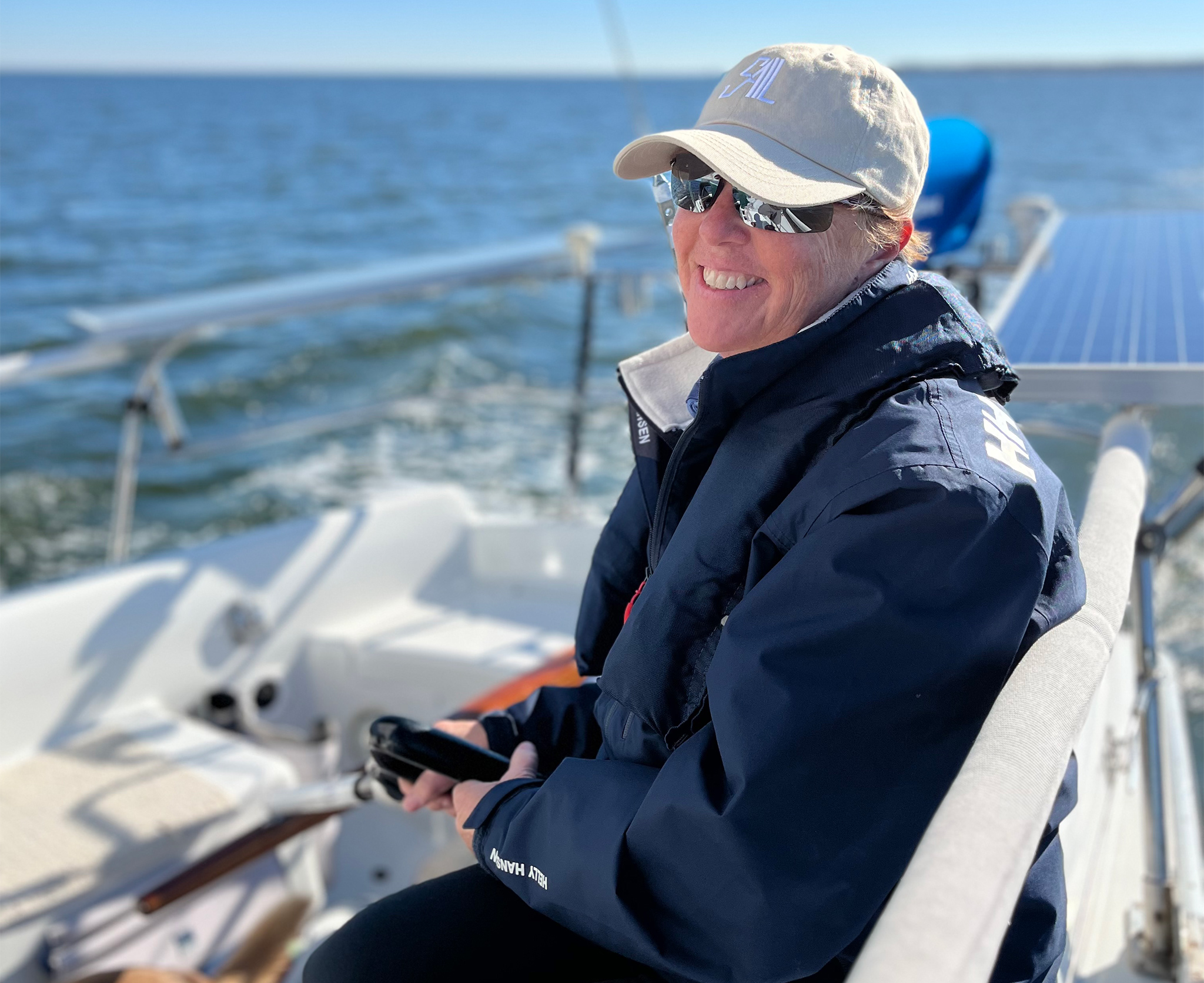
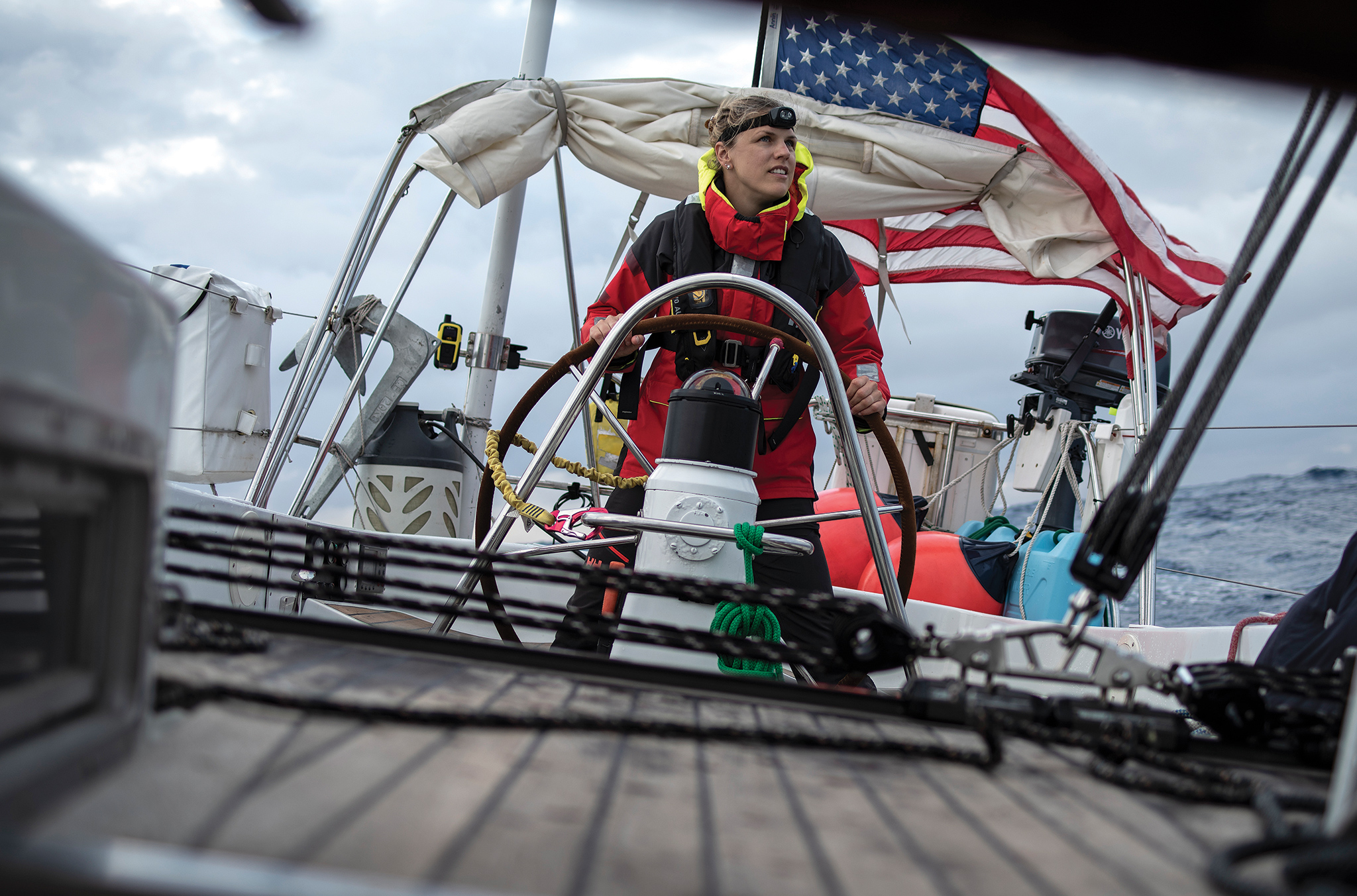
As we flew into the river under a full main and jib, an outbound current bucking the wind began stacking the waves. Before long Johnny’s skillful helming had us surfing at 10-plus knots—not bad for a 47-year-old IOR boat with a windlass, two solar panels, a furling headsail, and a honking big anchor on a bow roller (we did remove the grill before the start—it seemed a little excessive).
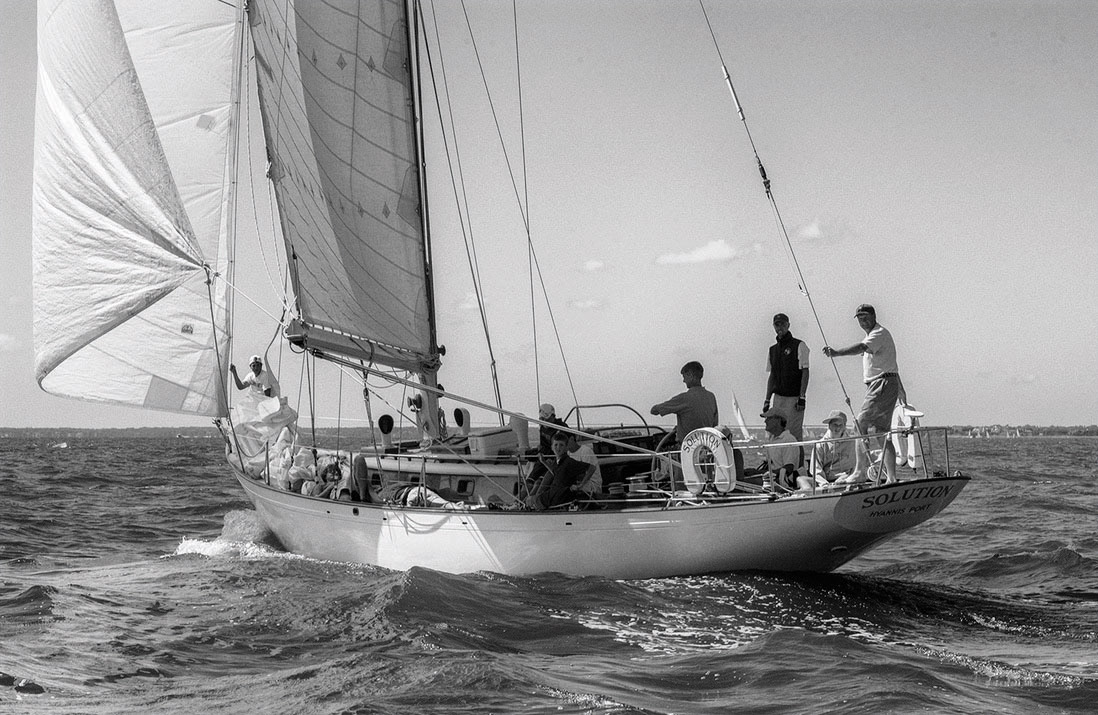
Along with the wind and waves, this leg was complicated by the fact that we had to jibe several times to honor marks of the course and avoid slamming aground as the river turned and narrowed to the finish at Cambridge. Throw in dozens of sprit boats careening past within a boatlength in various degrees of control—or not—including a Class40 that missed a mark and short-tacked back into the oncoming fleet, and it was, in a word, wild. Intense. Exhilarating.
And I realized something: I had missed this. It reminded me of a long-ago, raucously windy Key West Race Week when every day we sailed on the hairy edge pushing the boat—in that case, a Henderson 30—and ourselves. We returned to the Chesapeake a more confident, capable, and yes, cocky team.
And that’s the case for racing. It’s a crucible of learning. If this had been a typical weekend sail, we would have reefed way down and sailed as conservatively as possible, or more likely holed up in a creek long before a 30-knot front blew through. But this was different. Even in our little cruising class, we wanted to sail as well and as fast as we could, and that meant, as Johnny would say, “Mash the pedal to the floor and hope she handles in the turns.” Honking big anchor or not, halfway isn’t in the program.
Setting aside the dark magic of calling wind shifts and tactics, just working to sail as fast as possible in whatever the situation—and in whatever kind of boat, from dinghies on up—means an intense focus on the sails, the wind, your competitors, the boat. It means staying out there and figuring it out, whether in 30 knots or 5. It means pushing the boat and yourself past where you might not go otherwise, and that’s where you grow as a sailor.
We probably won’t go out looking for 30-knot fronts to play in anytime soon, but now I know that we and the boat can handle it if something similar comes our way again. And I know another thing: Maybe you can take the sailor out of racing, but hopefully, you can’t take racing out of the sailor.
Keep on sailing,
Wendy
wendy.clarke@firecrown.com

January/February 2025