Sail for Freedom
This past weekend a protest flotilla traveled from Norwalk, Connecticut, to New York City, New York, and back to raise awareness of the “Arctic 30,” a group of Greenpeace activists currently imprisoned in Russia.
The National Oceanic and Atmospheric Administration (NOAA) has announced that it will no longer print traditional paper nautical charts come mid-April of this year.
A sailor’s perspective of a mid-Atlantic drama
The 85-year-old staysail schooner Niña, a fabled 50-foot (LWL) ocean racer that once was the flagship of the New York Yacht Club, disappeared without a trace on the stormy Tasman Sea with its American owner, his wife and 17-year-old son, and four crewmembers.
I was on a hunt. A hunt through 20 years of SAIL Magazine history for some of our best ads of yesteryear. The ultimate lesson I learned from this exercise is this: consumerism during the 70s and 80s relied heavily on nearly naked women, unflattering hairstyles and killer mustaches.
As I write this, I am aboard First Light, our Pacific Seacraft 31, in an anchorage at Isla San Francisco, in Mexico’s Sea of Cortez. As usual, ours is the smallest cruising boat in port.
Gesturing toward an oil painting rich with painterly light, French maritime historian Daniel Charles declares, “Monet was an observant sailor, and the boat that we see here would have been the first he had seen that was rigged the new way. A painting such as this is not only art, it is a textbook.”
The wind was howling, the tall, young trees outside the motel window roared as they whipped from side to side, and the sturdy building shook nervously.
On May 8, 2013, Gerry Hughes, a Scottish schoolteacher who has been deaf since birth, sailed his Beneteau 42s7, Quest III, into Troon, Scotland, becoming the first deaf skipper to circumnavigate the globe singlehanded.
When a team of UK-based scientists learned that the population of the Earth’s marine phytoplankton had declined 40 percent since 1950, they set out to find the cause. Phytoplankton is the ocean’s primary producer, and a decrease in its population could mean trouble for oxygen production, food chain supply and climate regulation.

Rowing dinghies provide exercise, connection with the water,
and camaraderie — and they always start on the first pull.

And with that, another summer season is in our wake. We hope you get out on the water for the long weekend and have a

Biotherm remains dominant, making the best of an early morning transition zone.

Groupe Beneteau teams with industry partners to get closer to a circular economy in boatbuilding.

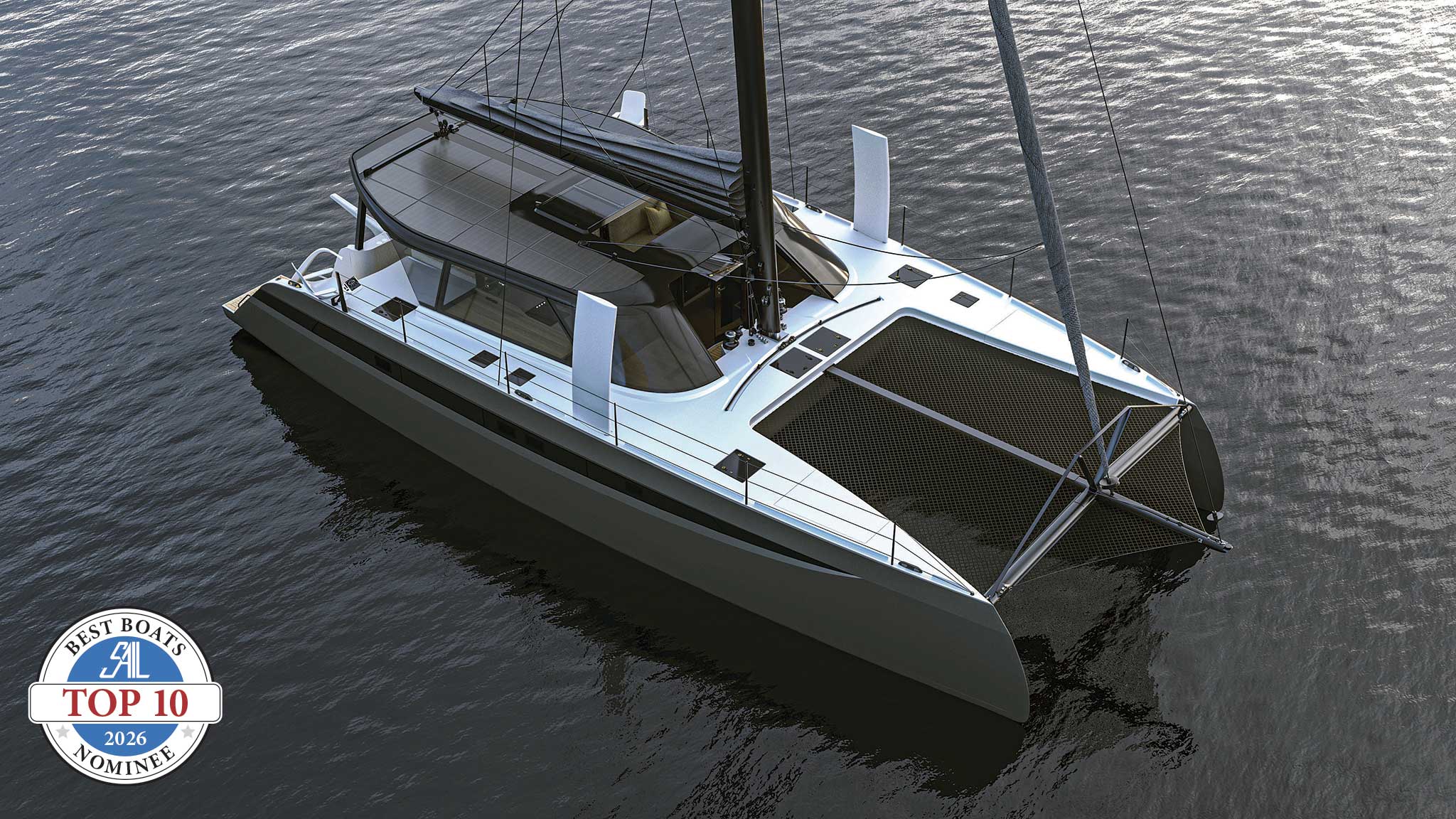
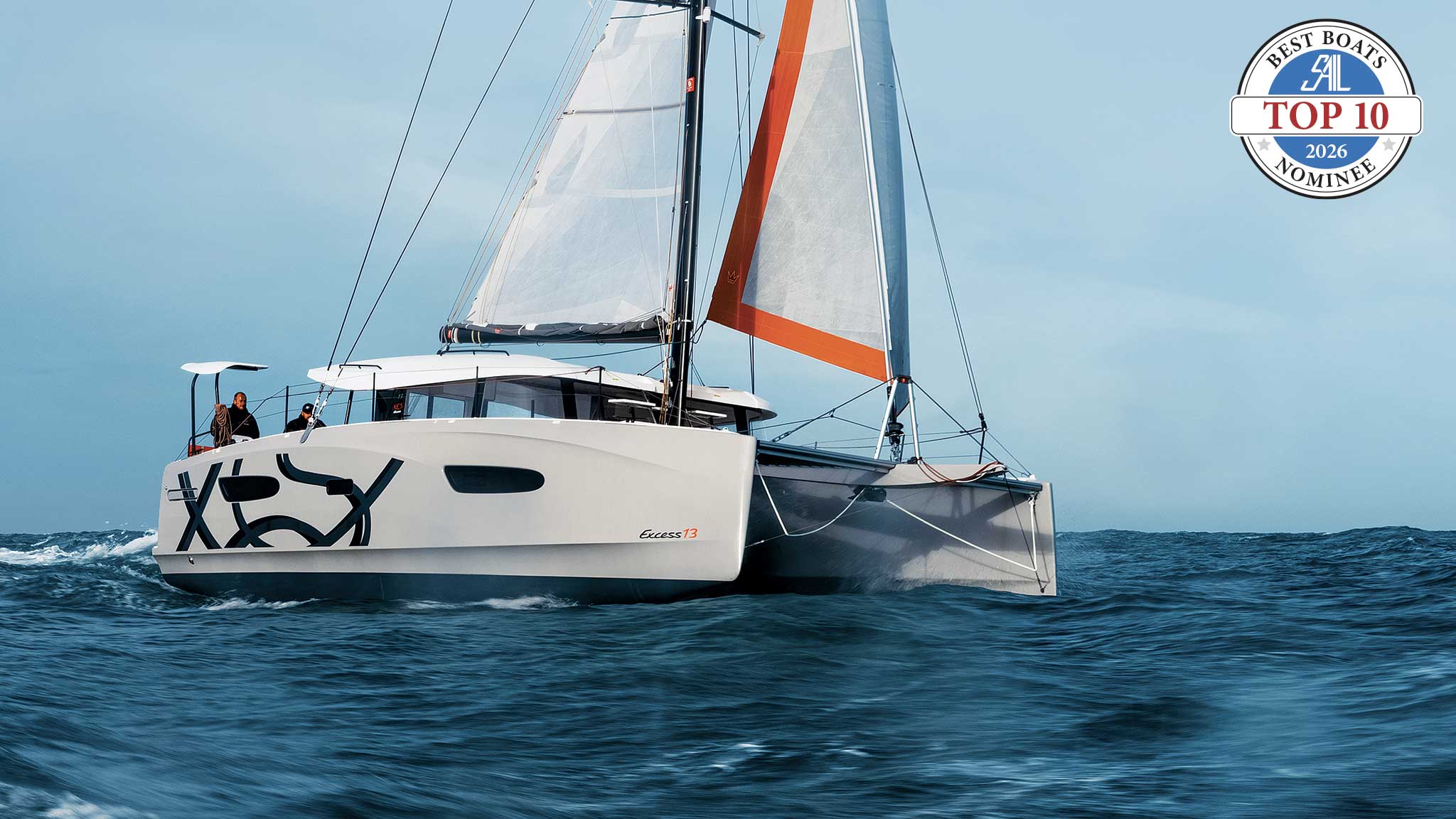
A new builder with composite expertise drops a cool carbon cat.

AI seems to be everywhere these days, but it’s not quite ready for world domination.
A ship that can point higher than the rest of the fleet easily creates windward-leeward separation between itself and its compatriots; so it’s no surprise

Holcim-PRB has been awarded redress for the collision with Allagrande Mapei Racing at the beginning of Leg 1 of The Ocean Race Europe.

On this day in 1851, the schooner America won the 100 Guinea Cup, which would then be renamed the “America’s Cup” in her honor. American

The final night of a Bermuda passage is marked by fog and a restless imagination.