Advertisement

Sailboat Cruising

Voice of Experience: An August Nightmare

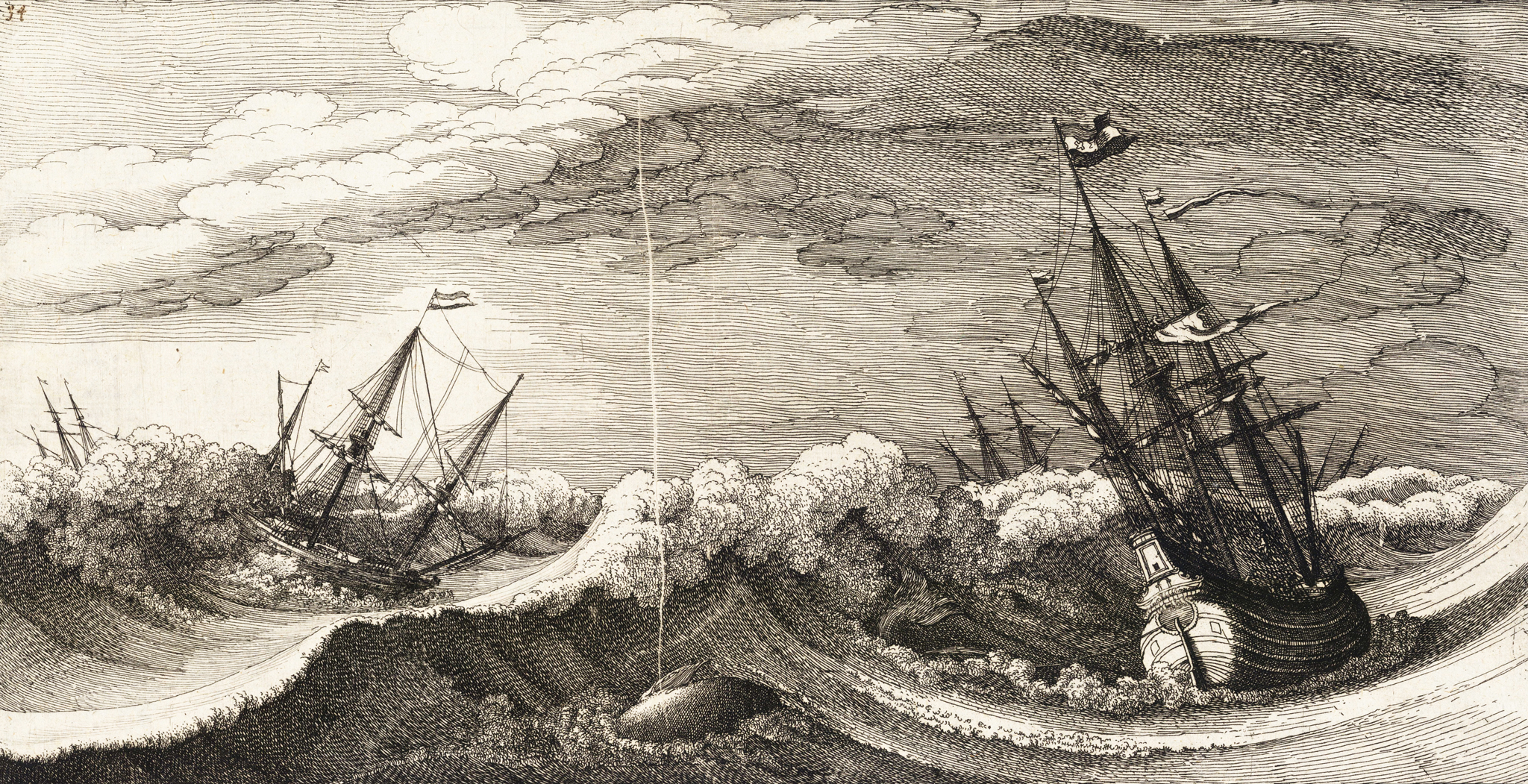
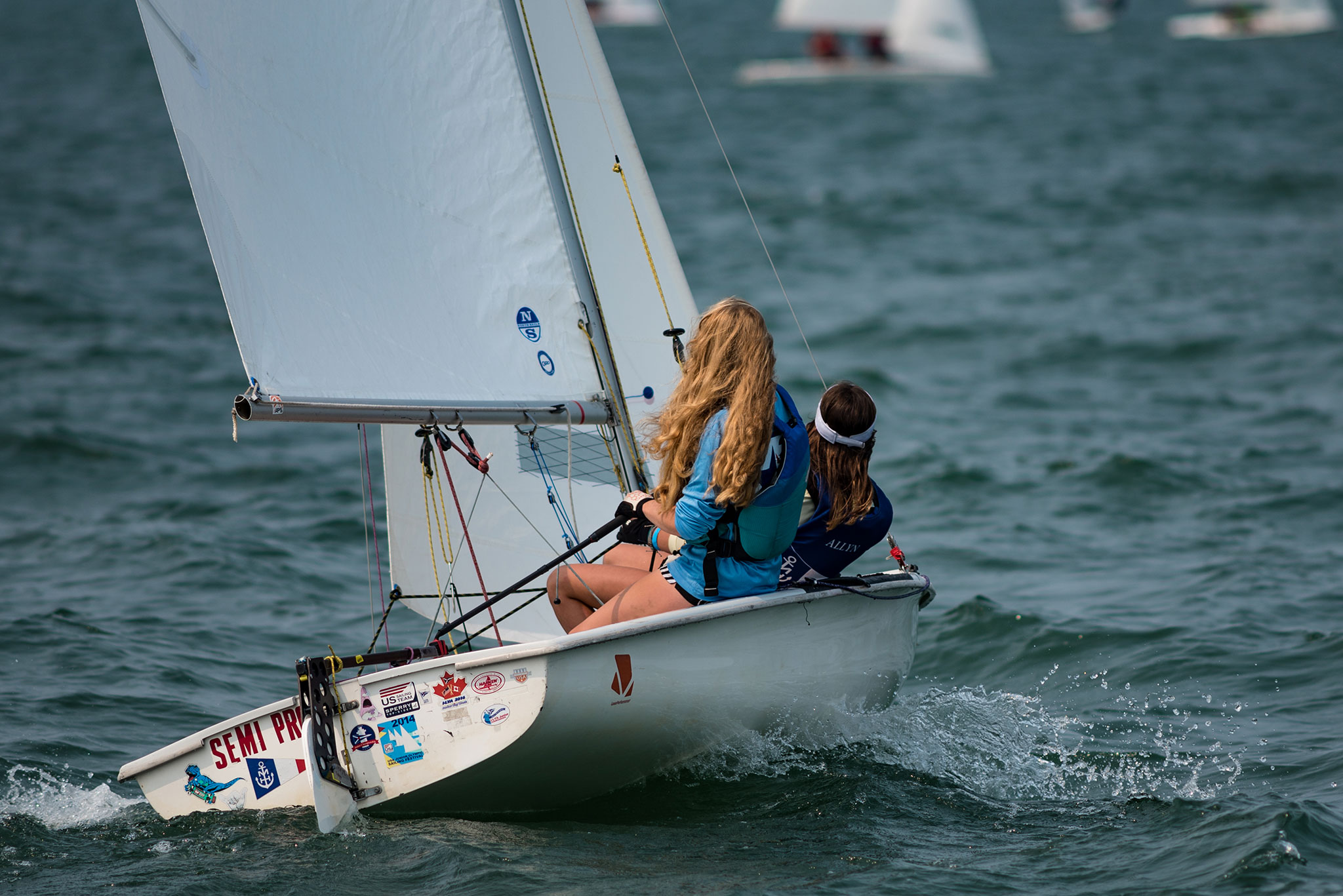
Gazing upon Cayuga Lake on a calm August day, I am struck now three decades later by my vivid memories of what must be every sailing instructor’s worst nightmare. It was supposed to have been a picnic, a final exam for the summer sailing program at the local yacht club. Instead, in less than 20 minutes, it turned into a terrifying, life-threatening maelstrom of wind and water.

A Blast From SAIL’s Past: 20 Amusing Ads

I was on a hunt. A hunt through 20 years of SAIL Magazine history for some of our best ads of yesteryear. The ultimate lesson I learned from this exercise is this: consumerism during the 70s and 80s relied heavily on nearly naked women, unflattering hairstyles and killer mustaches.

Cruising Tips: Free a Line from a Prop

Eventually everyone wraps a line around a prop. I was told this on my first-ever job as a captain—leading teenagers on liveaboard dive-training trips in the Leeward Islands—and bragged about being the only skipper not to have done so.

Swap your Crew

It all started midway through a cruise on Mexico’s Sea of Cortez when we were having dinner aboard Born Free and Chris of Starship announced: “Anne-Marie [his wife] and I have been talking and she agrees, we should do a partner swap.” An uncomfortable silence followed as I failed to respond.

Windshifts: The Worst Day

Though we’d dragged our 6,000-pound Balboa 26 over three mountain ranges and through seven passes, our pilgrimage from Colorado to Washington State had been relatively carefree. After that we’d spent three weeks in the Gulf Islands east of Vancouver, all without a serious mishap. Then, as we were moored in Oak Harbor preparing for the final leg back to Seattle, everything changed.

Removable Rode Locker Divider

My 42-foot Pearson ketch, Silverheels, was originally built with a shallow anchor well on the foredeck that could not accommodate the long anchor rodes needed for serious cruising. While converting the shallow well to a deeper chain locker, I decided I wanted a fore-and-aft partition so I could carry two separate rodes.

Why Bigger isn’t always Better

As I write this, I am aboard First Light, our Pacific Seacraft 31, in an anchorage at Isla San Francisco, in Mexico’s Sea of Cortez. As usual, ours is the smallest cruising boat in port.

Multihull Madness: Our Readers Write

In response to a letter in our July issue, SAIL editor Peter Nielsen asked our readers to spout out on their thoughts on multihulls. Check out reader responses to “Not Everyone’s Cup of Tea”.

Using a Handheld Depthsounder

Have you ever spotted a lone sailboat anchored in what looks like a dream location—someplace not on the charts—and wondered how the heck they got there?

Our Self-Rigged Sailing Canoe

The 17-foot Old Town sailing canoe that we learned to sail in the 1970s was perfect for camping on the shores of the distant Bahamas. It was small enough for the two of us to lift in and out of the water, but still big enough to carry our camping gear, food, water, clothes and a typewriter. Granted, it did not have enough room to carry us as well. But that is another story.

Screen-Shot-2022-02-03-at-12.23.52-PM

Celestial Navigation Part 5

Celestial Nav 5 – The fifth installment of The Nav Station’s Celestial Navigation series discusses the contents of the Nautical Almanac, and how to use

Ryan-Finn-copy

Finn En Route Again

Ryan Finn’s second attempt at sailing the Cape Horn Clipper Route has begun, after damage to the hull cut his first attempt short last January.

01-LEAD-OCEAN-RACE-ROUTE_MAP_2022-2023_DEF-V1-3000x3000

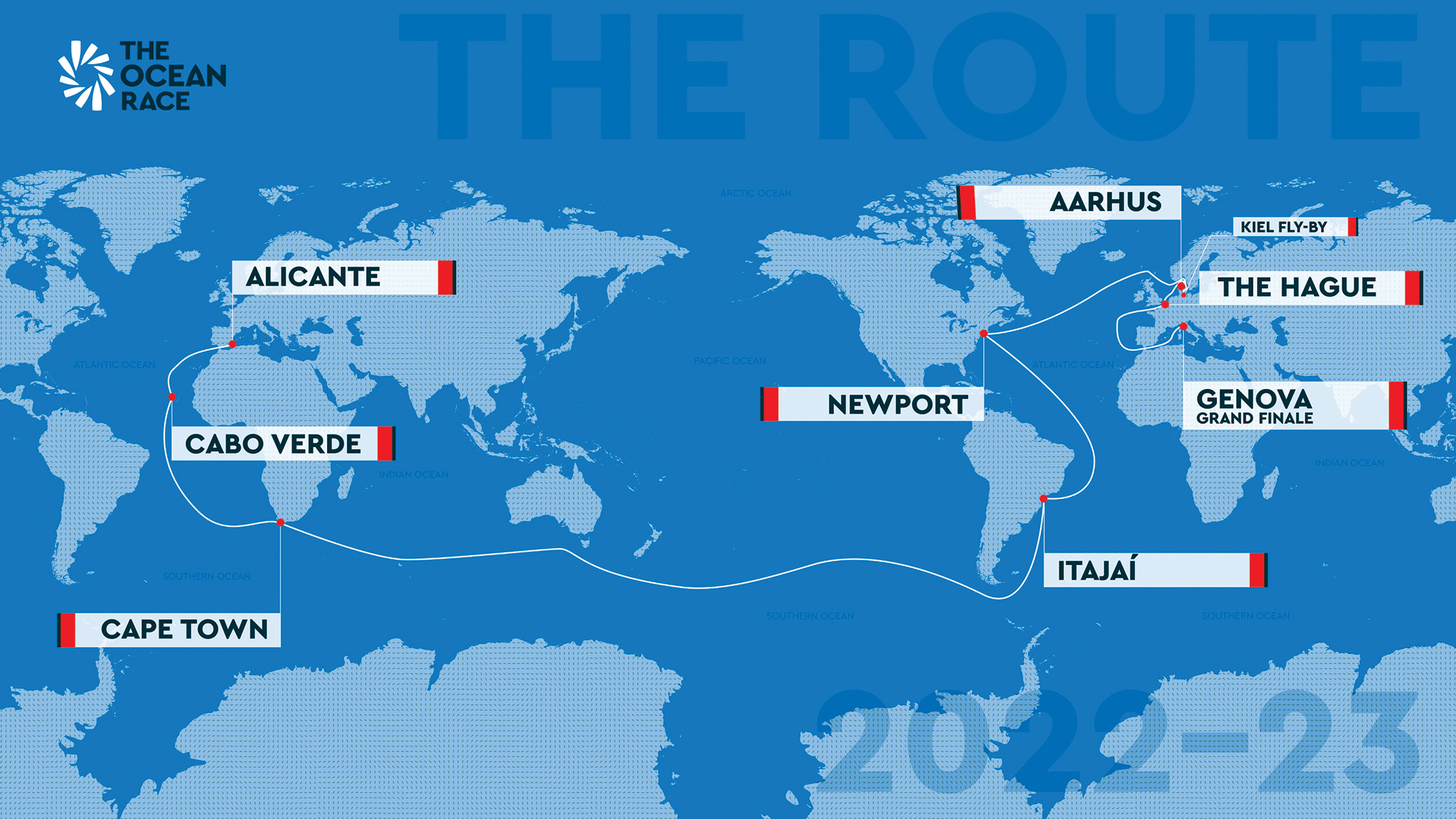
The Ocean Race Changes Course

After a few uncertain years waiting to see how the Volvo Ocean Race would be reincarnated as The Ocean Race, the pieces are starting to

Screen-Shot-2022-01-26-at-9.50.45-AM

Celestial Navigation Part 4

In episode four of The Nav Station’s Celestial Navigation series, learn how to calculate your assumed position and the local hour angle using your Greenwich

AdobeStock_15671180

Orca Encounters in Spain

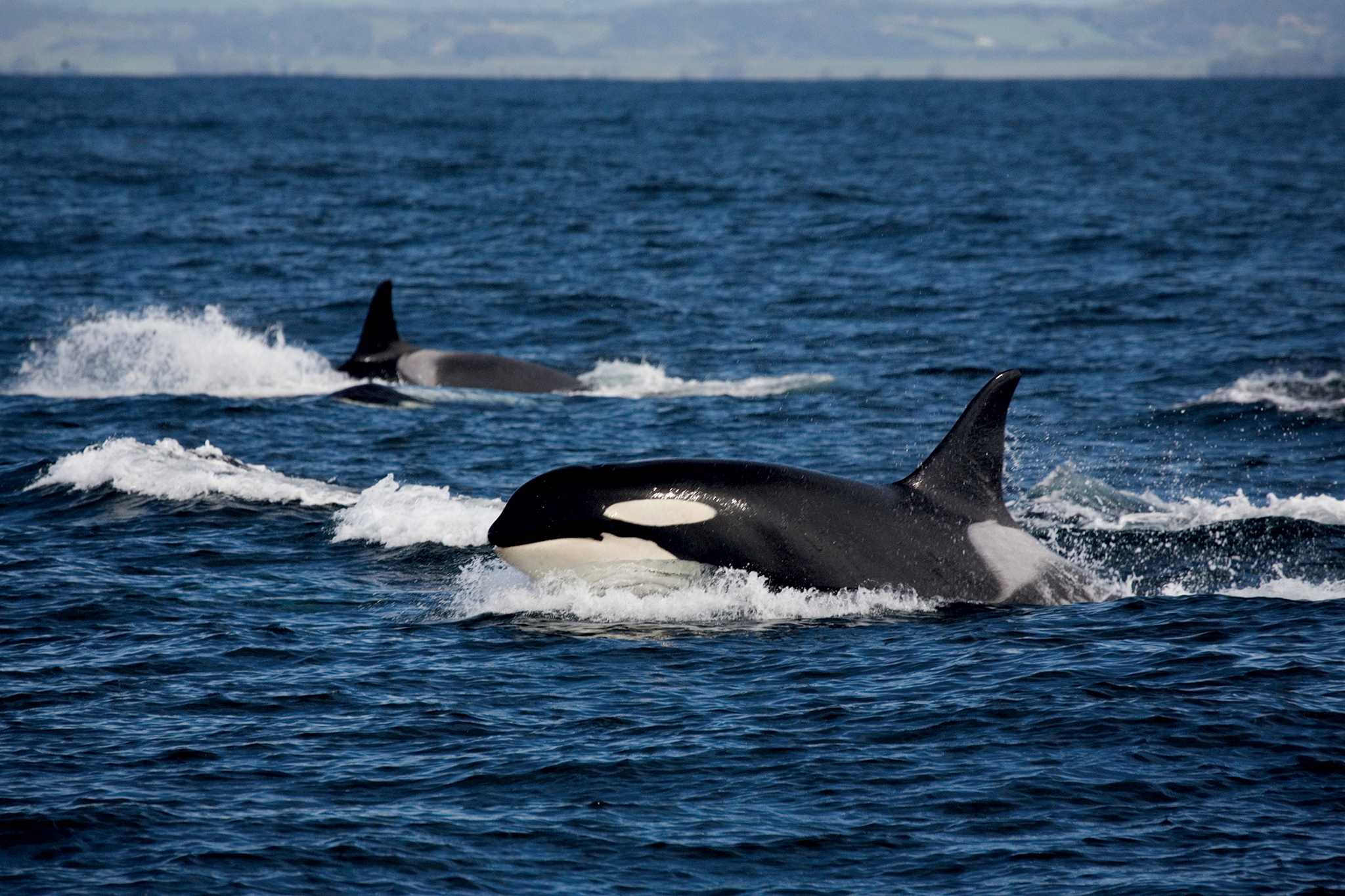
The waters off the Atlantic coast of the southern Iberian Peninsula can be tough enough as it is, but in recent months resident pods of

Advertisement
Advertisement