Advertisement

Ask Sail

High-Modulus Upgrade

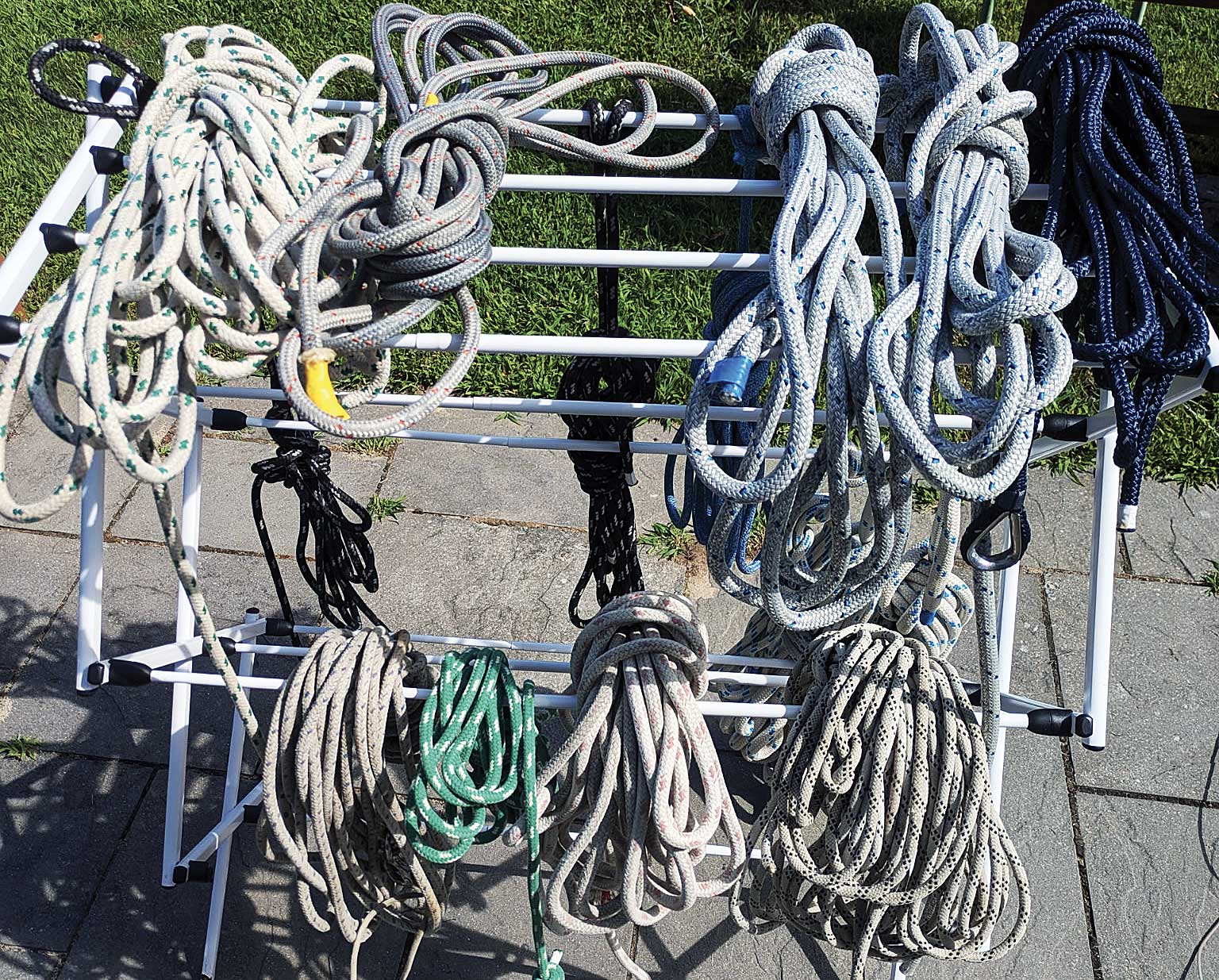
Ben Cantor of New Bedford, Massachusetts, asks: “I’ve been cruising on a 1973 Pearson 36 for the past 10 years, and this year I plan to splurge and buy all new sails and running rigging. I expect I will order high-quality Dacron sails. I’ve read a lot about high-modulus line and would like to try it out, but I wonder if it is worthwhile using it on a cruising boat. I like

One MMSI For All?

Ben Hatheway of Coos Bay, Oregon, asks:”The VHF and SSB radios on my boat share the same Maritime Mobile Service Identity number. I recently purchased a new marine VHF handheld with DSC capability, and I’m wondering if my new handheld, which is sometimes off the boat, should have a different MMSI number.”Gordon West replies:This very

My Private War Against In-line Fuses

As a marine electrician I’ve found that in-line fuse holders are the most common cause of problems I encounter with modern electronics equipment. Quality marine electronics are generally very reliable, as long as their electrical connections are sound and there is no voltage drop in the ship’s power supply. Unfortunately, all electronic devices come from the factory with in-line fuse holders on

Too Hot to Handle

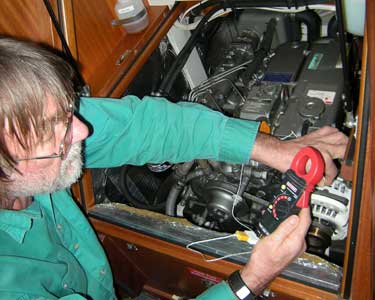
Anyone who has played with electrical gear for any length of time is familiar with the distinctive smell of burned windings. Unfortunately, this smell, wafting out of engine rooms from fried alternators, may soon become familiar to a much wider audience. Why might alternators, generally known for their reliability, become more likely to fail in the next few years?The answer lies in

Sidetracked by Smartphones

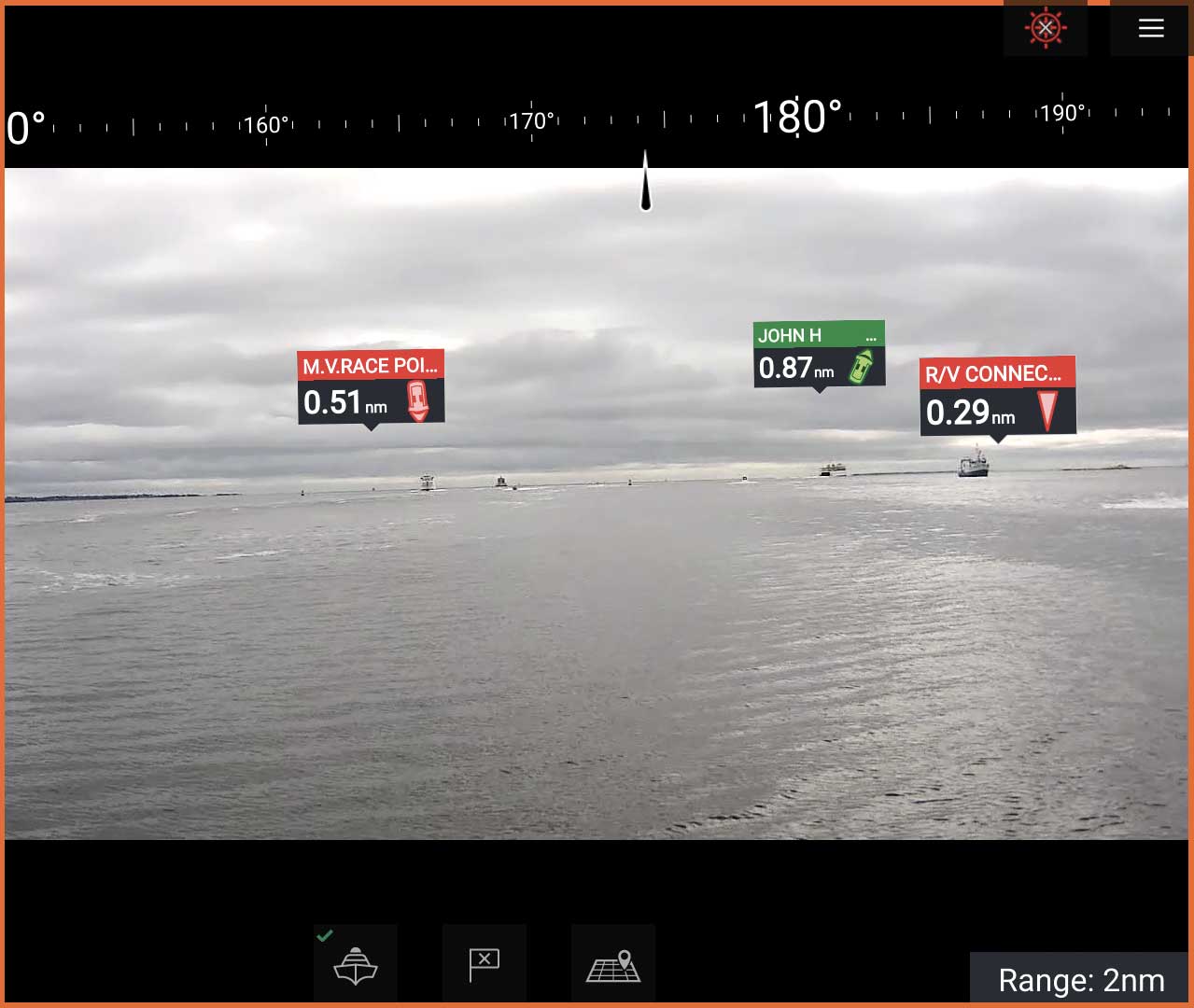
There are times when we find exactly what we aren’t looking for, and this was one of them.I was tired of technology and wanted to write a sailing story about the good old days, when a Windex was high-tech and real navigators dealt with celestial fixes and high-anxiety uncertainty. What better place to look for such things than at the annual Annapolis Classic Wooden Boat

Fenders for your Tender

A. As you come alongside, it’s often the top of a hard tender’s gunwale that damages the bigger boat’s gelcoat.B. The top edge of the gunwale can be padded with a purpose-made canvas-covered fender strip.C. Some people fit old industrial hose, as shown here; others pad the void and remove the cover if it’s too

Light Fantastic

Not long ago I was bemoaning the fact that so many boatbuilders are still using highly inefficient incandescent and halogen lights, even though fluorescent lights have long been available and LEDs are now viable for most marine lighting applications. Since then, Neil Harrison, a reader from the UK, has pointed out that the next revolution in lighting may already be on the horizon—Organic

Let It Flow

As I knelt beside the open cockpit locker of my 36-foot Pearson cutter Sonata, I could hear the gentle whir of my freshwater pump. It didn’t sound normal. I reached down and felt the pump housing. The pump was in constant-cycle mode and running hot. It could pump until it burned out and still fail to pressurize the freshwater system I thought I had just finished

Don’t Get Zapped

John A. Moore of Punta Gorda, Florida, asks:”Is it true that putting portable electronics like GPS receivers, EPIRBs and handheld radios in the ship’s oven will protect their circuitry in the event of a direct lightning strike?”Gordon West replies:Your ship’s oven will, in fact, act like a Faraday cage, and if properly grounded, most anything

Outboard Sheeting Angles

James Caven of San Diego, California, asks: “I’ve been reading some older “how-to” sailing books and one describes a technique for taking a jib or genoa sheet out to the end of the main boom when reaching. Is this worth the trouble? Is it a commonly used method today? I assume it is to open up the sheeting angle. Is there an easier way to achieve the same

Bali-5.2-2048x

New Model from Bali

Bali has announced the launch of the new Bali 5.2 just a year after the launch of the 5.8, and a first look suggests 5.2 takes lessons from her big sister and fits them skillfully into a more approachable LOA.

Ben Varrey at rest in the company of different hull shapes and sizes. Photo by Adam Cove

Know how: Creative Anchoring

Perfect places to drop the hook are hard to come by. Have a few different anchoring techniques in your back pocket to make the best of it.

Advertisement
Advertisement