Easy-Line Handling with a Club-Footed Jib
I share a 1995 Beneteau 42s7 with a friend. We (and most of our other sailing friends) are getting on in years, so we’ve made some changes to help make the boat easier to sail.

There aren’t many sinking sensations to compare with the one you get when your GPS decides to take an unscheduled break, especially if you’ve been relying on an electronic chartplotter. One minute you know exactly where you are. The next you’re surrounded by a trackless sea, feeling distinctly insecure.
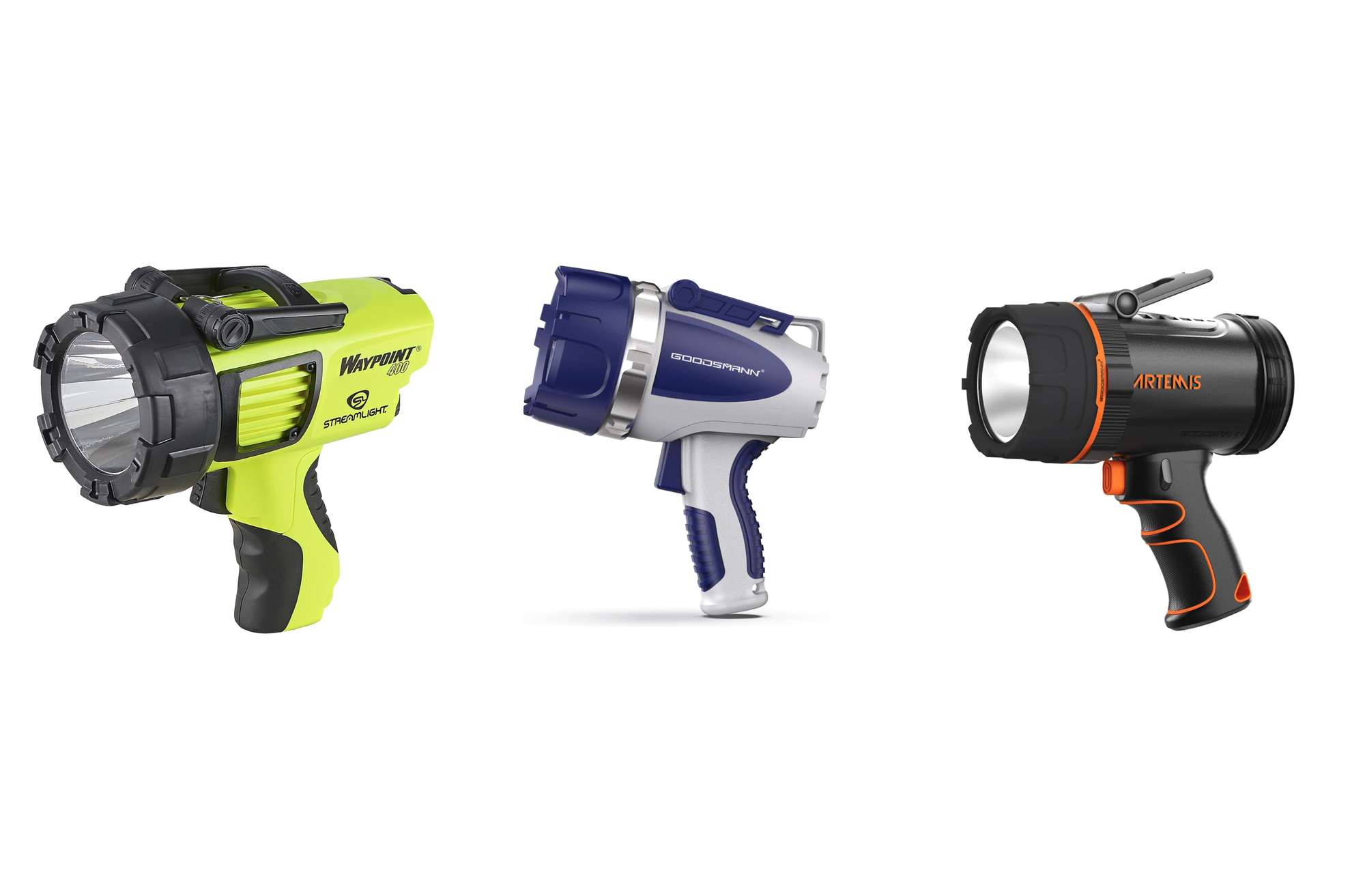
“Wake up! Wake up! I think we’re dragging anchor!” Peg’s words pierced my sleep like a needle popping a balloon. In an instant I was standing in the cockpit, face to face with the bowsprit of a large Island Packet that had been anchored three football fields away the night before.
Any boat under way in a crosswind, whether it’s a rowboat crossing a lake or a powerful cruiser reaching along the coast, will be pushed sideways to some extent. The effect is called “leeway,” and even big ships are subject to it. Sometimes leeway is insignificant; often it is not.
Getting a sail cover on and off a mainsail is often harder than it should be. Once it’s off the sail, it can be hard to tell which end goes where, and when you spread it out to check, the wind will wrestle you for control of it.
If there’s one thing I hate more than varnishing it’s not having all the tools at hand to do the job right. Besides brushes, old cans of varnish, new cans of varnish and thinners, there is the sandpaper.
When Mark Edwards, a rigger from Auckland, New Zealand, molded the deck for his 50-footer Relapse, he deliberately included raised toerails that trap water on deck for most of the length of the boat: as in, all the way back to the fill-point for the water tanks.
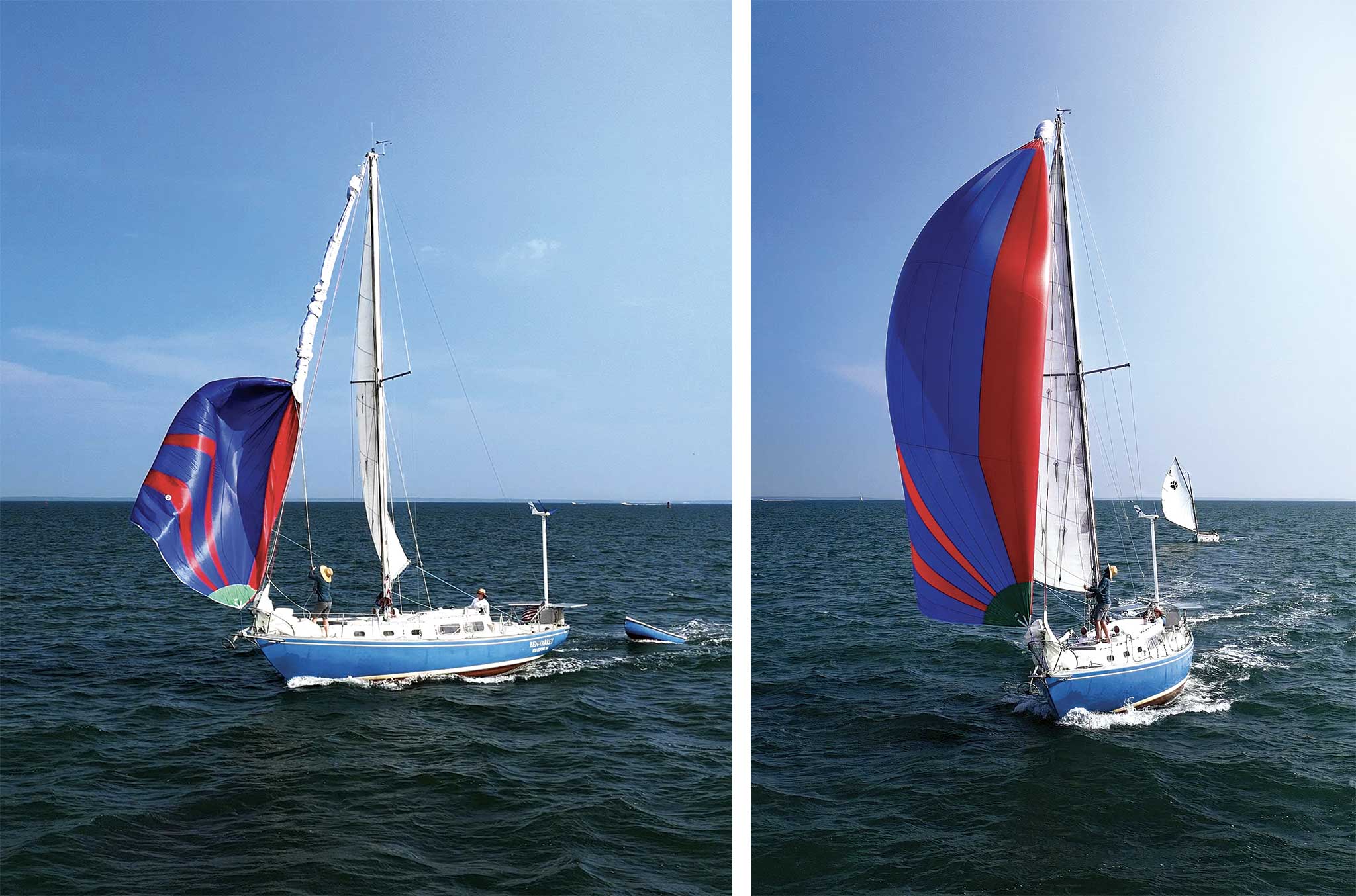
When we talk about downwind sailing, the debate often seems to be about the relative merits of symmetrical versus asymmetrical spinnakers, or gybing a headsail to go goose-winged. It’s easy to forget there’s more than one way to pluck that particular goose.
Everyone knows the Answering Pennant (AP or “Cat in the Hat” flag) means racing has been postponed and that the “P” flag means a standard starting sequence. But what about the “M” flag, an “N” flag over an “A” flag, or an answering pennant flying above Pennant 2?
It’s not as easy as pressing a button, but once you learn to use a windvane you’ll never get stuck hand-steering again.

Force 10 winds wrought havoc on 1979 Rolex Fastnet Race, resulting in Britain’s largest peace-time marine rescue effort. 75 boats capsized and 15 sailors were

The new 23-footer from J/Boats is a family daysailer with lively, stable sailing at the forefront.

This Friday, a panel of expert female sailors gather to share hard-won knowledge on the best kit and accessories to have when you’re planning to get offshore.

Reflecting on a pivotal Pacific passage, a sailor considers the nature of her voyages ahead.

Point Nemo is the most remote part of the ocean, marking the exact location where a boat is farthest from land in all directions. From

At the Banderas Bay Regatta, the term cruiser/racer is quite literal.

A disastrous collision forced two boats to return to port at the start of Leg 1 of The Ocean Race Europe.

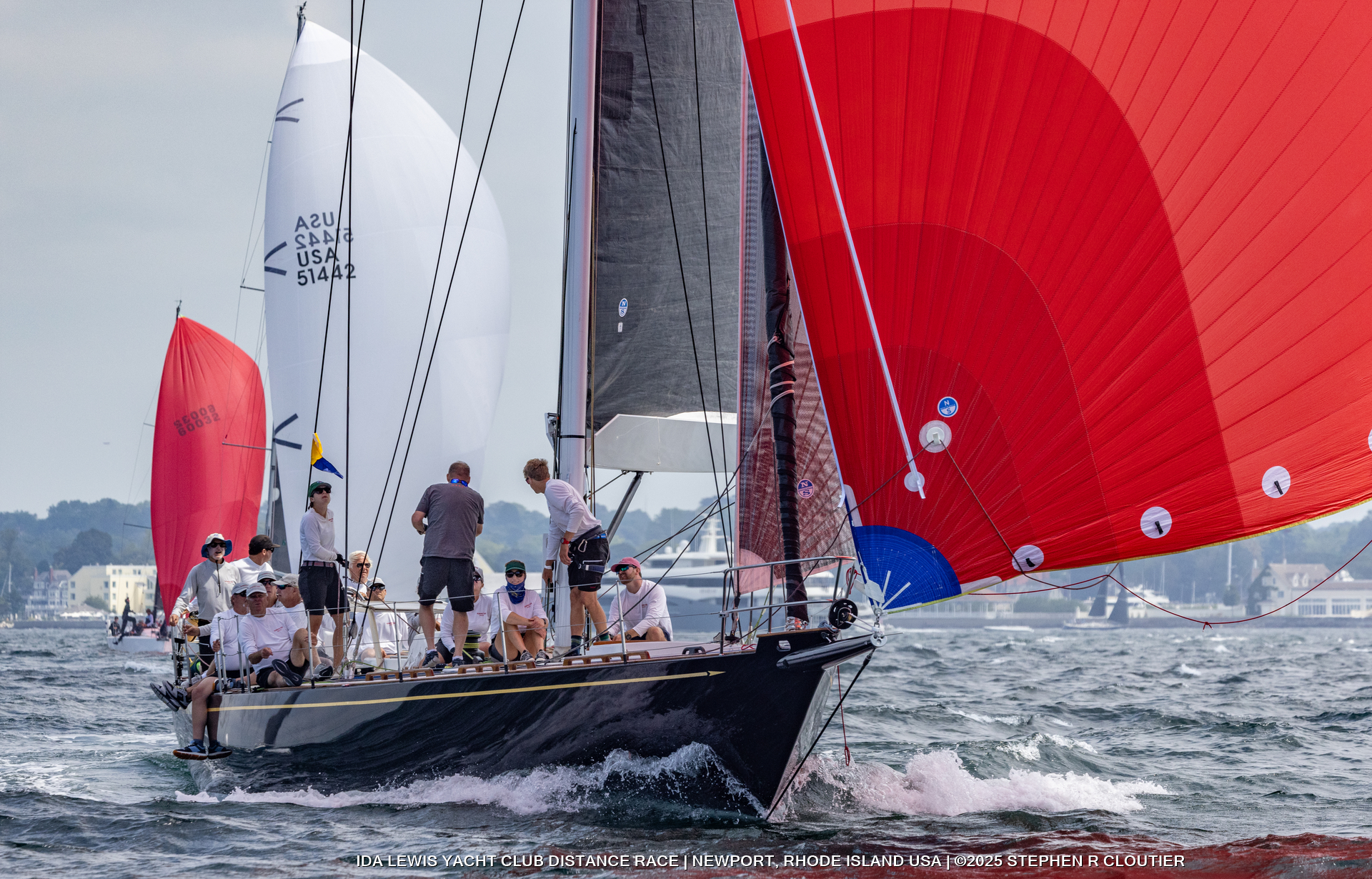
There’s nothing quite like a little bit of summer sunshine, but when you can’t get it naturally, a nice bright spinnaker will do instead. We

A new Scandinavian deckhouse cruiser is making waves with its smart lines and bluewater capabilities.

The fire alarm went off with a wild shriek at 0300, about 10 minutes after I’d turned the engine on to start motoring through a