BoatWorks: Holding Tank Set-up
So, given that holding tanks are a regrettable fact of cruising life, why not make them as easy to deal with as possible?

Having been plagued by barnacles and other intrusive organisms for generations, the sailing community has brought the full breadth of its considerable inventiveness to bear on this sticky problem.
When I bought my 1962 Alberg 35, Magic, in 2001, she was equipped with a pedestal-mounted wheel connected to the rudderstock with wire rope running over sheaves and a quadrant. The steering pedestal looked very yachty and provided a nice place for a cupholder, but I never really liked the arrangement.
Professional applicators know that the preparation and priming stages of any paint job (covered in last month’s issue) are the most important and will take 80 percent of the time spent on a paint job. But they also know that what they get paid for is the finish. Once you have completed the preparation and priming stages, the next step is the application of the paint itself. This is where all of your hard work pays off.
If the gelcoat is in good condition with no major cracking or crazing, the job is relatively straightforward—clean and prepare the surface, apply an epoxy primer, sand the primer, remove the sanding residue and then apply the topcoat.
While in the Bahamas, I tried, with no success, to pick up weather using the SSB function on my portable Grundig YB400 radio. Can this little radio effectively hear SSB bands like weather, ham radio, or international shortwave?
My boat is a 1974 C&C 30 with a gooseneck fitting that is set very low on the mast. What would you think of raising the gooseneck 12 inches? As it is, it isn’t possible to use a conventional boom vang, and fitting a dodger under the boom is out of the question
European builders caught on early to the anchoring needs of cruisers, but one issue with older U.S.-built sailboats is the lack of dedicated anchoring systems.
I would like to add some insulation to the cabin sidewalls, because we sail in Maine, where it often gets chilly. Is there a way to do this without developing a future mold problem?
When I bought my aft-cockpit ketch, Silverheels, she had no bimini top at all. While I attended to other upgrades in preparation for tropical cruising, I pondered how I might have full-time shade in the cockpit and still get at the mizzen sail to furl and reef it.

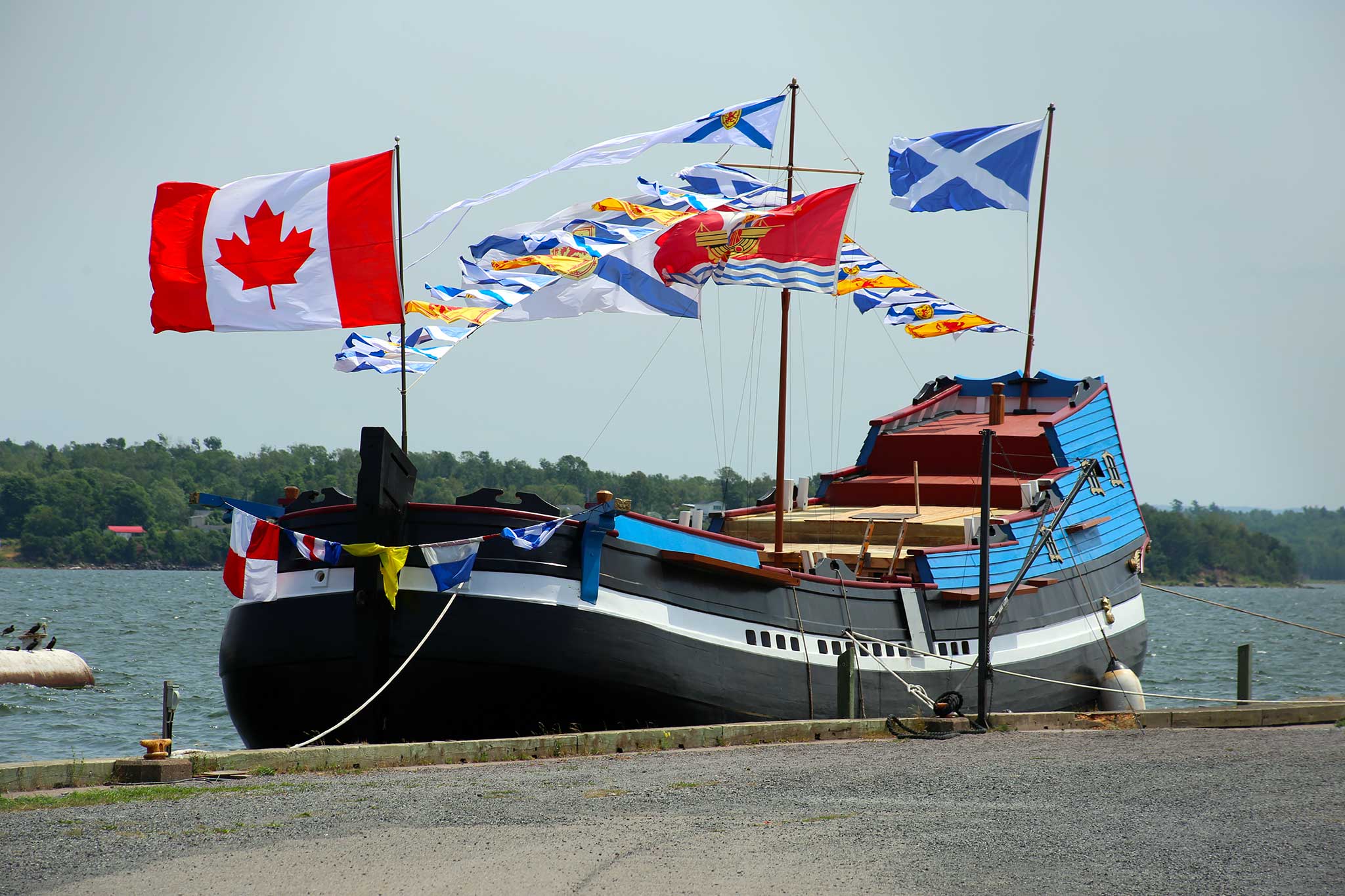
Pictou, Nova Scotia’s replica historic tall ship Hector relaunched this week after a lengthy refit.
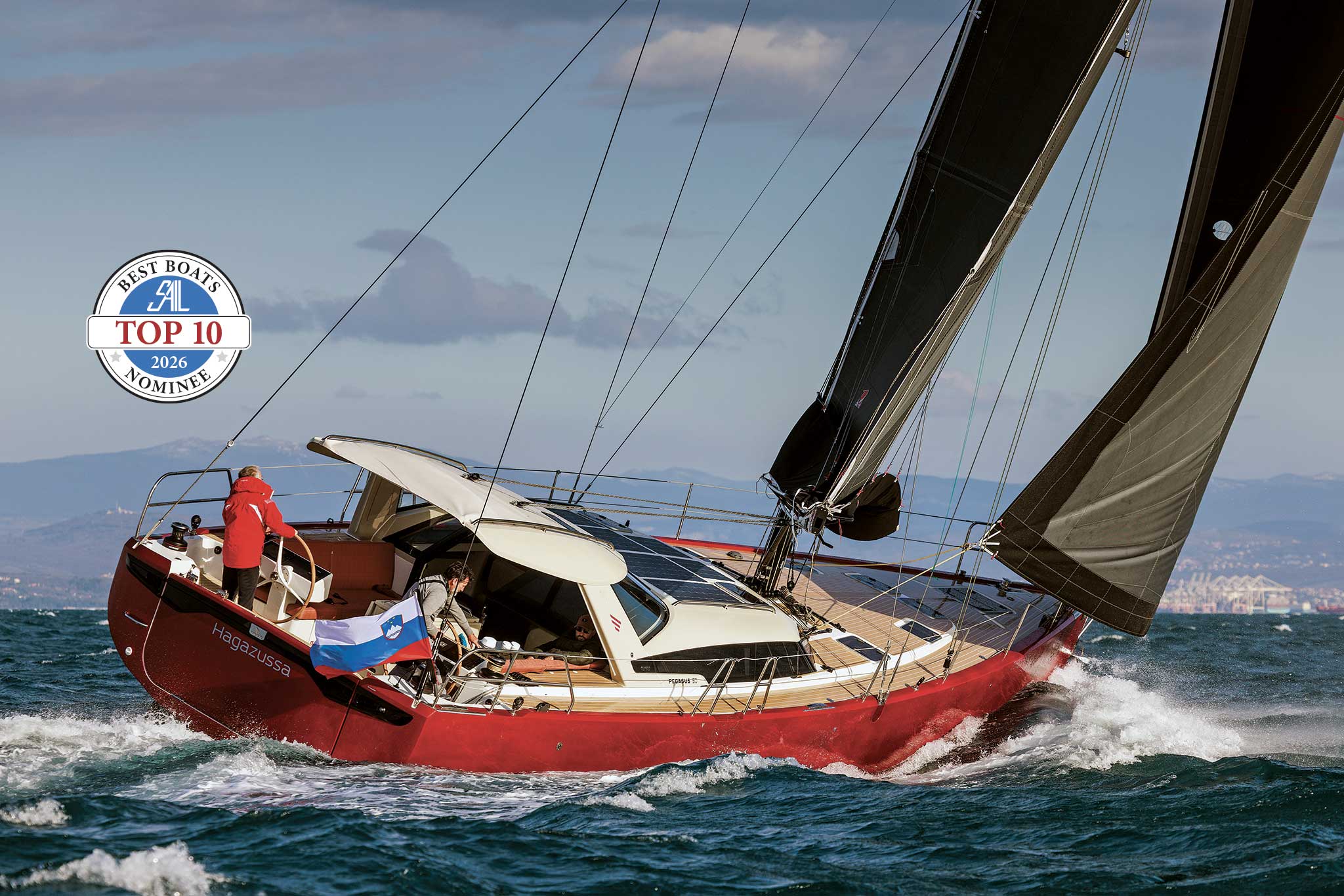
An artfully unconventional build from Slovenia is designed for true bluewater sailors.
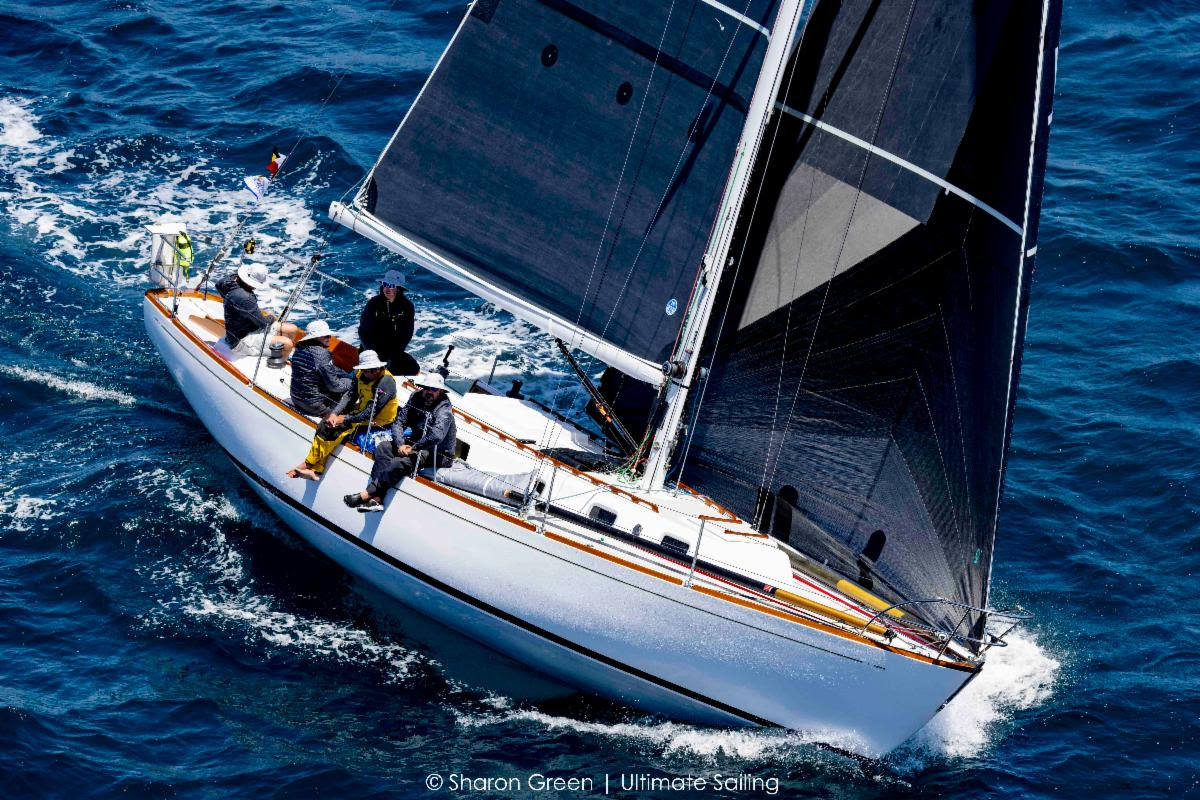
Alli Bell and her crew will receive the King Kalakaua trophy.
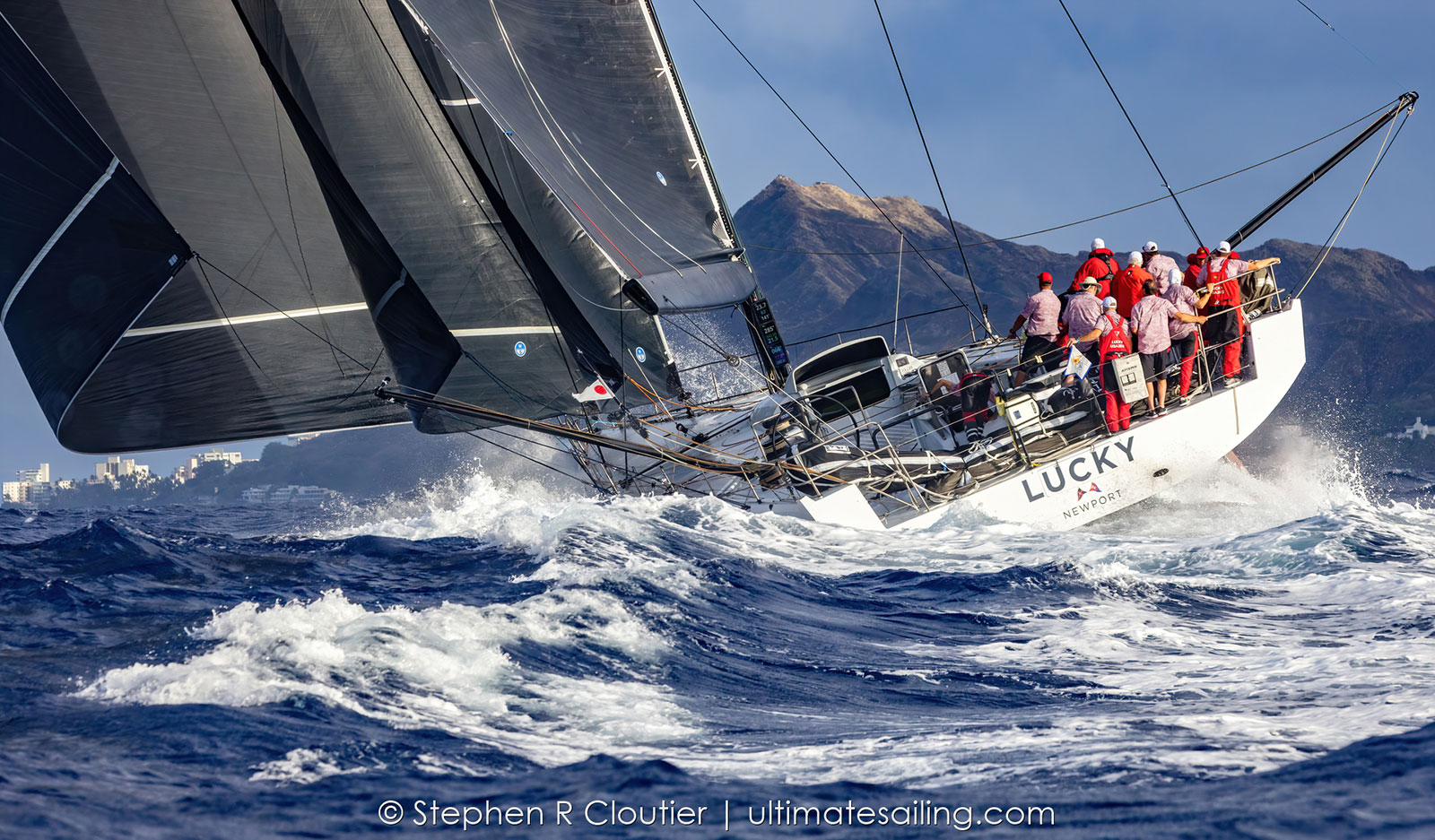
Bryon Ehrhart’s Juan K-designed 88-footer, Lucky, has won the Barn Door Trophy.
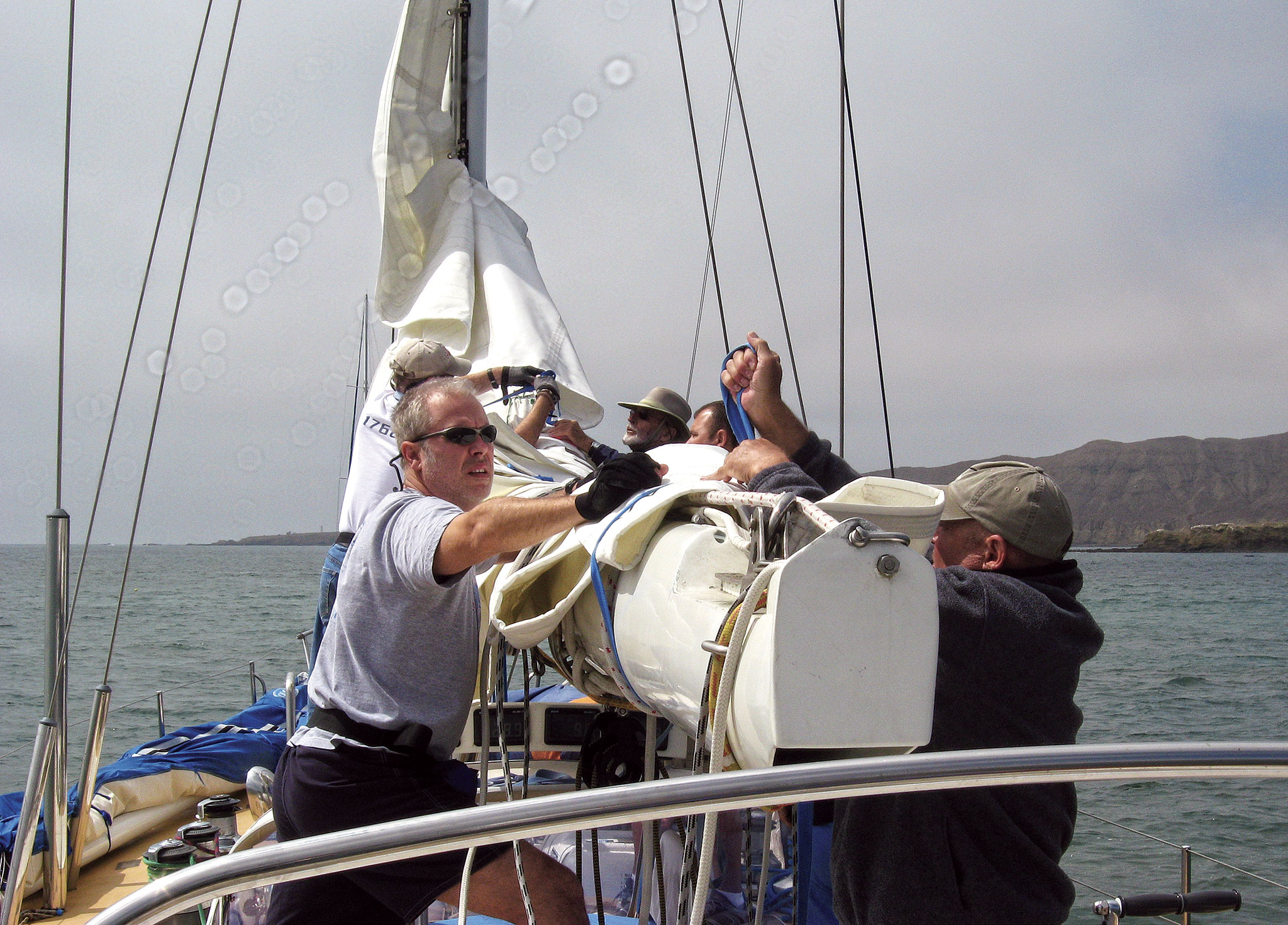
Without challenges we wither, and sailing serves them up regularly, making it the supreme teacher.
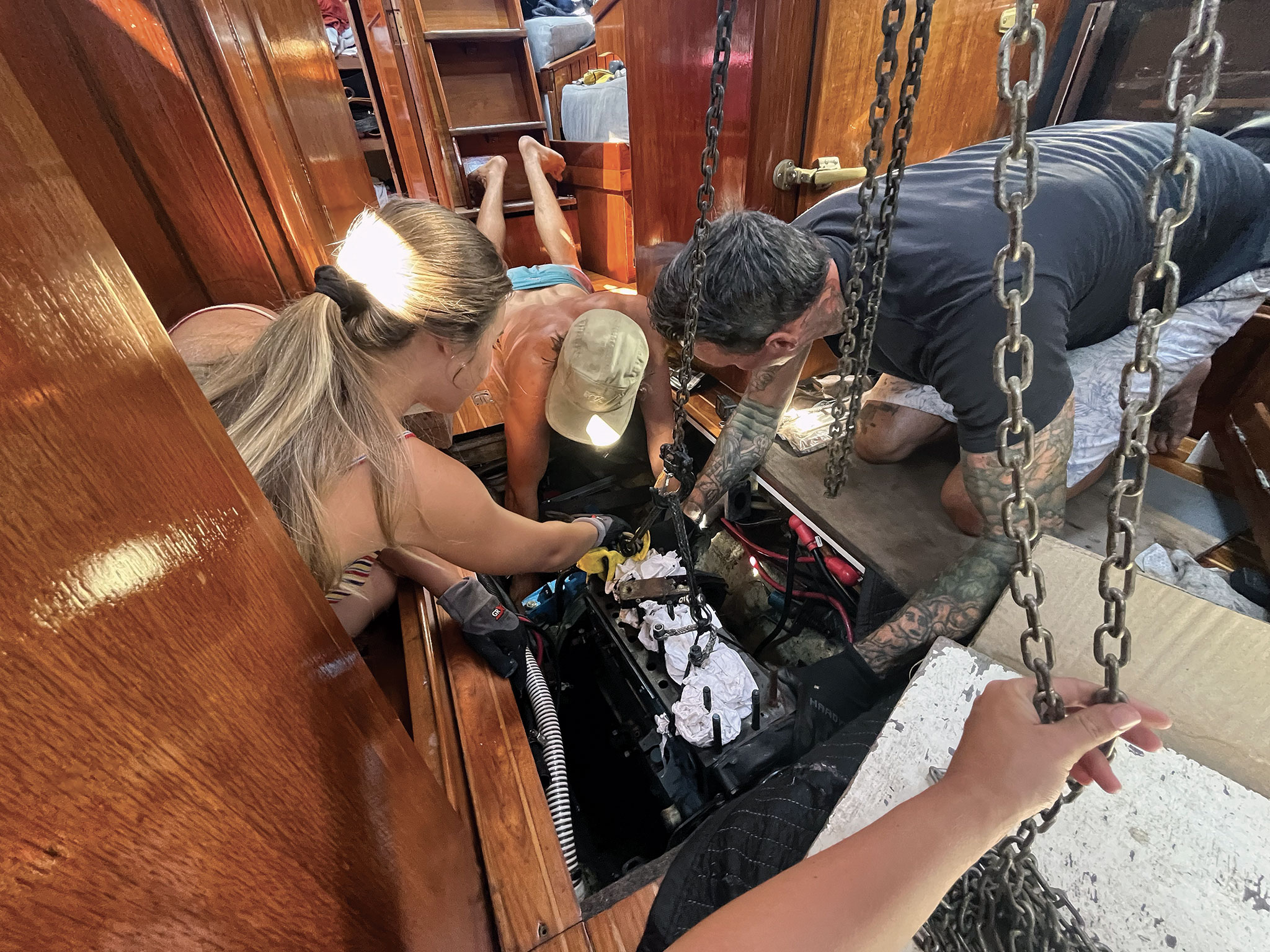
Another fuel pump failure leads to an engine rebuild, this time on the hook.
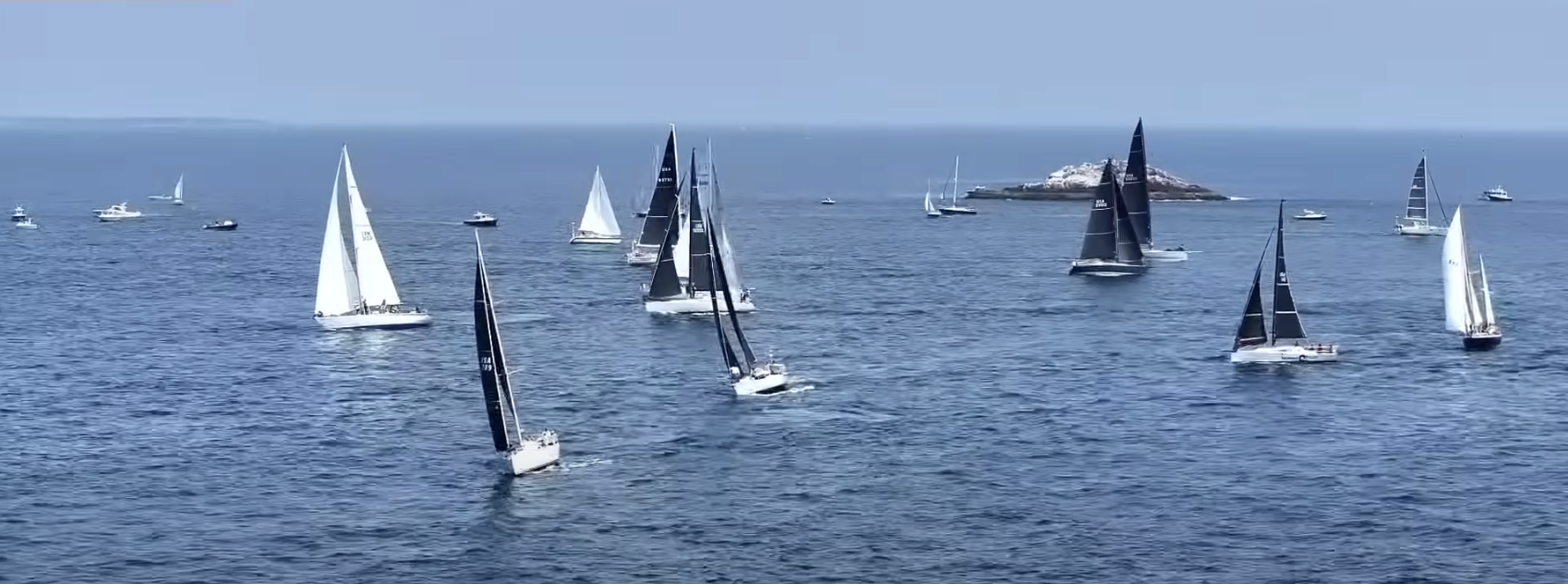
The fleet couldn’t have wished for better conditions at the start of the 363-mile ocean race.

As the first competitors eye their approach Hawaii, Stan Honey talks strategy.
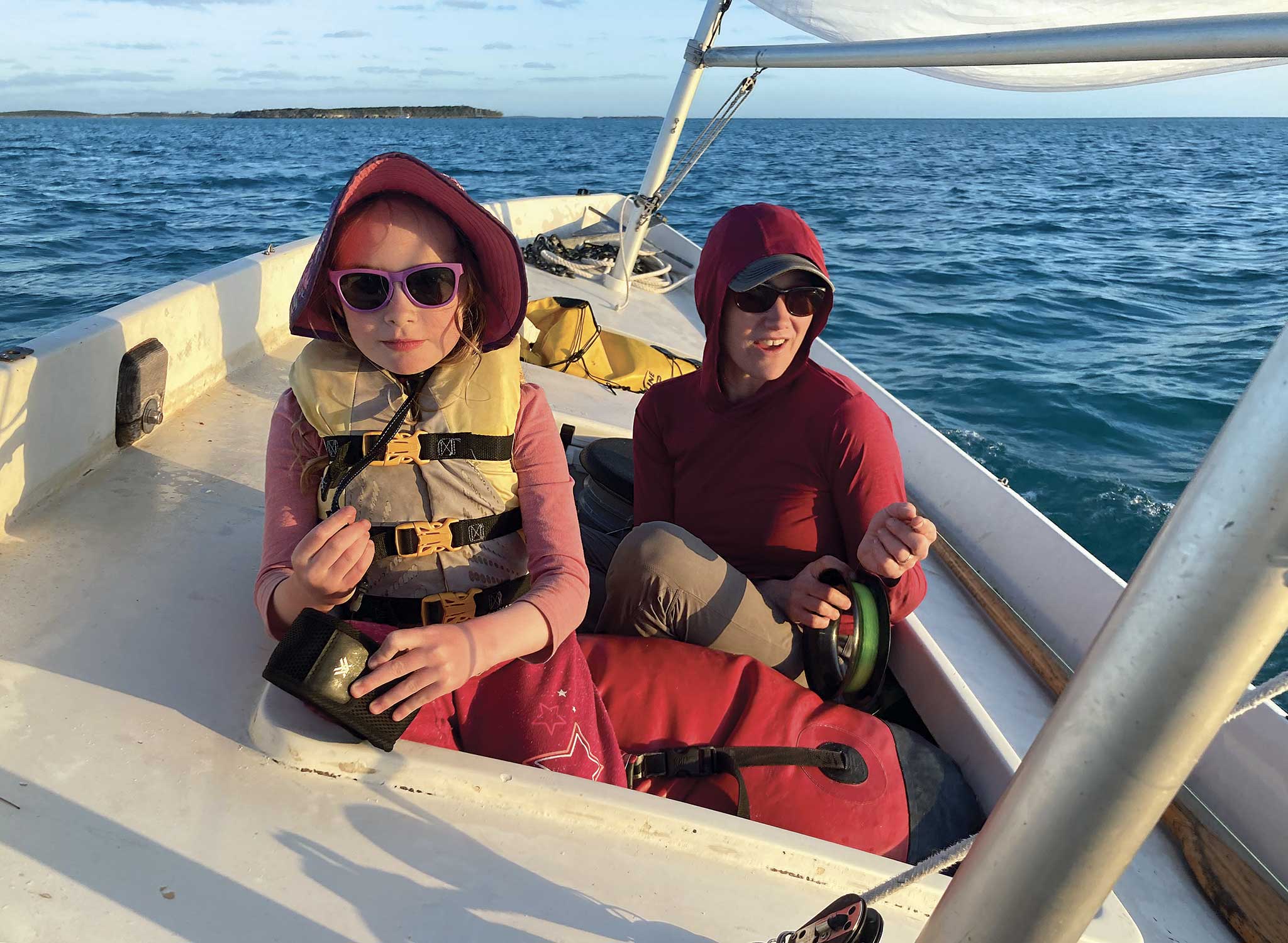
Living champagne dreams on a Top Ramen budget — and how you can do it too.

Simrad has upgraded their line of chartplotters with the NSS 4, a new model designed with going off soundings in mind.